REVIEW · OAHU
Waikiki 2 Tank World Class Wreck SCUBA Diving – Certified Only
Book on Viator →Operated by WAIKIKI DIVE CENTER · Bookable on Viator
Two tanks off Waikiki. That already makes it feel like a full day. This certified-only wreck-and-reef trip focuses on real underwater structure and real marine life, with pro guidance and a wreck-first plan.
I really like the safety-first feel and how the dive team keeps things calm and practical. Names like Ron and April pop up in standout experiences, and the highlights are classic Oahu sightings like turtles, sharks, and reef fish—often pointed out clearly for you underwater.
The main drawback is simple: this is not for brand-new divers. You’ll need the right certification level for deeper conditions (around 100 ft), and you should expect to handle your own tank changes and gear setup.
In This Review
- Key Things I’d Zero In On
- Waikiki’s Wreck-and-Reef Combo: Sea Tiger and Other Wreck Stops
- Certified-Only Rules and the Right Skill Level for ~100 ft
- Meeting at 424 Nāhua St and the Early-Start Reality
- Tank One: The Wreck Dive Off Waikiki (Sea Tiger, YO-257, San Pedro)
- Tank Two: Waikiki Reef Life and the Second-Dive Rhythm
- What’s Included (and What’s Not): Gear, Snacks, Water, No Lunch
- Boat-Trip Group Size and Why It Feels Manageable
- Safety, Conservation Rules, and How Guides Keep You On Track
- Value Check: Does $269 Make Sense for a Two-Tank Day?
- Who Should Book This Two-Tank Wreck Dive (and Who Should Skip)
- Should You Book It? My Honest Take
- FAQ
- Do I have to be certified to join this scuba experience?
- What certification level is needed for the wreck dive?
- What’s included in the price?
- How long is the tour and where do we meet?
- Can I fly the same day after the dive?
- Are there medical forms or restrictions for diving?
Key Things I’d Zero In On
- Wreck then reef: the day is built around two different underwater “moods.”
- Certified-only, no exceptions: you’ll need proof at check-in before the wreck ride.
- Wreck options on the route: Sea Tiger, YO-257, or San Pedro are typical choices.
- Small-group feel: the max is 16 travelers, which helps keep the day organized.
- Everything gear-related is handled: you get the required scuba equipment plus snacks and bottled water.
- Guide-driven conservation: in Hawaii you must stay close to the guide during the whole tour.
Waikiki’s Wreck-and-Reef Combo: Sea Tiger and Other Wreck Stops
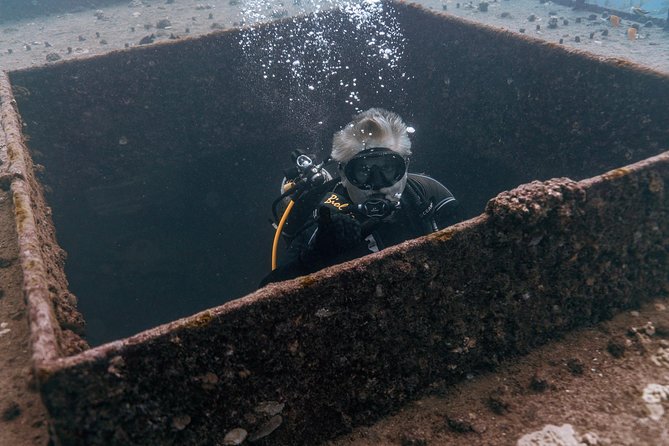
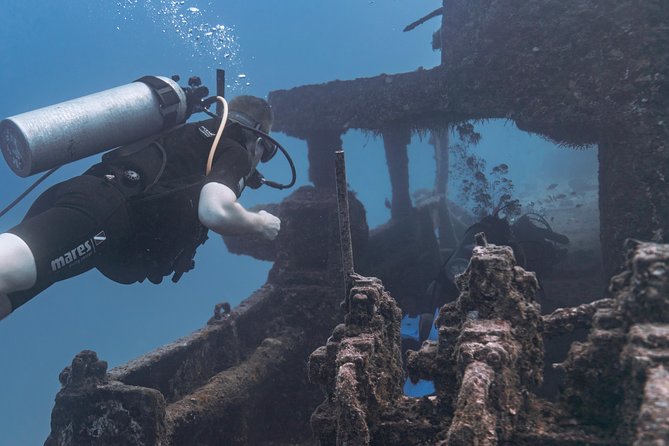
This is the kind of scuba day that gives you variety fast. Tank one is built around a shipwreck environment off Waikiki. Tank two shifts you toward a local reef experience with different fish and critters. If you’re the type who likes to compare sites—structure, visibility, and animal behavior—this format works.
A wreck dive also changes what you notice. Instead of just “looking at coral,” you end up checking out nooks and edges: where fish tuck in, where algae grows, and how the seafloor changes around the wreck. Then, when tank two arrives, your brain is already tuned for underwater detail, which helps you make the most of the reef stop.
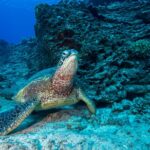
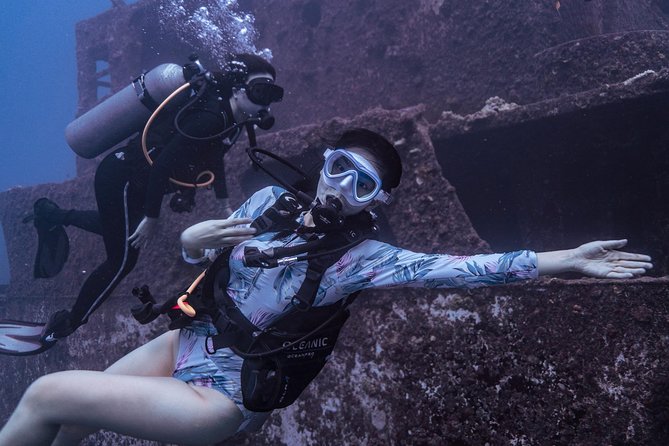
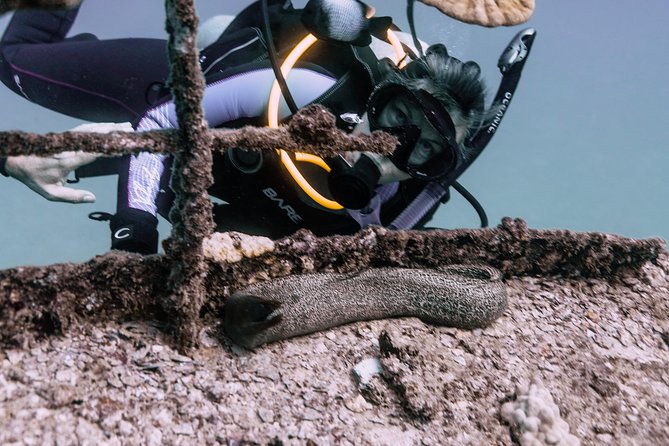
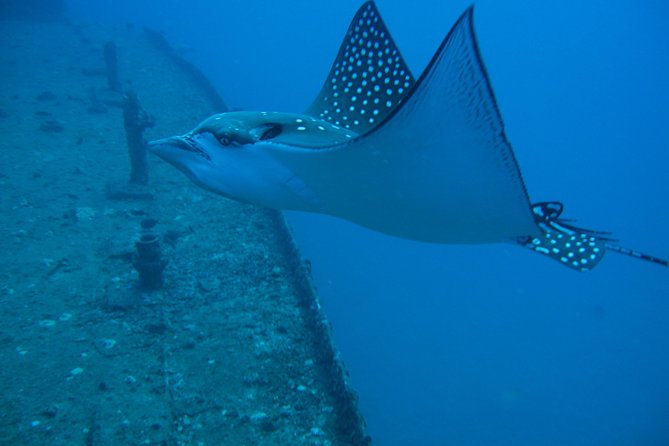
From the experiences I’ve seen shared by divers using this operation, the wreck portion can deliver memorable wildlife too. People mention sea turtles, eels, sea urchins, and even shark sightings during the day. That’s not something you can guarantee, of course, but it tells me the guides actively help you look for life, not just “lead you from point A to point B.”
You can also read our reviews of more scuba diving tours in Oahu
Certified-Only Rules and the Right Skill Level for ~100 ft
Here’s the deal breaker: this experience requires certification for the wreck dive, and they’re strict about proof. If you don’t present your diver certification at check-in, you won’t be allowed onto the shipwreck or night dive portions. There’s no workaround.
The other important detail is depth readiness. The wreck portion here calls for Advanced Open Water certification or an equivalent level of experience doing deep dives around 100 ft. Even if you’re comfortable in shallower water, this tour is asking for more. It’s also why they mention you must be able to carry 30lb tanks.
What that means for you as a diver:
- You should feel solid with buoyancy control before you come.
- You should be comfortable doing your own checks and gear adjustments quickly.
- You should know how you’ll handle a controlled descent and maintaining neutral buoyancy near structure.
If your training is borderline, this is the moment to be honest with yourself. The day will be better if you’re not spending it thinking about whether you’re ready.
Meeting at 424 Nāhua St and the Early-Start Reality
The meeting point is 424 Nāhua St, Honolulu, HI 96815, and the activity ends back there. You’ll be expected to arrive by 6:30am, with a grace period to 6:45am. Past that, the booking can be canceled automatically.
Why this matters: early starts help the crew manage water conditions and keep the boat schedule clean. It also means you’ll get most of your day back for Honolulu after your dives—though you’ll want to plan accordingly for recovery.
This location also sits near public transportation, which is helpful if you’re staying in Waikiki and don’t want to stress about parking. If you’re driving, just remember scuba mornings tend to run on time, so give yourself a little buffer.
Tank One: The Wreck Dive Off Waikiki (Sea Tiger, YO-257, San Pedro)
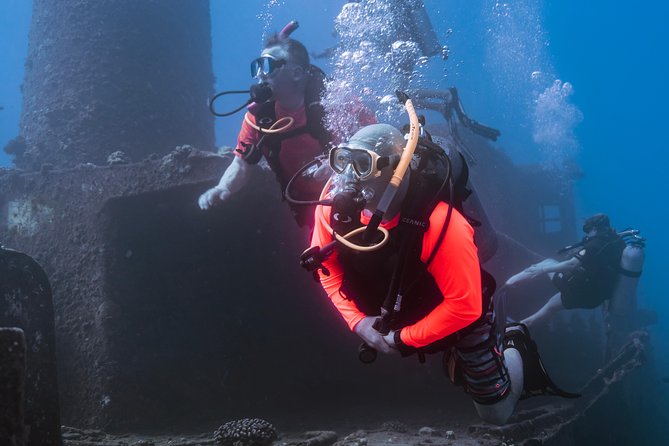
Tank one is where the personality of the day is decided. You’ll explore a shipwreck first, then head to the reef for tank two.
Depending on the day, the wreck site may include places like Sea Tiger, YO-257, or San Pedro. People specifically describe the Sea Tiger wreck as bountiful with life—especially fish activity and turtles.
What you should expect during a wreck dive:
- You’ll likely move through areas where the wreck’s shape creates current pockets or shelter.
- Visibility and light angles can change how the wreck looks. Even when conditions are just okay, structure tends to stay interesting.
- You’ll probably see more “marine behavior” than just marine “decoration.” Fish use the wreck the way you’d use a wall or hallway.
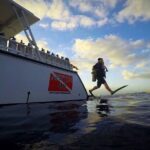
One detail that stands out from diver experiences is how the crew helps people feel ready for the water entry. Someone described feeling prepared for a Giant Step-style entry. That tells me the team isn’t just throwing you in—it’s coaching you so the moment feels manageable, especially if you haven’t done many drift or boat-entry days.
Also, wreck diving often means you’ll spend more time checking your surroundings. That’s not a bad thing. It’s the reason these dives can feel like you’re actually exploring, not just passing through.
Tank Two: Waikiki Reef Life and the Second-Dive Rhythm
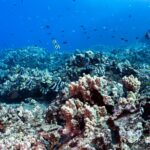
After tank one, the day turns into a different kind of viewing. Reef dives are less about structure and more about “what’s living where.” You’ll do tank two along the Waikiki area reef.
The reef stop can be lively. In reported experiences, divers mention spotting many sea turtles and lots of tropical fish. Another common theme: guides help divers notice what to look for, not just what you happen to bump into.
There’s also a practical rhythm here. Between tanks you’ll handle your gear refresh and tank change. The guides will be responsible for leading and safety, but this is not set up as a beginner workshop. One diver noted that the guides won’t necessarily baby-step you through setup and reminders. So if it’s been a while since your last open water day, give yourself time to do your pre-dive checks carefully.
The payoff is that a two-tank format gives you enough time to actually feel “in the zone.” Reef diving after a wreck dive can be great because you’ll spot life faster—you already have buoyancy control and awareness going.
You can also read our reviews of more tours and experiences in Oahu
What’s Included (and What’s Not): Gear, Snacks, Water, No Lunch
This trip includes:
- All required scuba equipment
- A professional guide
- Snacks
- Bottled water
It excludes lunch. That’s a big deal in real terms because you’re starting early and you’ll likely be hungry after. If you’re planning this as part of a vacation day, bring something simple to eat before you leave home and have a plan for after your dives.
Since the equipment is included, you don’t have to do the rental math or worry about whether the gear is good. Multiple divers also mention the gear quality in their experiences, which is a solid signal. Still, you’ll want to do your usual fit checks: mask comfort, regulator feel, and that your BCD works the way you expect.
The operation expects you to be ready to carry 30lb tanks as part of the diving day. If that’s tough for you, consider whether this is the right fit or whether you might be better suited to a different tour style.
Boat-Trip Group Size and Why It Feels Manageable
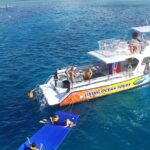
This experience caps out at 16 travelers. That’s not huge, and it matters for how smoothly the day runs. Smaller groups are easier to brief clearly, easier to position in the water, and easier for the guides to monitor.
There’s also a note about different handling for non-certified divers on the same boat. Even if your booking is for certified divers, the day can include others. The important part for you: there are separate ratios and dedicated instruction for beginners/new students, while certified divers follow the certified program.
That structure usually helps the day stay organized—because everyone is doing the dive they’re trained for, with the right level of support.
Safety, Conservation Rules, and How Guides Keep You On Track
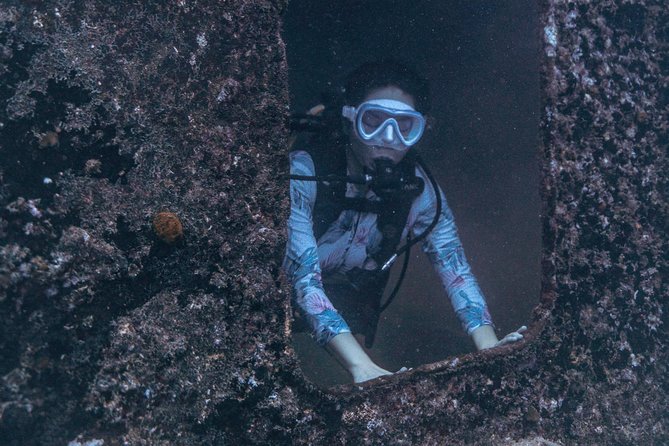
This is not a free-range scuba day. Hawaii law requires divers to follow and stay close with the local dive guide during the entire dive tour for conservation regulations.
In practice, that means you should be ready to:
- Maintain proximity to your guide
- Avoid wandering off to chase your own critter
- Think of the route as part of the experience, not a limitation
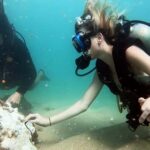
The vibe from diver experiences is that the crew takes safety seriously while keeping things friendly. Guides like Yoshi and Dylan are specifically mentioned for being attentive to preparation and keeping divers safe. That’s exactly what you want on a wreck day, where situational awareness matters.
One nice detail from a diver story: someone who is color blind said the guides helped point out marine life. That’s a reminder that good guiding isn’t only about “where to go,” it’s also about “what to look at once you’re there.”
Value Check: Does $269 Make Sense for a Two-Tank Day?
At $269 per person for roughly 5 hours, the value comes from what you’re actually getting:
- Two tank experiences (wreck first, then reef)
- Wreck exploration off Waikiki (a site type that usually costs more than a simple reef day)
- Pro guided program with conservation rules in mind
- Equipment included
- Snacks and bottled water included
In other words, you’re paying for the package: boat time, guide time, and the equipment support that removes a lot of hassle. If you already have gear, the cost can still be worth it because you’re buying access to the sites and the guide expertise—not just tanks and fins.
Where you should adjust expectations is food. Since lunch isn’t included, you’ll likely spend a little extra. But you can plan around that easily.
Also, because this is certified-only with depth expectations, it’s not a bargain if you’re not ready. For divers who fit the requirement, it’s a well-priced way to get both a wreck and a reef in one morning.
Who Should Book This Two-Tank Wreck Dive (and Who Should Skip)
This tour fits best if:
- You’re already a certified diver and you can show proof at check-in.
- You’re comfortable with deep diving around 100 ft and you have the right training level.
- You want a structured day that includes both a wreck and a reef.
- You prefer guided scuba where you follow a plan and get help spotting marine life.
You should probably skip or reconsider if:
- You’re only comfortable in shallow water.
- Carrying 30lb tanks is a problem for you.
- You’re hoping for a beginner-friendly, hands-on coaching day.
If you’re traveling with a friend who’s not certified, you may still be able to share a day in the broader operation. But the non-certified/new students will be grouped separately with dedicated instruction, so don’t expect one-to-one “same dive experience” together.
Should You Book It? My Honest Take
If you’re certified and you want a serious Waikiki day underwater, I think this is a strong pick. The two-tank structure saves you time. The wreck-first format gives the day a clear theme. And the fact that divers consistently mention feeling prepared and safe suggests the team knows how to run the day smoothly.
But be realistic. This is not a casual “try scuba” tour. You’ll need the right certification level for deep conditions, you’ll need to handle your own setup between tanks, and you’ll need to follow the guide closely for conservation rules.
If all that fits you, book it.
FAQ
Do I have to be certified to join this scuba experience?
Yes. You must show evidence of dive certification at check-in. For the shipwreck portion, certification is required with no exceptions.
What certification level is needed for the wreck dive?
You need Advanced Open Water certification or equivalent experience, including experience with deep dives around 100 ft.
What’s included in the price?
The tour includes all required scuba equipment, a professional guide, snacks, and bottled water. Lunch is not included.
How long is the tour and where do we meet?
The duration is about 5 hours. You meet at 424 Nāhua St, Honolulu, HI 96815, and the activity ends back at the meeting point.
Can I fly the same day after the dive?
No. Diving within 18 hours of flying is not allowed.
Are there medical forms or restrictions for diving?
You’ll complete a health questionnaire, and some pre-existing conditions may prevent you from diving. Doctor clearance is generally required for pre-existing medical conditions like asthma or heart conditions.