REVIEW · OAHU
Certified Diver: 2-Tank Deep Wreck and Shallow Reef Dive Off Oahu
Book on Viator →Operated by Dive Oahu Inc · Bookable on Viator
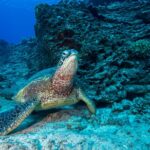
Sea Tiger and reef, same boat.
If you want two different underwater worlds in about three hours, this south-shore combo delivers: a wreck that draws constant marine traffic, plus a shallower reef site loaded with the usual suspects. I especially like that the trip handles the basics well—gear rental, snacks, and refreshments are included—so you spend less time fussing and more time focused on what’s outside the mask. One possible drawback: the wreck experience may not be a swim-through moment; some areas can be tight or awkward, so expect sightseeing and wildlife time more than crawling inside.
I also like how close this is to central Honolulu. You’re meeting at Kewalo Basin Harbor near Ala Moana, and you’re not losing half the day to travel logistics. And with a small max group (up to 21), you tend to get more attention in the water—something that really matters when you’re managing buoyancy, especially on a wreck profile and then moving to a shallower reef.
In This Review
- Key highlights at a glance
- Why Oahu’s south shore wreck-and-reef combo works
- Sea Tiger wreck: what to expect at the deeper start
- The shallow reef pipe: an easier second stop at around 50 ft
- Boat comfort and the included basics that make the day easier
- Your crew matters: captains and guides you may meet
- Value check: what $248.81 gets you (and what doesn’t)
- Timing, rules, and the small “please don’t forget” items
- Who should book this charter—and who might want a different plan
- Should you book this 2-tank wreck and reef scuba outing?
- FAQ
- FAQ
- Do I need prior scuba certification?
- Is this trip suitable for beginners who are not certified?
- How long is the experience?
- What’s included in the price?
- What’s not included?
- Where do I meet the group?
- Are there any age or swimming requirements?
- Can I bring my own camera or use one on the trip?
- Is there a cancellation policy?
Key highlights at a glance
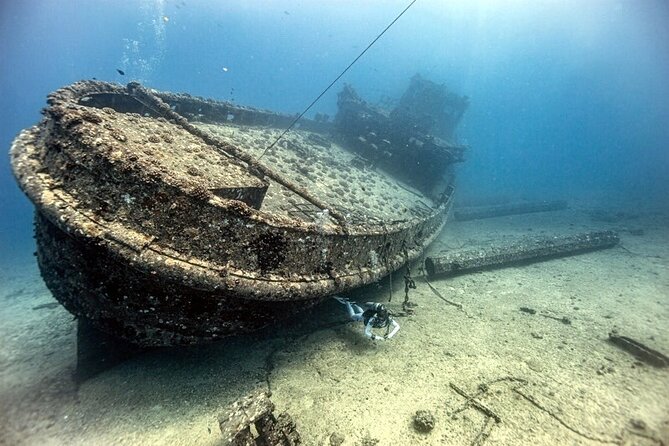
- Sea Tiger wreck spotting with a deeper start and plenty of animal life nearby
- Shallow reef site that’s easier on your schedule and great for turtles and eels
- Premier gear rental included, plus snacks and refreshments on board
- PADI-professional guided format designed for certified participants
- Add-ons available like GoPro rental, Nitrox, private guide, and/or photographer
Why Oahu’s south shore wreck-and-reef combo works
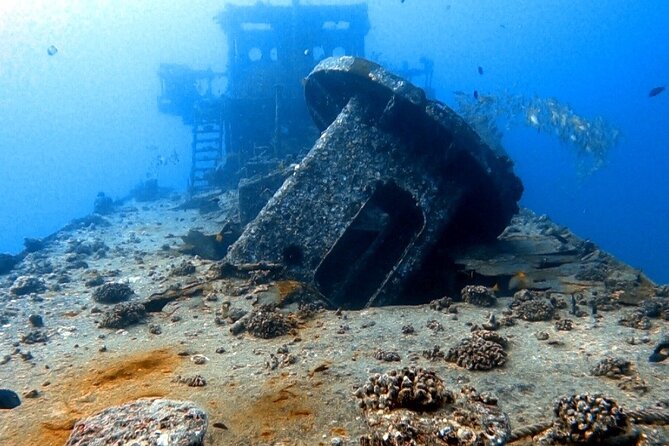
This is one of those rare formats where I think the planning actually helps your experience. You get a deeper wreck start, then you roll right into a shallower reef after. That pacing keeps the day from feeling like one long, tiring slog, and it also gives your eyes a “variety boost.” On Oahu’s south shore, you can usually count on clear water windows and consistent animal activity—so you’ll often leave with both a story-worthy wreck moment and a calmer, colorful reef second act.
The included support matters more than it sounds. When gear rental and basic food/drink are taken care of, you don’t have to play guessing games about what’s available, what condition it’s in, and whether you’ll be charged extra on the day. In a compact ~3-hour outing, that kind of smoothness buys you time underwater.
One more practical win: the boat departs from the Kewalo Basin Harbor area. That’s close to where most people are staying if they base near Waikiki/Ala Moana. Less time in traffic means you’re more likely to arrive rested, get fitted quickly, and actually enjoy the ride.
You can also read our reviews of more scuba diving tours in Oahu
Sea Tiger wreck: what to expect at the deeper start
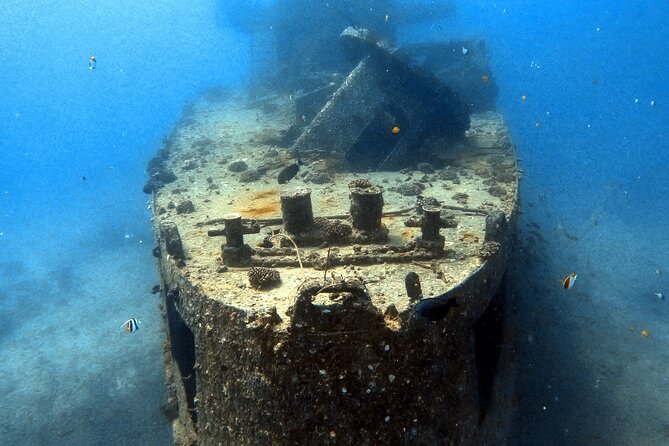
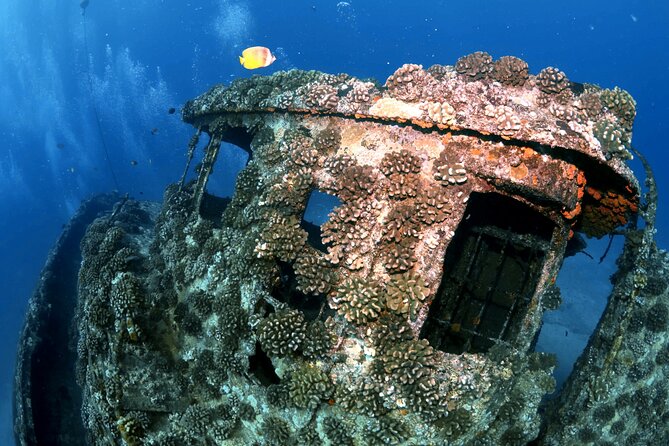
The first stop is built around a well-known wreck: the Sea Tiger. In the provided dive notes, this wreck is described at roughly 105 feet. That depth profile has a couple of consequences you should be ready for.
First, you’ll want to be comfortable managing your breathing and equalization on the way down. If you’re even slightly rusty, it helps when your guide sets the tone early and checks that everyone is good to go. In past groups on this charter, I’ve seen comments about guides being patient with equalizing and breathing control—this matters because the wreck itself is only impressive if you can get down and stay relaxed.
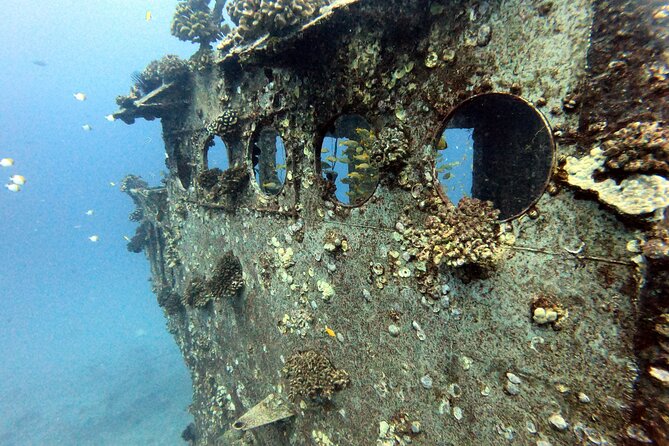
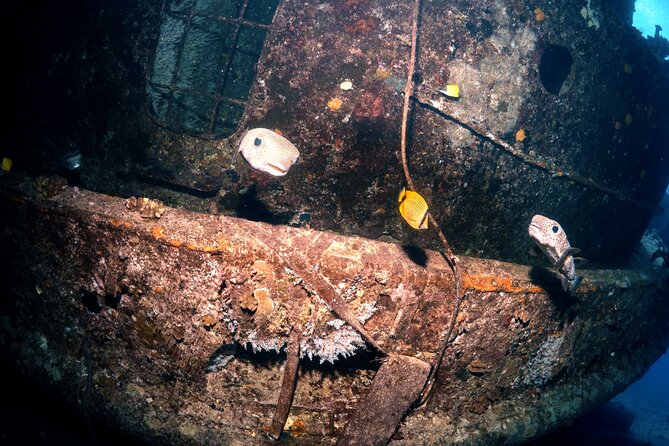
Second, “wreck” doesn’t always mean “swim-through.” The most common expectation here should be: look for the wreck as a living structure—charts, shadows, fish traffic, and the kinds of animals that treat man-made habitat like a buffet station. One detailed example described the Sea Tiger as too rusty or small to swim through in many areas. That same example still called it a highlight because wildlife concentrated around parts of the structure. In other words, you can enjoy it without needing to squeeze inside.
What you should watch for during this deeper leg:
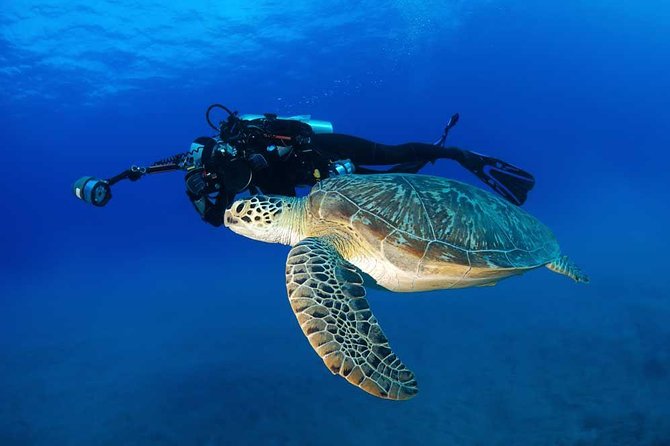
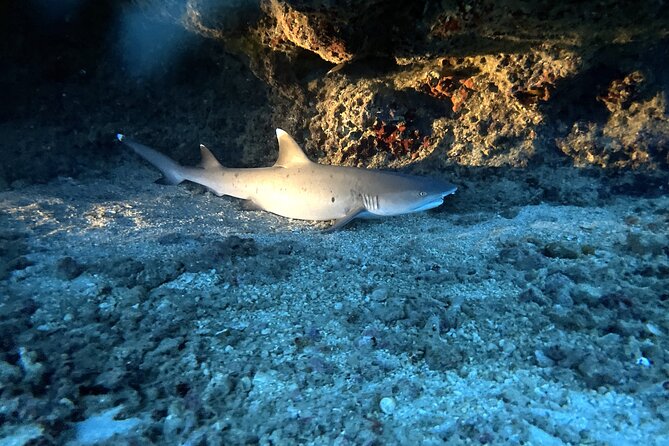
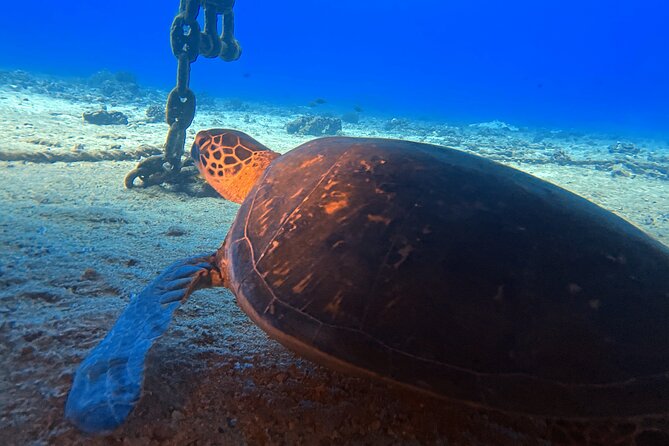
- Sea turtles cruising the wreck zone
- Sharks seen near the ocean floor in at least some conditions
- Eels and colorful reef fish taking advantage of the structure’s edges
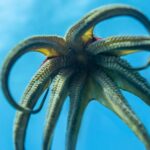
- Octopus sightings when the lighting and angles cooperate
Even when you don’t see everything, wreck sites tend to deliver steady activity—fish moving in patterns, turtles hovering nearby, and the wreck itself providing that “how did this get here?” feeling.
The shallow reef pipe: an easier second stop at around 50 ft
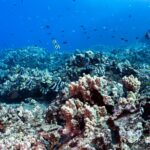
After the wreck, the plan shifts to a shallower reef location, described at about 50 feet. This second site tends to feel less intense and more “scenic.” It’s also a good mental reset: you’ve already done the deeper work, so your body often feels better for the lighter depth.
This site is described as an old waste pipe area. Pipe-and-structure reefs can be excellent because they create angles and corners where animals like to hide and hunt. That’s why the shallow portion is often where you rack up the memorable small surprises—things you might miss if you’re rushing or if you’re focused only on the horizon.
This is also where the wildlife can get very “showy,” with some groups calling out:
- Turtles (often easy to track once you know what to look for)
- Eels peeking out from crevices
- Octopus found tucked away
- Stingrays and reef fish depending on the day’s movement
If you like underwater photography, this is a strong leg because 50 feet gives you better light than a deeper profile. You’ll still be under water, of course, but the overall visual experience can feel brighter and more forgiving.
Boat comfort and the included basics that make the day easier
A lot of scuba charters look good on paper, then fall apart in the details. Here, the details you actually feel are included.
You get premier gear rental and it’s set up for the day, which saves you from hauling everything or scrambling to find a last-minute replacement. You also get snacks and refreshments on board. That might sound like a minor perk, but a two-tank outing can still make you hungry, and the food keeps your energy steady while you’re waiting to be called into the water.
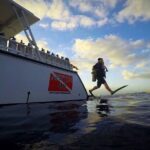
The boat experience is also designed for comfort. Multiple write-ups describe the captain and crew as helpful with getting divers in and out smoothly—even with conditions that can feel a little choppy from the harbor. That crew skill matters more than people think. If you’ve ever tried to manage tanks on an unstable deck, you know why.
A couple of add-ons can boost your experience if you care about equipment or photos:
- GoPro rental
- Nitrox tank rental
- Private guide
- Private photographer
Those aren’t mandatory, but if you’re the kind of person who wants extra control over filming angles or wants a more customized pace, these options can be worth it.
Your crew matters: captains and guides you may meet
This charter gets repeatedly praised for how the team runs the day. While you can’t count on the exact same crew every time, you can be confident you’ll be in capable hands.
Names that have come up include captains like Nacho, Adam, and Lindsay, with guides such as Heather, Josh, Jordan, Jared, Colton, Alex, Justin, and James. Beyond the names, what matters is the working style: people describe smooth equipment checks, friendly instruction, and a clear sense of safety.
One recurring theme in the descriptions is that guides do more than “watch you.” They help you:
- do last-minute gear checks
- get comfortable with the plan before you go down
- stay relaxed during the water time
- spot wildlife you might otherwise miss
If you’re returning after time away from scuba, that patience is not a small thing. Several accounts specifically mention feeling comfortable again after a gap, largely because the instruction felt supportive instead of rushed.




Value check: what $248.81 gets you (and what doesn’t)
At about $248.81 per person for a ~3-hour, two-stop outing, the price can make sense because of what’s included. The big value items are:
- Two underwater locations (a wreck zone plus a shallow reef)
- Premier gear rental included
- Snacks and refreshments included
- Guided format with a PADI professional
If you had to rent gear separately, pay for instruction separately, or handle your own food, the math usually changes fast. Here, the package reduces friction. In practice, that often leads to a better day, not just a cheaper one.
What’s not included: parking. That’s the only notable exclusion called out. So if you’re driving in, factor in where you’ll park before you go.
Also note the trip has a max group size of 21. Smaller groups often mean less waiting, more time with your guide, and a smoother flow during check-in and setup.
Timing, rules, and the small “please don’t forget” items
This is the part that can make or break your day if you ignore it.
Plan to arrive at the harbor about half an hour early so you have time for waivers and equipment fitting. If you show up late, you’ll feel it fast, especially with tanks and weights involved.
Certification rules are strict: you must show proof of certification through PADI or another approved diving course before boarding. You also need to be:
- able to swim
- over 15 years old
- in good health
You’ll also need to provide your weight (used for proper buoyancy setup). And if you’re planning air travel, remember: you must not fly within 24 hours of diving.
One more practical note for your calendar: the schedule depends on weather. The charter is clear that the experience requires good conditions, so a poor-weather cancellation can happen. If you’re flexible, you’ll handle that better.
Who should book this charter—and who might want a different plan
Book this if:
- you’re certified and want a structured two-stop day
- you want a wreck + reef combo without doing two separate bookings
- you’re excited about seeing turtles, sharks, eels, octopus, and stingrays when conditions allow
- you like guided instruction and a team that helps you settle in quickly
You might skip this and choose something else if:
- you’re expecting a lot of interior wreck swimming. Based on the wreck descriptions shared here, you should expect sightseeing more than getting deep into tight spaces
- you’re not comfortable with the deeper first stop profile around 105 feet
- you need a plan that ignores certification rules or strict “no flying” timing
Should you book this 2-tank wreck and reef scuba outing?
If you’re choosing one short charter on Oahu’s south shore, I’d lean toward this format. The strongest reasons are the practical ones: gear rental plus snacks are included, you’re close to central Honolulu, and you get two very different underwater settings in one trip. The crew reputation also matters. When captains and guides are focused on safety and comfort—especially around equalization and buoyancy—you’ll enjoy the day more, even if wildlife action varies by weather and visibility.
If you want the wreck story without forcing swim-through expectations, and you also want a shallower second stop for wildlife and photos, this is a smart match. Just come prepared for the depth start, show your certification, and don’t schedule flights too soon after.
FAQ
FAQ
Do I need prior scuba certification?
Yes. You must show proof of certification through PADI or another approved diving course before boarding.
Is this trip suitable for beginners who are not certified?
No. The tour requires certified participants to show proof before boarding.
How long is the experience?
It’s about 3 hours (approx.).
What’s included in the price?
Gear rental is included, along with snacks and refreshments, and you’ll have a guided tour by a PADI Professional.
What’s not included?
Parking is not included.
Where do I meet the group?
You start at Kewalo Basin Harbor, 1085 Ala Moana Blvd, suite 109, Honolulu, HI 96813, USA.
Are there any age or swimming requirements?
Yes. You must be able to swim and be over age 15, and you must be in good health.
Can I bring my own camera or use one on the trip?
GoPro rental is listed as an available add-on, along with other options like Nitrox and private photography.
Is there a cancellation policy?
Yes. Free cancellation is allowed up to 24 hours in advance for a full refund, and it requires good weather to operate. If canceled due to poor weather, you’ll be offered a different date or a full refund.