REVIEW · OAHU
Certified Diver: 2-Tank Shallow Reef Dives off Oahu
Book on Viator →Operated by Dive Oahu Inc · Bookable on Viator
Want turtles and rays without stress.
This two-tank shallow reef scuba trip off Oahu is built for calm, guided exploration from Honolulu, with sites like Kaiser’s, Turtle Canyons, and Secrets. I like that you get a full plan, not just a boat ride, and the crew focuses on safe, easy pacing for certified participants.
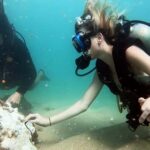
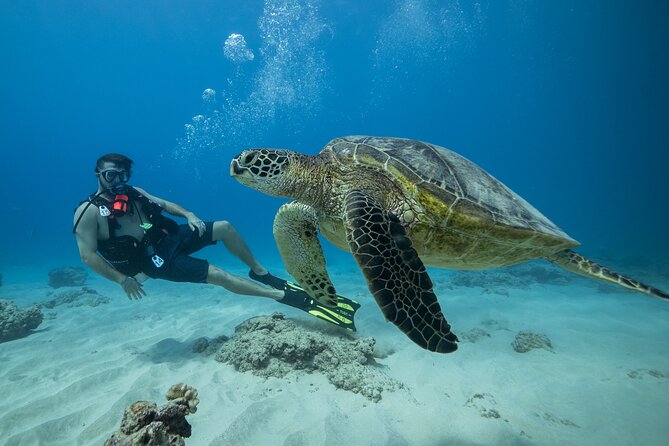
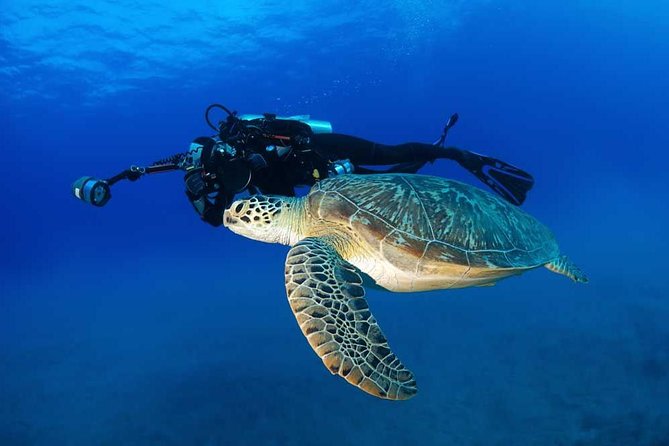
Two things I really like: free gear rental plus snacks and refreshments, and a guide team that keeps the whole group comfortable. In the water, that care shows up as good buoyancy help and fast spotting of marine life, including big green sea turtles that people remember for the next day.
One possible drawback: the boat ride can be choppy at times. If you get motion sick, bring a plan (and consider Dramamine-like meds, since that helped more than one person), and you might want to dress warm because the water can feel chilly even when the air is nice.
In This Review
- Key highlights that matter on this 2-tank reef day
- Entering the water near Honolulu: why this trip fits Waikiki-area schedules
- Kewalo Basin Harbor check-in: the short prep that makes the day smoother
- The reef plan: Kaiser’s, Turtle Canyons, and Secrets on a two-tank schedule
- What you’ll likely see: turtles, rays, eels, sharks, and more
- The crew: safety-first pacing without making you feel rushed
- The boat ride reality: choppy water, seasickness, and staying warm
- Gear and extras: what’s included, and how to choose upgrades
- Timing and group size: why the schedule feels relaxed in practice
- Price and value: what $141.10 really covers
- Who should book this Oahu two-tank reef trip
- Should you book? My straight answer
- FAQ
- Do I need proof of scuba certification before boarding?
- What’s included in the price?
- How deep are the reef sites?
- Can I add Nitrox, a GoPro, or an underwater scooter?
- Is parking included at the meeting point?
- Is it safe to fly right after the trip?
Key highlights that matter on this 2-tank reef day
- Two shallow reef swims, usually 25–50 ft, so you spend more time watching sea life than managing deep pressure.
- Small-group feel (max 21), which helps guides keep an eye on everyone and keep questions from getting lost.
- Top-to-bottom setup is included: FREE premier gear rental, plus snacks and refreshments.
- Wildlife sightings are a core goal, with frequent reports of sea turtles, eels, octopus, rays, and shark sightings.
- Optional upgrades like GoPro rentals, Nitrox tanks, a DPV underwater scooter, private guide, and a private photographer.
- Family-friendly logistics when some people snorkel and others go scuba, with the crew coordinating both groups.
Entering the water near Honolulu: why this trip fits Waikiki-area schedules
This is a smart choice if you’re staying around Honolulu or Waikiki and you want an easy, focused reef day. It runs about 3 hours, which means you get a real underwater experience without eating your entire daylight.
The trip is described as ideal for certified participants of all ages, and the practical reality matches that. The guides are used to mixed skill levels, including people who haven’t been in the water for a while and want a gentle reset.
You can also read our reviews of more scuba diving tours in Oahu

Kewalo Basin Harbor check-in: the short prep that makes the day smoother
You meet at Kewalo Basin Harbor (1085 Ala Moana Blvd, suite 109, Honolulu). Plan to arrive about 30 minutes before the scheduled start so there’s time for waivers and gear fitting.
This matters more than it sounds. Good fitting means less fiddling underwater and more time watching fish instead of troubleshooting straps.
A few key requirements before you board:
- You must show proof of certification (PADI or another approved course).
- You’ll need to provide weight and date of birth.
- You must be able to swim and be in good health.
- You should not fly within 24 hours after your scuba session.
Also, you’ll get a mobile ticket, and you’ll receive a confirmation email after booking. Have your email handy and check it, because the operator will want correct details tied to your booking.
The reef plan: Kaiser’s, Turtle Canyons, and Secrets on a two-tank schedule
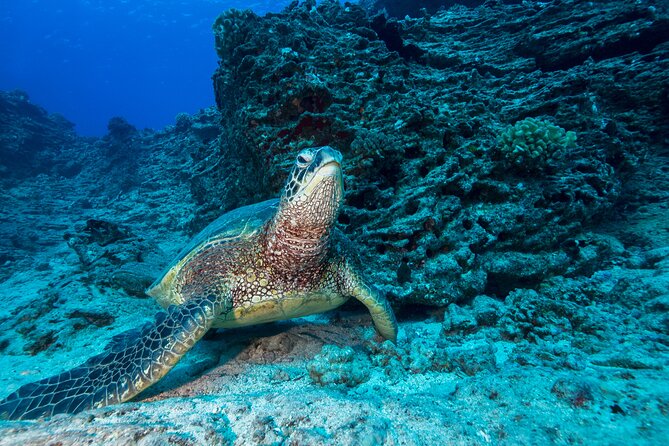
This trip focuses on shallow reef sites around Oahu that are known for marine life. The provided site names are Kaiser’s, Turtle Canyons, and Secrets, and the two-tank structure gives you more time to actually see what makes those reefs special.
You can expect typical depths around 25 to 50 feet. That range is a sweet spot for many certified participants because it supports a relaxed pace and lots of visual scanning for turtles, rays, and reef fish.
What you’re really buying with two tanks is flexibility. If the first site is packed with life, you don’t have to rush. If you want extra practice or you feel rusty on the first tank, the second tank gives you a second chance to settle in and enjoy the experience.
What you’ll likely see: turtles, rays, eels, sharks, and more
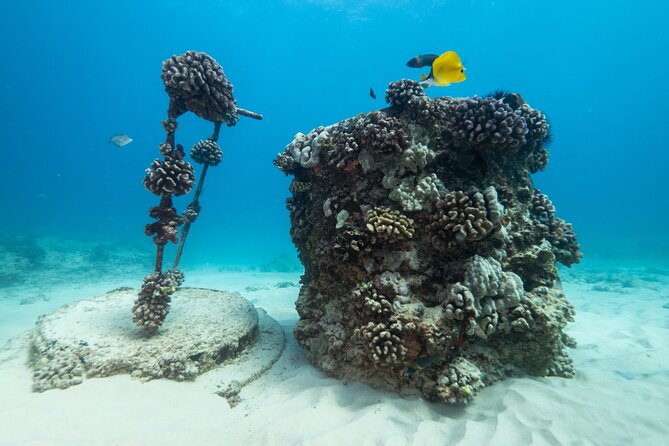
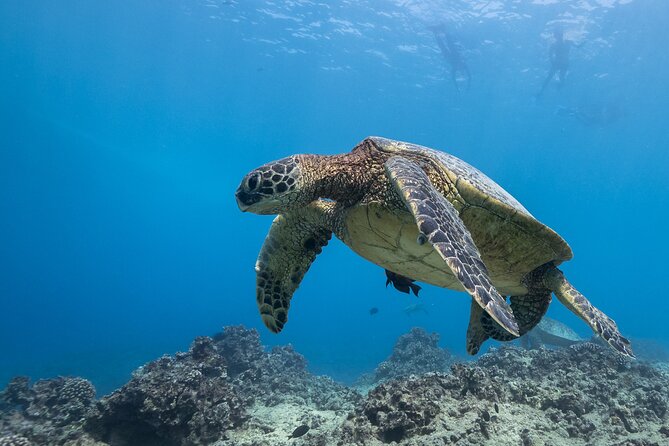
Wildlife is the headline here, and it’s not just marketing. A repeated theme in the on-water experiences is the sheer number and size of green sea turtles—including reports of large individuals and sightings at places described like cleaning stations.
Beyond turtles, people often call out:
- Eels (including moray eels)
- Octopus
- Colorful reef fish in big numbers
- Rays, in some cases stingrays
- Crabs and smaller reef critters
- Shark sightings, including a whitetip shark and reef sharks in some reports
And it doesn’t always stop at reef life. On some trips, the crew has also paused to watch whales or to get closer to dolphins and whale sharks when those animals appear near the boat. That kind of attention is a good sign: it means the guide team is watching the water, not just following a checklist.
One practical note: visibility can vary. Some people mention very clear water (around 10 meters), while others just describe it as a beautiful shallow reef experience. Even with average visibility, the sites are shallow enough that you’ll still have lots to look at.
The crew: safety-first pacing without making you feel rushed
This trip is guided by a PADI Professional, and the crew style comes through in how they talk, how they manage the group, and how they handle first-timers or people returning after time out of the water.
From the names that show up again and again, you’ll likely meet people like Nacho, Josh, John, Lindsey, Jordan, Heather, Ami, Jeff, Rachel, Matt, Travis, Jarred, Lexie, Emerald, Sam, Alex, and Captain Adam. You can also see staff coordinating snorkeling and scuba for families and couples, with helpers like Hailey taking non-diving participants snorkeling.
What matters to you is not the roster of names. It’s the behavior:
- Clear instructions before you gear up
- Patient support when buoyancy or equalizing needs time
- A safety-focused pace that keeps the whole group from getting spread out
If you’re nervous at first, you’re in the right kind of operation. People have described feeling scared initially, then supported into a much more comfortable experience. That is exactly what you want from a shallow reef day.




The boat ride reality: choppy water, seasickness, and staying warm
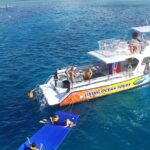
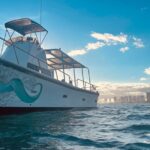
Oahu mornings can be gentle, but they can also be choppy. Multiple experiences mention that the ride can feel rough for some people, and at least one person specifically said Dramamine helped.
Here’s my practical take: if you’re sensitive to motion, don’t gamble. Plan ahead, and consider sitting where the boat movement feels least intense. Dressing in layers also helps because even a short boat ride plus time in the water can leave you chilly.
The good news is the trip is short and focused. That makes it easier to “tough it out” if you just need a bit of help, and it limits the chance of a long, miserable day.
Gear and extras: what’s included, and how to choose upgrades
The big value play here is that you get FREE premier gear rental. That typically includes the standard set you need to go scuba, and it saves money and hassle versus hunting down rentals on your own.
You also get snacks and refreshments, which keeps energy up during the pre- and post-water rhythm.
If you want upgrades, there are add-ons:
- GoPro rental
- DPV underwater scooter (for extra propulsion)
- Nitrox tank rental
- Private guide
- Private photographer
How I’d think about this:
- If you’re going for your first or second reef day in a while, focus on comfort first. Let the guide help you get relaxed before you add gear complexity.
- If you’re experienced and want video/photo freedom, the GoPro rental can be worth it.
- If you’re curious about more effortless distance underwater, a DPV can be a fun option, but confirm it fits your comfort level and certification limits.
Also note: parking is not included. If you’re driving, plan for that ahead of time.
Timing and group size: why the schedule feels relaxed in practice
This trip is booked in advance often (on average about 23 days out), so it can sell out on popular dates. That’s usually a good sign for consistency.
The group size is capped at 21 travelers. That’s a meaningful detail. Smaller groups tend to mean fewer last-minute gear mistakes, more time with the guide during the setup, and more immediate attention if someone needs help adjusting equipment.
The language offered is English, which makes it easier to understand safety instructions and site expectations without guessing.
Price and value: what $141.10 really covers
At $141.10 per person for about 3 hours, this is priced like a serious reef excursion, not a half-hour “look and go” experience. The value comes from what’s included:
- FREE premium gear rental
- Guided support by a PADI Professional
- Snacks and refreshments
- Two-tank shallow reef time
For many people, the real comparison isn’t just ticket price. It’s how much you’d pay for gear rental plus a guided day plus the boat and site management. Here, the structure is already wrapped up for you, so you spend your time preparing your body and not your wallet.
If you’re adding extras like a GoPro, Nitrox, or a DPV, expect the final total to rise. But the base experience already includes the essentials.
Who should book this Oahu two-tank reef trip
This is a strong fit if:
- You’re certified and want shallow reef action at 25 to 50 feet.
- You care about seeing marine life and having someone help you notice what you’d otherwise miss.
- You want a manageable day length of about 3 hours with a small-group feel.
- You’re a family or couple where one person wants to snorkel and the other wants scuba. The crew can coordinate both groups.
It may be less ideal if:
- You’re very sensitive to boat motion and you’ve had bad reactions to choppy rides in the past.
- You prefer very long, deep excursions. This is more about reef time and comfort than big-depth bragging rights.
Should you book? My straight answer
If you want a guided, shallow reef scuba day with free gear, lots of wildlife odds, and a crew that’s patient with real humans, I’d book this. The combination of two tanks plus a safety-focused team is exactly what turns a reef outing into a memory.
Do your homework on motion sickness and bring a warm layer. After that, focus on one goal: slow down in the water and let the guide help you see turtles, eels, and all the reef characters you’ll forget you even look for.
FAQ
Do I need proof of scuba certification before boarding?
Yes. All divers must show proof of certification through PADI or another approved diving course before boarding the boat.
What’s included in the price?
Gear rental is included for free, and you also get snacks and refreshments. You’ll also have a guided tour led by a PADI Professional.
How deep are the reef sites?
The trip notes depths ranging from about 25 to 50 feet, which fits a shallow reef experience.
Can I add Nitrox, a GoPro, or an underwater scooter?
Yes. Add-ons include GoPro rental, DPV underwater scooter, Nitrox tank rental, plus options for a private guide or a private photographer.
Is parking included at the meeting point?
No. Parking is not included.
Is it safe to fly right after the trip?
No. You must not fly within 24 hours after your scuba session.
If you tell me your certification level and whether you’re prone to seasickness, I can suggest the best way to prep (and what kind of day you should expect underwater).