REVIEW · OAHU
Incredibly Fun Coral Reef Giant Sea Turtles 4hour Boat Scuba Tour
Book on Viator →Operated by WAIKIKI DIVE CENTER · Bookable on Viator
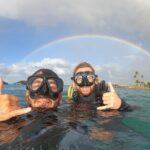
Turtles meet you fast in open water. This 4-hour Oahu scuba intro is built for beginners who want real training and real ocean time, with giant sea turtles as the main event.
I like the people behind it. In particular, I see a pattern of praise for instructors such as Chad and Olga for patient coaching, careful checks of your setup, and steady reassurance when you’re new to the gear and the breathing routine.
My main caution is water conditions. If you go in the rainy season, visibility can drop to roughly 10–15 feet, and the reef experience may feel smaller than you expected, even if the staff still runs a safe plan.
In This Review
- Key things to know before you go
- A half-day on Oahu that actually starts you in the ocean
- What the two-tank plan means for first-timers
- The route around Waikiki to the boat time
- Marine life highlights you should expect to see
- Gear, gear checks, and why beginners feel safer here
- Price and value: what $299 covers on this half-day
- Weather reality: when the reef looks different
- Logistics that can make or break your day
- Who should book this and who should skip it
- If things go wrong: what to expect and how to protect yourself
- Should you book this giant sea turtle scuba tour?
- FAQ
- How long is the scuba tour?
- Where does the tour start?
- Do I need to be certified?
- What’s included in the price?
- Is the tour only for beginners?
- How deep will I go?
- What marine life can I realistically expect?
- What if the weather is bad?
- Do I need a doctor’s consent?
- Is alcohol allowed before the tour?
Key things to know before you go
- Two-tank format for beginners: first skills down around 40–60 feet, then time to explore.
- Scuba instructors who slow down when you need it: people highlight names like Chad, Olga, Josh, and Red.
- Small-group feel (max 16 travelers) with an instructor-to-student ratio kept tight.
- Your animal-spotting odds include giant sea turtles, eagle rays, reef sharks, octopus, eels, and plenty of reef fish.
- You’re paying for the real deal: open-water training with full equipment rental, not a quick beach setup.
- Weather is the swing factor: if conditions aren’t good, the trip may be rescheduled or refunded.
A half-day on Oahu that actually starts you in the ocean
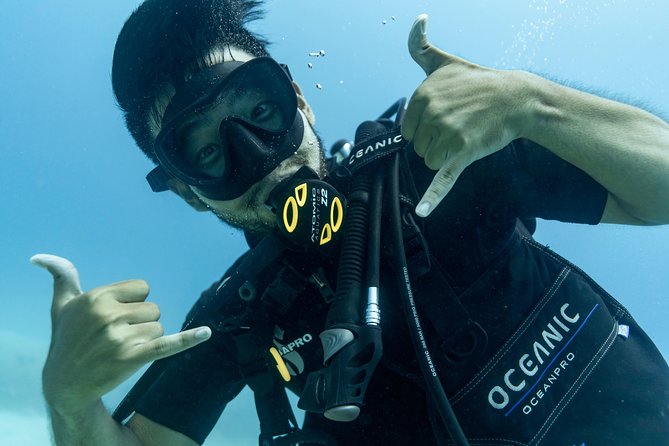
This is the kind of scuba outing that makes sense for first-timers who want more than a “watch-me” experience. You’re not just getting gear and dropping in somewhere random. You’re working through a structured intro so you leave understanding how your breathing, buoyancy, and signals work underwater.
The big value for me is that it’s built around a two-tank plan. That means you get one underwater session to learn and settle, then a second tank to actually look around and enjoy what Hawaii is famous for—turtles, rays, and reef life.
You’ll also notice the operator leans hard into safety and professionalism. The staff is described as using real PADI-certified professionals (with EFR and Open Water ACTIVE types mentioned), not “expired” or student-style guidance. That matters because when you’re new, confidence comes from clear instruction and constant gear checks.
You can also read our reviews of more boat tours in Oahu

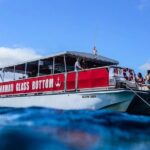
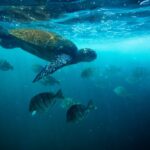
What the two-tank plan means for first-timers
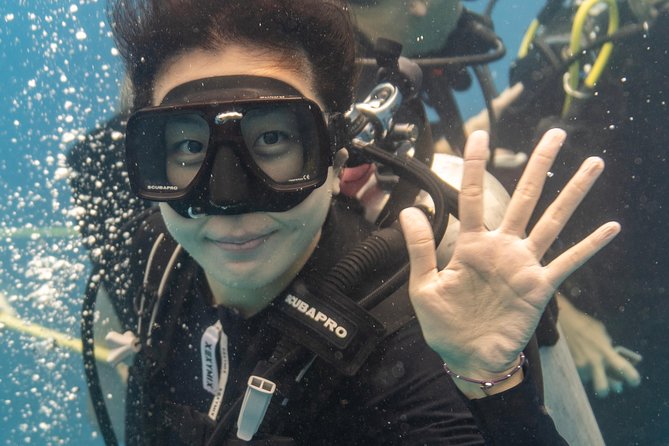
For a beginner-friendly outing, the pacing is everything. Here, the first tank is set up for skills. One common pattern is a controlled descent along a rope to about 50 feet, where you practice the basics taught during the pre-water instruction.
After that, you swap tanks. Then you shift from learning to exploring. A typical second session is about 30–45 minutes depending on how quickly the group uses air. The reef portion is where you’re most likely to notice the living “characters” of the habitat—turtles resting, rays feeding, and fish that look like they were painted to fool your eyes.
You’ll also get a good sense of how your body feels at depth. That’s a key part of deciding whether you want to get certified later. Several people mention going on this outing as a first step, then planning to come back and possibly continue their training.
One practical tip from how this runs: if you tend to get anxious in new situations, choose an instructor who’s known for patience. I’d look for names like Chad, Josh, or Olga if that matters to you, based on the strongest feedback you were given here.
The route around Waikiki to the boat time
This isn’t a “sit in traffic all morning” tour. It’s a short day built around getting you to the water and keeping the total timeline tight (about four hours total).
You start at 424 Nāhua St, Honolulu, and the schedule includes a pickup-and-transfer style route through key spots around Honolulu and the Waikiki area. Along the way, you may pass places like Lanikai Beach, Diamond Head State Monument, Hanauma Bay Nature Preserve, and Ala Moana Beach Park, plus stops that cover the Waikiki and Honolulu zones.
Why this matters: it keeps the day from feeling like a pure transportation slog. You’re still spending most of the time on the real reason you booked—gear up, hit the water, and spend time watching sea life up close.
What to watch for: because you’re traveling as a group, you’ll want to be early and ready. There’s a 15-minute cut-out mentioned for late check-in. If you’re the type to “arrive right on time” without margin, build in extra buffer.
Marine life highlights you should expect to see
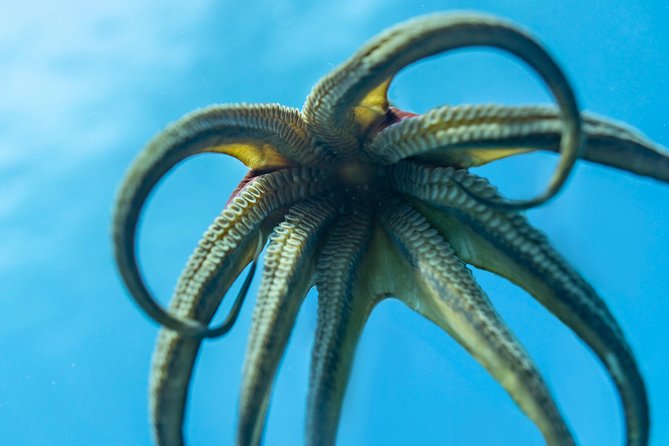
Let’s be honest: the ocean doesn’t promise animals on a schedule. But this outing is designed around ecosystems where sea turtles and reef fish are realistic sightings.
Here are the kinds of encounters repeatedly associated with this experience:
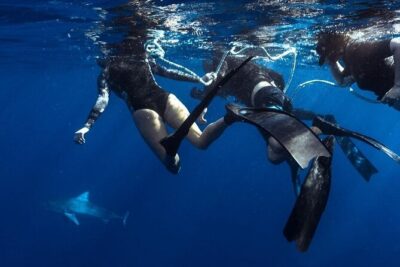
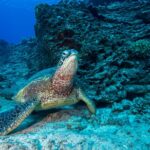
- Giant sea turtles: including sightings of turtles resting and then swimming up near divers.
- Rays, especially eagle rays: one report includes eagle ray feeding.
- Reef sharks: mentioned as part of the animal mix.
- Octopus: people describe even small octopus sightings and gentle “petting” moments when things line up safely.
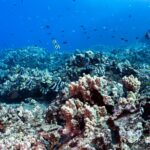
- Eels and colorful reef fish: including bright patterns and lots of movement close to the reef.
- Coral and invertebrates: urchins and other reef life show up often in beginner-friendly depth ranges.
One extra detail that’s worth knowing: the captain and crew sometimes help fish appear in your field of view. That can sound like marketing, but when you’re new, it’s the difference between “I saw something once” and “I understand the habitat.”
If you’re hoping for turtles, the best mindset is to stay calm and slow down during the skills portion. Once you’re comfortable and buoyant, you’ll spend less energy and look longer at what’s around you.
Gear, gear checks, and why beginners feel safer here
All equipment is included, along with water and snacks. That’s a real value point because scuba gear plus transport can add up fast if you have to piece it together yourself.
What I like most for beginners is the emphasis on ongoing gear checks. Multiple people specifically call out instructors who constantly monitored their setup to keep them comfortable. That’s huge for first-timers because most problems underwater are gear-and-setup problems, not “you did something wrong” problems.
You should also know the experience includes instruction and coaching in real conditions, with small groups. The tour is capped at 16 travelers, and the material you were given emphasizes instructor-to-student ratios kept tight (under a 6-to-1 standard is mentioned).
Also, you’ll get clothing and sizing requests during booking (shoe size and T-shirt size). That signals the operation plans gear fitting rather than doing it in a rushed scramble.
You can also read our reviews of more scuba diving tours in Oahu

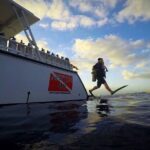
Price and value: what $299 covers on this half-day
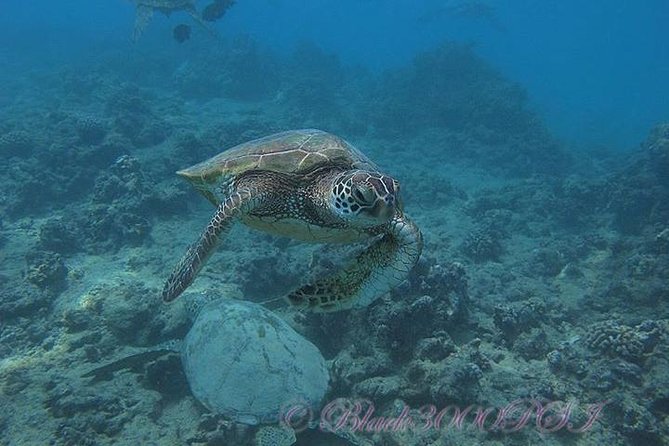
At $299 per person for about four hours, this isn’t the cheapest way to try scuba in Hawaii. But it also isn’t priced like a bare-bones boat ride with minimal coaching.
Your money goes to:
- real open-water training (not just a quick beach setup),
- full equipment rental,
- a structured two-tank plan for beginners,
- and a safety-first instructor setup with smaller groups.
If you’re comparing options, ask yourself what you’re buying: “a chance to see turtles” or “a safe, learn-something scuba experience that fits your first day underwater.” This one is the second option.
And if you want even more attention, the operator mentions private instructor possibilities. That’s the route for people who know they’ll want a slower, more custom pace.
Weather reality: when the reef looks different
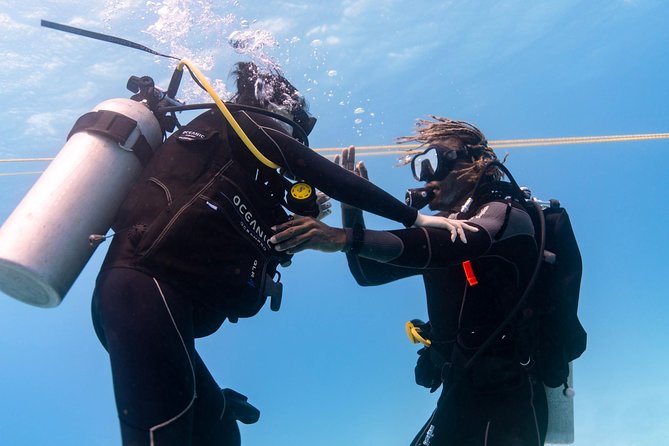
This experience is weather dependent. That’s not a complaint; it’s how ocean days work.
In rougher conditions, the most common complaint you were given is visibility. One example notes rainy-season visibility around 10–15 feet, plus a sense that the reef setup didn’t feel as dramatic.
When visibility drops, your experience still can be good—especially if you’re focused on skills and animal behavior close to the reef—but it won’t look like the top-shelf photos. You might see turtles and fish, but the “wow” distance effect is reduced.
So here’s my practical advice: if your schedule allows, aim for clearer weather days. If not, treat it like a training and animal-behavior outing, not a postcard day.
Logistics that can make or break your day
These trips run on timing. The ocean doesn’t wait for you, and the crew has to manage safety and group ratios.
A few logistics points that are worth taking seriously:
- You must pass a PADI medical questionnaire for beginners, and you may need a doctor’s consent if you have identified conditions. That consent is required at check-in.
- You must remain sober. Alcohol before the session is not allowed, and the operator can deny participation if safety concerns come up.
- Don’t plan to fly immediately after a scuba outing. For the shallow two-tank profile mentioned, you’re advised not to catch a flight within 18 hours. For deeper plans (60–100 feet) it’s 24 hours.
Also, bring the basics: closed-toe shoes for fitting and comfort, plus a watchful attitude about arriving on time. One reason I like operators who state cut-off rules is that it usually means the trip runs efficiently once it starts.
Who should book this and who should skip it
This outing is best for:
- complete beginners who want a real intro with coaching,
- people returning after a long break from scuba,
- anyone whose priority is sea turtles and reef life in a beginner-friendly depth range.
It may not be ideal if:
- you’re expecting a purely scenic day with long stops,
- you’re flying soon and can’t build in the recommended time buffer,
- you’re going during a period when rain and low visibility are common for your dates.
The physical requirement is described as moderate fitness. If you’re comfortable with steps, getting gear on/off, and handling short periods of motion on a boat, you’ll likely be fine.
If things go wrong: what to expect and how to protect yourself
No operator gets it perfect every time, and a balanced review means acknowledging friction points.
The main issues mentioned in the feedback you were given fall into three buckets:
- Conditions and visibility when weather isn’t cooperative.
- Scheduling and group flow, including reports of feeling the timing changed or the group dynamic felt chaotic at the moment of entry.
- Refund expectations, including examples where cancellations due to weather were handled through booking platforms and could take time to process.
How you protect yourself:
- Keep your day flexible and avoid tight connections.
- Arrive early enough that you’re never near the cut-out.
- If you need a special request, handle it clearly at the shop and keep expectations aligned with the operator’s policies.
If you want the best shot at a smooth experience, pick a time when conditions tend to be calmer and choose an instructor known for patience if you can.
Should you book this giant sea turtle scuba tour?
I’d book it if your goal is simple: get real ocean scuba instruction in Hawaii, with a strong chance of seeing giant sea turtles, plus rays, reef sharks, and octopus, and you want that experience led by professionals who take training seriously.
I would think twice if you’re sensitive to visibility changes due to rain, or if you can’t follow the no-flying-after and medical consent rules. This is still a real ocean activity, and the rules are there for a reason.
If you do book, my best decision tip is this: match the instructor style to your needs. If you want extra reassurance, look for instructors such as Chad, Olga, or Josh, since that’s where the feedback became the most consistent about patience and gear checking.
FAQ
How long is the scuba tour?
It runs about 4 hours (approx.).
Where does the tour start?
The meeting point is 424 Nāhua St, Honolulu, HI 96815, USA.
Do I need to be certified?
No experience is listed as required. The experience is described as an introduction for first-timers, with training provided by professional instructors.
What’s included in the price?
Full equipment rental, water, and snacks are included. Lunch is not included.
Is the tour only for beginners?
It’s designed for first-timers, and it also references comfort and instruction for people who are new or returning. Beginners must complete the required medical questionnaire.
How deep will I go?
The shallow two-tank plan is described around 40–60 feet. A deeper option is mentioned elsewhere at 60–100 feet.
What marine life can I realistically expect?
Sea turtles and tropical fish are core targets. Other sea life mentioned includes rays, reef sharks, octopus, and eels. Dolphins are mentioned as possible.
What if the weather is bad?
The experience requires good weather. If it’s canceled due to poor weather, you’ll be offered a different date or a full refund.
Do I need a doctor’s consent?
You must complete the PADI medical questionnaire. If you have identified conditions, a doctor’s consent is required to go diving and must be presented at check-in.
Is alcohol allowed before the tour?
No. You must remain sober and no drinking is allowed prior to going in the water.