REVIEW · OAHU
Oahu Circle Island Tour with Waimea Waterfall
Book on Viator →Operated by Go Tours Hawaii · Bookable on Viator
Diamond Head to Waimea Waterfall in one long day. This Go Tours Hawaii circle-island route stacks coastlines, history, and movie sets into a single, guided swing that’s built for first-time islanders and people who hate car logistics.
I like that you get waist-deep planning relief—pickup in Waikiki, an air-conditioned bus, a professional guide, and key admissions handled—so you can focus on the views. I also like the payoff at the end: Waimea Valley’s waterfall swim setup (lifejackets and lifeguards) turns a scenic stop into an activity.
The main consideration is simple: it’s a long day, and timing depends on road conditions and group size. If you’re picky about lunch time or you want long hangs at every site, you might feel the squeeze.
In This Review
- Key highlights you’ll actually care about
- Circle Island With Waimea Valley: Why This Day Works
- Morning in Waikiki: Kapiʻolani Park and the Diamond Head Photo Arc
- From Blowholes to Windward Cliffs: Halona, Makapuʻu, and Waimānalo
- Nuʻuanu Pali Lookout: Big Wind, Bigger History
- Coffee, Macadamia Tastings, and Kualoa’s Movie-Set Coast
- North Shore Food Stops: Fruit Stands and Lunch You Can Plan For
- Sunset Beach, Pipeline Area, and Sharks Cove Views
- Waimea Valley and the Waterfall Swim: The Best Payoff, With a Real Walk
- Dole Plantation and the Return Drive: Souvenirs Plus Honolulu Stops
- Price and Logistics: Is $154 a Good Deal for This Kind of Day?
- Who This Tour Fits Best (and Who Might Prefer Something Else)
- Should You Book This Tour?
- FAQ
- How long is the Oahu Circle Island tour?
- What time does the tour start and where is pickup?
- What admissions are included?
- Can I swim at Waimea Waterfall?
- Is the Waimea Waterfall walk easy?
- Is food included, or should I budget for lunch?
- What group size should I expect?
- Are service animals allowed?
- My Booking Advice: The fast yes/no
Key highlights you’ll actually care about
- Waimea Valley waterfall time includes swimming access, plus lifeguards and lifejackets, but the walk is real (1.5 miles roundtrip).
- North Shore icons without the rental car stress, with planned stops tied to Sunset Beach, Pipeline area, and Sharks Cove views.
- Guide-led pacing with frequent photo stops, so you get context for why each place matters.
- Kualoa Valley movie locations and the Chinaman’s Hat (Mokoli’i) area, seen from the road and photo vantage spots.
- Local tastings at a macadamia and Kona coffee stop, plus fruit stands on the windward-to-North Shore swing.
Circle Island With Waimea Valley: Why This Day Works
This tour is built for a very specific kind of traveler: you want a big chunk of Oahu, you don’t want to drive all day, and you still want your day to feel guided instead of random. With an approx. 8-hour schedule starting around 7:00am from Waikiki, it’s a full-day sampler that hits famous coastlines and viewpoints in a logical order.
What makes it more than a checklist is the guide format. You’re not just getting dropped at lookouts; you’re getting stops with enough interpretation to make the scenery stick in your head. In reviews, guides like Bill and Ian come up often for history and smooth timing, while RJ and Charlie are praised for keeping the day engaging and fun.
Price-wise, it’s not cheap on paper at $154 per person, but it becomes easier to justify when you add up what you’re actually paying for: transportation with pickup/drop-off, a professional guide, and admission to Waimea Botanical Gardens and Waimea Waterfall. Food is not included, so you still need to budget cash for lunch and snacks.
You can also read our reviews of more tours and experiences in Oahu.
Morning in Waikiki: Kapiʻolani Park and the Diamond Head Photo Arc
You start early with a Waikiki pickup—your exact time depends on your hotel and is assigned after booking. Once you’re moving, the day kicks off near Kapiʻolani Park, a major Honolulu green space that traces back to royal gifting in the late 1800s. You’ll also pass by the Waikīkī Aquarium in the Kapiʻolani area, a historic marine research center founded in 1904.
Then the tour turns toward Diamond Head State Monument, where the main draw is the elevated view over Waikiki’s southeast coastline. From the Amelia Earhart Lookout area, you can line up big picture photos—on clear days, you may even spot far-off coastline views. The point here isn’t just photos; it’s orientation. You get a mental map of how Waikiki sits against the volcanic wall of the island.
A quick practical tip: this is early-day light. If you care about photos, plan to be ready on arrival and don’t waste time rummaging for gear.
From Blowholes to Windward Cliffs: Halona, Makapuʻu, and Waimānalo
After Diamond Head, the route shifts into a classic coastal sequence: volcanic formations, blowhole drama, and coastline viewpoints. One of the more unique stops is the Halona Blowhole area. The blowhole formation is tied to lava tubes from older volcanic activity—when ocean surf pressure is just right, water can erupt through the narrow opening. You’re viewing nature’s plumbing, not a man-made attraction.
Next comes the area around Eternity Beach (Halona Cove), known for its movie fame, including the iconic From Here to Eternity kiss scene. This is one of those stops where you get a visual sense of Oahu’s rugged coast: gold sand wedged between lava cliffs, with water colors that look striking even when conditions are windy.
The tour also passes through the Makapuʻu Point region and looks out toward Rabbit Island (Manana Island). It’s a good “windward side” reality check: cliffs, sea mist, and a coastline that feels more dramatic than Waikiki’s flat horizon. Waimānalo Beach follows as a contrast—powdery white sand and turquoise water along a calmer shoreline.
If you’re prone to motion sickness, mornings on Oahu roads can be curvy. I’d keep that in mind when you’re settling into your seat.
Nuʻuanu Pali Lookout: Big Wind, Bigger History
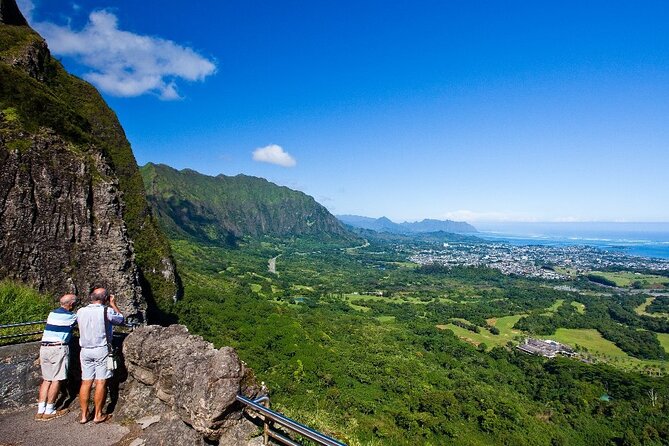
The Nuʻuanu Pali area is where the day often starts to feel epic. The Koʻolau Mountains rise up behind you, and the lookout gives you a wide perspective across Oahu’s windward side.
The cultural context matters here. The Pali Lookout marks the battleground where King Kamehameha I is associated with unifying the islands. You’re not just staring at cliffs; you’re hearing why this spot is part of the island’s story. Even if you’ve visited other lookouts, this one tends to feel more tied to people and turning points.
Time at the lookout is short, around 20 minutes in the planned rhythm, so come in ready to look up and around. Wind can be strong at this height—bring something light you can manage when gusts hit.
Coffee, Macadamia Tastings, and Kualoa’s Movie-Set Coast
You’ll get a local stop for Kona coffee and macadamia nut tastings at a shop under banyan trees. Admission here is free, and the experience is more than eating snacks: it’s a chance to understand what Hawaii sells best and why these flavors show up in everyday island life. If you’re the type who forgets to buy gifts, this stop also helps you kickstart souvenirs without hunting later.
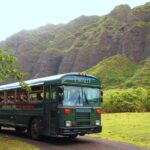
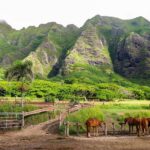
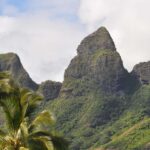
From there, the route moves into Kualoa Valley territory. You’ll see areas tied to Chinaman’s Hat (Mokoliʻi), plus the broader Kualoa setting associated with filming, including Jurassic Park. Even when you only get road-view glimpses, the cliff-and-valley shapes help explain why producers keep coming back to Oahu for this look.
A few other drive-by sights in this stretch help round out the North Shore vibe. You may pass the Lāʻie Hawaiʻi Temple—described as the first LDS temple built in the Pacific—and you’ll see other coastal valleys along the way. The point isn’t religious tourism; it’s learning the island geography as a lived-in place with multiple histories.
One real-world note: this segment can feel busier because it’s the transition from scenic coasts into the North Shore food and beach portion of the day.

North Shore Food Stops: Fruit Stands and Lunch You Can Plan For
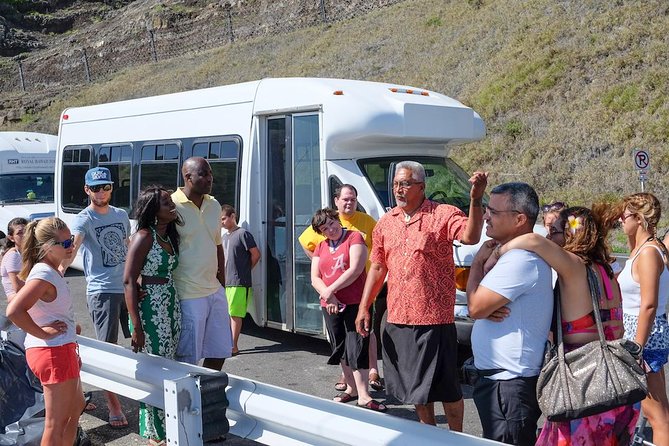
Once you move deeper into the North Shore swing, the tour leans into eating at stops built around local produce. There’s a Kahuku Farms fruit stand stop where you can graze on mangos, dragonfruit, pineapple, and sip fresh coconut. Later, you’ll see another North Shore fruit stand with more tropical options.
Lunch is part of the plan and is described as famous North Shore Garlic Shrimp. The tour doesn’t list a set menu time for you in the itinerary details, but a couple of review comments highlight that lunch can run later when traffic or routing gets messy. So if you have diabetes or strict meal timing needs, I’d treat lunch as a flexible target and plan a small backup snack you can carry.
Also remember this: food and drinks are not included. You’ll want cash on hand for lunch and for gratuities. One review specifically mentioned no ATMs along the route, which is the kind of detail that can quietly ruin an otherwise great day.
Sunset Beach, Pipeline Area, and Sharks Cove Views
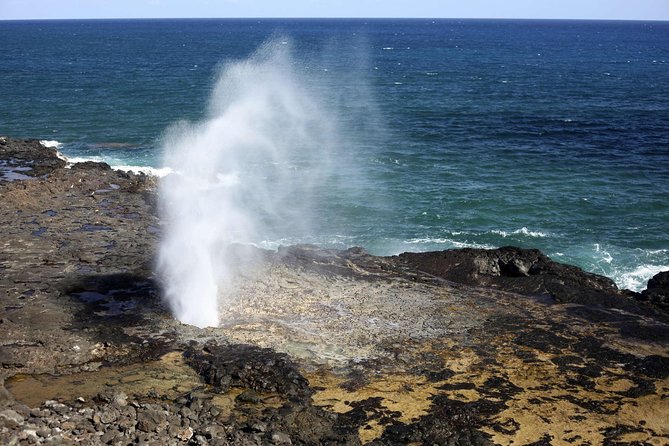
This is the classic North Shore photo and sea-air zone. Sunset Beach is usually calmer than Waikiki, but in winter the tour notes that swells can reach 30 to 40 feet. Even if you don’t surf, that detail helps you understand why this coast has a reputation: the ocean here can go from scenic to serious fast.
You’ll also be driven by the Banzai Pipeline area, the surf spot tied to major competitions. Again, you’re not here to rent a board; you’re here to see why the North Shore is famous for waves that draw pros.
Then there’s the Sharks Cove region, a rocky bay with crystal-clear water and marine life you can associate with snorkeling tide pools. Even from the viewing angle, it makes sense—lava rock creates natural pockets where fish collect.
If you get motion sickness or you hate heat, you’ll still want a water bottle. North Shore roads and stops can keep you out in the sun longer than you expect.
Waimea Valley and the Waterfall Swim: The Best Payoff, With a Real Walk
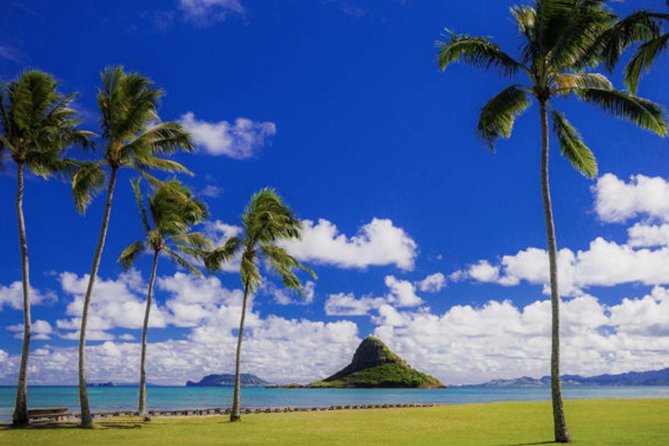
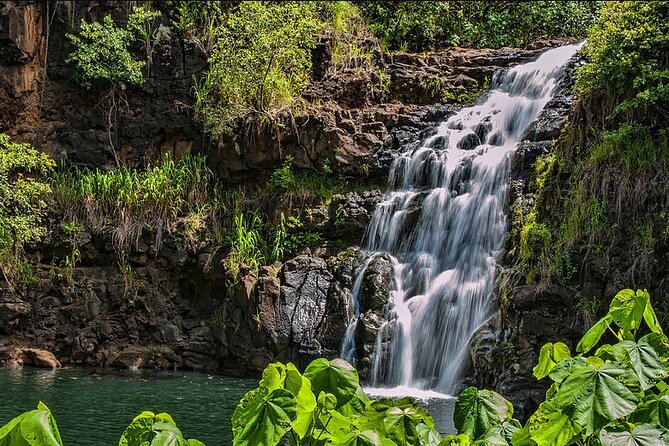
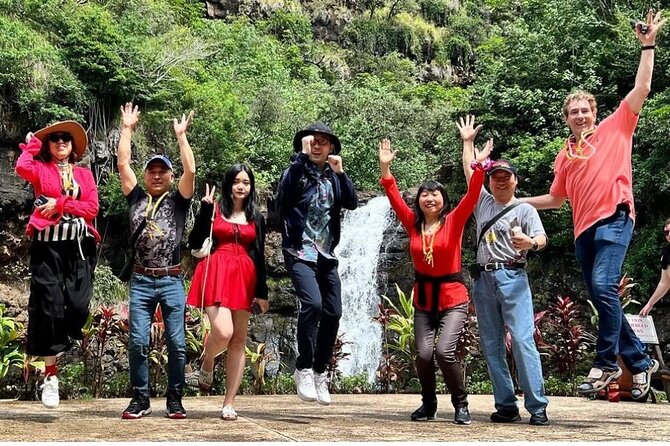
This is the stop that most strongly changes the tone of the day. Waimea Valley includes botanical gardens plus access to Waimea Waterfall, and it’s one of the few parts of the trip that feels like an actual nature experience rather than a quick drive-by.
A key detail: it’s a 1.5 mile roundtrip walk from the main area to the waterfall. There is a $10 tram, but it’s not included in your tour price. If you want the most relaxed experience, go into this stop with realistic pacing and shoes that won’t slip.
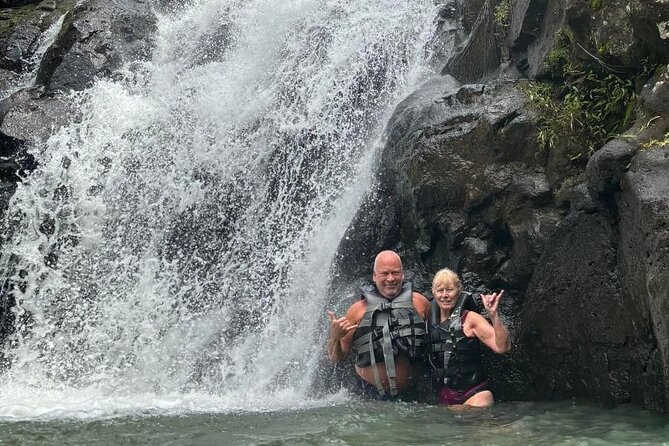
You can swim at the waterfall. Lifeguards are on duty, and lifeguards plus lifejackets are available for guests who want to get in. If you do plan to swim, bring a bathing suit and towel—this is one of those days where you’ll be glad you thought ahead.
The gardens are also described in a way that matters: the collection includes plants from multiple regions like the Ogasawara Islands, Central and South America, Fiji, Guam, and the Mascarene Islands, plus Hawaiian plants, including ones that are rare or endangered. That makes the botanical stroll feel connected to Hawaii’s role as a place shaped by trade routes and natural growth.
Some people wish they had more time at the waterfall portion. If swimming is your top priority, treat your time here as a plan, not a wander.
Dole Plantation and the Return Drive: Souvenirs Plus Honolulu Stops
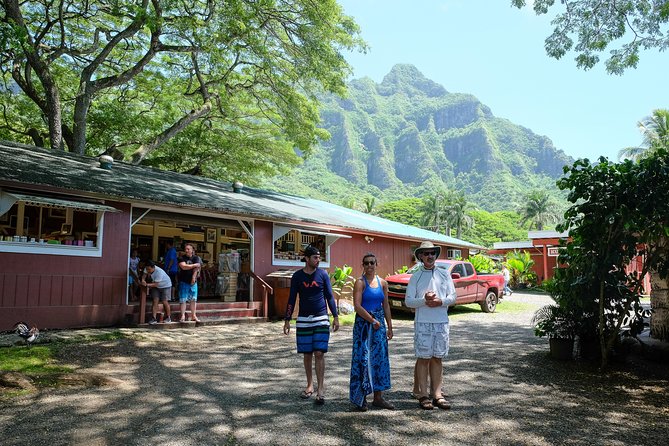
The day ends with a final stop at the Dole Plantation, where the main practical draws are Dole Whip and pineapple-themed souvenirs like magnets and shirts. The tour time at Dole is listed at about 30 minutes, so you’ll want to know what you’re doing before you arrive: order the ice cream fast, grab what you need, and do a short walk around.
On the return, you may also pass by or stop near key Honolulu landmarks. Pearl Harbor is described as visible in the distance. The tour also includes a stop at ʻIolani Palace, the only royal palace in the U.S., and the King Kamehameha Statue that honors the ruler credited with unifying the islands.
That mix—North Shore ocean today, Honolulu landmarks today—works well if you want both sides of the island story without scheduling extra days.
Price and Logistics: Is $154 a Good Deal for This Kind of Day?
At $154, you’re paying for a guided, full-island loop that includes transportation and Waimea Valley admission. You’re also buying convenience: pickup/drop-off in Waikiki, an air-conditioned vehicle, and a guide to keep the day moving.
Where the price can feel tight is meals. Food and drinks aren’t included, and you’ll be paying cash for lunch and drinks plus possible gratuities. If you like trying local food in multiple places, you’ll spend more anyway—but at least it’s predictable. If you want everything priced up front, you’ll likely feel the friction here.
A few practical logistics points to keep your expectations grounded:
- The group max is 40 travelers, so boarding and exiting can slow down at crowded stops.
- If weather is rough, the experience needs good conditions; the tour can change dates if conditions aren’t right.
- The day is structured, so you get a wide sweep instead of deep time at one attraction.
When this tour shines is when you’re the kind of visitor who wants to see a lot of Oahu, get oriented fast, and then decide what to revisit later.
Who This Tour Fits Best (and Who Might Prefer Something Else)
This is a great fit if you’re:
- Visiting Oahu for the first time and want a wide-angle feel for the island.
- Short on days and don’t want to coordinate multiple rides and tickets.
- Comfortable with a moderate walk at Waimea Valley and the idea of optional waterfall swimming.
It may not be the best fit if you:
- Need strict meal timing—some timing can stretch due to traffic and routing.
- Want long stays at fewer stops. This is a “see it all” style day.
- Are very sensitive to bus comfort. A couple of comments point to AC that could be stronger, especially in hot stretches.
If you’re traveling with kids, the tour is still doable, but plan around the long day and Waimea’s walk. If your group includes older adults, decide early whether the tram at Waimea is worth it to you.
Should You Book This Tour?
Yes, book it if your goal is to get the island’s major hits in one guided day—Diamond Head views, windward cliffs at Pali, North Shore sea stops, and the standout waterfall time at Waimea Valley. The combination of local tastings, scenic drive structure, and the fact that Waimea admission is included makes this a sensible value for a first Oahu trip.
I’d hesitate if you’re chasing a relaxed pace, have strict dietary timing needs, or you expect food to be included. In that case, you may be happier with smaller, food-focused tours—or planning your own route with fewer stops.
If you do book, bring comfortable walking shoes, cash for lunch and tips, and your swimsuit for Waimea. That combo is the difference between a good day and a day you’ll remember for the waterfall moment.
FAQ
How long is the Oahu Circle Island tour?
The tour runs about 8 hours (approx.), with pickup in Waikiki and a return to the meeting point at the end of the day.
What time does the tour start and where is pickup?
Pickup is in Waikiki, with the tour starting around 7:00am. Your exact pickup time depends on your hotel and is assigned after you provide your information.
What admissions are included?
Waimea Botanical Gardens and Waimea Waterfall admission is included in the cost. Other stops listed include free admission where noted, but Waimea is the key included ticket.
Can I swim at Waimea Waterfall?
Yes, swimming is allowed at Waimea Waterfall. Lifejackets are provided and lifeguards are on duty.
Is the Waimea Waterfall walk easy?
It’s a 1.5 mile roundtrip walk to and from the waterfall. A $10 tram is mentioned as an option, but it is not included in the tour price.
Is food included, or should I budget for lunch?
You’ll want money for food and drinks. Lunch and snacks are not listed as fully included, and the tour data advises bringing cash for lunch and gratuities.
What group size should I expect?
The tour lists a maximum of 40 travelers.
Are service animals allowed?
Yes, service animals are allowed.
My Booking Advice: The fast yes/no
Book it if you want guided structure plus the big payoff of Waimea’s waterfall experience without driving yourself. Pass or adjust expectations if your priority is long downtime at fewer places, or if you rely on strict meal timing.