REVIEW · OAHU
7 Day Pass LeaLea Trolley and Waikiki Trolley Pink Line
Book on Viator →Operated by LeaLea Tours · Bookable on Viator
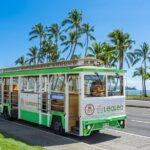
First time in Honolulu? You get your bearings fast. This 7-day LeaLea trolley pass for the Waikiki Trolley Pink Line is one of the easiest ways to zigzag across Oahu without constantly figuring out routes. I like that it serves big, recognizable landmarks and hotel-area stops, so you can hop on and off as your day unfolds.
Two things I really like: the ride coverage is wide, hitting places people usually save for separate trips, and the on-board guidance is in English narration. Even better, staff at the Royal Hawaiian departure point were helpful, and the trolleys actually seemed to keep to their schedule.
One drawback to plan around: the trolley ride itself can feel a bit harsh. Seats are hard wooden benches, and bumps on Oahu streets can translate into loud, firm jolts. Add to that occasional loud music picked by the driver (including rap in one account), and you may want to mentally prepare for less-than-spa comfort.
In This Review
- Key things to know before you buy the Pink Line pass
- Why this Pink Line trolley pass works for Oahu first-timers
- Price and what $82 buys you on a 7-day pass
- Hours, narration, and the ride vibe: what to expect on board
- Waikiki hopping: from Royal Hawaiian Center to Hilton Hawaiian Village
- Town and culture in one trolley route: HoMA to Bishop Museum to Iolani Palace
- Kaka’ako and Ward Village: shopping, food, and a more local stretch
- Kaimuki to Diamond Head: markets, cafes, and the “in-between” neighborhoods
- East Oahu highlight stretch: Hanauma Bay, Halona Blowhole, Sea Life Park
- How to use the pass like a pro (without losing time)
- Who this trolley pass suits best
- Should you book the LeaLea 7-day trolley pass for the Pink Line?
- FAQ
- What is included with the LeaLea 7 Day Pass for the Waikiki Trolley Pink Line?
- Is admission to attractions included?
- How long does the experience take?
- What is the cost per person?
- What hours does the service run?
- What language is the narration offered in?
- Where does the trolley stop?
- Can I cancel for a full refund?
- How far in advance do people typically book?
Key things to know before you buy the Pink Line pass
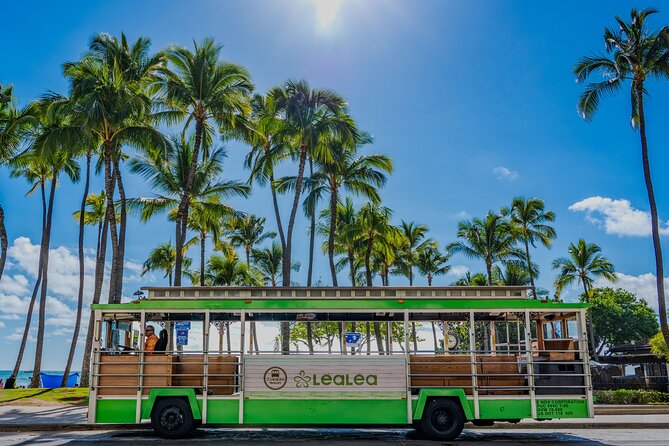
- Long-stay value: You pay once and can use the trolley across multiple days.
- English narration: The commentary is delivered in English.
- Big-name stops: Waikiki hotels, Ala Moana Center, HoMA, Bishop Museum, and Iolani Palace are all on the route.
- Easy add-ons: You can pair trolley rides with shopping stops like Don Quijote and Walmart areas.
- Ride comfort trade-off: Hard benches and no soft suspension are part of the deal.
- Music control is hit-or-miss: Some drivers keep music loud, so expect that possibility.
Why this Pink Line trolley pass works for Oahu first-timers
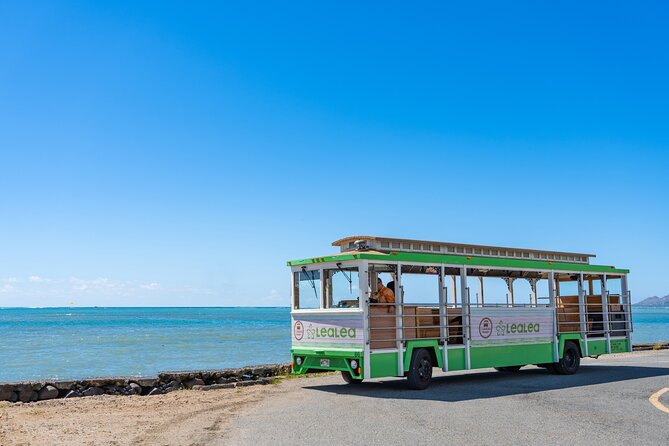
If your goal is to see more than Waikiki beach photos, the trolley is a smart shortcut. The route is built around places you’d otherwise need two or three separate logistics plans to reach: hotel clusters, shopping anchors, and key Honolulu sights.
The biggest win is flexibility. With hop-on/hop-off style service, you can stay on longer when you want, or jump off when a stop catches your interest. That matters in Honolulu because weather and energy change fast—one afternoon you might want a garden or museum stop, and another you might just want to get back to Waikiki for a meal.
You can also read our reviews of more tours and experiences in Oahu.
Price and what $82 buys you on a 7-day pass
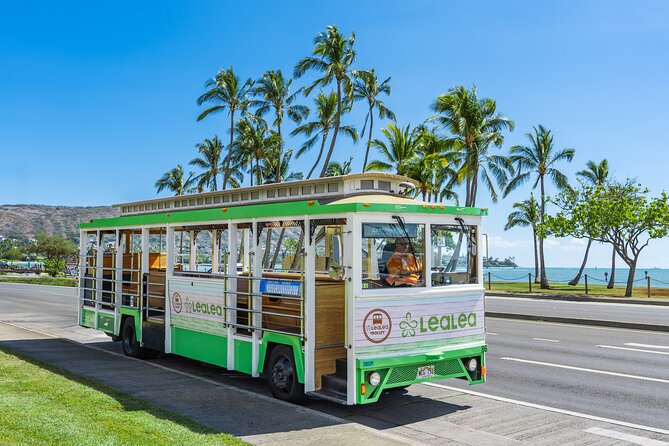
At $82 per person, this is priced like a budget way to move around Oahu instead of paying for taxis or rideshares for every jump. The real value is that you’re buying transportation time for multiple days, not a single guided excursion with admissions included.
Also: admission fees are not part of the pass. That’s important for planning. Stops like Bishop Museum, Iolani Palace, and attractions along the east side may cost extra if you want to go inside, so think of the trolley as your access tool, not your ticket wallet.
And because it’s commonly booked far ahead (on average about 82 days), you’ll often have smoother planning if you secure your pass early rather than waiting until the last week.
Hours, narration, and the ride vibe: what to expect on board
Service runs daily from 8:00 AM to 5:00 PM. That’s a practical window for sightseeing without feeling like you need to stay out late just to get your money’s worth.
On-board narration is in English, and the trolley runs with scheduled departures and arrivals at stops. One review also highlighted drivers talking and recommending photo spots, and even sharing history in Japanese with a passenger—so you may hear extra context along the way.
Comfort and sound are the only curveballs. Seats are hard wooden benches, and the ride can be loud over bumps. In addition, music volume and genre can vary by driver. One person reported being forced to listen to rap music with the volume turned up, which is hard to love when you’re trying to focus on stops or just enjoy the ride.
Waikiki hopping: from Royal Hawaiian Center to Hilton Hawaiian Village
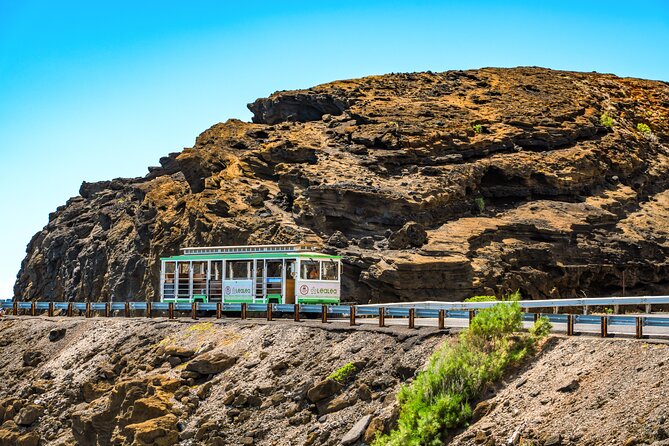
This Pink Line starts by working the Waikiki rhythm—hotel and shopping areas that make it easy to begin your day and end it the same way.
Royal Hawaiian Center
This is an easy starting point because it sits right where a lot of visitors already want to be. You’ll also find it useful as a reset zone: coffee, snacks, shopping, then back on the trolley when you’re ready to go.
Duke Paoa Kahanamoku Statue
This statue is one of those landmarks that helps you orient yourself in Waikiki. It’s a good “I’m really here” marker, and it can be a convenient reference point if you’re walking short distances between trolley stops.
The Twin Fin Hotel and Hotel La Croix
These stops keep the route close to Waikiki’s mid-range hotel strip. If you’re staying in that general zone, it’s a low-stress way to avoid long walks while still reaching the broader Honolulu grid.
Hilton Hawaiian Village Waikiki Beach Resort (Grand Islander 1F)
A major hub stop. If you’re staying near it, this is a great “main line” waypoint. Even if you’re not, it’s helpful because it’s a recognizable place to meet up.
Ala Moana Honolulu by Mantra and Ala Moana Center
Ala Moana is a key move for anyone who wants more than resort tourism. The trolley connects you here directly, so you can swap beach time for a larger shopping and dining area without figuring out separate transportation.
Prince Waikiki and the Waikiki shopping strips
These stops are designed for visitors who want to shop without turning the day into a walking-only exercise. When your feet get tired, hop back on.
Town and culture in one trolley route: HoMA to Bishop Museum to Iolani Palace
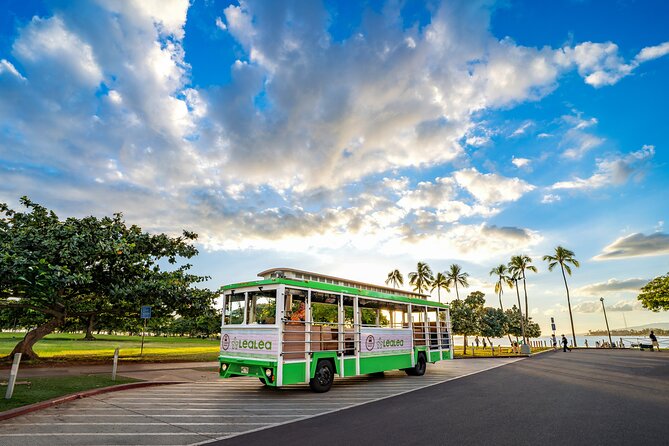
If you only ride within Waikiki, you’ll miss why Honolulu feels so layered. The best part of this pass is that it carries you into the historic and museum-focused parts of town.
Honolulu Museum of Art (HoMA)
A strong option if you want something calmer than beach crowds. HoMA also works well as a “slow your pace” stop—art and indoor time can be a smart move during the hotter hours of the day.
Hawaii State Capitol
This stop gives you a sense of the government center and the civic side of the city. You might not spend long here, but it’s useful for seeing how the city is organized beyond Waikiki.
Foster Botanical Garden
A green pause can be a relief, especially if you’ve been walking in the sun. Even if you don’t plan a long garden visit, the trolley stop makes it easy to decide on the spot.
Bishop Museum
This is one of the most praised stops on the route. If you want a single “big cultural anchor” in Oahu, this is it. Since admission isn’t included, budget time and money if you plan to go inside. The value of the trolley is that it gets you there without a complicated plan.
Izumo Taishakyo Mission of Hawaii
This provides a different angle on Honolulu’s cultural landscape than museums and palaces alone. It’s a meaningful stop if you want a more spiritual, community feel rather than only exhibits.
Iolani Palace + King Kamehameha Statue
This is where the route becomes a history day. Iolani Palace is a high-priority sight for many first-timers, and pairing it with the nearby Kamehameha marker is a smooth way to connect the themes of place and story.
Neal S. Blaisdell Center
A practical stop for getting near major event venues and activity zones. If you’re timing your day around something happening, it can help you plan around it.


Kaka’ako and Ward Village: shopping, food, and a more local stretch
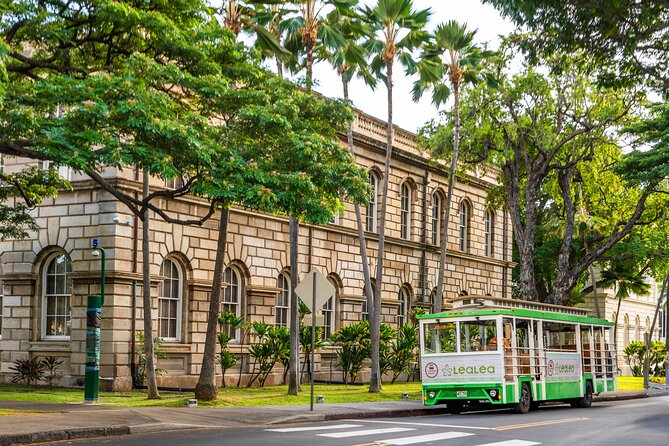
This trolley doesn’t only serve classic tourist zones. It also reaches places like Ward Village and the Kaka’ako area.
Ward Village (two different bus stop areas)
Ward Village stops matter because they’re close to dining and shopping options that feel different from the Waikiki beachfront bubble. It’s a good place to recharge and eat without heading all the way back to the hotel zone.
SALT at Our Kaka’ako
Kaka’ako is where you’ll find plenty of casual food energy and an artsy, local-adjacent feel. If you like grabbing a meal and wandering briefly, SALT is a convenient access point.
My practical advice: use these stops to break up a long day. Instead of forcing one mega plan, let the trolley carry you to a specific food or browsing moment, then move on.
Kaimuki to Diamond Head: markets, cafes, and the “in-between” neighborhoods
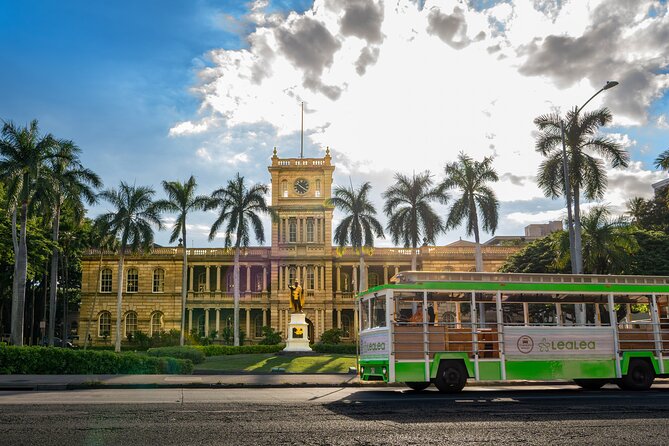
The route keeps going beyond the obvious, reaching areas where visitors often only pass through if they’re on a private car.
Bogart’s Café (Monsarrat Avenue)
A nice stop if you want a local-leaning café vibe rather than only resort dining. It’s also a good refresh moment if you’ve been hopping since the morning.
KCC Farmers’ Market
If you’re visiting during a market day, this is a great opportunity to grab snacks, produce, or small treats. Even without buying much, it’s a solid people-watching stop.
Diamond Head Crater + nearby Diamond Head Rd stop
This gives you easy access to one of Oahu’s most recognizable viewpoints. If you want to plan a hike, you can use the trolley stop as your staging point. If you don’t, you still get the convenience of being near the area.
Kahala Mall
Good for basics—snacks, drinks, and practical purchases—especially if you’re trying to avoid spending time hunting for what you need.
Kaimukī Community Park, Miro Kaimuki, Market City Shopping Center, Safeway
These stops are useful when your day needs errands or a quick “grab something and go.” They also make the trolley feel less like a tourist loop and more like a way to live like a local for a few hours.
Leonard’s Bakery + Side Street Inn On Da Strip
These are the kind of stops that help you make dinner decisions without overthinking it. If you’re the type who wants a straightforward plan for food, this route supports that.
East Oahu highlight stretch: Hanauma Bay, Halona Blowhole, Sea Life Park
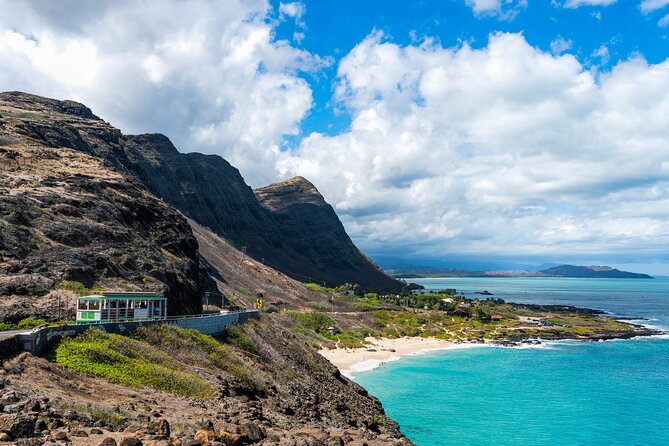
This part of the Pink Line is where the day turns into scenery. You’ll see the east side anchors that many people schedule as separate trips.
Hanauma Bay (15-minute photo stop)
You get a brief stop for photos. Because this is short, plan to keep expectations realistic. This is more about seeing the location than treating it like a full visit.
Halona Blowhole Lookout (15-minute photo stop)
Another quick view stop. Great if you want dramatic coastline energy without dedicating a whole day to driving.
Sea Life Park Hawaii
A longer attraction stop compared to the photo stops. If you’re interested in animal encounters, this is one of the more “pay attention here” points on the route. Admissions aren’t included, so factor in entry costs if you want the full experience.
Koko Head Park photo stop (listed near Lunalilo Home Rd + Anapalau St)
If you want a view-oriented break, the trolley’s stop placement helps you reach it without arranging extra transport.
Koko Marina Center + Hawaiʻi Kai Towne Center
These stops are a smart way to end an east-side sightseeing stretch with food or shopping. They also give you an easier landing if you want to head back toward your hotel afterward.
How to use the pass like a pro (without losing time)
Here’s how I’d structure a day so the trolley becomes an advantage, not a schedule burden:
- Pick one “must-do” culture stop. Bishop Museum or Iolani Palace are perfect anchors. Then build around them using the nearby route options.
- Use Waikiki for start and finish. With multiple Waikiki hotel and shopping stops, you can keep your day centered where you’re comfortable getting back on.
- Treat short photo stops as visual checkmarks. Hanauma Bay and Halona Blowhole are listed as 15-minute photo stops, so plan for quick viewing, not long lingering.
- Plan for extra costs at admissions-heavy stops. The trolley pass is only transport, so museums, palace visits, and attractions will likely require separate tickets.
- Expect the ride to be bumpy. If you’re sensitive to noise or discomfort, bring patience and plan for breaks between longer rides.
One more practical tip: since the trolley operates until 5:00 PM, don’t schedule your farthest east-side stop as your last plan unless you want to rush.
Who this trolley pass suits best
This is a great fit if you:
- Want budget-friendly movement across multiple parts of Oahu
- Prefer hop-on flexibility over a tightly timed tour
- Are excited by a mix of Waikiki plus at least a couple Honolulu sights like HoMA, Bishop Museum, and Iolani Palace
- Like having built-in options for food and errands via stops like KCC Farmers’ Market, Safeway areas, and various restaurant-adjacent stops
It’s less ideal if you:
- Need the smoothest, quietest ride (hard benches and loud bumping can bother you)
- Are bothered by music that might be played loudly by the driver
Should you book the LeaLea 7-day trolley pass for the Pink Line?
I’d book it if you want simple transport that connects Waikiki, major cultural stops, and at least some of the east-side highlights. For $82, the math works best when you ride enough times across the week to justify skipping multiple taxis.
I’d think twice if comfort and quiet matter more than price and coverage. This trolley can be functional and efficient, but it isn’t trying to be a cushy lounge.
If you’re planning a first trip and you want a “see more, stress less” approach, this pass is one of the easier ways to do it—especially when you want Bishop Museum and Iolani Palace without building a full transportation plan around each one.
FAQ
What is included with the LeaLea 7 Day Pass for the Waikiki Trolley Pink Line?
This includes only the Trolley Pass.
Is admission to attractions included?
No. The pass does not include admission or entrance fees.
How long does the experience take?
The duration is listed as about 3 hours.
What is the cost per person?
The price is $82.00 per person.
What hours does the service run?
It runs Monday through Sunday from 8:00 AM to 5:00 PM.
What language is the narration offered in?
The narration is offered in English.
Where does the trolley stop?
It includes stops across Waikiki and Honolulu, such as Royal Hawaiian Center, Duke Paoa Kahanamoku Statue, Hilton Hawaiian Village Waikiki Beach Resort, Ala Moana Center, Honolulu Museum of Art (HoMA), Bishop Museum, Iolani Palace, and additional stops like Ward Village and SALT at Our Kaka’ako.
Can I cancel for a full refund?
Yes. You can cancel up to 24 hours in advance for a full refund.
How far in advance do people typically book?
On average, it’s booked about 82 days in advance.