REVIEW · OAHU
Private Surf Lesson at Waikiki Beach
Book on Viator →Operated by Big Wave Dave Surf & Coffee · Bookable on Viator
Waikiki makes surfing feel close and personal. This private lesson at Waikiki Beach gives you structured coaching and wave-selection built for your ability, with the ocean in front of you almost immediately.
I like two things a lot here. First, you get customized instruction that adapts to where you are skill-wise, not a one-size approach. Second, the coaching is hands-on in real time, with the basics—paddling, positioning, and standing—repeated and corrected so you can actually use what you learn.
One drawback to keep in mind: private should mean only your group, but there has been at least one complaint about an extra person being added. On arrival, check that your session stays truly 1:1 and speak up early if something feels off.
In This Review
- Key Points Worth Knowing Before You Go
- Waikiki Beach Can Teach You Fast (If You’re Taught Right)
- Price and Value: Is $179 Worth a Private Lesson?
- Where You Meet and How the Lesson Starts
- The 90-Minute Itinerary: What Happens at Waikiki Beach
- How Private Coaching Changes Your First Waves
- Gear, Rentals, and What You’ll Need to Budget
- Safety, Fitness, and the Reality of Paddling
- Conditions at Waikiki: Waves, Crowds, and Wildlife
- Scheduling: Multiple Start Times for Busy Oahu Days
- The One Caution: When Private Isn’t as Private as It Should Be
- Should You Book This Private Surf Lesson?
- FAQ
- How long is the private surf lesson on Waikiki Beach?
- Is this a private experience for just my group?
- Where do I check in for the lesson?
- What language is the lesson offered in?
- What’s included in the lesson price?
- What rentals cost extra?
- Is photography included?
- Does the schedule include different start times?
- What happens if weather is bad or I need to cancel?
Key Points Worth Knowing Before You Go
- 90 minutes of coaching: enough time to learn the basics and try multiple waves.
- Start at Big Wave Dave Surf & Coffee: check in at the shop, then walk across the street to the water.
- True private format: only your group participates, so you get more attention than a group class.
- Beginner-first wave strategy: instructors aim you toward waves that match your first attempts.
- Extra rentals and photos cost extra: rash guard ($5) and lock ($5) are not included; photography needs advance reservations.
- Moderate fitness helps: expect paddling and an active, sometimes exhausting workout.
Waikiki Beach Can Teach You Fast (If You’re Taught Right)
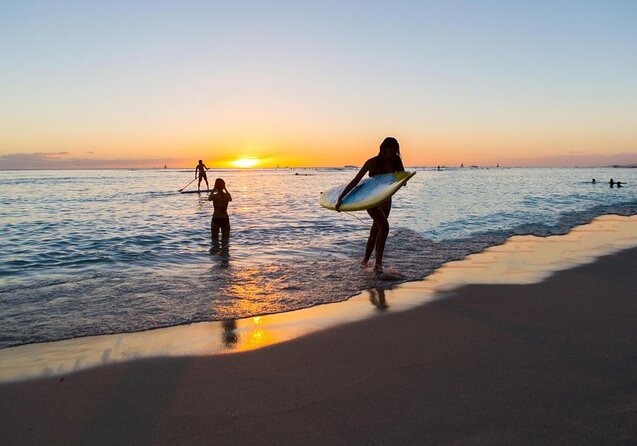
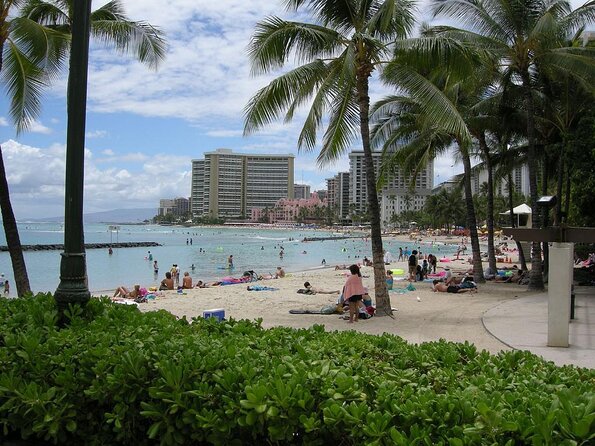
Waikiki is one of the best places on Oahu to try surfing because the scene is familiar, the shoreline is set up for lessons, and the water gives you lots of chances to practice. You’re not “wandering out into the ocean and hoping for the best.” You’re getting guided step-by-step coaching tied directly to what the waves are doing right then.
What makes this format feel efficient is the structure. You check in, get prepped for the ocean, and then you’re in the water learning the mechanics in the same session. That matters because surfing knowledge isn’t just theory—it’s muscle memory plus timing.
And yes, Waikiki can come with wildlife drama—in a good way. One rider even described seeing turtles right by their board. Even if you don’t see turtles, the lesson is still anchored to the real, awe-inspiring setting of Waikiki.
You can also read our reviews of more private tours in Oahu
Price and Value: Is $179 Worth a Private Lesson?
At $179 per person for about 1 hour 30 minutes, this is not the cheapest way to learn to surf. But it is built for what private coaching buys you: more direct corrections and more focus on your ability level.
Here’s how the value adds up. In a private session, the instructor can slow things down when you need it, and speed up only when you’re ready. That can shorten the time between instruction and a successful wave—something multiple learners highlighted, including beginners catching waves quickly.
Also, the lesson is run through a dedicated surf shop—Big Wave Dave Surf & Coffee—so check-in and on-land prep happen in a real, lesson-ready setup. If you’re time-pressed on Oahu, paying for speed and clarity can be the smart move.
One note on value: a few things cost extra. A rash guard rental is $5, and a lock rental is $5. Photography isn’t included and requires advance reservations. If you want those, budget a bit more so there are no surprises.
Where You Meet and How the Lesson Starts
You meet at Big Wave Dave Surf & Coffee, 226 Lewers St #154, Honolulu, HI 96815. It’s set up close to public transportation, which helps if you’re not planning to rent a car just for this.
Check-in starts at the shop. You’ll prepare for the ocean, then you walk across the street to get into the water. That short transfer is more important than it sounds. It cuts down on time spent wandering around in flip-flops and heat, and it helps you stay focused right up until you begin paddling.
The lesson is offered in English, and you receive a mobile ticket. That’s useful if you’re juggling a busy Hawaii schedule—no paper hunt required.
The 90-Minute Itinerary: What Happens at Waikiki Beach
This experience centers on one stop: Waikiki Beach. But that doesn’t mean it’s “just show up and surf.”
The session flow is clear:
1) Land prep at the shop: you get ready for the ocean before you hit the water.
2) Walk across the street to the surf spot: you transition quickly from instruction to practice.
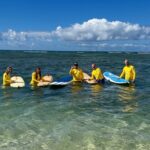
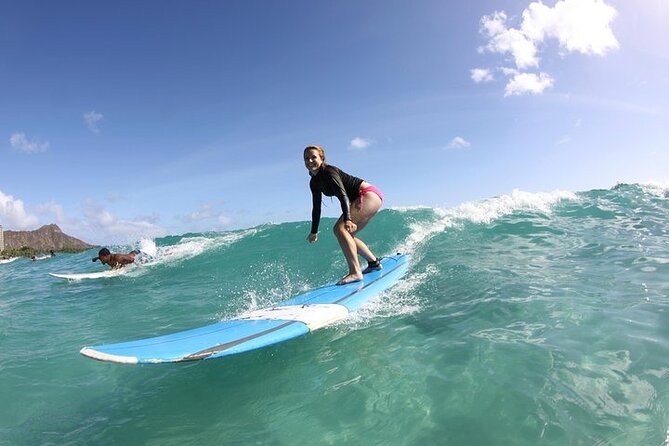
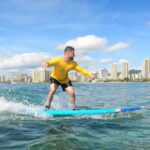
3) Surfing coaching in the water: the instructor works with you on positioning, paddling, and standing.
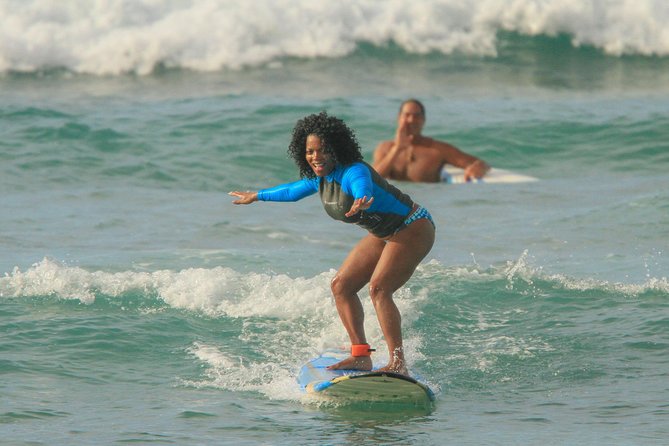
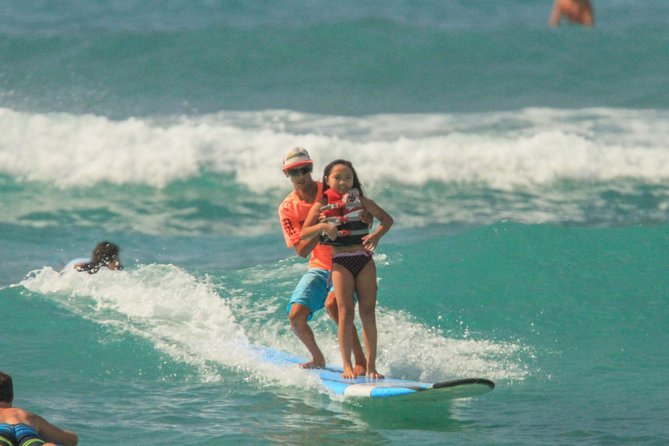
Instructors focus on basics that actually control outcomes. The goal isn’t just to keep you busy—it’s to help you position yourself, paddle with purpose, and pop up at the right moment. One solo surfer described being taught how to position, paddle, and stand, and then getting set up with waves that made first attempts realistic.
That kind of wave selection is huge. Catching a wave isn’t only about strength. It’s about starting from the right place relative to the wave and having timing that matches your current level.
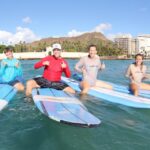
If you’re a parent, you’ll likely appreciate how this structure can keep kids from getting lost. Multiple families described being helped from land training into easy tips once they headed out. The “land basics first” approach also tends to reduce panic when students feel wobbly on the board.
How Private Coaching Changes Your First Waves
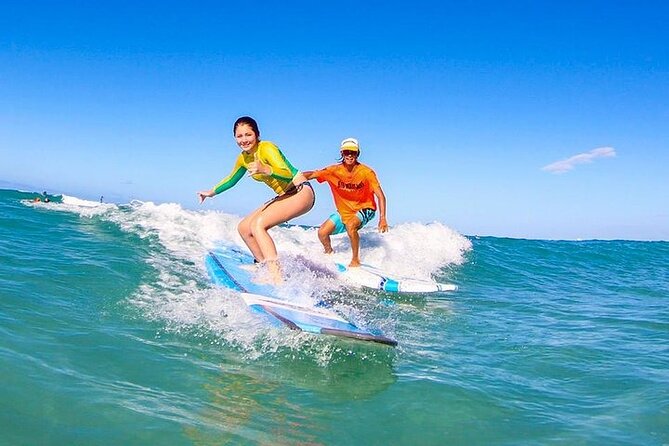
The strongest theme in the feedback is simple: when you’re right next to a coach, corrections get used immediately.
For example, several instructors are named in positive stories—Paulie, Madison, Lee, Paul, Josh, Leo, Paul and Aiden, plus others. While each instructor has their style, the common thread is what they correct: the tiny body positions and timing steps that make standing feel possible instead of random.
You can think of the private format like this:
- Group classes often teach the same basics to many people at once.
- Private sessions can tailor the pacing to how quickly you grasp each step.
That’s why one rider said they stood quickly and rode their wave all the way in after just a few trials. Another said they caught their first wave on the first attempt, even as a total beginner. These outcomes aren’t guaranteed, but the teaching method is designed to get you progressing rather than simply watching others go first.
One more thing: patience. A beginner can feel awkward in the water. Several people specifically called out instructors being patient and supportive, with encouragement that keeps you from freezing up when the board wobbles. If you’re introverted, this kind of calm coaching can make you feel safer to try again.
You can also read our reviews of more tours and experiences in Oahu


Gear, Rentals, and What You’ll Need to Budget
You don’t need to show up already fully kitted. But you should know what’s extra.
Not included:
- Rash guard rental: $5
- Lock rental: $5
- Photography: not included; photography requires advance reservations
If you want photos, plan ahead so you’re not scrambling at the beach. A quick way to handle this is deciding before the lesson whether you want that memory captured—because if it’s not reserved in advance, you might end up without it.
For the rash guard, you can treat it as a comfort and protection add-on. Waikiki sun and ocean salt can be a rough combo, and a rash guard can help you focus on surfing instead of dealing with irritation.
Safety, Fitness, and the Reality of Paddling
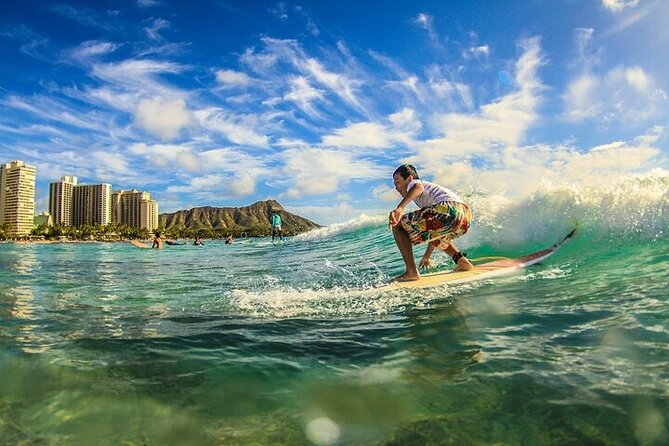
Surfing looks relaxed from the sand. Then you get out there and realize paddling is real work.
This lesson lists a moderate physical fitness level. That usually means you should be comfortable swimming enough to handle moving through the water while using paddling effort and balance.
One learner noted the session was physically exhausting, even with good instruction. That’s not a warning sign about the instructor—it’s just surfing math. You’ll work your arms and core, then try standing. Repeat a few times and you’ll feel it.
The good part is that the coaching should help you not waste energy. If the instructor corrects your paddle timing and positioning, you spend less time flailing and more time setting up the wave properly.
Conditions at Waikiki: Waves, Crowds, and Wildlife
Waikiki can vary day by day. The good news is that the lesson is designed around teaching on location, with the instructor directing where you start and how you attempt waves.
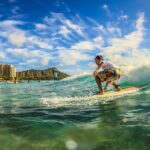
Some riders specifically mentioned calmer, less crowded surf time and getting tons of waves. Others focused on the long, easy waves that made it easier for beginners to stand and then continue riding.
And yes—wildlife is part of the experience. One person described seeing turtles close by during their attempts. Even if turtles aren’t guaranteed, you can expect the lesson to feel like something more than a classroom. You’re learning in the actual Waikiki surf environment.
Scheduling: Multiple Start Times for Busy Oahu Days
You can choose from multiple start times. That’s useful because Waikiki lessons can fit around jet lag, beach time, or other Oahu plans without forcing everything into one rigid window.
If you’re traveling with kids, start time matters for energy levels. If you’re with adults only, pick a time that makes you feel fresh enough to paddle and try multiple attempts without rushing.
This is also commonly booked about 10 days in advance on average. If you’re traveling in peak season or you have a specific day in mind, I’d aim to lock it in sooner rather than later.
The One Caution: When Private Isn’t as Private as It Should Be
Most instructors are described as attentive, patient, and focused. But there is at least one complaint about a situation where a private lesson wasn’t truly 1:1, and another where an instructor didn’t provide the level of guidance expected.
You can’t eliminate risk in any activity, especially one that depends on ocean conditions. But you can reduce it. When you arrive, confirm:
- Your session is only for your group
- You’re getting the instruction time you paid for
- You understand what equipment you’ll be using
If anything feels mismatched, speak up early. Surf sessions run on momentum, and getting clarity sooner usually prevents frustration later.
Should You Book This Private Surf Lesson?
Book it if:
- You want 1-on-1 coaching and you’d rather learn with personal corrections than in a larger group.
- You’re short on time and want a focused session that targets your ability level.
- You’re a beginner who benefits from patient, step-by-step guidance in the water.
- You value the Waikiki setting and want an efficient path from land prep to your first wave attempts.
Skip it (or compare other options) if:
- You’re extremely sensitive about guarantees of privacy and want absolute certainty with zero chance of scheduling mix-ups. (Even though the format is private, you’ll still want to confirm on arrival.)
- You’re not ready for the physical effort of paddling and standing repeatedly.
If you do book, bring realistic expectations: surfing is skill plus timing. A good instructor can make progress feel fast, but your success still depends on matching your body to the wave. In a place like Waikiki, that’s exactly what a private lesson should help you do—quickly, safely, and with enough attention that you can actually improve in one session.
FAQ
How long is the private surf lesson on Waikiki Beach?
The lesson is about 1 hour 30 minutes.
Is this a private experience for just my group?
Yes. It’s listed as a private tour/activity, and only your group participates.
Where do I check in for the lesson?
You start at Big Wave Dave Surf & Coffee at 226 Lewers St #154, Honolulu, HI 96815.
What language is the lesson offered in?
The experience is offered in English.
What’s included in the lesson price?
It includes a local guide and the surfing lesson with instruction.
What rentals cost extra?
A rash guard rental costs $5, and a lock rental costs $5.
Is photography included?
No. Photography is not included, and it requires advance reservations.
Does the schedule include different start times?
Yes. There are multiple start times available to choose from.
What happens if weather is bad or I need to cancel?
The experience requires good weather. If it’s canceled due to poor weather, you’ll be offered a different date or a full refund. For cancellations, you can cancel up to 24 hours in advance for a full refund; within 24 hours, it’s not refunded.