REVIEW · OAHU
Historical Honolulu Bike Tour
Book on Viator →Operated by Bike Tour Hawaii · Bookable on Viator
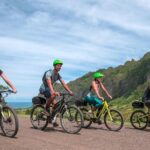
Honolulu has a way of slipping into your day. This ride pairs history lessons with an easy, scenic bike route and a friendly guide, so you feel like you’re traveling with someone who actually knows the town. You’ll pedal a mostly flat loop through Waikiki, Downtown, Chinatown, and beyond, with built-in photo stops and time to catch your breath.
What I really like is how guide Kelly keeps the pace comfortable—fast enough to feel like an adventure, slow enough that it never turns into a grind. I also love the mix of big landmarks and everyday street details, including an elevator ride up Aloha Tower and a fruit stop that’s more fun than it sounds.
One thing to consider: you’re still riding about 13.5 miles on a city route, and the morning start is early (7:00 am). Also, while most bikes run well, one past rider reported a chain issue—so do a quick check with the guide at the start.
In This Review
- Key reasons this bike tour is worth your morning
- Price and what you’re actually buying at $149
- Getting started at Kuhio Beach in Waikiki
- How the tour pace stays friendly (and not exhausting)
- Safety and comfort: bikes, helmets, and city riding reality
- Waikiki Beach and the Kuhio Beach Banyan Tree stop
- Honolulu Zoo, Ala Wai Canal, and the promenade stretch
- Aloha Tower by elevator: the views payoff
- Chinatown and downtown fruit: simple but memorable
- Neal S. Blaisdell Center: Elvis on the timeline
- Hawaiian Mission Houses: early contacts and language history
- Kawaiaha’o Church: coral stones and Sunday tradition
- Royal Honolulu stops: King Kamehameha statue and Iolani Palace
- Hawaii State Capitol: the only open-air capitol
- Kaka’ako murals and photo time that actually works
- Magic Island and the Honolulu Convention Center finish
- What kind of traveler should book this?
- The small-group factor: why max 10 matters
- Should you book this Honolulu bike tour?
- FAQ
- How long is the Historical Honolulu Bike Tour?
- What time does the tour start, and where do I meet?
- How far will I ride?
- Is this a small group tour?
- Are helmets and bikes included?
- What food and drinks are included?
- Do I need special fitness for this tour?
- What happens if the weather is poor?
- Is there free cancellation?
Key reasons this bike tour is worth your morning
- Small-group feel capped at 10 keeps the ride social and easy to manage
- Mostly flat route with regular rest and photo stops means beginners can handle it
- Aloha Tower elevator views are a standout, especially with clear morning light
- Street art and Kaka’ako murals turn Downtown into an outdoor gallery
- Photo help for solo riders (and downloadable images/video) makes it feel less awkward than taking pics alone
- Real local context at royal sites, churches, and Chinatown markets keeps the stories grounded
Price and what you’re actually buying at $149
At $149 per person for about 4 to 5 hours, this is a mid-priced Honolulu activity. The value comes from what’s bundled: a bike, a helmet, bottled water, snacks, and the national park fees are included, which removes the usual little add-ons that creep up.
You’re also paying for guide-led navigation through places that are simple to ride past but hard to interpret on your own. When the route includes spots like Iolani Palace, Kawaiaha’o Church, Mission House Historic Site and Archives, and Aloha Tower, having someone explain what you’re seeing is the whole point.
You can also read our reviews of more cycling tours in Oahu


Getting started at Kuhio Beach in Waikiki
You meet at Kuhio Beach (2453 Kalākaua Ave) at 7:00 am. The morning timing matters: you beat the worst heat, and you’re more likely to enjoy calmer roads and better photo light.
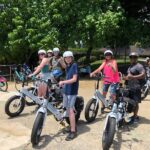
Once you arrive, your guide equips you with your helmet and bike and you roll out from Waikiki. Plan to come with your phone charged and a way to carry it safely while riding, because this tour is very photo-forward—stops are built in, not random.
How the tour pace stays friendly (and not exhausting)
This ride is designed for a moderate physical fitness level. The terrain is mostly flat, and you get regular rest stops and photo breaks instead of one long pedal push after another.
One of the smartest details: the guide uses a sound system so you can hear stories while you’re moving. That matters on a bike tour, because you don’t want to keep stopping just to catch the next fact.
Safety and comfort: bikes, helmets, and city riding reality
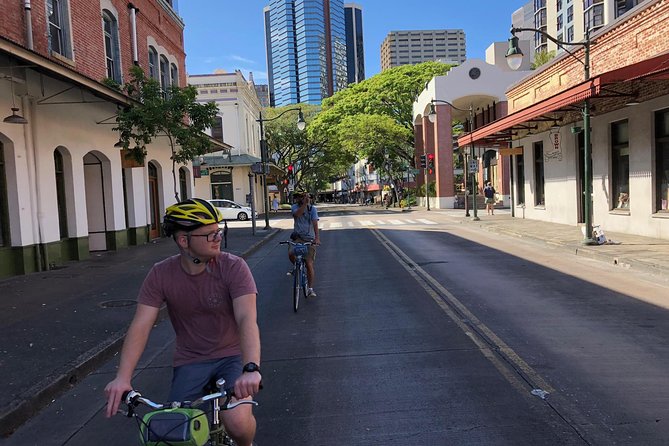
Helmets and bikes are provided, which is a big help if you don’t want to rent. The guide also narrates with safety in mind and keeps everyone moving at the same general rhythm—especially important on city streets.
That said, it’s still Honolulu riding: expect intersections, mixed road surfaces, and the occasional moment where you’ll want to focus. If you’re the type who gets uneasy on bikes, this is one of the better tours to choose because the pacing is controlled and the stops are frequent.
And yes, I’d do what I always do on group tours: take 30 seconds at the start to check that your gears and brakes feel solid.
Waikiki Beach and the Kuhio Beach Banyan Tree stop
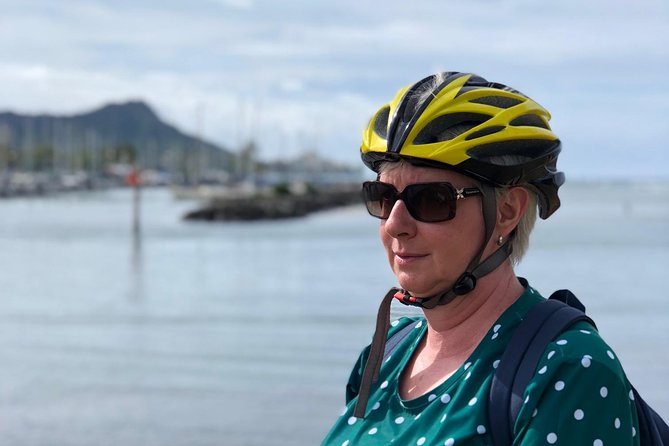
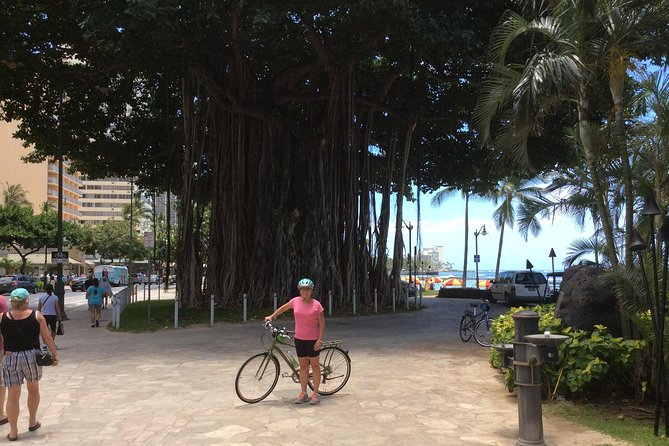
The ride begins at Kuhio Beach Hula Mound. You’ll learn about the Free Hula shows and the surfing-and-sunning beach vibe, but the real hook is the historic banyan tree that shades the area.
This stop is more than a photo moment. It sets the tone for the rest of the morning: Honolulu isn’t just scenery—it’s layers. The guide’s stories help you see why certain spots matter, even if you’ve walked by them before.
You can also read our reviews of more historical tours in Oahu



Honolulu Zoo, Ala Wai Canal, and the promenade stretch
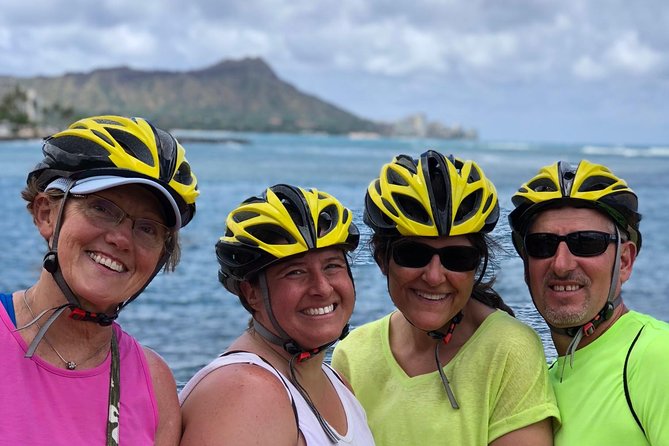
From Waikiki you roll past the Honolulu Zoo and down the corridor where the city starts to open up. If you like animal encounters, the zoo alone has enough pull to make you notice it, even if you don’t go inside.
You’ll also ride along the Ala Wai Canals, a waterway developed in 1929. The guide connects past, present, and future—so you understand why the canal area looks the way it does today.
Then comes the promenade-style riding and nearby landmarks like the Honolulu Convention Center and Magic Island area. The value here is flow: you get a continuous tour of seawall-and-city views without the hassle of parking or piecing together multiple stops by car.
Aloha Tower by elevator: the views payoff
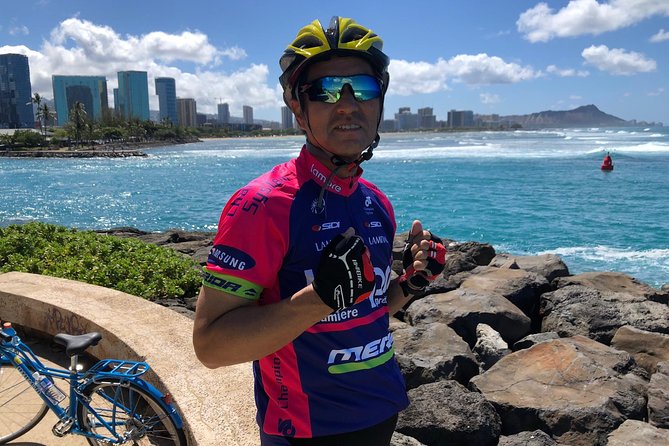
One of the most memorable parts is the ride up Aloha Tower using the elevator. You get sweeping views of Honolulu, and the guide frames what you’re seeing with the old harbor-days rhythm—how people used the harbor and how arrival by ship shaped the city.
You also learn about the harbor’s fish and the health of the coral life nearby. It’s a quick stop, but it lands, because you’re getting both the view and the context in a short window.
Chinatown and downtown fruit: simple but memorable
The tour includes a stop to sample exotic fruits in Chinatown and downtown. This is one of those small moments that makes the whole bike ride feel more like a local morning than a checklist.
It’s also practical: eating something light early helps you keep energy up for the rest of the route. Bring a sense of curiosity more than a sense of taste perfection—this is where you’ll discover flavors you can’t easily replicate back home.
Neal S. Blaisdell Center: Elvis on the timeline
You’ll pause at the Neal S. Blaisdell Center, where Elvis Presley performed his last concert in 1973. There’s an Elvis statue here that riders consistently point to as a standout.
The guide also connects other famous performers associated with the venue, including Prince, Sting, Jack Johnson, Janet Jackson, and others mentioned on the route. Even if you’re not a hardcore music fan, it’s a fun way to see how pop culture became part of Honolulu’s public spaces.
Hawaiian Mission Houses: early contacts and language history
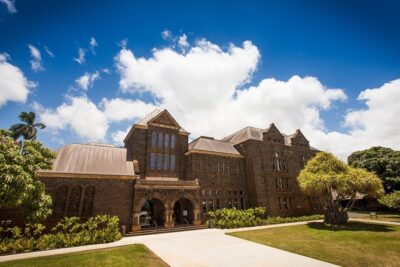
At the Hawaiian Mission Houses Historic Site and Archives, you’ll hear about Hawaii’s first western-style home. The story includes how the Hall Missionary family brought the house over by ship and constructed it there.
This stop is especially meaningful because you learn about a printing press that produced the first Bible printed in the Hawaiian language. It’s not just a building you pass—it’s a reminder that language and religion shaped major chapters of Hawaii’s modern story.
Kawaiaha’o Church: coral stones and Sunday tradition
The tour includes Kawaiaha’o Church, built with over 14,000 coral stones. The guide also notes that one of Hawaii’s most important landmarks welcomes visitors every Sunday at an 8:30 am church service.
On a bike tour, you won’t get a long, quiet museum-style experience. Instead, you get the key details plus enough time to take in the building and understand why it’s considered precious. If you’re in Honolulu on a Sunday and can time it right, the service angle is a nice extra layer.
Royal Honolulu stops: King Kamehameha statue and Iolani Palace
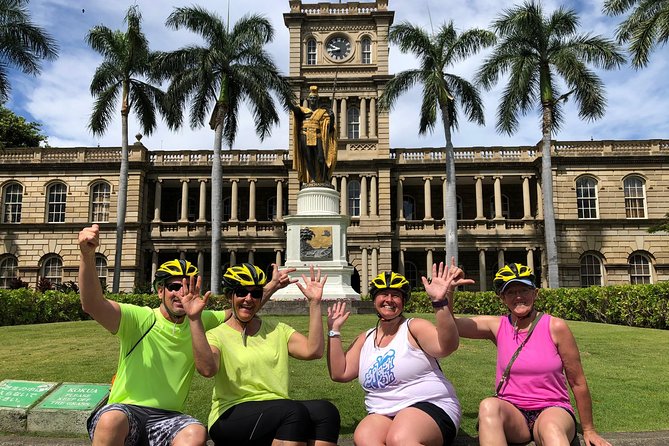
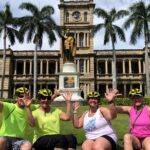
Next up is the King Kamehameha Statue, tied to Hawaii’s king who united the islands. The guide points out that it was recently refurbished with real gold paint, so the statue looks more official and finished than you’d expect from a roadside stop.
Then you roll to Iolani Palace, the royal residence of Hawaii’s rulers. It’s the only royal palace on US soil and is a National Historic Landmark listed on the National Register of Historic Places.
This is where the guide’s job really matters. You’re seeing a palace without needing a complex plan or ticket strategy, and you still get the big-picture meaning—why it symbolized power, governance, and identity.
Hawaii State Capitol: the only open-air capitol
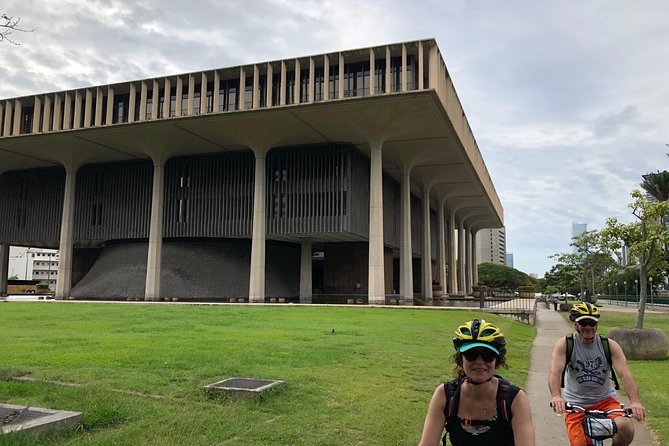
You’ll pass Hawaii State Capitol, constructed in 1969. The key detail here is that it’s the only open-air capitol in the entire USA, which makes the experience feel different than the usual enclosed capitol-building vibe.
The guide also shares Hawaii’s idea of Manna, described as super natural powers. Even if you’re not into spiritual language, hearing how locals explain their worldview helps you understand why architecture and place feel connected here.
Kaka’ako murals and photo time that actually works
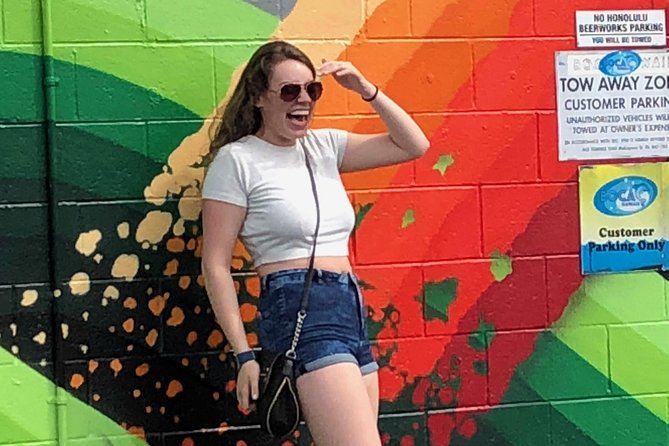
In Kaka’ako, you’ll ride through an area known for its street art and mural walls. The guide keeps this portion fun and photo-focused, so you come away with images that look like you found the right streets, not just the usual tourist corners.
This is one of the most practical parts of the tour if you’re traveling solo. Riders who don’t have someone in their travel group to take pics tend to appreciate the guide’s photo help and the way images get shared after the ride.
Magic Island and the Honolulu Convention Center finish
Magic Island is part of Ala Moana Park, described as the people’s park, built in 1947 to turn an unsightly landfill into a well-used green space. The guide shares the reclaimed-land story, which makes the place feel less random and more purposeful.
You’ll then finish with a last-mile ride by the Hawaii Convention Center, including a beautiful pathway lined behind it by dozens of ficus trees. It’s a calm end to a packed morning.
What kind of traveler should book this?
This tour fits you best if you want:
- A guided history walk with wheels, not a hard-core cycling workout
- Stops that include both landmark sites and street-level Honolulu
- A morning plan that avoids car parking stress
You might consider another option if you hate city riding. Even though the route is mostly flat, it’s still an urban bike tour with intersections and traffic noise in the background.
It’s also great for couples and solo travelers. Many people book this specifically because the guide is patient with photos and helps you document the trip without needing a selfie-stick.
The small-group factor: why max 10 matters
With a maximum of 10 participants, you’re not stuck in a huge pack. That makes it easier to hear the guide, keep your distance, and actually enjoy each stop instead of rushing through.
There’s one caution from past riders: one group once ran larger than expected, which made enjoying the ride harder and some bikes reportedly weren’t in the best shape. That’s not the norm suggested by the overall setup, but it’s a good reminder to check your bike at the beginning and speak up if anything feels off.
Should you book this Honolulu bike tour?
Yes, if you want the kind of tour where the route is the story. The best reason to book is that you’ll cover a lot of Honolulu without turning your vacation into logistics. You get helmets, bikes, water, snacks, and a guide who explains big landmarks like Iolani Palace and Aloha Tower, plus the less obvious details like Ala Wai Canal context and Kaka’ako murals.
Book it especially if you value a comfortable pace, frequent stops, and photo support. If you’re sensitive to early mornings or you’re truly looking for a low-effort sightseeing day, you may find the 13.5-mile ride a bit much.
If you can handle moderate riding for a few hours, this is one of the smartest ways to see Honolulu in a single morning.
FAQ
How long is the Historical Honolulu Bike Tour?
It runs about 4 to 5 hours.
What time does the tour start, and where do I meet?
The tour starts at 7:00 am. You meet at Kuhio Beach, 2453 Kalākaua Ave, Honolulu, HI 96815.
How far will I ride?
The riding distance is listed as 13.5 miles.
Is this a small group tour?
Yes. The tour has a maximum of 10 travelers.
Are helmets and bikes included?
Yes. Helmets and bicycles are provided, and you’ll use them during the tour.
What food and drinks are included?
You get bottled water and snacks included. Additional food and drinks are not included unless specified for a particular stop.
Do I need special fitness for this tour?
The tour is described as requiring a moderate physical fitness level. It also says the terrain is mostly flat.
What happens if the weather is poor?
It operates in all weather conditions, and you should dress appropriately. If it’s canceled due to poor weather, you’ll be offered a different date or a full refund.
Is there free cancellation?
Yes. You can cancel up to 24 hours in advance for a full refund.