REVIEW · OAHU
Historical Tour of Downtown Honolulu in Red Light District
Book on Viator →Operated by Honolulu Red Light Tours · Bookable on Viator
Honolulu had a police-approved night life. This downtown Chinatown walk uses real buildings to explain what prostitution looked like in Honolulu from the 1930s through 1944, starting at the Old Blaisdell Hotel on Fort Street Mall. It’s short, guided, and focused on how the city worked—on paper and on the street.
I especially like the way the tour keeps it human and specific: your guide connects the signs, the streets, and the rules with the stories tied to each site. A key consideration: the topic is prostitution and wartime policing, so it can feel blunt and uncomfortable if you prefer your history polished.
In This Review
- Key things to know before you go
- Entering Downtown Honolulu at the Old Blaisdell Hotel
- A one-hour walking route through Chinatown’s 1930s–1944 red light district
- The six former brothel stops: what you’ll learn (and why it sticks)
- Guides matter: Jackie and Jim’s style of teaching street history
- Price and value: what $60 buys you for 60 minutes
- Getting around and accessibility: wheelchair-friendly, with a 4:30 PM elevator cutoff
- Alcohol and age rule: keep 21+ in mind if it comes up
- Who this tour suits best
- Should you book Honolulu Red Light Tours?
- FAQ
- Where does the tour start?
- How long is the tour?
- How much does it cost?
- Is the tour conducted in English?
- How many people are in a group?
- Do I receive a mobile ticket?
- Is service animal access allowed?
- Is the tour near public transportation?
- Is it wheelchair accessible?
- What is the alcohol age requirement?
- What’s the cancellation policy?
Key things to know before you go
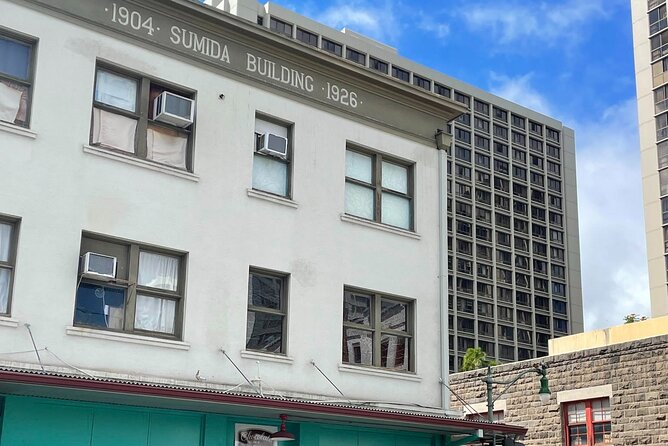
- Starts at 1154 Fort Street Mall at the Old Blaisdell Hotel, and returns right back there.
- Small group capped at 8, which makes it easier to ask questions and hear the details.
- Six former brothel stops in the red light district, with stories tied to each building.
- Wheelchair-friendly route, with an elevator timing note for earlier tours (elevator stops running at 4:30 PM).
- English-speaking guide, with a mobile ticket and most travelers able to participate.
Entering Downtown Honolulu at the Old Blaisdell Hotel
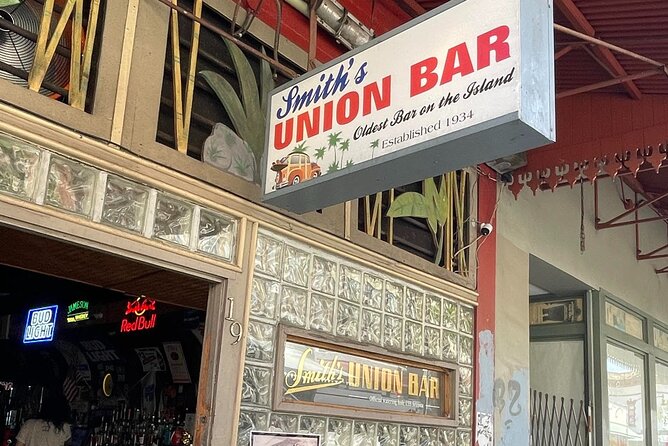
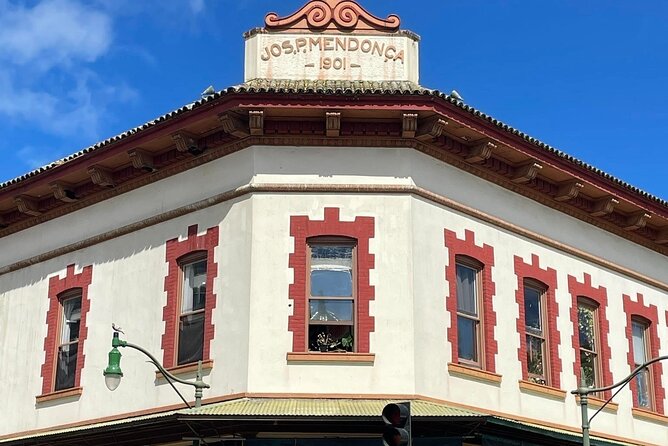
The tour begins at 1154 Fort Street Mall at the Old Blaisdell Hotel. This isn’t a random starting point. It’s tied to how the system operated during Honolulu’s Chinatown red light district heyday—when check-in was structured and overseen. In the early part of the walk, you get the setup: the working women checked in with the Chief of Police, which immediately tells you this wasn’t just rumor-level street chaos. It was regulated, managed, and part of the city’s wartime reality.
That matters because it shapes how you’ll read everything you see next. You’re not just hearing ghost-story vibes. You’re learning how people lived inside a system that had rules, officials, and consequences. The guide helps you connect the dots between street-level activity and civic control, including how that played out around 1930s–1944.
You can also read our reviews of more historical tours in Oahu


A one-hour walking route through Chinatown’s 1930s–1944 red light district
This is a short walking tour—about one hour—so it won’t eat your whole day. The upside is focus. You move at a pace where the guide can explain the context without rushing you through everything like a conveyor belt.
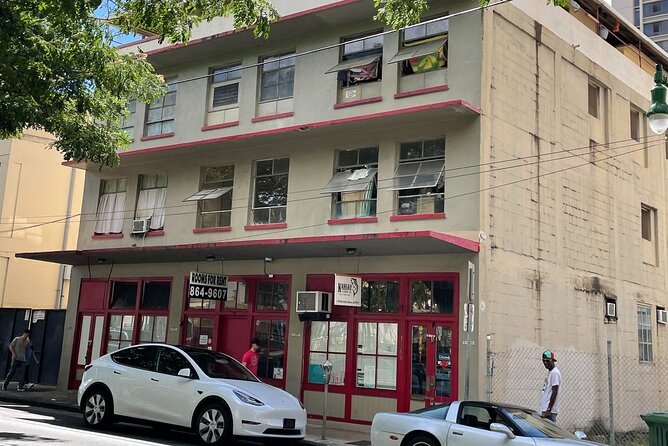
The route runs through the historic red light area associated with Chinatown’s prostitution era, with a structure built around stops at six former brothels. Think of it as a guided circuit: each building is a prompt, and the guide uses it to talk about what those places were like and why they mattered in that time period.
Practical note: since it’s a walk through downtown streets, you’ll want to wear comfortable shoes. Even though the total time is short, it’s still a city-side stroll—one that’s best done when you’re not distracted by trying to solve transportation or parking.
The six former brothel stops: what you’ll learn (and why it sticks)
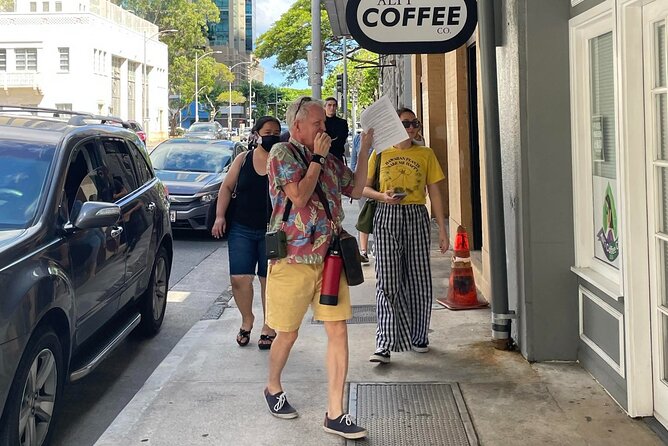
The center of the experience is the series of six stops at former brothel buildings. You’ll learn the history and stories tied to each site. The guide doesn’t treat these as generic “red light” markers. Each stop is used to explain a different slice of how prostitution functioned in Honolulu at the time.
Here’s what I think makes these stops valuable for you:
- You get specific place-based context. Instead of reading about the red light district in general terms, you’re looking at locations while the guide connects them to real roles in the system.
- You see the contrast between the public face and the private reality. The more you walk, the more you understand how normal street life and regulated vice could coexist.
- You get a clearer picture of how wartime conditions shaped daily life, including policing and power.
The tour’s tone is also worth calling out. The strongest praise points to guides who don’t water things down. When history includes exploitation, control, and hard choices, the honest version can hit a little harder. But that’s also why it tends to be memorable. You leave with more than facts—you leave with perspective.
Guides matter: Jackie and Jim’s style of teaching street history
This tour is led by the Honolulu Red Light Tours team, and one theme shows up clearly in the best feedback: the guides make the material feel lively and understandable. People specifically call out Jackie and Jim for their storytelling and for balancing entertainment with instruction.
If you like tours where you can ask questions and get straight answers, this group format helps. With a maximum of 8 travelers, it’s easier for the guide to slow down when something sparks your curiosity—like how rules were enforced or how daily routines were shaped during that period.
You’ll also notice the guide’s aim: not just to tell you what happened, but to help you interpret what it meant. One review summed up the idea that the folks holding power set the rules and controlled the game. Even when you don’t use those exact words, the logic comes through as you learn how systems, officials, and buildings fit together.
Price and value: what $60 buys you for 60 minutes
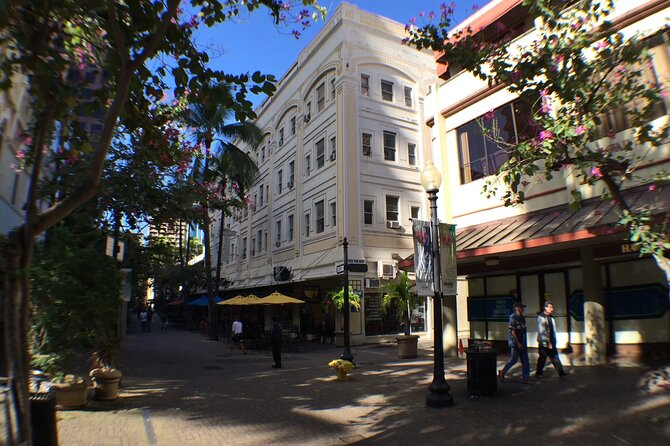
At $60 per person for about one hour, this isn’t the kind of price you treat like background noise. So the real question is value: what are you getting beyond a walk and a few facts?
Here’s where the value comes from:
- A guided, story-driven route that uses six former brothel sites, not just one or two photos on a phone.
- Small group size (max 8), which usually means better attention and more chance to interact.
- Admission ticket included—you’re paying for access to the experience, not separately for museum entry or add-ons.
- Mobile ticket, which keeps things simple on the day.
Also, because this is a niche topic, you’re paying for the guide’s ability to frame uncomfortable history in a way that makes sense on a street walk. If you prefer tours that are purely scenic or purely light, it may feel like “too much.” If you like history with real-world edges, it can feel like a bargain because you’re not just checking off sights—you’re understanding a piece of Honolulu that most people skip.
One more timing insight: it’s commonly booked about 71 days in advance on average. If your dates are set, it’s smart to book sooner rather than later.





Getting around and accessibility: wheelchair-friendly, with a 4:30 PM elevator cutoff
Accessibility is handled with clear limits. The tour is wheelchair friendly along the entire route, including the historic meeting location area. But there’s a practical timing note: the historic elevator stops running at 4:30 PM, so wheelchair access depends on doing earlier tours.
If you’re traveling with mobility needs, this matters more than generic “accessible” claims. It means you can plan around a real constraint, instead of guessing. You’ll also appreciate that the tour is designed for all physical abilities, and service animals are allowed.
Bottom line for you: if you need an elevator to make the start smooth, aim for an earlier time. If your schedule forces you later than that, you’ll want to check with the provider before you commit.
Alcohol and age rule: keep 21+ in mind if it comes up
The only age-related note provided is simple: must be 21 to consume alcohol. The tour data doesn’t say that alcohol is a guaranteed part of the experience, so treat this as a safety rule you’ll follow if alcohol is present or offered in any way. When tours include nightlife history, they sometimes keep things responsible, and this detail reflects that.
Who this tour suits best
This tour is a strong fit if you:
- like honest history that doesn’t avoid uncomfortable topics
- want a downtown walking experience that’s short and purposeful
- enjoy storytelling with real place-based stops
- are interested in how Honolulu operated during 1930s–1944, including wartime-era policing and regulation
It may be less ideal if you want a purely upbeat, casual stroll. The subject matter involves prostitution and exploitation. The guide’s job is to explain it clearly, which means you should be ready for direct discussion and a heavier tone than you might expect from a quick city walk.
Should you book Honolulu Red Light Tours?
Yes, if you’re the type of traveler who likes history with real stakes—especially street-level history you can see with your feet. The best reviews point to guides like Jackie and Jim who make the experience both entertaining and educational, without sanding the sharp parts off.
I’d book it sooner rather than later because you might want a specific departure time, and it’s often reserved well ahead (about 71 days on average). And if accessibility is a factor for you, plan for earlier tours so the elevator situation works for your needs.
If you come in with curiosity and the ability to sit with hard history, this one-hour walk in Honolulu’s Chinatown will give you perspective you won’t get from a quick sightseeing stop.
FAQ
Where does the tour start?
The meeting point is 1154 Fort St, Honolulu, HI 96813, USA at the Old Blaisdell Hotel.
How long is the tour?
The tour lasts about 1 hour.
How much does it cost?
The price is $60.00 per person.
Is the tour conducted in English?
Yes, the tour is offered in English.
How many people are in a group?
This experience has a maximum of 8 travelers.
Do I receive a mobile ticket?
Yes, it includes a mobile ticket.
Is service animal access allowed?
Yes, service animals are allowed.
Is the tour near public transportation?
Yes, it is near public transportation.
Is it wheelchair accessible?
The route is described as wheelchair friendly, with an important note that the historic elevator stops running at 4:30 PM, so earlier tours are better for wheelchair access.
What is the alcohol age requirement?
You must be 21 to consume alcohol.
What’s the cancellation policy?
You can cancel for a full refund if you cancel at least 24 hours in advance of the experience start time. If you cancel less than 24 hours before, the amount paid is not refunded.