REVIEW · OAHU
The East Waikiki Walking Tour
Book on Viator →Operated by Hawai'i Walks · Bookable on Viator
Waikiki has a deeper story than you expect. What I like most is the way Hawai‘i Walks pairs Hawaiian nature and history with a sustainability lens, so you’re not just sightseeing—you’re learning how industry shaped Waikiki and what you can do as a visitor. I also like that it stays tight and focused for a small group (max 4), with a mid-tour snack break for local mochi ice cream. One consideration: the tour needs good weather and involves walking with a moderate pace, so it’s not ideal if you want a slow, lounge-style morning.
This is priced at $14 for about 2 hours, which is excellent value if you care about context. You’ll start at the Public Art Surfer on a Wave and end back there, and you’ll use a mobile ticket.
In This Review
- Key things you’ll notice on the East Waikiki Walking Tour
- Where the tour starts (and why timing matters)
- Waikiki War Memorial Natatorium: WWII history in an abandoned pool
- Kaimana Beach surf-club history and the monk seal angle
- Kapi‘olani Park: photos, ice cream, and an easy reset
- Circling the zoo: animal stories that connect to place
- Mochi ice cream at the 45-minute mark: a smart included break
- Walking the base of Diamond Head (Le‘ahi) for the geology lesson
- The sustainability lens: why this tour feels different in Waikiki
- Price, value, and what $14 really buys you
- Who should book this East Waikiki walk?
- Should you book the East Waikiki Walking Tour?
- FAQ
- How long is the East Waikiki Walking Tour?
- How much does the tour cost?
- Where do I meet for the tour?
- What time does the tour start?
- What’s included in the price?
- Is bottled water provided?
- Is the tour good for families or people who walk slowly?
- How many people are in a group?
- What happens if the weather is bad?
- When do I need to cancel for a refund?
Key things you’ll notice on the East Waikiki Walking Tour
- WWII history at Waikiki War Memorial Natatorium: an abandoned war memorial paired with an Olympic-sized pool in the water
- Kaimana Beach surf-club stories: early surf school history and the Outrigger vs Hui Nalu conflict
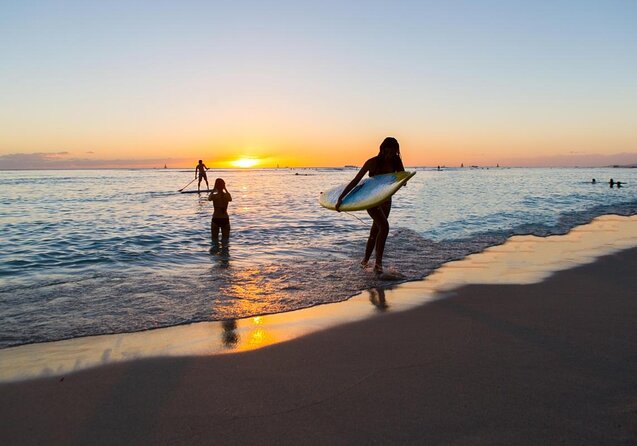
- Wildlife you might spot: Kaimana Beach is a favorite haul-out spot for a rare Native Hawaiian monk seal
- A real snack break: free local mochi ice cream around the 45-minute mark
- Diamond Head geology: you walk the base of Le‘ahi (Diamond Head State Monument) and learn how this cone formed
- Small-group pace: maximum of 4 travelers, so the guide can actually slow down and explain
Where the tour starts (and why timing matters)
You meet at the Public Art Surfer on a Wave at Kalakaua Ave + Monsarrat Ave (right by the walkway area near Kaimana Beach). The start time is 9:00 am, and the tour ends back at the meeting point, which makes it easier to connect to breakfast plans afterward.
This isn’t a long-haul trek, but it does require moderate physical fitness. Expect steady walking between stops, plus short pauses for photos and explanations. With a group size of 4, you’ll likely get more back-and-forth than on big bus tours, which helps if you like asking questions.
Also plan to bring your own water. They don’t provide bottled water, but they’ll have sterilized hydroflasks with cold water available for you if you forgot yours.
You can also read our reviews of more walking tours in Oahu


Waikiki War Memorial Natatorium: WWII history in an abandoned pool
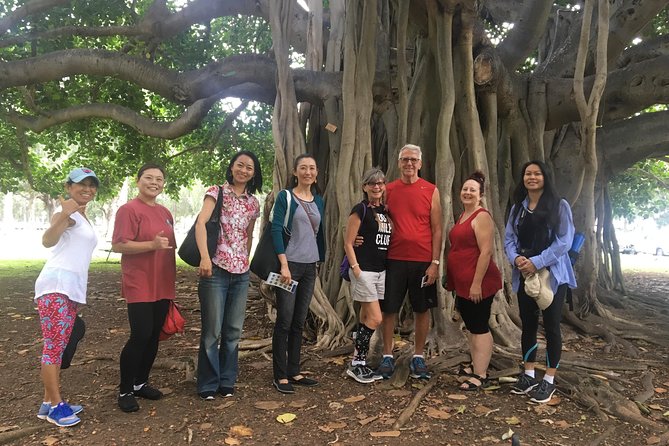
The first stop is Waikiki War Memorial Natatorium, and it’s a memorable mix of the strange and the somber. You’ll learn about Hawai‘i’s World War involvement and then look at an abandoned war memorial that includes an Olympic-sized swimming pool in the water.
It’s scheduled for about 15 minutes, which is short, but it’s enough time to get oriented. The standout value here is how it reframes a familiar beach-zone landmark: this part of Waikiki wasn’t just leisure and sunshine—it was connected to major global events.
If you’re the kind of person who likes history, you’ll probably enjoy how the guide ties the physical space to human stories. If you’re mainly chasing scenery photos, you might want the tour to move a little faster—but for the time, this stop gives you context you can’t get by wandering alone.
Kaimana Beach surf-club history and the monk seal angle
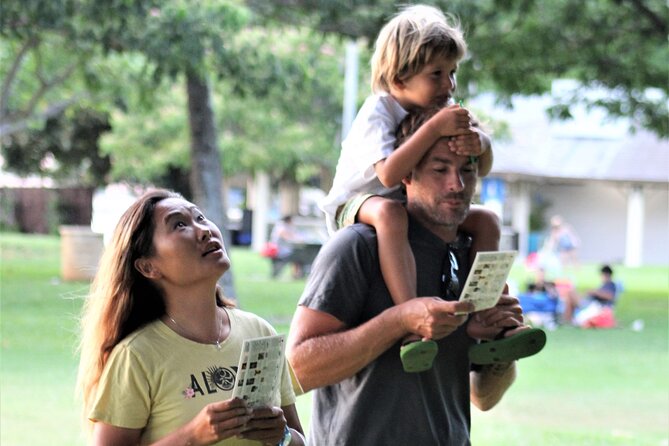
At Kaimana Beach (about 10 minutes), you’ll get the early surf-history basics at the site where the first surf schools were established. Then the guide brings in a deeper social layer: the conflict between Outrigger and Hui Nalu, and how that shaped the image of surfing and Hawai‘i abroad.
This is the kind of stop that works best if you slow your brain down and listen. Surf history here isn’t presented as a simple sports origin story. It’s explained through clubs, influence, and how outsiders and institutions can reshape what a culture is seen to represent.
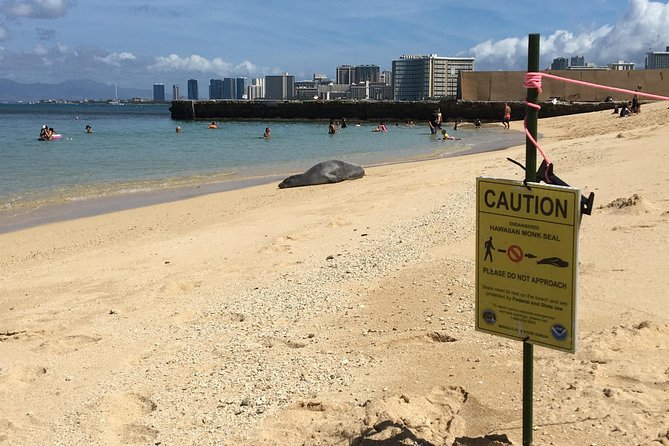
And then there’s the wildlife possibility. Kaimana Beach is one of the monk seals’ favorite haul out spots, so you’ll hear the guidance to keep your eyes open. You can’t count on sightings, but it’s a smart place to look—especially if the guide’s reading of the shoreline and timing lines up.
Practical tip: if you do spot wildlife, keep your distance and don’t crowd the shoreline. The best sightings tend to happen when everyone behaves quietly.
Kapi‘olani Park: photos, ice cream, and an easy reset
Next comes Kapi‘olani Park, where the tour pauses for photos and a small break. You’ll also get locally made ice cream here, and the whole stop runs about 15 minutes.
This stop matters because the first half of the tour is pretty story-heavy: war history, then surf-club context. Park time gives you a breather, plus a chance to reorient visually. If you’re the type who likes to photograph landmarks while they’re still in your mind’s eye, this is a good moment to do it.
One thing to note: ice cream is included here, but the tour also provides mochi ice cream later. If you’re cautious about sugar, you may want to pace it—take a small portion when offered and save room for the later snack.
Circling the zoo: animal stories that connect to place
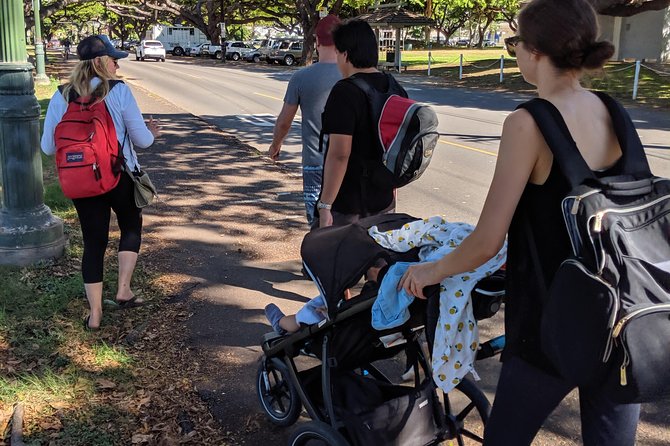
The tour then circles the zoo and shares some of the most compelling stories from animals that have called it home over the years. The schedule doesn’t give a tight minute-by-minute plan for this portion, but it’s designed as another narrative stop rather than a free-form wander.
Why it’s valuable: the guide isn’t just naming animals. They connect what you’re seeing to Hawai‘i’s broader living world and to how humans care for animals—or fail to. Even if you’re not a big zoo person, this kind of guided storytelling can make the experience feel less like a walk past enclosures and more like a living-history moment.
A practical note: since this segment is about stories, your best experience comes from staying with the group instead of peeling off for your own look. If you want a quick peek and move on fast, this might feel like it takes a bit longer than you expect.

Mochi ice cream at the 45-minute mark: a smart included break
Midway through the tour (around 45 minutes in), you get free local mochi ice cream. This is included, and it’s not just a random add-on. It’s a built-in reset so you can keep energy up without stopping everything to find snacks on your own.
If you’re touring in the morning, this timing is handy. You’re already out walking in the heat, and having a snack break organized by the guide reduces the chance you’ll end up skipping lunch later.
If you’re sensitive to dairy or have dietary restrictions, the details aren’t provided beyond it being mochi ice cream. In that case, I’d treat it as an extra reason to ask the provider ahead of time what’s in it and whether substitutions are possible.
Walking the base of Diamond Head (Le‘ahi) for the geology lesson
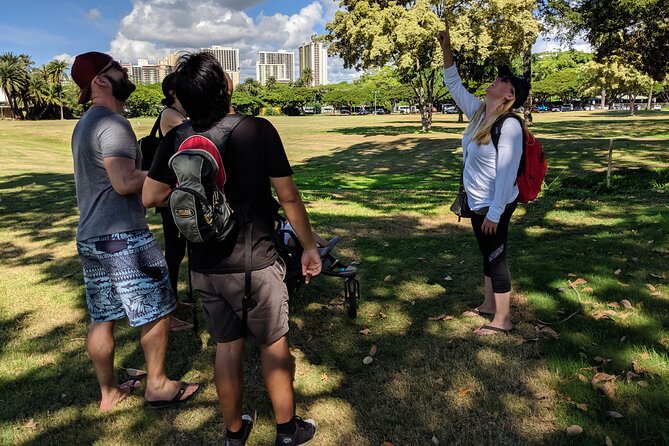
The final major segment walks along the base of Diamond Head (Le‘ahi) State Park and focuses on geological history—specifically how this iconic volcanic cone formed. This part is where the tour’s “place-based” education really comes together.
Waikiki can feel flat and familiar from the street level, but Diamond Head changes that. Learning the island’s volcanic formation at the base of the landmark gives the facts a physical reference point. You’re not learning geology as abstract science—you’re connecting it to an actual shape in front of you.
Also, this is the sort of stop that rewards steady attention. It’s easy to look up at the summit and miss the ground-level story, so watch where the guide points and how they explain the shoreline-to-cone relationship.
The sustainability lens: why this tour feels different in Waikiki
Hawai‘i Walks positions itself as historically literate, compelling, and sustainable. The key idea I’d want you to take seriously is that you don’t just get facts. You get a lens for thinking about impacts.
The guide talks about the impacts of industry in Waikiki, and they share information aimed at helping you become a better consumer while visiting the islands. That might sound like a lecture, but on a small walking tour it typically lands as practical context: why certain land use decisions matter, and how the living world you see relates to the human world you arrived from.
The tour also claims expertise from guides with advanced degrees and deep knowledge of Hawaiian flora, fauna, and history. Even without specific guide names listed, this focus on detailed natural-world interpretation is the difference between a casual walk and a tour that helps you “see” what you’re standing next to.
If you’re the kind of person who likes learning how systems work—natural systems and human systems—this sustainability approach will feel worthwhile. If you mainly want quick beach scenery, it may feel a little too focused on cause and effect.
Price, value, and what $14 really buys you
At about $14 for roughly 2 hours, you’re paying for interpretation, not just a route. The best value here is the number of story themes packed into the time: WWII history, surf-club conflict, a wildlife-related shoreline stop, a park break, animal stories, and Diamond Head geology.
For many visitors, Waikiki feels like a place you can “figure out” on your own. This tour tries to prove the opposite: that the area has layered meaning, and a guide can connect those layers faster than self-guided wandering.
The price also signals something important: it’s not an expensive private driver experience. It’s designed to be accessible, which is great if you’re traveling on a budget but still want substance.
The only value risk is your personal taste. If you don’t care about history or ecology, a walking tour can feel like you’re trading beach time for talking time.
Who should book this East Waikiki walk?
I’d point this tour toward you if:
- You want history + nature in a single morning, not separate days
- You like listening to explanations and getting context, not just checking landmarks
- You want a small-group experience with a guided pace
- You’re curious about how culture, institutions, and environment connect in Hawai‘i
You might choose something else if:
- You want a mostly self-paced beach day
- Walking for a moderate fitness level feels uncomfortable right now
- You prefer tours with lots of free time and minimal discussion
Should you book the East Waikiki Walking Tour?
If you’re excited by the idea of WWII history next to an Olympic-sized pool, surf-club conflict at Kaimana Beach, the monk seal angle, and then Diamond Head geology on foot, then yes, I think it’s a good booking.
The big question is weather. The tour requires good weather, and poor conditions can shift the plan. If you’re flexible and you enjoy learning as you walk, the $14 price makes this one easy to justify.
One more practical note: there is at least one recent report of a guide not showing up at the start time. That’s not the norm implied by the overall rating, but it is enough to justify a simple habit: be at the meeting point a few minutes early, keep an eye on your confirmation details, and contact the provider quickly if anything seems off.
FAQ
How long is the East Waikiki Walking Tour?
It’s listed as about 2 hours.
How much does the tour cost?
The price is $14.
Where do I meet for the tour?
You start at the Public Art Surfer on a Wave at Kalakaua Ave + Monsarrat Ave, Honolulu, HI 96815, USA.
What time does the tour start?
The start time is 9:00 am.
What’s included in the price?
The tour includes snacks, including free local mochi ice cream during the tour.
Is bottled water provided?
No bottled water is provided. If you forget your own, the tour will have sterilized hydroflasks with cold water available.
Is the tour good for families or people who walk slowly?
The listing says travelers should have a moderate physical fitness level, so it’s better suited to people comfortable with walking at a steady pace.
How many people are in a group?
The tour has a maximum group size of 4 travelers.
What happens if the weather is bad?
This activity requires good weather. If it’s canceled due to poor weather, you’ll be offered a different date or a full refund.
When do I need to cancel for a refund?
You can cancel up to 24 hours in advance for a full refund.