REVIEW · OAHU
Honolulu Haunts: Ghosts and Spirits Walking Tour
Book on GetYourGuide →Operated by US Ghost Adventures · Bookable on GetYourGuide
One sentence can’t explain it: Honolulu at night feels different. This walking tour mixes historic Honolulu with haunting tales tied to specific downtown stops, from Iolani Palace to Red Rainbow. I especially like how the stories stay grounded in place, not generic spooky stuff.
What I like most is the guide-led storytelling. When you get a host like Maggie, Kathryn, Brent, or Fatima, you’re not just hearing ghost lore you’re also picking up how Honolulu’s past shaped the streets you’re standing on, and how the tone shifts from royal Hawaii to later dark chapters. One drawback to plan for: you’ll be outside most of the time and you can’t enter privately owned buildings, so this is a “stand on the ground” style haunt.
In This Review
- Key Things to Know Before You Go
- Why Honolulu Haunts Works: Ghosts on Real Streets
- Finding the Group at the King Kamehameha Statue (and What the Guide Looks Like)
- The 7 PM Walk Through Historic Downtown (What the Night Feels Like)
- Iolani Palace: Royal Grounds and the Haunting Angle
- Red Rainbow and Atlas Insurance: Chilling Stories on Modern Streets
- Night Marchers, Warriors, and the Clash of Cultures
- How Scary Is It, and What Makes It Work for Families
- Price, Time, and Value at $27 for an Hour
- What to Bring (and What to Skip) for a Smooth, Comfortable Walk
- Guides Matter Here: What the Best Hosts Seem to Do Right
- Should You Book Honolulu Haunts?
- FAQ
- How long is the Honolulu Haunts walking tour?
- What time does the tour start?
- Where do I meet for the tour?
- Where does the tour end?
- What should I bring?
- Is the tour wheelchair accessible?
- Can I record video during the tour?
- Is smoking or intoxication allowed?
- Is food included?
Key Things to Know Before You Go
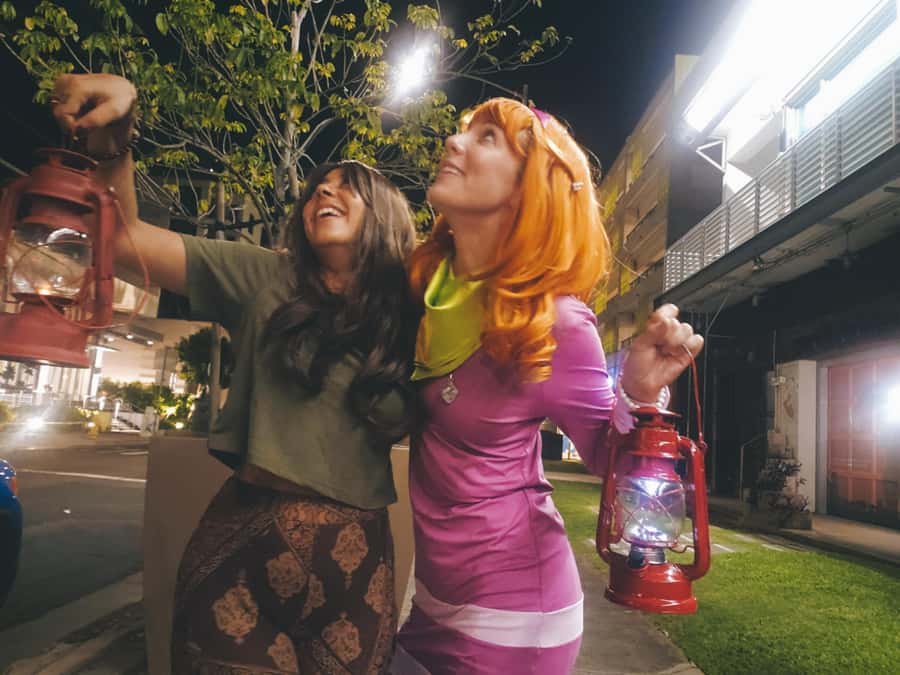
- 7 PM start, 1 hour long: short enough to fit before or after dinner.
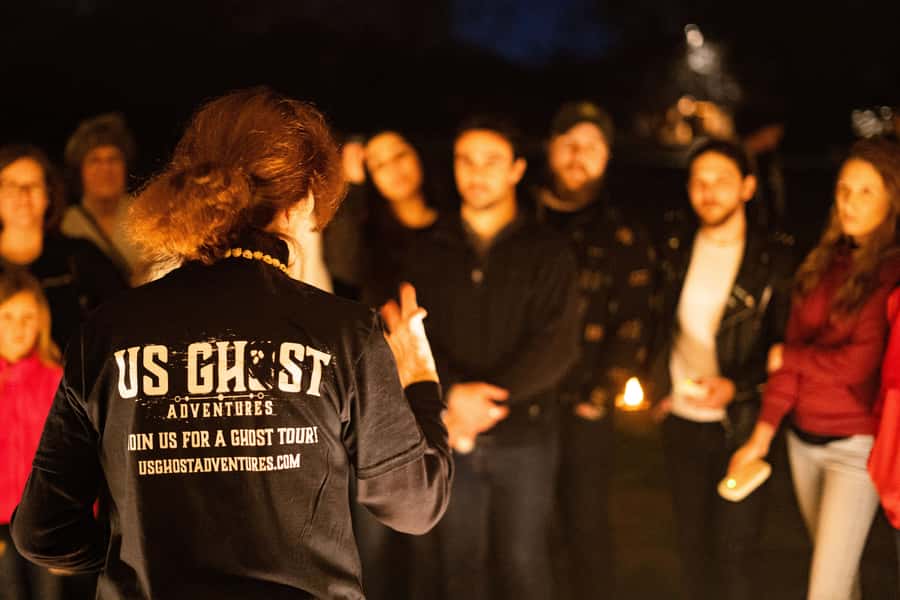
- King Kamehameha Statue meetup: look for a guide in a black US Ghost Adventures t-shirt with a lantern.
- Major stops include Iolani Palace, Red Rainbow, and Atlas Insurance: you’ll hear why each place gets mentioned.
- Outside-only experience: no private building entry, so keep expectations realistic.
- Well-reviewed guides: many people highlight guides who are engaging and story-driven.
- Small, hear-everything pacing: the group moves at a pace that lets you actually follow the narrative.
Why Honolulu Haunts Works: Ghosts on Real Streets

Honolulu Haunts is built on a simple idea: the supernatural feels more believable when it’s attached to real blocks, real architecture, and real history. You walk through historic downtown on palm-lined streets with a darker edge, then you stop and listen while the guide ties each location to hauntings and past conflicts.
I like the balance here. You get ghost talk, but you also get context for why these places matter in Honolulu’s timeline. The stories range from Hawaiian royal era themes to later, grimmer topics, so the tour doesn’t feel like the same scary beat repeated.
The pacing also helps. It’s a mile-long walk across a compact area, and you’re not doing a marathon. Most of the time you’ll be standing, but there are spots where you can sit near the end while the guide talks, depending on the route and stop pattern.
You can also read our reviews of more walking tours in Oahu



Finding the Group at the King Kamehameha Statue (and What the Guide Looks Like)
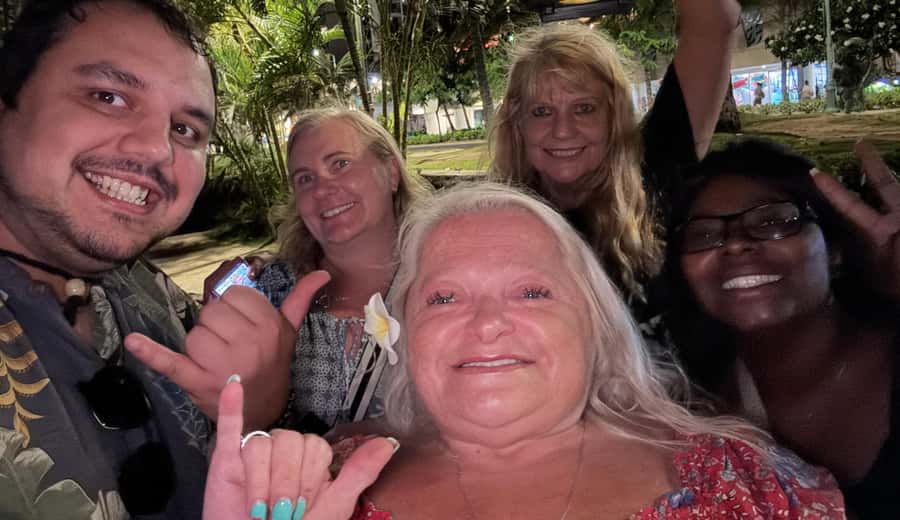
Your meeting point is straightforward: in front of the King Kamehameha Statue. Your guide will be wearing a black branded US Ghost Adventures t-shirt and carrying a lantern, so you can spot them fast if you arrive early.
Arrive about 15 minutes before the 7 PM start. That buffer matters because you’ll want to get grouped up, ask any quick questions, and avoid being rushed when the walk starts.
This tour is also listed as English-language, with a live guide. If you’re someone who likes to understand what you’re seeing and not just chase chills, this format is ideal.
The 7 PM Walk Through Historic Downtown (What the Night Feels Like)
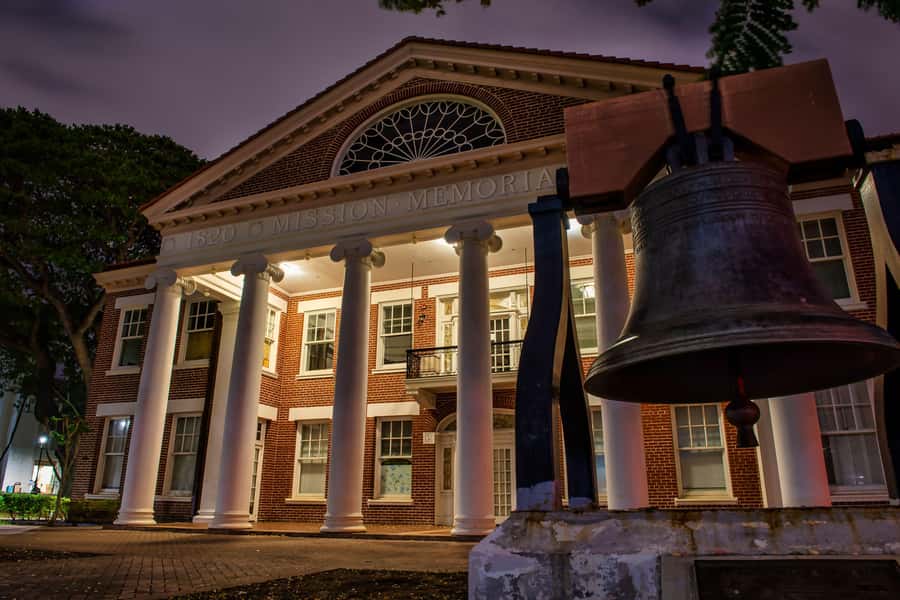
The tour runs at 7 PM and is designed to take about 1 hour. It’s rain or shine, so bring shoes that handle Honolulu sidewalks after sunset, when it can feel cooler and more humid than you expect.
Even though it’s billed as haunted, the emphasis is on the walk and the storytelling. The tour covers a stretch of historic downtown, then loops back to the same meeting spot at the end.
One practical plus: you get express security check access. The details aren’t explained further here, but in plain terms, it means you’re less likely to spend extra time waiting around on-site.
Also note the rules: no video recording, no smoking, and no intoxication. If you’re planning to document everything, save your phone battery for photos only, and keep the rest of the attention on the guide.
Iolani Palace: Royal Grounds and the Haunting Angle
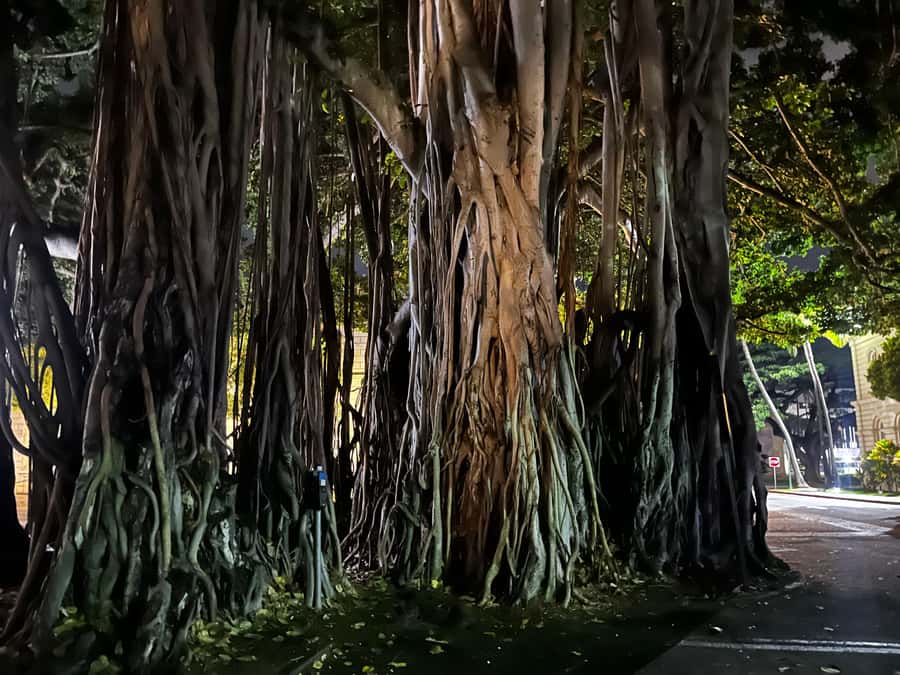
Iolani Palace is the kind of stop that immediately raises the stakes. Even without leaning into ghosts, it’s a landmark tied to Hawaii’s monarchy, and the tour uses that royal connection as a foundation for the haunting stories you’ll hear.
What makes this stop valuable is the way the tour frames place. You’re not just being told something is scary; you’re getting a thread that connects Hawaiian royalty and the atmosphere of the area today. That helps the ghost element feel like part of the city’s identity rather than a theatrical overlay.
There’s also a reality check to keep your evening enjoyable: you can’t enter privately owned buildings. So at Iolani Palace and other sites, plan on listening from the outside rather than expecting interior access or secret rooms.
Still, the tone around royal history tends to land well with most people. It’s the sort of stop where you’ll understand why the stories have persisted, even if you keep your skepticism switched on.
Red Rainbow and Atlas Insurance: Chilling Stories on Modern Streets
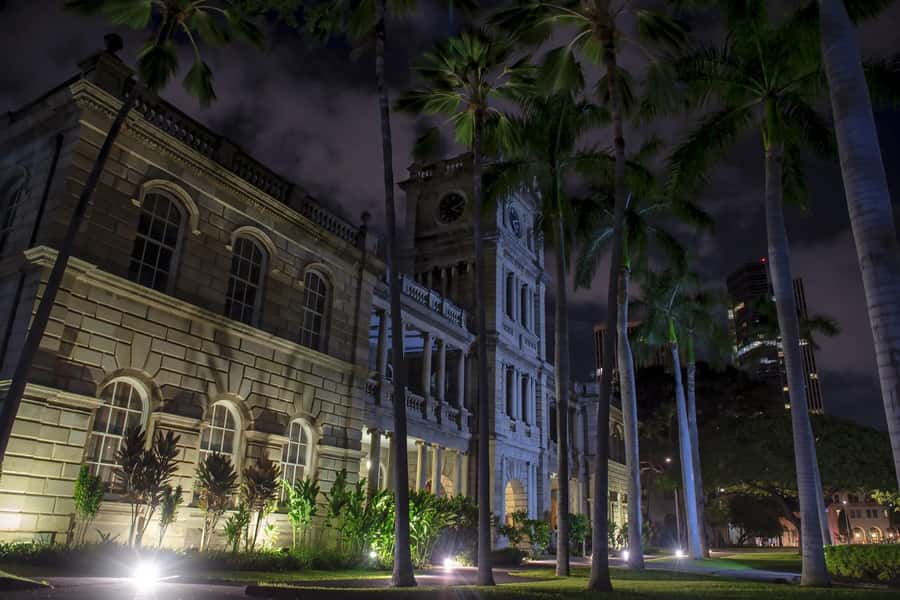
Two of the headline stops are Red Rainbow and Atlas Insurance. On paper, they’re just local downtown locations. In the tour, they become fixed points where the guide explains why these addresses show up in Honolulu haunting talk.
This is where I appreciate the tour’s structure. You don’t only hear about famous royal sites. You also hear about places that look like everyday business and street corners, which makes the experience feel more immediate. The idea is: the past isn’t buried far away. It’s in the background noise of city life.
Because the tour is outside-only, you’ll experience these locations through observation and storytelling, not through controlled entry. If you’re the type who wants to investigate physically, you’ll likely have more fun if you accept the format ahead of time.
One more practical consideration: downtown Honolulu has its own lighting and noise at night. That means your best tool is your attention. If you tune in during the guide’s stop-by-stop explanations, these modern-looking locations become the creepiest kind of haunt: the kind that lives in plain sight.






Night Marchers, Warriors, and the Clash of Cultures
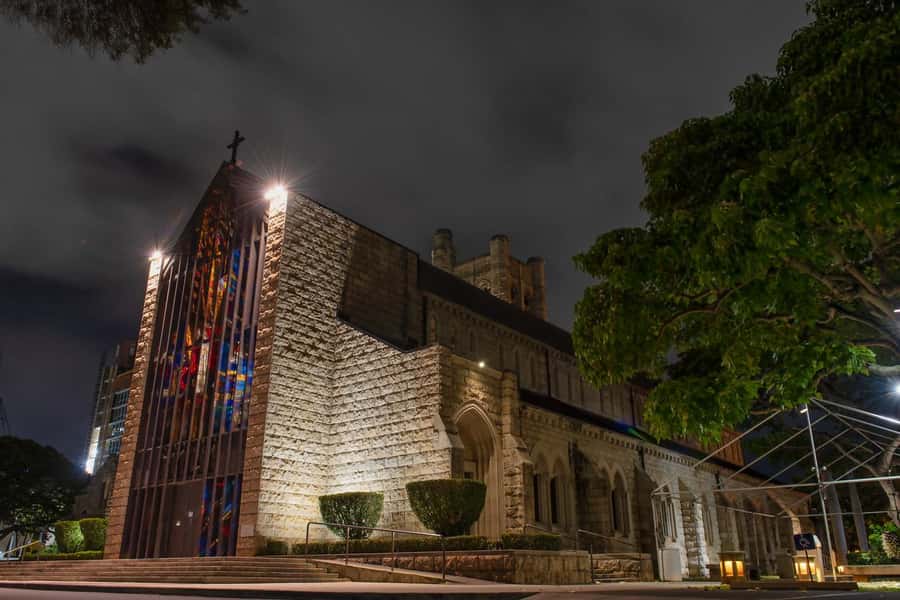
The tour doesn’t treat haunting as only spooky folklore. It also walks you through themes tied to Hawaiian warriors and night marchers, plus stories framed around a broader clash of cultures in Honolulu.
That matters because it gives the tour emotional weight. Instead of treating the supernatural as random, it connects it to historical events and belief systems that shaped how people lived and how they interpreted the unknown. Even if you don’t treat every claim as literal, the way the tour presents these ideas can deepen your understanding of why stories endure.
You’ll also hear about the darker side of Honolulu’s story: topics like modern disease and human suffering, and crimes of passion. The tour positions these as part of the haunting narrative beneath the surface of an “island paradise” image.
This is one reason the guides seem to get top marks. Strong hosts don’t just point and scare. They pace the narrative so you can follow the historical thread and feel the mood shift as the story darkens. Some guides also appear to add extra stops or run slightly longer, and that kind of flexibility often shows up when a guide knows the material and enjoys the walk.
How Scary Is It, and What Makes It Work for Families
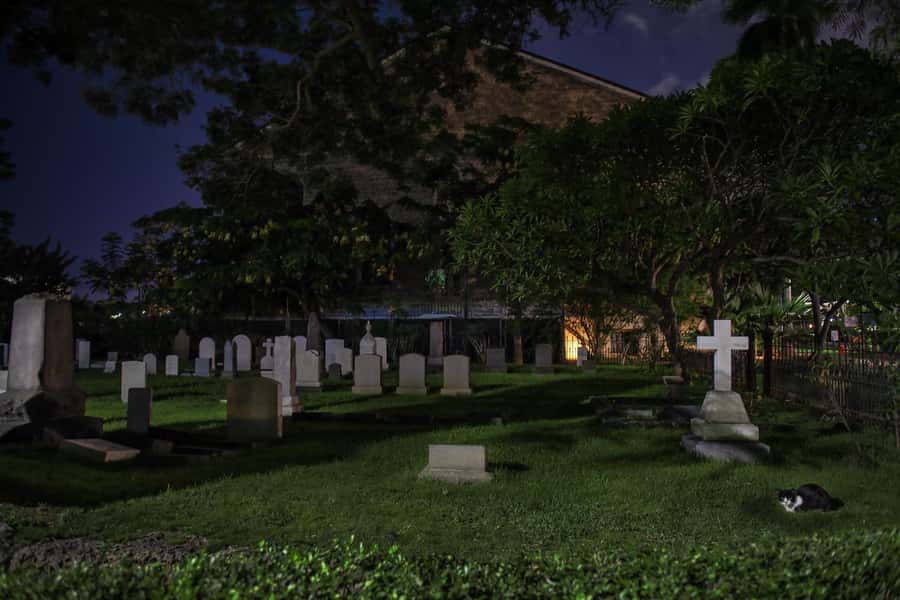
This is described as family-friendly and suitable for all ages. That doesn’t mean it’s a bedtime story. It means the tour tries to deliver chills without going full jump-scare carnival.
From the tone people rave about, the storytelling style seems to be a big part of the appeal: clear pacing, explicit narration, and a mix of history and ghost tales. Multiple guides have been highlighted for being engaging and for building a spooky atmosphere through detail rather than through cheap shocks.
You should still plan like it’s an evening walk. You’ll mostly be on your feet, and the topic matter can get heavy when the guide moves into suffering and crime. If you’re bringing younger kids, use your judgment based on how they handle scary stories, and stay close during the pauses so they don’t lose track of what’s happening.
If you’re someone who likes extra tech tricks for ghost hunting, you might want to ask ahead about tools like an EMF detector. It’s not stated as part of the tour details here, but one tip raised in feedback is that adding equipment would make the experience even more fun for people who enjoy that style of investigating.
Price, Time, and Value at $27 for an Hour
At $27 per person, this tour is priced in the “worth trying once” zone. You’re paying for a guided, well-timed experience at 7 PM, with taxes and fees included. For an hour-long walk that hits multiple standout locations, it can be a good value compared with tours that are either longer, pricier, or heavier on transport.
Time is the hidden value. An hour fits easily into a Hawaii evening without eating your whole night. You also get a neat before/after dinner option, since the route stays local and you finish back at the start.
The real value comes from the guide factor. When you’re getting a host who connects the dots—who explains why a location matters, who keeps the group together, and who can answer questions between stops—the hour stops feeling like a sales pitch and starts feeling like a guided orientation to Honolulu’s darker stories.
If you’re the kind of person who buys one “activity” per trip day, this is a strong candidate because it gives you conversation material later. Even if you stay skeptical, you’ll likely remember the stops and the themes.
What to Bring (and What to Skip) for a Smooth, Comfortable Walk
Wear comfortable shoes. That’s not generic advice—this tour is primarily a walking, standing event on city sidewalks at night. Bring an ID card if you have one, and a copy is accepted.
If you’re thinking about devices: no video recording. You can still carry your phone for photos, but don’t plan on recording the guide. It also helps to keep your hands free for the lantern-light moment when you’re trying to see where the group is looking.
Also plan your evening around what’s not included. Food and drinks aren’t included, so eat before you go or plan something right after. Doing otherwise can turn a fun hour into a grumpy hour.
Finally, the rules are straightforward: no smoking and no intoxication. Tours run rain or shine, so if you hate being wet, bring a light rain layer.
Guides Matter Here: What the Best Hosts Seem to Do Right
A lot of the praise centers on the guide experience. Names like Maggie, Kathryn, Brent, Fatima, and Jamie come up in feedback, and the consistent theme is that the host was not only friendly but also able to keep stories understandable and engaging.
Look for what good guides are doing:
- They take control of timing and group gathering, so the tour doesn’t start late or drift.
- They connect ghost stories to history, rather than treating hauntings as random trivia.
- They answer questions between stops and keep the tone fun, not preachy.
One more quality that stands out: no one seems to be rushing you through the stops. A relaxed pace makes the spooky stories stick. When the group can hear and see, the tour feels more personal and less like a crowded “line of ears” passing by.
Should You Book Honolulu Haunts?
If you want an evening activity that mixes Honolulu history with ghost storytelling, this tour is a solid pick. It’s not overly long, the route is compact, and the guide-driven format helps even if you’re skeptical about the supernatural.
Book it if you:
- Like your tours story-based, not checklist-based.
- Want a local walk that doesn’t require renting a car.
- Enjoy a mix of Hawaiian royal era themes and darker downtown history.
Skip it (or adjust expectations) if you:
- Need interior access. This is outside-only for privately owned buildings.
- Want heavy equipment ghost hunting. Equipment like EMF detectors isn’t stated as included, so check before assuming.
For most people, Honolulu Haunts is a smart “one-hour at night” experience: enough time to feel the city’s mood shift, enough stops to stay interesting, and a guide who can make the darker side of downtown Honolulu feel real.
FAQ
How long is the Honolulu Haunts walking tour?
The tour lasts about 1 hour.
What time does the tour start?
The tour begins at 7 PM.
Where do I meet for the tour?
Meet in front of the King Kamehameha Statue.
Where does the tour end?
The tour ends back at the same meeting point.
What should I bring?
Bring comfortable shoes and an ID card (a copy is accepted).
Is the tour wheelchair accessible?
Yes, the tour is listed as wheelchair accessible.
Can I record video during the tour?
No. Video recording is not allowed.
Is smoking or intoxication allowed?
No smoking and no intoxication are allowed.
Is food included?
No. Food and drinks are not included.