REVIEW · OAHU
Oahu: Single & Double Kayak 3-Hour River Rental
Book on GetYourGuide →Operated by Kahana Adventures, LLC · Bookable on GetYourGuide
A calm paddle beats a busy day. In Oahu’s Kahana River and Bay, this 3-hour rental is a low-stress way to enjoy the water at your own pace, with a double kayak option that makes it feel social and smooth. I also like that the sit-on-top design lets you hop in and out for a splash of warm water when you want. The one catch: it is not an all-day, go-anywhere expedition, so if you want nonstop action, you may find the ride more about relaxing than adrenaline.
I like how everything is set up for you to get moving quickly. Paddles and life jackets come with the rental, and the experience runs as a small group, limited to 10 people, so it does not feel like a cattle line. The host or greeter speaks English, and you’ll get a friendly welcome from Larry and his wife, plus helpful guidance on where to get started.
Meeting point details can vary by booking choice, but you may be directed to the host residence. One useful detail: you might follow the map and enter around the area between two surfboards to launch. Also, expect that most of the fun happens on the same route—paddle out, then you’ll turn back.
In This Review
- Key things to know before you paddle
- Kahana River & Bay in 3 Hours: The Real Vibe
- Single vs Double Kayaks: Dry, Stable, and Easy
- Before You Launch: Where to Meet and What Gear Comes With It
- Paddling the Kahana River and Bay: What Each Part Feels Like
- The river stretch
- The bay side and your turn back
- Switching between paddling and water time
- Comfort Rules: Who This Trip Suits and Who Should Skip It
- Safety and “It’s Included” Details That Matter
- Rain, Gray Skies, and Still Having a Great Time
- Price and Value at $75 Per Person
- What to Bring for a Smooth, Comfortable Paddle
- Practical Tips for Getting the Most From Your Session
- Should You Book This Kahana Kayak Rental?
- FAQ
- How long is the Oahu kayak rental?
- Can I choose a single or double kayak?
- What’s included with the rental?
- Where does the kayak trip take place?
- What should I bring?
- Is it suitable for everyone?
Key things to know before you paddle
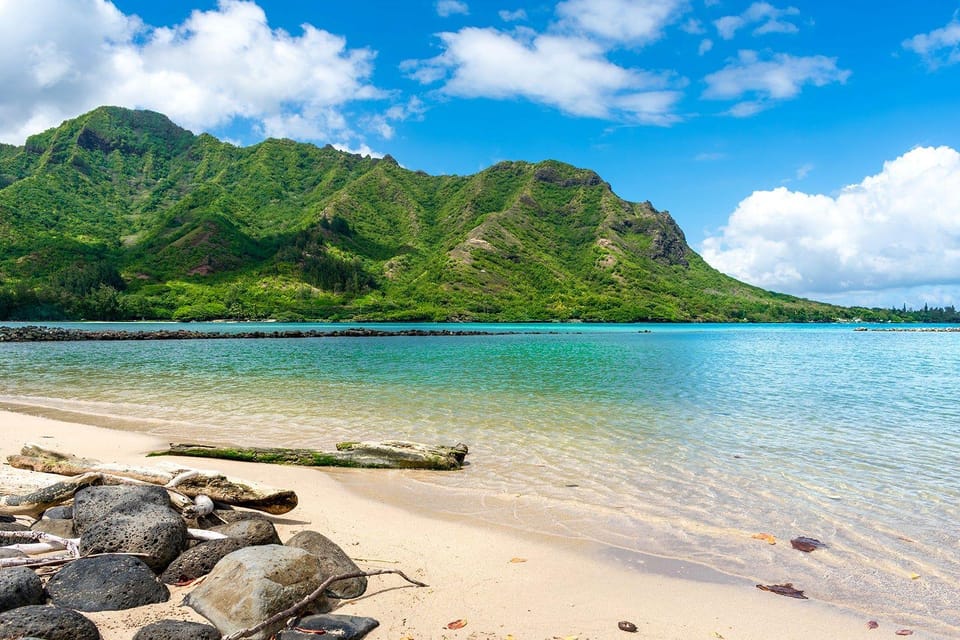
- Single vs double kayaks: singles keep you drier (sit-in hull), doubles are made for stability and sharing the paddling
- Sit-on-top water access: double kayaks make jumping into the warm sea easy when conditions look good
- Small group setup: capped at 10 participants, which keeps the mood relaxed
- A practical pace: plan on a calm river-and-bay rhythm, not a long-distance challenge
- Bring swim-ready basics: hat, sunscreen, water, and a towel make the trip much more comfortable
Kahana River & Bay in 3 Hours: The Real Vibe
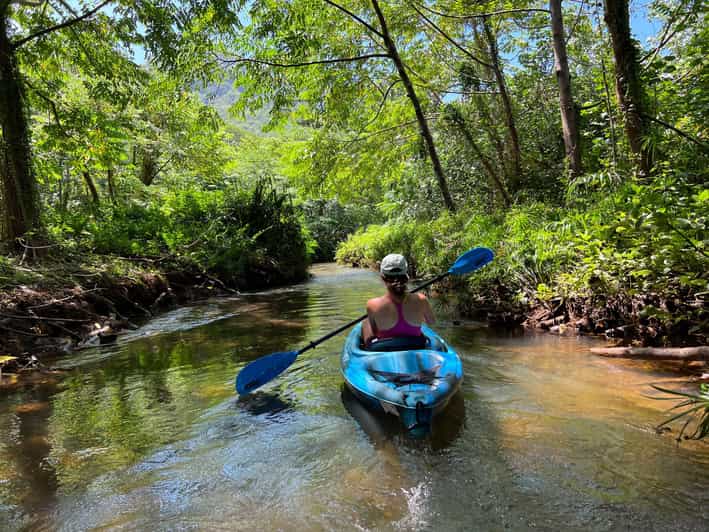
This is an Oahu kayak rental built for a chill, scenic outing. You get 3 hours on the Kahana River and into the bay area, so you can paddle at your own rhythm, stop to look around, and decide when you want to get wet.
In practice, that means you are not racing a schedule. You are moving through water that feels more casual than a surf-thrown-in-the-air ocean day. If you enjoy nature time, the kind where you can actually hear birds and wind, this works because you’re not constantly bracing for whitewater or big waves.
One more vibe check: it is a good fit for families and groups who want fun and movement, without turning it into a workout camp. A double kayak also helps if one person is more confident than the other, because you can share the paddling effort.
You can also read our reviews of more tours and experiences in Oahu



Single vs Double Kayaks: Dry, Stable, and Easy
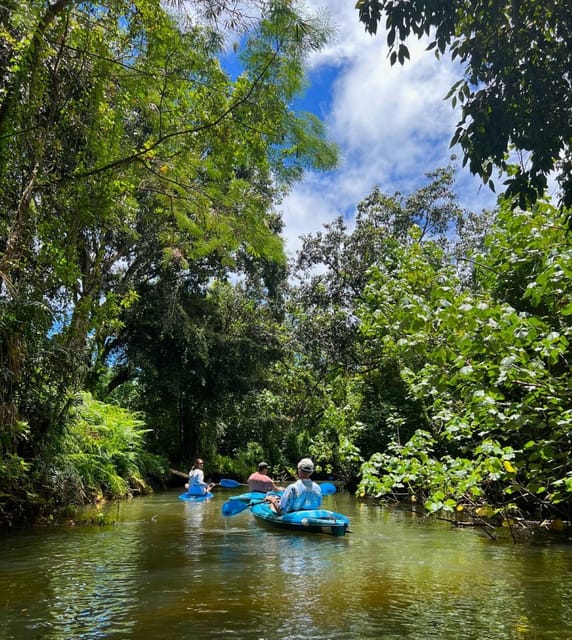
Your choice here changes the whole feel of the trip.
A single kayak uses a sit-in hull design meant to keep you drier while you paddle along the river and bay. If you’re traveling solo or you’re paddling with a smaller child in mind, this can feel more controlled and less “everything is splash zone.” You still get to enjoy the water and scenery without needing to commit to jumping in.
A double kayak is the popular option if you want teamwork. It is designed for stability and is built so two people can paddle together comfortably. And because it’s a sit-on-top design, it’s much easier to hop in and out for a swim when the sea looks friendly.
Here’s the smart way to decide: if your goal is staying mostly dry, pick the single. If your goal is sharing the experience and having the option to splash, pick the double.
Before You Launch: Where to Meet and What Gear Comes With It
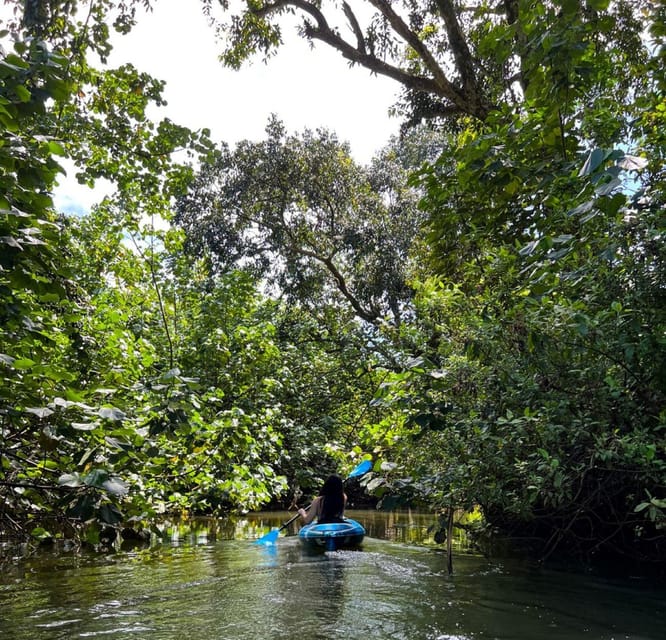
The meeting point can vary based on the option you book, so check your exact instructions when you arrive. In some cases, you’re basically launching from the host’s property area, and the start point may involve going in near the area between two surfboards.
You do not need to show up with a pile of equipment. The rental includes paddles and life jackets, and that matters more than most people think. It reduces guesswork and lets you focus on comfort and timing.
Because you’re in a small group (up to 10 people), you should feel free to ask questions. If you’re new to kayaking, the first minutes are where confidence is built, and a calm setup helps.
Tip I’d use: arrive a bit early if you can. In one situation, the host and his wife were welcoming enough to let people use outdoor tables and chairs for an easy pre-paddle picnic, so you can turn waiting time into a relaxed start instead of stress.
Paddling the Kahana River and Bay: What Each Part Feels Like
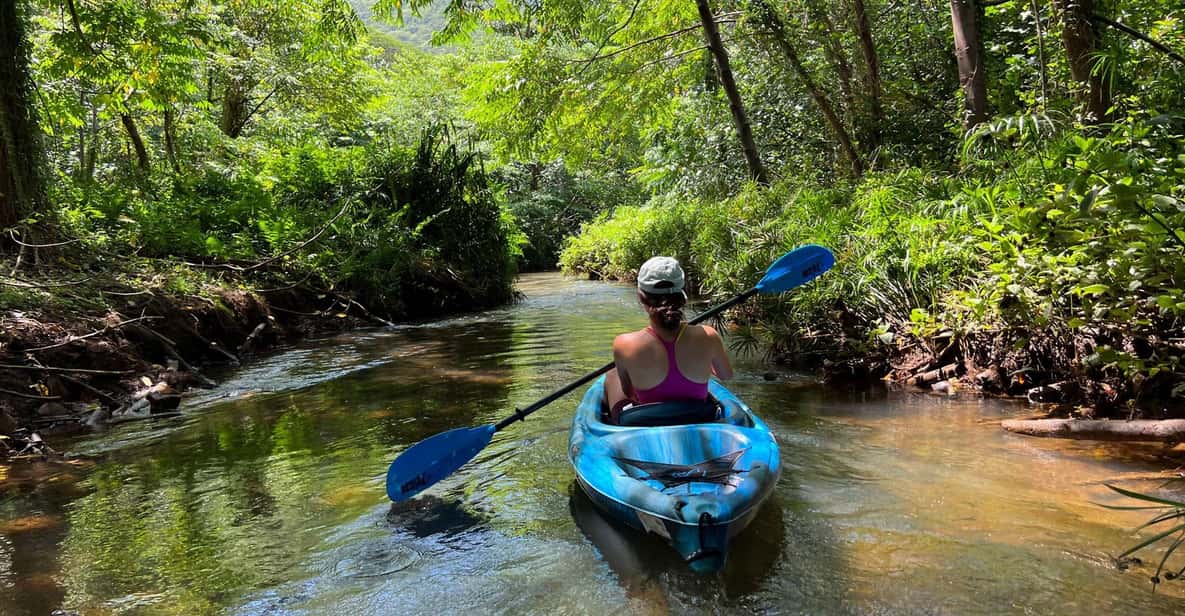
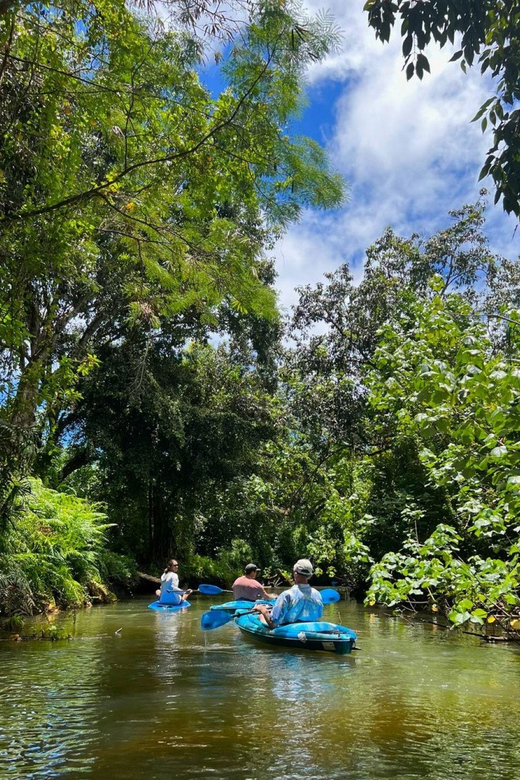
Think of this as a river-and-bay loop, with the river doing most of the work for the calm part of your outing. You’ll paddle through the Kahana River and then into the bay area, where conditions can feel different depending on the day.
The river stretch
The river section is where the trip earns its easygoing reputation. It’s the part that lets you settle in, get a feel for your kayak, and enjoy the surroundings without constantly fighting the kayak.
This is also the section that tends to reward a slower pace. You can take breaks, look around, and enjoy the feeling of moving under your own power. If you want photos, the lighting and reflections can be very forgiving here.
You can also read our reviews of more tours and experiences in Oahu



The bay side and your turn back
When you reach the bay area, it’s more likely to come with wave energy and changing conditions. One practical reminder from the experience: you may not be doing an endlessly long one-way route. You’ll likely paddle out and then turn back, which is normal for a 3-hour rental.
If you’re hoping for a big shore moment, keep your expectations flexible. There can be times when you have access to the beach from the river, but heavier waves might mean you choose not to go in. That choice is smart, especially if your main goal is enjoying the time without rushing.
Switching between paddling and water time
If you’re on a sit-on-top kayak, this is where you get options. You can paddle, then jump in and out of the warm tropical sea when conditions feel right. If you’re on a sit-in single, you’ll probably treat it as more of a dry-and-scenic paddle, with only casual water contact unless you plan to change tactics.
Either way, the best strategy is to stay flexible. Use the first portion to see how your body feels and how the water behaves, then adjust your plans.
Comfort Rules: Who This Trip Suits and Who Should Skip It
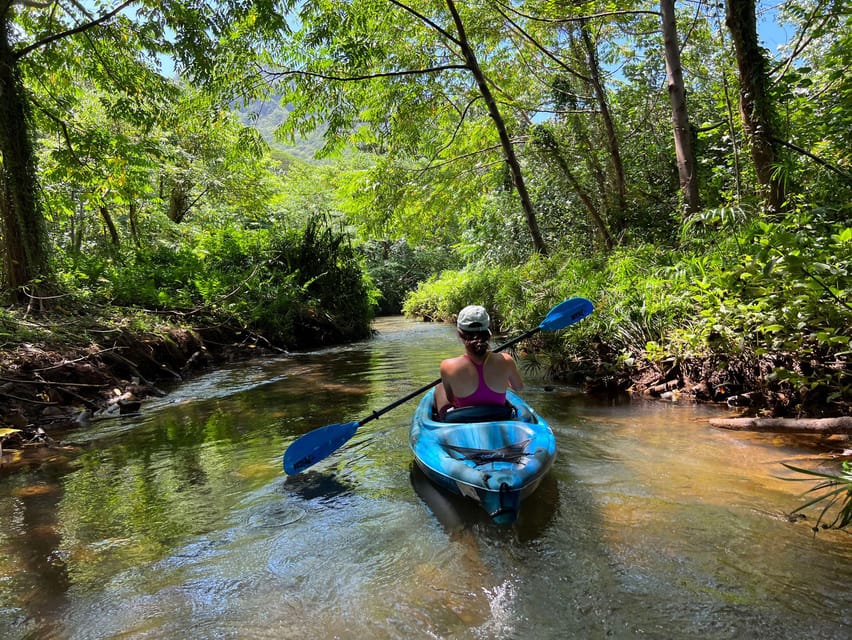
This activity works best for people who can swim and who don’t have back issues. The rental is not suitable for people with back problems, and it’s not suitable for non-swimmers.
That guidance is sensible. Even with life jackets, kayaking involves constant sitting and small muscle work. If your back is sensitive, it’s harder to enjoy the scenery. And if you cannot swim, being in and around water is a deal-breaker.
Also think about temperament. This is not for adrenaline junkies. The trip is built for calm, steady movement, and the fun comes from nature time and the satisfaction of a simple skill. If you want a high-energy, fear-you-are-on-your-own kind of day, you’ll likely be happier elsewhere.
It’s a great match for:
- solo travelers who want an easy, scenic outing
- couples or friends who want teamwork on a double kayak
- families who want something active but not extreme
Safety and “It’s Included” Details That Matter

You get paddles and life jackets included, which is a big part of the value and peace of mind. It also means you can show up with a normal beach bag instead of searching for gear rentals on Oahu.
The activity also has clear rules: no smoking and no alcohol or drugs. That helps keep the experience safer and more focused, especially since you are on the water and sharing space in a small group.
One more safety-minded approach: bring sunscreen seriously. Even when conditions look mild, you’re outside for a full 3 hours and you’re on reflective water. Plan for sun even if the day starts gray.
Rain, Gray Skies, and Still Having a Great Time
Oahu weather can flip. And the good news is: kayaking still works when it’s not bright sunshine.
One family had an enjoyable double-kayak outing even on a gray and rainy day, and that’s the key takeaway. If rain is light, your biggest enemy is usually slipping on wet surfaces while launching, not the kayaking itself.
If it’s raining hard or the bay looks rough, you might still proceed, but your experience could feel different. Your best move is to listen to the host’s guidance on what to do in those conditions and where water access is comfortable.
Price and Value at $75 Per Person
At $75 per person for a 3-hour rental, you’re paying for a few things that add up fast: equipment, safety gear, and a guided setup for launching in a specific area. You’re not just renting a kayak and figuring it out alone.
Where value gets real is in what the time gives you. Three hours is long enough to learn your rhythm, paddle out, see the river/bay mix, and have water options if you choose a sit-on-top kayak. That’s a comfortable length for families too, because it feels like an outing without dragging into an all-day commitment.
The main value question comes down to expectations. If you’re expecting a long, open-ended route where you can explore for hours without turning back, this may feel short. And if you rush through the experience, you may feel like you only used a portion of the rental time. The best way to avoid that is simple: slow down, take breaks, and treat the water access as part of the fun, not a side quest.
What to Bring for a Smooth, Comfortable Paddle
You’ll have a much better time if you show up ready like you’re mixing kayaking with a beach day.
Bring:
- sunglasses and a hat
- swimwear, plus a towel
- sunscreen, water, and snacks
- a camera, and if you have one, a waterproof camera option
- a waterproof bag if you’re carrying anything you don’t want to risk in splash zones
For photos, protect your gear. The water can move onto surfaces quickly, especially if you plan to hop in and out on a sit-on-top kayak.
One small but smart planning point: pack light. You’re sitting in a kayak, so bulky bags are annoying. If you need storage, rely on whatever the rental setup allows, but keep your items minimal.
Practical Tips for Getting the Most From Your Session
A few choices can make the difference between a “fine” paddle and a genuinely fun one.
First, decide your kayak type based on your water comfort. If you want easy entry and exit for swimming, choose the double. If you want to stay drier and keep things controlled, choose the single.
Second, plan your pace. This is not a sprint. The best scenery moments usually happen when you stop paddling for a minute and look around. If you burn energy early, you’ll rush later and miss the relaxing part.
Third, think about timing and conditions. Wave action near the bay can affect whether you choose beach access. If you feel waves are too active, it’s reasonable to skip it and stay with the river-side experience.
Finally, use the host’s local knowledge. When someone like Larry is part of the setup, the small details they share can save you from wasted effort and help you pick the safer, calmer choice for the day.
Should You Book This Kahana Kayak Rental?
I’d book this if you want a simple, scenic Oahu water outing with included safety gear and the option of single or double kayaks. It’s a solid pick for people who like nature time, small-group energy, and the chance to splash when conditions allow.
Skip it if you cannot swim or if back problems make sitting uncomfortable. And be honest with yourself about what you want from your day. This is not built for adrenaline. It’s built for calm paddling, easy fun, and seeing the Kahana River and bay up close over 3 hours.
If that sounds like your kind of trip, it’s a straightforward way to enjoy Oahu’s water without overcomplicating your plans.
FAQ
How long is the Oahu kayak rental?
The rental time is 3 hours.
Can I choose a single or double kayak?
Yes. You can book either a single kayak or a double kayak.
What’s included with the rental?
Your rental includes paddles and life jackets.
Where does the kayak trip take place?
It’s on the Kahana River and Bay area.
What should I bring?
Bring sunglasses, a hat, swimwear, a towel, sunscreen, water, snacks, and a camera. A waterproof camera can also be helpful.
Is it suitable for everyone?
It is not suitable for people with back problems or for non-swimmers. Smoking and alcohol and drugs are not allowed.