REVIEW · OAHU
Private Surfing Lessons on the North Shore of Oahu
Book on Viator →Operated by Catch'a Wave · Bookable on Viator
North Shore waves, but with a coach. This private surfing lesson on Oahu’s North Shore turns the chaos of the lineup into a calm plan. I especially like the one-on-one pacing, and I like how the lesson starts on land with pop-up practice before you’re sent into the surf. The main thing to consider: like any North Shore session, your experience depends on wave conditions, so it can be adjusted if the ocean isn’t cooperating.
You’ll meet at Puaʻena Point Beach Park in Haleiwa, get fitted with the basics (board, leash, fins, rash guard), and then work through a structured flow: safety and etiquette, dry-land technique, then small waves with coaching. It’s priced at $150 per person for about two hours, and you’re paying for instruction that’s tailored to your skill level and goals, not just a generic lesson.
In This Review
- Key things that make this North Shore surf lesson work
- Private North Shore Surf Lessons: You’re Paying for Feedback, Not Just Board Time
- Puaʻena Point Check-In: A Simple Start, Gear That’s Actually Useful
- The Lesson Build: Safety, Etiquette, and Dry-Land Pop-Up Practice
- Catching Your First Wave: Coaching That Gets You Riding
- Getting Better After the First Success: Balance, Turning, and Wave Timing
- North Shore Reality Check: Waves Can Change Plans
- What You Get for $150 Per Person (and Why It Can Be a Smart Value)
- Who This Surf Lesson Is Best For (and Who Might Rethink It)
- Quick Itinerary Walkthrough: What Happens From Start to Finish
- Should You Book Catch’a Wave’s North Shore Private Lesson?
- FAQ
- Where is the meeting point for the lesson?
- How long is the private surfing lesson?
- What is included with the lesson?
- What is not included?
- Is this a private lesson or shared group instruction?
- Do they teach beginners?
- What should the weather be like?
- How does cancellation work if weather is poor?
- Can children participate?
- Are service animals allowed?
Key things that make this North Shore surf lesson work
- Private coaching focused on your goals, not a crowd schedule
- Land-to-water progression that builds confidence before you’re paddling out
- Surf etiquette and safety basics so you know where you fit in the lineup
- Small-wave practice aimed at getting you riding sooner
- Attention in busy surf (including navigating around crowded conditions)
- Clear communication if conditions force changes
Private North Shore Surf Lessons: You’re Paying for Feedback, Not Just Board Time
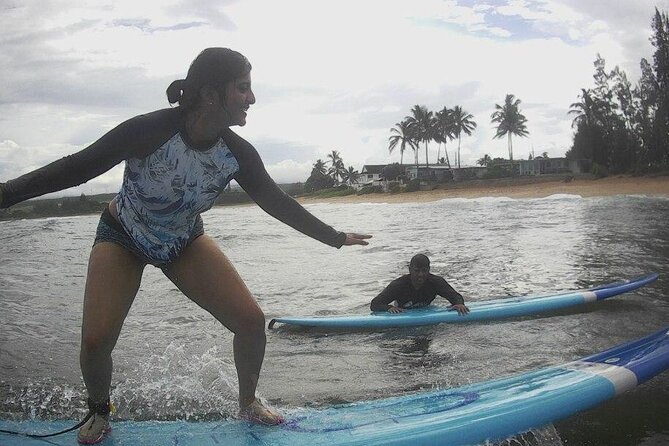
On Oahu’s North Shore, the surf scene can feel intimidating fast. This setup is designed to remove the guesswork. You’re not relying on a random instructor’s words while you’re already falling for the third time; you get real-time coaching with a clear progression.
I like that the instruction is tailored to your experience level and your goals. If you’re a total first-timer, the lesson prioritizes the basics that unlock movement in the ocean: paddling, standing, and choosing waves that match your ability. If you’ve tried before, you can shift toward longer rides and smoother control as your confidence builds.
One caution: because this is weather and wave dependent, the ocean can decide the schedule. That’s not a flaw in the program. It’s just the North Shore reality.
You can also read our reviews of more private tours in Oahu
Puaʻena Point Check-In: A Simple Start, Gear That’s Actually Useful
The meeting point is Puaʻena Point Beach Park, Kahalewai Pl, Haleiwa, HI 96712. The activity starts there and ends back at the same meeting point, so you’re not juggling a complicated return plan after you’re wiped out.
Gear is handled for you: surfboard, leash, fins, and a rash guard. That matters more than you might think. When you’re learning, the last thing you need is to waste energy figuring out equipment that doesn’t fit, feels odd, or slows you down. With the basics taken care of, your brain can stay on technique.
Also, it’s a private tour/activity, meaning only your group participates. That changes the experience. You’ll spend less time waiting and more time practicing the exact steps your instructor sees you need.
The Lesson Build: Safety, Etiquette, and Dry-Land Pop-Up Practice
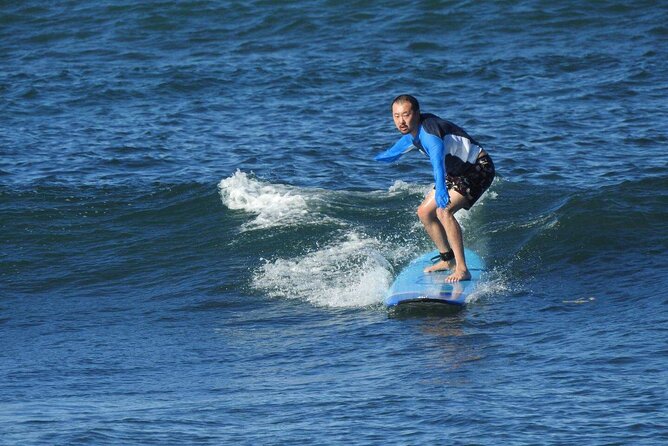
Before you hit the water, you get an overview from your instructor. The lesson kicks off with a greeting, gear handoff, and an explanation of how the session will run.
Then comes the safety briefing and surf basics. You’ll cover ocean conditions and surf etiquette, including the unwritten rules that keep things safer for you and for others sharing the lineup. You’ll also work through core surf skills: paddling, standing, and how to select beginner-friendly waves.
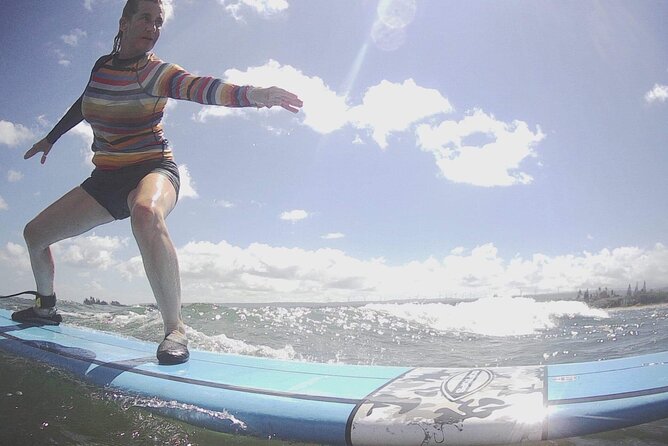
Here’s what I think is smart: you do dry-land practice before committing to the wipeouts. The lesson includes a warm-up and pop-up technique practice on land, focused on foot placement and balance. That dry-land rehearsal makes the next part feel less like a mystery. You’re not just hoping your body lands correctly; you’re training it to do the motion the same way, even while you’re getting bumped by the ocean.
If you’ve ever tried to learn from videos, you know the problem: in the water, you forget everything. Dry-land pop-up practice gives you muscle memory to hold onto.
Catching Your First Wave: Coaching That Gets You Riding
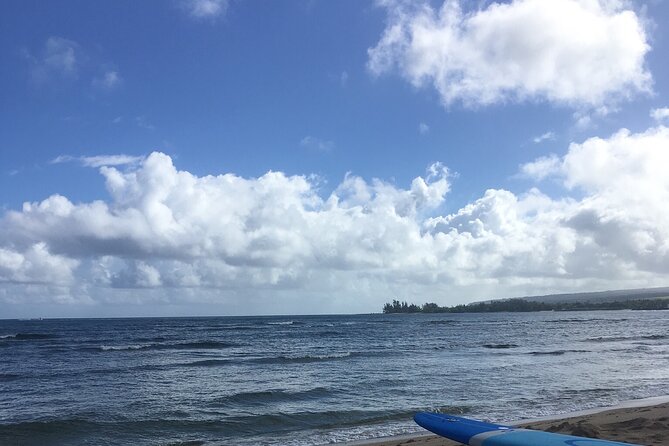
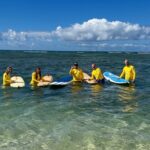
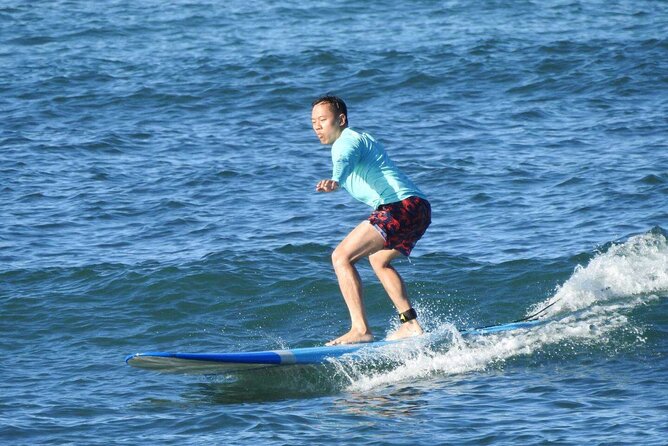
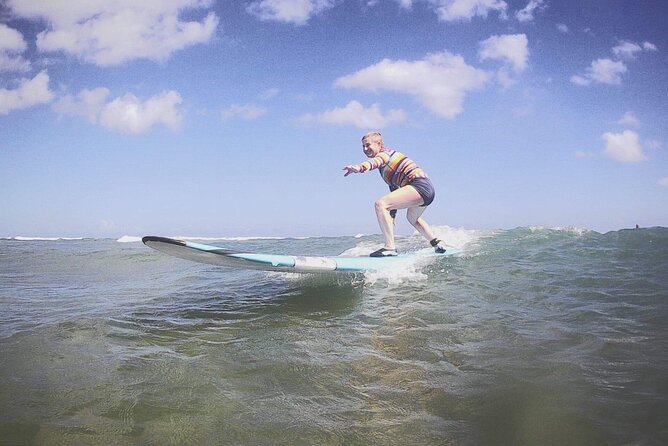
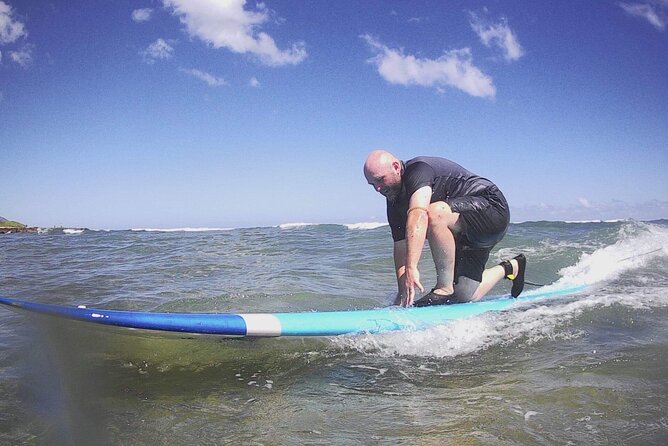
When you’re ready, you head into the ocean to catch small waves. The goal at this stage is simple: get you successfully riding by applying what you practiced.
Your instructor guides you through paddling and standing, and helps you connect the pop-up technique to the timing of the wave. That first wave ride is often the moment everything clicks, because your brain stops treating surfing like pure luck.
This is where the best part of a private lesson shows up. With one instructor focused on you, they can correct the specific issue that’s holding you back. For example, if your pop-up looks good on land but falls apart in the water, they can adjust balance cues or timing cues based on what your body is doing in real conditions.
One detail that’s worth knowing: the lesson is designed to keep you in fun, manageable surf rather than throwing you into the deep end of the North Shore. You’re there to learn, not to prove you can handle everything.
Getting Better After the First Success: Balance, Turning, and Wave Timing
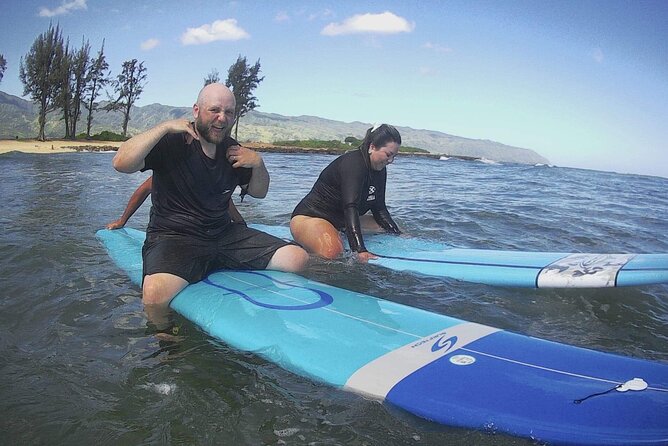
Once you’re catching waves more consistently, the lesson shifts into refinement. You’ll work on balance, turning, and wave timing—skills that make your rides feel longer and more controlled.
Instead of repeating only the basics, you’ll get feedback that helps you progress at a pace that matches your confidence. That pacing is a big deal. Too much too soon can turn learning into frustration. Too little can waste your time. This lesson aims for the middle: enough structure to improve, enough flexibility to stay fun.
In practical terms, turning and timing are where beginners often get stuck. You can stand up, sure, but staying oriented and using the wave’s energy is a different skill. With coaching, you learn what to pay attention to. You start to sense when to shift your weight and how to keep control as speed builds.
This is also where lessons can feel surprisingly personal. If your goal is simply standing and riding, the instructor will prioritize that. If your goal is staying up longer, you’ll get cues that focus on stability and timing for more duration.
You can also read our reviews of more tours and experiences in Oahu


North Shore Reality Check: Waves Can Change Plans
This activity runs rain or shine, unless conditions are too dangerous. That’s important because the North Shore doesn’t deliver the same surf every hour of the day.
One reason I’d take weather seriously here: there are times when there are simply not enough waves for a lesson to be safe or effective. In one case, the session was canceled due to no waves, and the instructor communicated by text and phone the morning of the booking. The tone was apologetic, like the goal is to help you reschedule, not just refund and move on.
So if you’re visiting around a tight schedule, plan a little flexibility. If the ocean doesn’t cooperate, you may need to try another day.
What You Get for $150 Per Person (and Why It Can Be a Smart Value)
At $150 per person for about two hours, this is not the cheapest way to touch a surfboard. But it’s also not trying to be.
The value is in what you’re buying:
- Instruction that reacts to you in real time
- Gear included, so you’re not paying separately for basic rentals
- A structured progression that lowers wasted time in the surf
If you tried to self-learn with a rental and a map, you’d likely spend a lot of time figuring out which waves to attempt and how to avoid getting in the way of other surfers. Here, you’re taught ocean conditions and surf etiquette right away, and you’re coached on choosing beginner-friendly waves. That tends to shorten the learning curve.
Also, the lesson is private, which matters when you’re learning something physical and technical. The time you spend in the water with feedback is time you can actually convert into improvement, instead of repeating the same mistake until your vacation ends.
One more note: this is often booked about 23 days in advance on average. That tells me it has traction, likely because people value the instructor attention on a busy coastline. If you want a specific time window, book early and don’t leave it to the last minute.
Who This Surf Lesson Is Best For (and Who Might Rethink It)
This lesson makes sense if:
- You’re a first-timer who wants clear steps and patience
- You’ve tried once or twice and want better wave timing and control
- You want private instruction instead of learning by chaos
- You want a North Shore experience without navigating everything yourself
It lists moderate physical fitness as the expectation. Surfing involves paddling, balance, and getting up and down repeatedly. You don’t need to be an athlete, but you should be comfortable with active movement and being in the water for the session.
Children must be accompanied by an adult. Service animals are allowed, and the meeting area is near public transportation, which is handy if you’re mixing it with other Haleiwa-area plans.
Quick Itinerary Walkthrough: What Happens From Start to Finish
This is a simple flow, which is good because you’re learning and you don’t want a complicated schedule.
Stop: Catch’a Wave
- You start at Puaʻena Point Beach Park.
- You meet your surf instructor, get gear, and get an overview of the lesson.
- You receive a safety briefing plus ocean conditions and surf etiquette basics.
- You practice pop-up technique on land, focusing on foot placement and balance.
- You head into the ocean for small-wave practice: paddling, standing, and your first successful ride.
- As you improve, you work on balance, turning, and wave timing for better control.
Then the lesson ends back at the meeting point. If you’re planning the rest of your day, leave room for sore legs and the fact that ocean time is often the main event.
Should You Book Catch’a Wave’s North Shore Private Lesson?
If you want the North Shore experience but also want to learn fast and safely, I’d book this. The lesson structure is built for beginners and for steady progress: dry-land pop-up practice, clear surf basics, and coached wave riding on manageable surf. Private instruction is the deciding factor here, especially if you want patience and correction without waiting your turn.
I’d think twice only if your trip schedule allows zero flexibility for weather and wave changes. When the ocean is calm or conditions aren’t suitable, sessions can be adjusted. If you can give the North Shore at least one backup window, you’ll get the most out of the experience.
FAQ
Where is the meeting point for the lesson?
You’ll meet at Puaʻena Point Beach Park, Kahalewai Pl, Haleiwa, HI 96712, USA. The activity ends back at the meeting point.
How long is the private surfing lesson?
It runs about 2 hours.
What is included with the lesson?
The price includes a professional surf instructor, a surfboard, a leash, fins, and rash guards.
What is not included?
Souvenir photos are not included (they’re available for purchase), and transportation to or from the activity is not included.
Is this a private lesson or shared group instruction?
It’s private. Only your group participates.
Do they teach beginners?
Yes. The lesson covers surf basics like paddling and standing and includes help with selecting beginner-friendly waves.
What should the weather be like?
The lesson is scheduled for rain or shine unless conditions are too dangerous.
How does cancellation work if weather is poor?
If the experience is canceled due to poor weather, you’ll be offered a different date or a full refund.
Can children participate?
Children must be accompanied by an adult.
Are service animals allowed?
Yes, service animals are allowed.