REVIEW · OAHU
Open Water Scuba Certification
Book on Viator →Operated by Honolulu Scuba Company and Dolphin Divers · Bookable on Viator
Scuba certification in Honolulu is one of the best ways to trade vacation time for real skills. This SSI Open Water course runs over four days across two consecutive weekends, so you get structured training plus local ocean sessions. I especially like the focus on confidence-building with patient instructors (names like Lenny, Theo, Nick, Jake, Jess, Ed, Chandler, Hunter, and Anna come up a lot), and the chance to see sea turtles and octopuses while you practice. One drawback to plan for: you’ll need your own transportation between the beach training and the ocean days.
If you’re on Oahu and you want a clear path from “I’ve never worn the gear” to “I’m officially certified,” this course is built for that. It’s capped at 8 travelers, which usually means more attention during skills work, and it includes digital learning plus most scuba gear. Still, the schedule is strict, and you should be ready for the required health questionnaire and the rule about not diving soon after flying.
In This Review
- Key Highlights You’ll Actually Care About
- Why SSI Open Water in Honolulu Feels Like Real Value
- Price and What That $495 Covers (and What It Doesn’t)
- The Two-Weekend Schedule That Builds Skills (Instead of Rushing Them)
- Day 1 at 7:00 am: Exam Review and Confined-Water Basics
- Day 2 in the Ocean: Two Ocean Sessions Where You Prove the Basics
- Day 3 Back on the Skills Track: Confined-Water Training Completion
- Day 4: Final Two Check-Out Sessions and Your SSI Certification
- What You’ll See: Turtles, Octopus, and Colorful Reef Fish
- Instructors, Group Size, and the Safety Factor
- Equipment Reality Check: What’s Included vs What You Must Bring
- Timing and Fitness: What Could Affect Your Ability to Join
- Getting Around Oahu: Transportation Is Your Job
- Who This Course Fits Best (and Who Might Hesitate)
- The Main Watch-Outs From Past Experiences
- Should You Book This SSI Open Water Course in Honolulu?
- FAQ
- What certification will I earn?
- How long is the course, and how is it scheduled?
- What time does the class start, and where do I meet?
- What scuba equipment is included, and what should I bring?
- Is transportation included?
- Are there any health or medical requirements?
- What if I need to cancel?
Key Highlights You’ll Actually Care About
- SSI Open Water certification in four days, scheduled across two back-to-back weekends
- Small group size (max 8), with a coaching style that many people describe as patient and safety-first
- Wildlife chances in Hawaii, including sea turtles, octopuses, and colorful tropical fish
- Most equipment included, but you’ll bring a few items like mask and fins/boots
- Digital learning required before day one, so you arrive ready for the shore training
- Clear day-by-day progression, from confined-water practice to ocean check-out sessions
Why SSI Open Water in Honolulu Feels Like Real Value
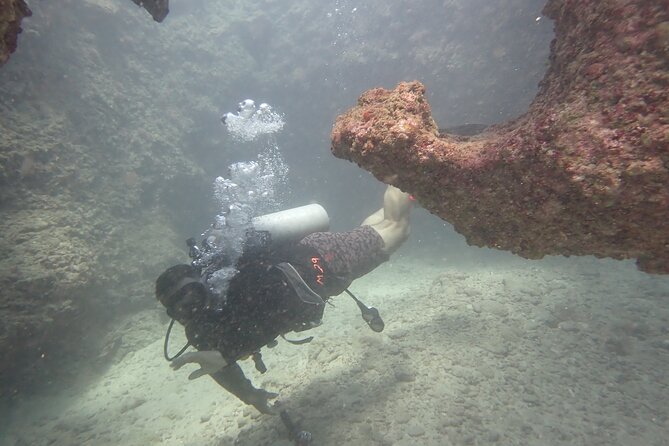
Paying $495 for scuba training is a decision, not a souvenir purchase. What makes this one feel like good value is that it’s not just “go do a fun activity”—it’s a full certification pathway that ends with SSI Open Water credentials and four logged local ocean sessions.
Honolulu also adds a practical perk: you’re taking the course in a place where scuba is a normal part of life. That matters because the training environment is set up for real local conditions, not a one-off gimmick.
You can also read our reviews of more scuba diving tours in Oahu

Price and What That $495 Covers (and What It Doesn’t)
At $495 per person, the best way to judge this cost is by what’s included in the training process. You get a professional guide and use of scuba equipment for the course, plus digital learning that’s required before you start.
What’s not included is the big add-on many first-timers forget: transportation. You’re responsible for getting yourself to the meeting point and moving around for the training days. Also, you don’t get everything scuba-related—mask, snorkel fins, and boots are on you.
If you don’t already own that gear, the price can creep up fast. The course notes that you can bring your own, or plan on rental costs starting at $175, so factor that into your total budget.
The Two-Weekend Schedule That Builds Skills (Instead of Rushing Them)
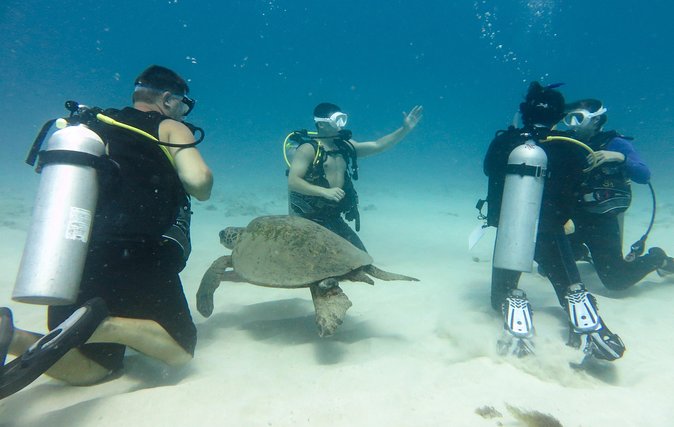
This is a four-part Open Water course designed to happen across two consecutive weekends. That structure is one of the smartest parts for most beginners because it gives you time to absorb the material, not just sprint through it.
Here’s how the training rhythm works. Day one focuses on review and confined-water work from the beach. Day two moves to ocean sessions where you test the basics in open water. The next weekend, day three finishes the confined-water checklist. Day four is the final assessment with the last open-water check-out sessions.
Day 1 at 7:00 am: Exam Review and Confined-Water Basics
Day one starts early—7:00 am at the Honolulu Scuba Company meeting point at 670 Auahi St, suite a-1, Honolulu, HI 96813. Expect a session that’s part review and part hands-on skills practice in confined-water conditions from the beach.
This first day is where the course earns its credibility. People tend to feel nervous before scuba because breathing underwater is new, loud in your head, and just plain different. Confined-water training is where you learn the mechanics and communication routines without the pressure of open water.
One theme that shows up across many instructor experiences is patience. Instructors named like Lenny, Theo, and Anna are repeatedly described as taking their time so students are comfortable with equipment and techniques before moving on.
Day 2 in the Ocean: Two Ocean Sessions Where You Prove the Basics
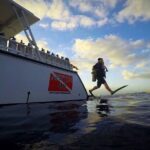
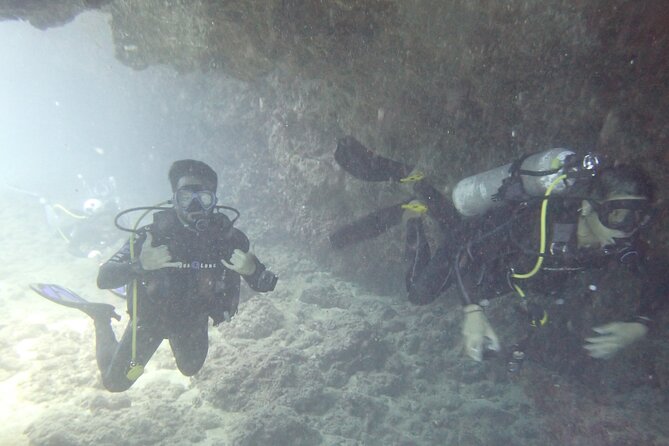
After day one, day two brings you into the ocean for two open-water sessions. This is the day that turns training into confidence, because now you’re working with real water conditions while applying the skills you built earlier.
The best part here is simple: it’s not theoretical. You’re practicing under supervision, which is how you learn what feels natural and what needs adjustment—especially buoyancy control and breathing rhythm (even if the course doesn’t list each skill by name in the overview).
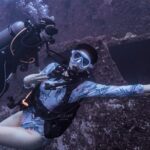
This is also where Hawaii’s wildlife becomes more than a postcard. The course highlights chances to spot sea turtles, and many people connect that expectation with actual sightings during local ocean training. It’s a major reason some students say the experience is eye-opening.



Day 3 Back on the Skills Track: Confined-Water Training Completion
The next weekend, day three continues with confined-water training to finish the skill set. If day two gave you a taste of open water, day three is where you tighten things up and smooth out any rough edges.
I like this split because it reduces the all-or-nothing feeling. You don’t get thrown into the ocean and then left to guess what you did wrong. Instead, you get a second structured chance to master the fundamentals before the final assessment.
This is also a good place to watch the group dynamic. With a max of 8 people, you’ll likely feel like you’re not just a number in a class. In the feedback, instructors like Hunter and Chandler show up with mentions of safety focus and steady pacing.
Day 4: Final Two Check-Out Sessions and Your SSI Certification
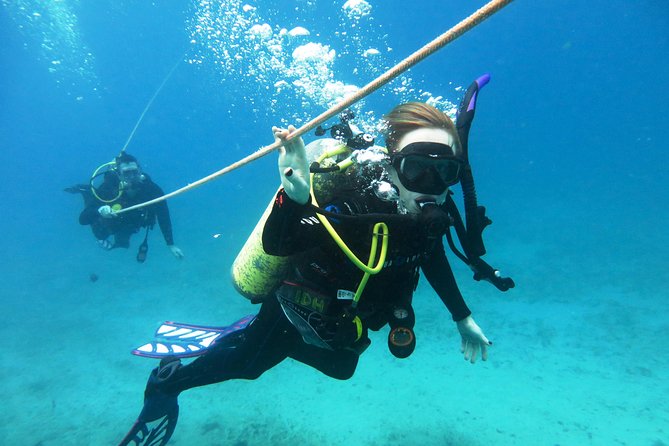
Day four includes the final two check-out open-water sessions and the end of the certification process. By the completion of training, you earn an Open Water Scuba Certification from SSI, and you’ll have logged four local scuba sessions.
This last day is where you want to be mentally prepared. If you’re the type who panics when something changes, give yourself a little grace. The course is built around comfort and control—moving you along step by step—so your job is to show up ready to follow instructions and practice what you learned.
Many people emphasize that instructors don’t push past comfort. Names like Ed, Jess, and Chandler come up with comments that students felt safe and supported even if they started out scared.
What You’ll See: Turtles, Octopus, and Colorful Reef Fish
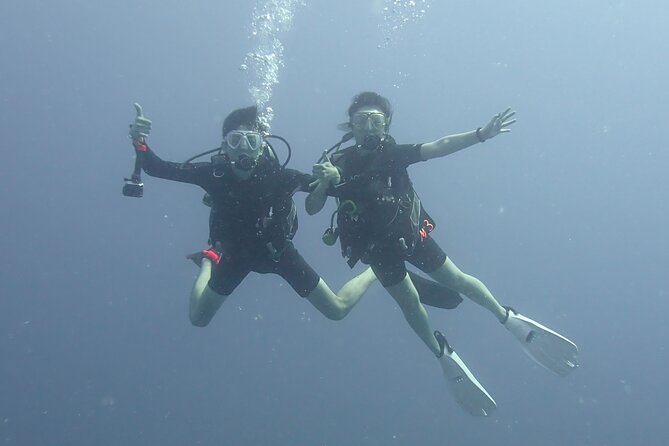
This course isn’t just about paperwork and checkboxes. You’re in Hawaii where the reef scenery and wildlife can be genuinely memorable while you train.
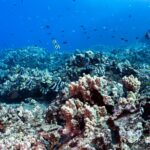
The highlights point to sea turtles and octopuses, plus colorful tropical fish. Even if your exact sightings vary by conditions, this is one of the biggest reasons the course feels worth doing on Oahu rather than somewhere else.
A practical mindset helps here: don’t treat wildlife like a guarantee. Treat it like a bonus you’ll have time to notice because the training is happening in the water, not just around it.
Instructors, Group Size, and the Safety Factor
One of the strongest signals from the feedback is that instruction style matters here. When people describe the experience as life-changing or simply “highly recommend,” it often comes down to the instructor approach: patient, calm, and clear explanations.
You’ll see repeated praise for specific names:
- Lenny for being patient
- Theo for clear basics and comfort with gear
- Nick and Jake for supportive, thorough teaching
- Jess for leadership with humor
- Ed and Chandler for safety-first coaching
- Hunter and Anna for making even scared first-timers feel prepared
- Aey is mentioned as part of the teaching team with a strong learning experience
Is that guaranteed for every student? No. But it’s a useful clue. If you like learning in a friendly, structured way, this course’s teaching culture seems aligned with that.
Group size also helps. With a maximum of 8 travelers, you’re more likely to get individual attention when something feels off with your gear or buoyancy.
Equipment Reality Check: What’s Included vs What You Must Bring
Equipment is a major cost and stress point for first-time scuba students, so read this part carefully.
Included equipment covers scuba gear overall, but you bring:
- mask
- snorkel fins
- boots
If you need to purchase or rent those items, prices start at $175. That’s not a guess—you’re told to expect that range if you don’t already have what you need.
One more practical note from the training setup: because you’re in a multi-day course, your gear comfort matters. If your mask fit is wrong, or your fins are uncomfortable, you’ll feel it every time you practice. Bring gear you already trust, if you can.
Timing and Fitness: What Could Affect Your Ability to Join
This course requires you to complete a health questionnaire prior to diving. It also notes that some pre-existing conditions (like asthma or heart conditions) may prevent you from diving, so check with your doctor.
It also says diving within 48 hours of flying is not recommended. If you’re coming from the mainland or planning a quick hop to another island, build schedule slack. It’s one of those small planning details that can save you from having to change plans.
The course expects moderate physical fitness. You don’t need to be an athlete, but you should be able to handle early starts, getting to training locations, and doing repeated skills practice.
Getting Around Oahu: Transportation Is Your Job
The big logistics item is simple: private transportation is not included. That means you need a plan for getting yourself to the meeting point and being in the right place for each training day.
The start point is Honolulu Scuba Company at 670 Auahi St. The activity ends back at that meeting point, but your in-between transport is still on you.
If you’re staying in Waikiki, you might find it easy. If you’re farther away, plan time and routes early. Starting at 7:00 am makes late decisions costly.
Who This Course Fits Best (and Who Might Hesitate)
This is class-style training designed for locals, but anyone who can meet the schedule is welcome. That alone tells you a lot about the experience: it’s structured and it expects you to show up reliably for both weekends.
You’ll likely love this if:
- you want a clear certification path ending in SSI Open Water
- you prefer step-by-step instruction and safety coaching
- you’re excited about ocean conditions and wildlife sightings
- you value small group attention (max 8)
You might think twice if:
- you can’t commit to both consecutive weekends
- you don’t have transportation figured out
- you’re dealing with medical concerns that could affect diving clearance
The Main Watch-Outs From Past Experiences
No training provider is perfect, and this one is no exception. The feedback includes a rare but important negative: one person reported last-minute cancellation after testing positive for COVID-19, and said there was no refund. That matches the course terms stating it’s non-refundable and can’t be changed once booked.
There’s also an equipment complaint in the feedback (like a torn wetsuit) and criticism of how COVID measures were handled in at least one case. If health protocols are a major priority for you, I’d email ahead and ask what the current expectations are so you feel comfortable before committing.
Should You Book This SSI Open Water Course in Honolulu?
If you want scuba certification in Hawaii without turning it into a complicated quest, this course is a strong choice. The combination of SSI Open Water certification, small group size, and multiple instructional days spread over two weekends is built for learning—not just showing up.
I’d book it if you’re serious about getting certified and you can manage the schedule and transportation. I’d pause if you’re unsure about diving clearance due to medical issues, or if you need a flexible plan because both weekends are essential.
If you’re ready to put in the work and you want a legitimate learning experience with a good shot at seeing sea turtles and octopuses, this is one of the more practical ways to turn Oahu time into a lifelong skill.
FAQ
What certification will I earn?
You’ll earn an SSI Open Water Scuba Certification after completing the full four-part course and check-out sessions.
How long is the course, and how is it scheduled?
The course runs for about 4 days total, completed over two consecutive weekends. It’s four parts: day one, day two (ocean), then the next weekend day three, and day four with final check-out sessions.
What time does the class start, and where do I meet?
The course starts at 7:00 am at Honolulu Scuba Company, 670 Auahi St suite a-1, Honolulu, HI 96813. The activity ends back at the meeting point.
What scuba equipment is included, and what should I bring?
The course includes scuba equipment, but you need to bring your own mask, snorkel fins, and boots. If you don’t have them, rental/purchase starts at $175.
Is transportation included?
No. Private transportation is not included, so you’ll need to arrange your own getting to the training locations.
Are there any health or medical requirements?
Yes. You must complete a health questionnaire before diving. Some pre-existing medical conditions may prevent you from diving, so consult your doctor if you have concerns.
What if I need to cancel?
The experience is non-refundable and cannot be changed for any reason once booked.