REVIEW · OAHU
Oahu: Shallow Reef Scuba Dive for Certified Divers
Book on GetYourGuide →Operated by Dive Oahu Inc · Bookable on GetYourGuide
This is where shallow water meets serious sea life. You’ll spend a few hours on Southern Oahu reefs built for Hawaiian Green Sea Turtles and other reef favorites. Expect clear conditions, good guidance, and two reef sessions in spots like Kaiser’s and Turtle Canyons.
What I like most is how well the crew runs the whole day. Captain Nacho keeps things calm and organized, and instructor Dan is a careful spotter, so you’re not just staring at coral hoping something swims by.
One thing to factor in: you must already be scuba-certified and ready to swim, since boarding requires proof of certification and you can’t fly within 24 hours after the underwater time.
In This Review
- Key highlights that make this worth your time
- Southern Oahu reef time from Ala Moana (3 hours, well-paced)
- Getting set up on a 46-foot Newton boat: comfort, gear, and crew energy
- Safety briefing first: what that 25 minutes is really for
- Kaiser’s Reef: a shallow reef plan built for wildlife spotting
- Turtle Canyons: volcanic reef formations and the green sea turtle factor
- Snorkeling plus scuba: why the itinerary uses both
- Wildlife you should actually hope for (and why shallow reefs help)
- Price and value: $248 for a 3-hour, two-reef experience
- What to bring and what you must have ready
- Who this scuba outing suits best (and who should skip it)
- Should you book this Oahu shallow reef scuba experience?
- FAQ
- How long is the Oahu shallow reef scuba experience?
- Where do I meet, and what parking options are available?
- Do I need scuba certification to join?
- What reef sites are included?
- Is the instruction in English?
- What should I bring?
- Can I fly after the scuba session?
Key highlights that make this worth your time
- Two shallow reef sessions off Southern Oahu, including Kaiser’s and Turtle Canyons
- Spotting-focused instruction, with instructor Dan known for watching the reef life for you
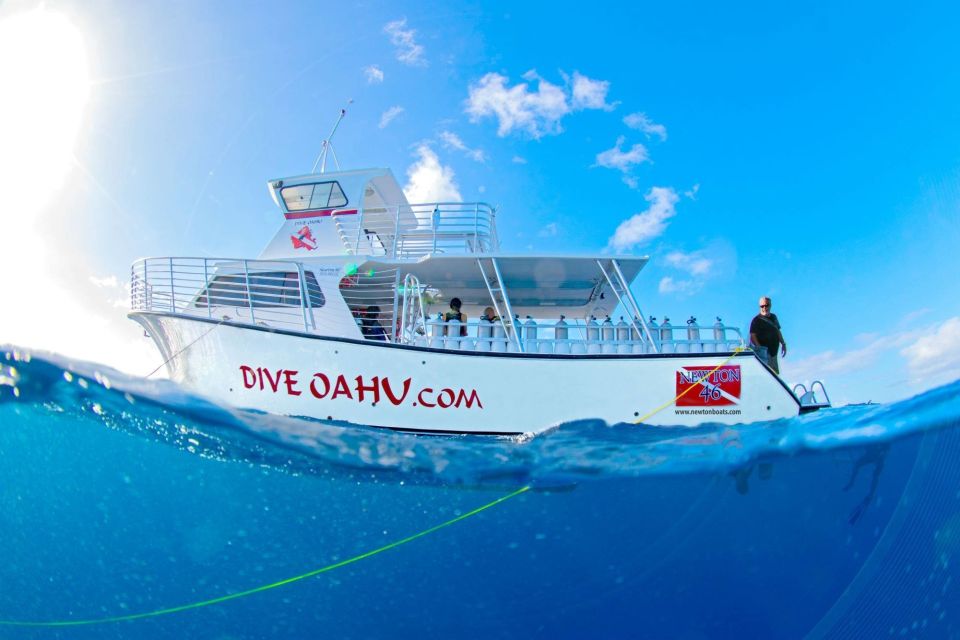
- A well-run boat day on a 46-foot Newton boat, with snacks and refreshments provided
- High odds of turtle sightings, plus chances at sharks and colorful reef fish
- Optional add-ons like GoPro rental, DPV scooter, Nitrox, a private guide, or a photographer
Southern Oahu reef time from Ala Moana (3 hours, well-paced)
This is a tight, practical outing. The total duration is about 3 hours, so it’s not one of those all-day productions where you’re stuck waiting around for weather to change. You start at Dive Oahu (Ala Moana), then you get set up and briefed before you head out.
Plan to arrive 30 minutes early. That buffer is for waivers and equipment fitting, and it makes the start smoother for everyone. If you’ve ever shown up right on time for a water-based activity, you already know how stressful that feels. Here, you’ll be glad you gave yourself room to get comfortable first.
The day moves in blocks: a pre-departure safety briefing and then two reef-focused segments, each with both snorkeling time and underwater scuba time. That rhythm helps you reset between sessions and keeps the outing from feeling like one long, repetitive swim.
You can also read our reviews of more scuba diving tours in Oahu

Getting set up on a 46-foot Newton boat: comfort, gear, and crew energy
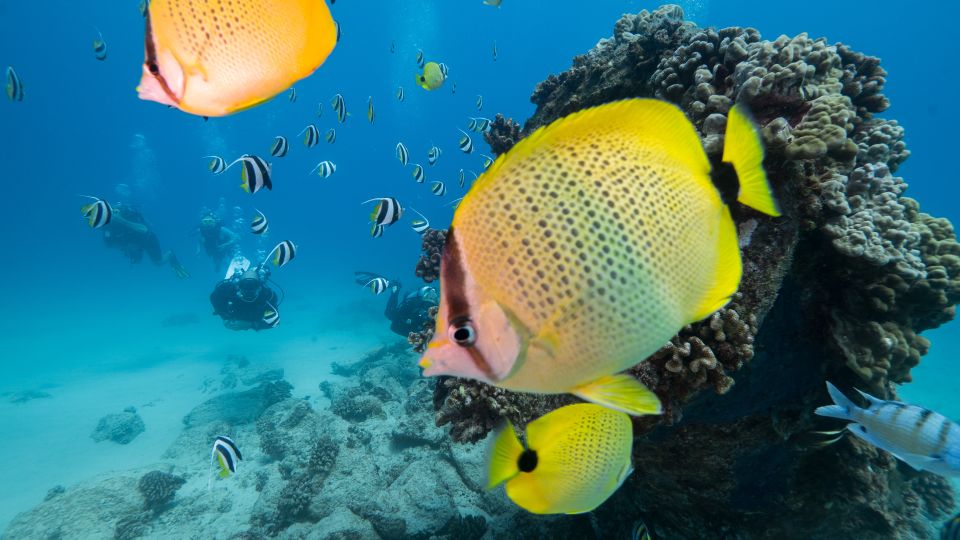
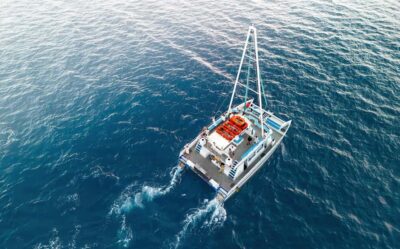
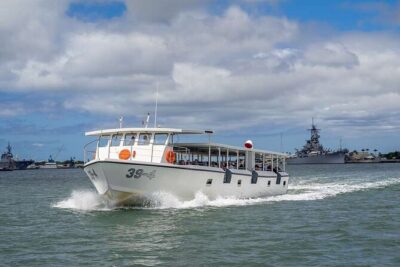
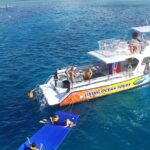
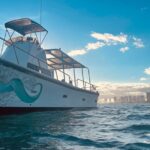
The boat side of this matters more than people expect. You’re on board either of Dive Oahu’s 46-foot Newton vessels, and the promise is comfort and amenities plus professional handling.
You’ll also get premier gear rental. That’s a big value point, because quality equipment and proper fitting directly affect how buoyant and confident you’ll feel in shallow reef water. Several past participants also singled out the gear quality and the overall organization, which is exactly what you want for a smooth, safe experience.
This is also where captain skills show up. Reviews mention captain Nacho as a standout—friendly, capable, and running the day so the instructors can focus on you in the water. You’re not left guessing what happens next, and that reduces the usual “new environment” nerves.
And yes, there are snacks and refreshments. In the Hawaii sun, a little food and a drink aren’t luxury items; they’re what keep your energy steady for the second reef session.
Safety briefing first: what that 25 minutes is really for
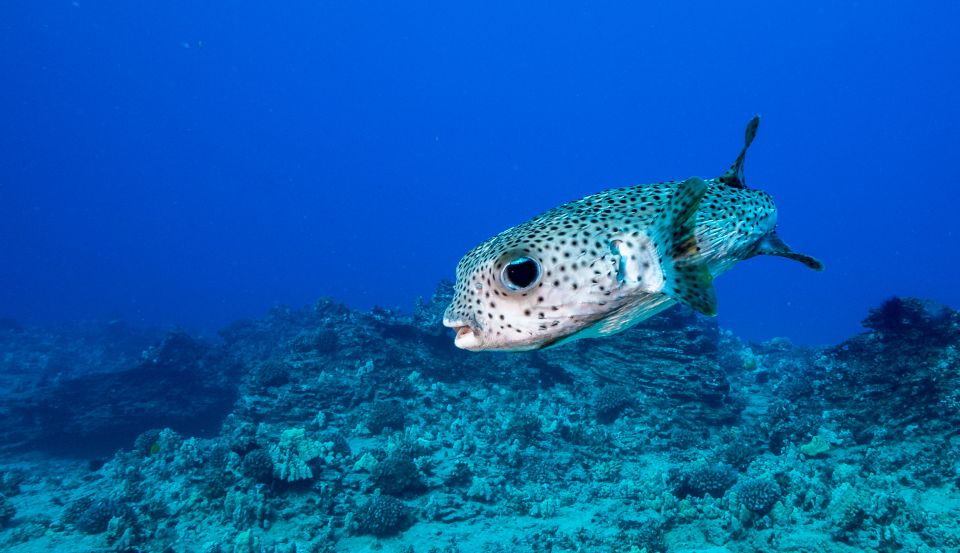
You get a 25-minute safety briefing before heading out. It’s not just paperwork talk. For certified scuba participants, this is where the crew calibrates expectations: what the plan is for the water time, how the group will move, and what to do if conditions feel different than you expected.
The tour also specifies that you need to be able to understand verbal English. That matters because good underwater experiences rely on clear communication—especially when you’re scanning for turtles, sharks, and fish all at once.
There’s also a health-and-ability requirement. You should be able to swim and be in good health. If you’re unsure about whether you’re fit for underwater time, this is the moment to decide honestly before you’re on a boat with gear on.
Kaiser’s Reef: a shallow reef plan built for wildlife spotting
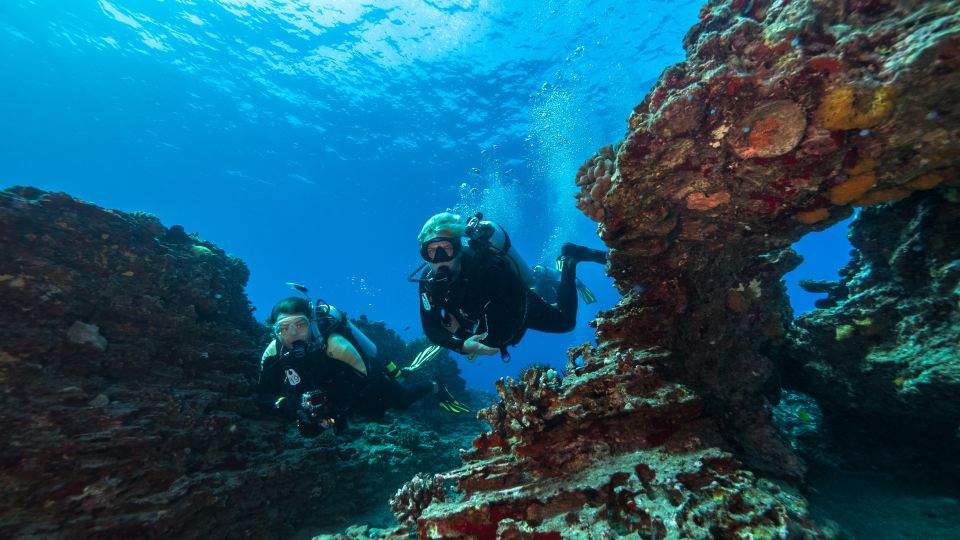
Kaiser’s is one of the reef sites included, and it’s the kind of place that works well for shallow reef experiences—enough water-life close to the action, without feeling like you’re searching for life in deep blue distance.
This is where you can expect a mix of reef creatures, including turtles and shark chances. In one review, a diver reported seeing sea turtles plus two white tip reef sharks. That’s the kind of “wait, really?” moment you hope for when you choose a guided shallow-reef format.
You’ll also likely encounter reef fish that are part of Hawaii’s underwater personality. The tour description points to species like Gold Ring Surgeon Fish, and it also sets the expectation for other reef life such as octopus (yes, you might see one if you’re lucky and watch closely).
A practical note: shallow reef water often means you’ll spend more time managing your position. That’s not scary—it’s just a different feel from deeper setups. If you’ve been practicing buoyancy and good control, Kaiser’s reef style is exactly the sort of place that can make your skills pay off.
Turtle Canyons: volcanic reef formations and the green sea turtle factor
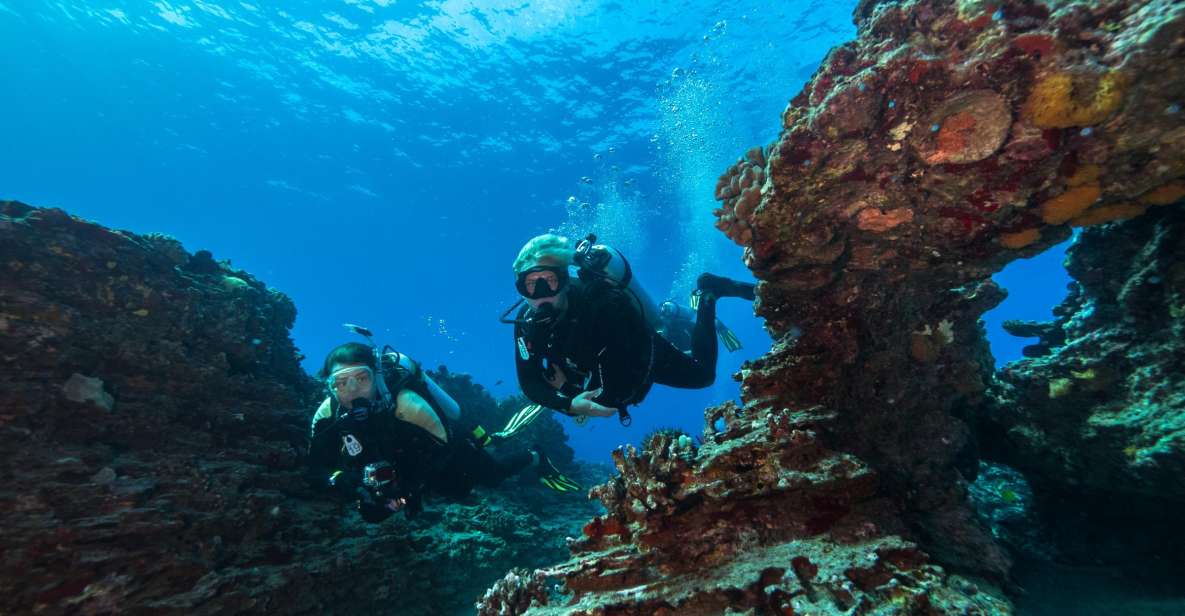
Turtle Canyons is the other named reef stop, and it’s the one that sounds most like a Hawaii postcard—volcanic shaping and canyon-like reef formations that create natural “channels” for wildlife movement.
This stop is strongly tied to Hawaiian Green Sea Turtles. The tour description emphasizes seeing turtles in their natural habitat along with other endemic species. If turtles are your main goal, this is the reef stop you’ll be mentally crossing your fingers for.
It’s also a place where fish diversity can surprise you. You might spot Gold Ring Surgeon Fish, and the description mentions the possibility of rarer reef fish like Saddleback Butterfly and Flame Angels.
In the water, Turtle Canyons tends to feel more “realtime” than “touristic.” The environment has structure—rock, slopes, and reef edges—so animals have places to swim through. That structure helps your chances, because you’re not relying only on luck in open water.




Snorkeling plus scuba: why the itinerary uses both
Even though you booked for certified scuba time, the itinerary includes snorkeling during the two 75-minute reef blocks.
I like this approach because it gives you a second way to enjoy the reef. If your first underwater segment feels busy or you’re still getting used to the boat routine, you can reset in a surface view. If you’re feeling great, the snorkeling moments can keep you mentally fresh before you go back down.
It also helps you appreciate what you’re going to see before you commit to the underwater time. You’ll get a sense of visibility, reef layout, and where the wildlife seems most active. Then when you’re in scuba mode again, you have a better mental map.
Wildlife you should actually hope for (and why shallow reefs help)
Shallow reef areas tend to reward attention. The tour description calls out possible sightings like sharks and rays, octopus, and even dolphins. While no one can promise every animal every time, shallow, structured reefs generally give you more frequent opportunities to encounter wildlife close to your path.
The review highlights are encouraging:
- Plenty of sea turtles
- A confirmed white tip reef shark sighting for at least one past group
- A team that watches closely so you don’t miss the action
That spotting piece is huge. It’s not just about having animals around—it’s about knowing where to look, when to look, and how to approach sightings without scrambling. Reviews repeatedly mention an organized, safe setup and instructors who actively find sea life for the group.
Price and value: $248 for a 3-hour, two-reef experience
At $248 per person for a 3-hour outing, the value mainly comes from what’s included. You’re paying for:
- A PADI-certified instructor
- Two reef sites (Kaiser’s and Turtle Canyons)
- Premier gear rental
- Snacks and refreshments
- Guided underwater (plus snorkeling time)
If you had to assemble those pieces on your own—equipment rental, instruction, and access to specific reef areas—you’d likely spend more time and money. Here, the structure is built for efficiency: you get briefed, fitted, and then you’re out doing the reef work for the full 3 hours.
There are also add-ons if you want to customize your day:
- GoPro rental
- DPV underwater scooter rental
- Nitrox tank rental
- Private guide and/or private photographer
Those extras can be worth it if you’re filming or you want less kicking and more glide. But if your goal is simply turtles, fish, and a smooth experience, the base package already covers the essentials.
One more practical note: the booking offers flexibility options like free cancellation up to 24 hours in advance and reserve now, pay later. That’s useful in Hawaii, where you sometimes have to be realistic about conditions.
What to bring and what you must have ready
You’ll want to come prepared so you’re not hunting for missing essentials while people are fitting gear.
Bring:
- Swimwear
- Towel
- Sunscreen
- Your scuba certification card (proof)
Before boarding, you must show proof of certification through PADI or another approved diving course. If you don’t have the card or proof you need, you may not be able to board.
Also note the travel rule: you must not be flying within 24 hours after diving. Plan your itinerary with that in mind. If you’re leaving the island the next day, this tour might conflict with your flight schedule.
And while most of the activity is water-based, it’s still a language-dependent experience: you must be able to understand verbal English.
Who this scuba outing suits best (and who should skip it)
This is aimed at certified scuba participants who want a guided shallow reef experience in Southern Oahu.
It’s not suitable for:
- Children under 10
- Pregnant women
It does include wheelchair accessibility, which is a helpful detail if mobility needs are part of your planning. You’ll still need to follow the crew’s ability and safety requirements once you’re there, since the activity has both snorkeling and underwater components.
In short: if you can swim, you’re healthy to participate, you understand English instructions, and your schedule won’t involve flying within 24 hours, you’re in the right zone.
Should you book this Oahu shallow reef scuba experience?
Book it if:
- You want two reef sessions in a short 3-hour window
- Turtles are high on your wish list
- You like the idea of strong crew organization and instruction, not a chaotic day on the water
- You’d rather pay for guided access and gear fitting than piece it together yourself
Skip it if:
- You’re not certified and can’t meet the proof requirement
- Your next flight is within 24 hours of the underwater time
- You’re traveling with a child under 10 or you’re pregnant (the activity isn’t suitable)
If you choose your reef time wisely, shallow Southern Oahu can be the sweet spot: close enough for serious wildlife encounters, guided enough that you don’t miss the action.
FAQ
How long is the Oahu shallow reef scuba experience?
The experience lasts 3 hours.
Where do I meet, and what parking options are available?
Meet at Dive Oahu. If you drive, you can park at Kewalo Basin for $2 an hour or at Ala Moana Beach Park for free.
Do I need scuba certification to join?
Yes. You must show proof of certification through PADI or another approved diving course before boarding.
What reef sites are included?
The tour includes popular reef sites such as Kaiser’s and Turtle Canyons.
Is the instruction in English?
Yes. The instructor and instruction are in English, and you must be able to understand verbal English.
What should I bring?
Bring swimwear, a towel, sunscreen, and your scuba certification.
Can I fly after the scuba session?
No. You must not be flying within 24 hours after diving.