REVIEW · HONOLULU
History & Culture Tour in Honolulu via Segway
Book on Viator →Operated by Segway of Hawaii - Kakaako · Bookable on Viator
Downtown Honolulu flashes by on two wheels. I love how this small-group Segway tour gets you to big-name landmarks like Iolani Palace and Aloha Tower without turning your day into a stair-climb marathon. The two-way radio headsets keep the guide’s explanations clear while you’re still moving.
I also like the way the route is stitched together around Hawaii’s power shifts, from the earliest missionary era into the era of kings, queens, and government buildings you can still see today. You’ll be riding past places like the 1820 Mission Houses and the Kawaiahao Church area, then fast-forwarding to palaces and state institutions.
One possible drawback: it depends on good weather, and you’re on a Segway for roughly 2.5 hours. If you’re not comfortable standing and balancing for a long stretch, it’s worth thinking twice and comparing with a walking or van tour.
In This Review
- Key things I’d prioritize before you book
- Segway + history in Honolulu: why this format actually works
- Getting rolling: what the gear and group size tell you
- Mission Houses, Kawaiahao Church, and Honolulu Hale: the 1820 starting point
- The King Kamehameha Statue and the Supreme Court: monarchy meets law
- Iolani Palace and Royal Barracks: the only palace on American soil
- State Capitol, the art museum, and Hotel Street: the city’s power blocks
- Chinatown, Bishop Street, and Merchant Street: markets, mixing, and old streets
- Honolulu Harbor and Aloha Tower: 1926, sea air, and a feeding moment
- Kaka’ako Waterfront Park, Point Panic, and the Ehime Maru Memorial
- The 2.5-hour loop: what you actually get for $254.14
- Who should book this tour, and who might prefer something else
- Should you book this Honolulu Segway history tour?
- FAQ
- How long is the Honolulu History & Culture tour?
- What is included in the tour price?
- Is round-trip transfer from Waikiki included?
- Where is the meeting point, and what time does it start?
- How many people are in the group?
- What language is the tour offered in?
- Is the tour outdoors?
- What is the cancellation policy?
- Is gratuity included?
Key things I’d prioritize before you book
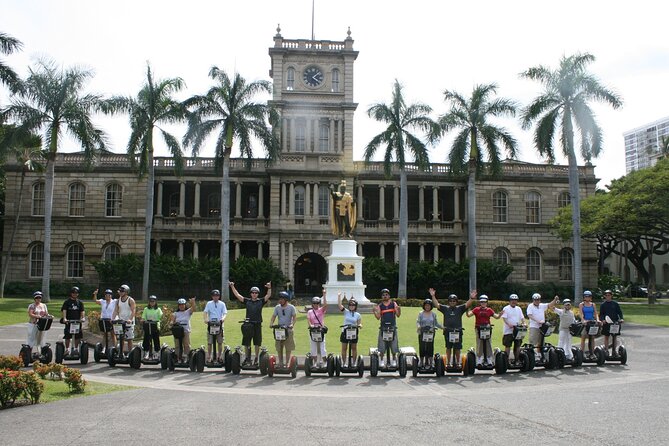
- Max 8 riders keeps it personal and helps the ride feel controlled
- Headsets with two-way radios make questions easy, not awkward
- A 2.5-hour downtown loop that hits monarchy, government, harbor, and ocean areas
- Photo stops built into the story at landmarks like Kamehameha Statue and Aloha Tower
- Waikiki transfers are optional for $20 per person, so you can decide what’s easiest
Segway + history in Honolulu: why this format actually works

Honolulu’s downtown can feel like a lot—streets to cross, buses to time, and a long list of places you think you should see. This tour fixes the main problem: it gives you efficient movement without cutting the explanations short. In practice, that means you get to spend more of your time looking at monuments and buildings, and less time figuring out routes.
The Segway part matters because the sites are spread out. Mission-era buildings, royal grounds, Chinatown blocks, the harbor, and then the ocean-side finish aren’t all clustered in one tiny walkable zone. With a small group and a guide who can keep everyone together, you’re covering real distance while staying in “tour mode.”
You can also read our reviews of more historical tours in Honolulu



Getting rolling: what the gear and group size tell you
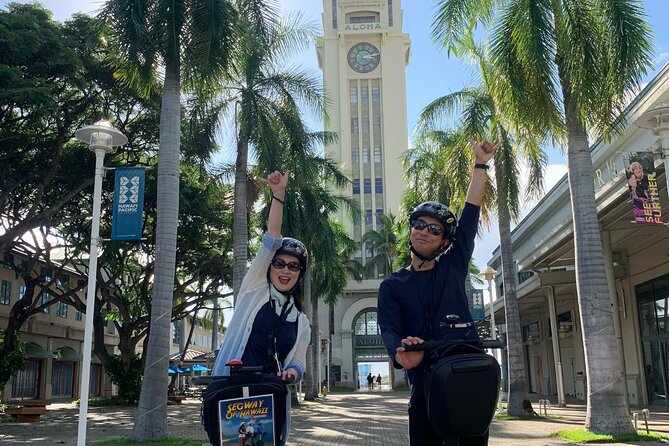
This is designed for control and comfort. You get a helmet, headsets, and two-way radio communication, so you’re not relying on hearing only the guide’s voice across street noise. That’s a big deal in a city, where traffic and crowds can make a normal walking tour feel choppy.
The tour is capped at 8 travelers, which usually means you won’t be stuck behind someone slow or dodging a parade of other groups. A tighter group also helps the guide manage stops and turns, especially when you’re moving from one landmark area to another.
In the reviews, you can feel a theme: many people felt confident after a short start because the guide helped them get comfortable and safe. Guides named Jeanne/Jeanie, Michael, Zach, and Allen come up more than once, and the common thread is clear direction plus solid answers. If you’re brand-new to Segways, that matters—nobody wants the first hour to be you wrestling your balance.
Mission Houses, Kawaiahao Church, and Honolulu Hale: the 1820 starting point
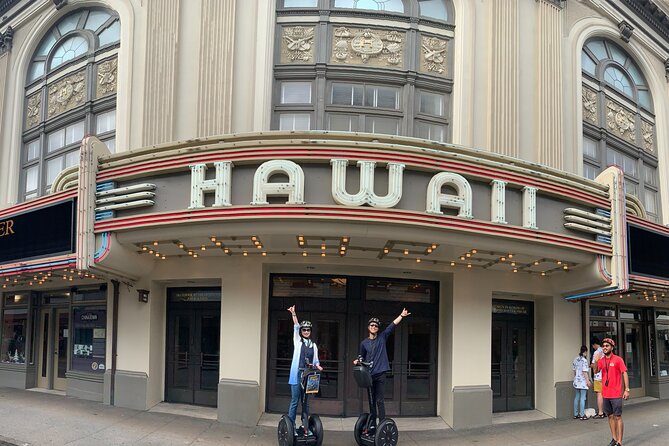
Your first stop is the Mission Houses, a set of austere buildings tied to Hawaii’s earliest Christian missionary presence, built in 1820. Even if you don’t consider yourself a “religion museum” person, this stop is useful because it sets a timeline. You’re seeing an early chapter of outside influence that shaped what came next.
Next door, you’ll spot the historic Kawaiahao Church and graveyard, also tied to 1820. The graveyard is especially important for context: it’s where many of Hawaii’s former Ali’i (royalty) are buried. That connection makes the rest of the tour hit harder, because you’re not just looking at “pretty old buildings.” You’re looking at a place where leadership is literally recorded in the landscape.
You’ll also catch Honolulu Hale across King Street, the city hall building. That quick sightline is a helpful bridge: from early missionary structures to modern civic power, the city’s governance story is visible if you pay attention to the settings.
Tip: Bring your attention to the “who lived where” question. Mission-era buildings, royal burial grounds, and government spaces all tell different parts of the same power story—your guide’s explanations will help you keep it straight.
The King Kamehameha Statue and the Supreme Court: monarchy meets law
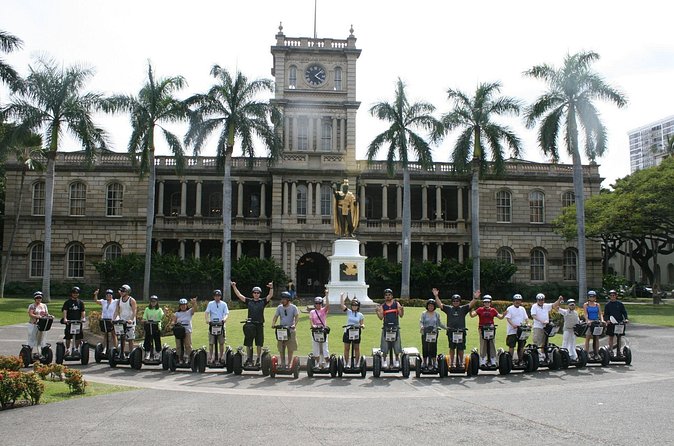
Then you glide to the gold-encrusted King Kamehameha Statue, one of three in the world. It’s positioned in front of the Hawaii State Supreme Court building, which connects the statue to a government setting rather than just a monument square.
This is the kind of stop where the Segway makes the tour feel efficient. You can see the statue up close, then you’re already in the next story beat: how the islands’ leadership and legal institutions evolved. It’s also a strong photo moment because the statue is designed to be seen.
If you’ve ever found history tours frustrating—where you only get one angle of each place—this is different. The statue isn’t treated as a standalone object. It’s a visual anchor that helps you understand why people later built palaces, courts, and governmental buildings in specific locations.
Iolani Palace and Royal Barracks: the only palace on American soil
This is one of the most important stops for anyone who wants the monarchy story without reading 300 pages. You enter the grounds of Iolani Palace and the Royal Barracks, built by King Kalakaua, and it’s described as the only palace on American soil built by a Hawaiian king. Today, it functions as a museum, but on the tour you’re guided around the grounds, not locked into a single room.
You’ll glide past standout features like the banyan trees—the kind of living landmarks that make the place feel grounded, not staged. There’s also a stop at the Queen Lili’uokalani Statue, and you’ll hear how she was Hawaii’s last ruling monarch before the American overthrow of her government and the Hawaiian Nation.
That final detail matters. The tour’s pacing makes it easier to follow the turning points. You go from earlier missionary influence to the rise and rule of monarchs, and then to the moment the political system changes.
Practical note: Palace grounds can be busy. The Segway keeps you moving as a group, and the headsets help so you’re not constantly stopping just to hear.




State Capitol, the art museum, and Hotel Street: the city’s power blocks
After Iolani Palace, you head toward Hawaii’s State Capitol Building. The architecture here is noted as unique, and you’ll see it from the Segway path as part of the broader government sweep.
You also pass the State Art Museum, which helps shift the vibe from pure politics to a “culture around power” angle. Art institutions often follow government hubs because people want their identity reflected in public spaces.
Then there’s Hotel Street, described with a colorful past. This portion gives you a sense of Honolulu as a layered city—where you can walk into a modern downtown scene and still see hints of older commercial patterns.
Chinatown, Bishop Street, and Merchant Street: markets, mixing, and old streets
This part is where the tour starts feeling more like everyday Honolulu. You head along historic Hotel Street to Chinatown’s shopping mall area, and you’ll see signs of local life in the form of noodle factories, open markets, and a mix of people from around the world. It’s not an abstract “Chinatown overview.” It’s a living area.
Then you move toward Honolulu’s “Wall Street,” Bishop Street—along with Merchant Street, which has artistic buildings. You’ll also pass historic transportation buildings that are described as more than 150 years old. That detail is useful because it connects the downtown core to the logistics and commerce that helped shape the city.
This is a good section for anyone who wants more than just monuments. It gives you a sense of how the cultural story continues through daily activity—food, shopping, and the street life that keeps the city from becoming a set of postcards.
Honolulu Harbor and Aloha Tower: 1926, sea air, and a feeding moment
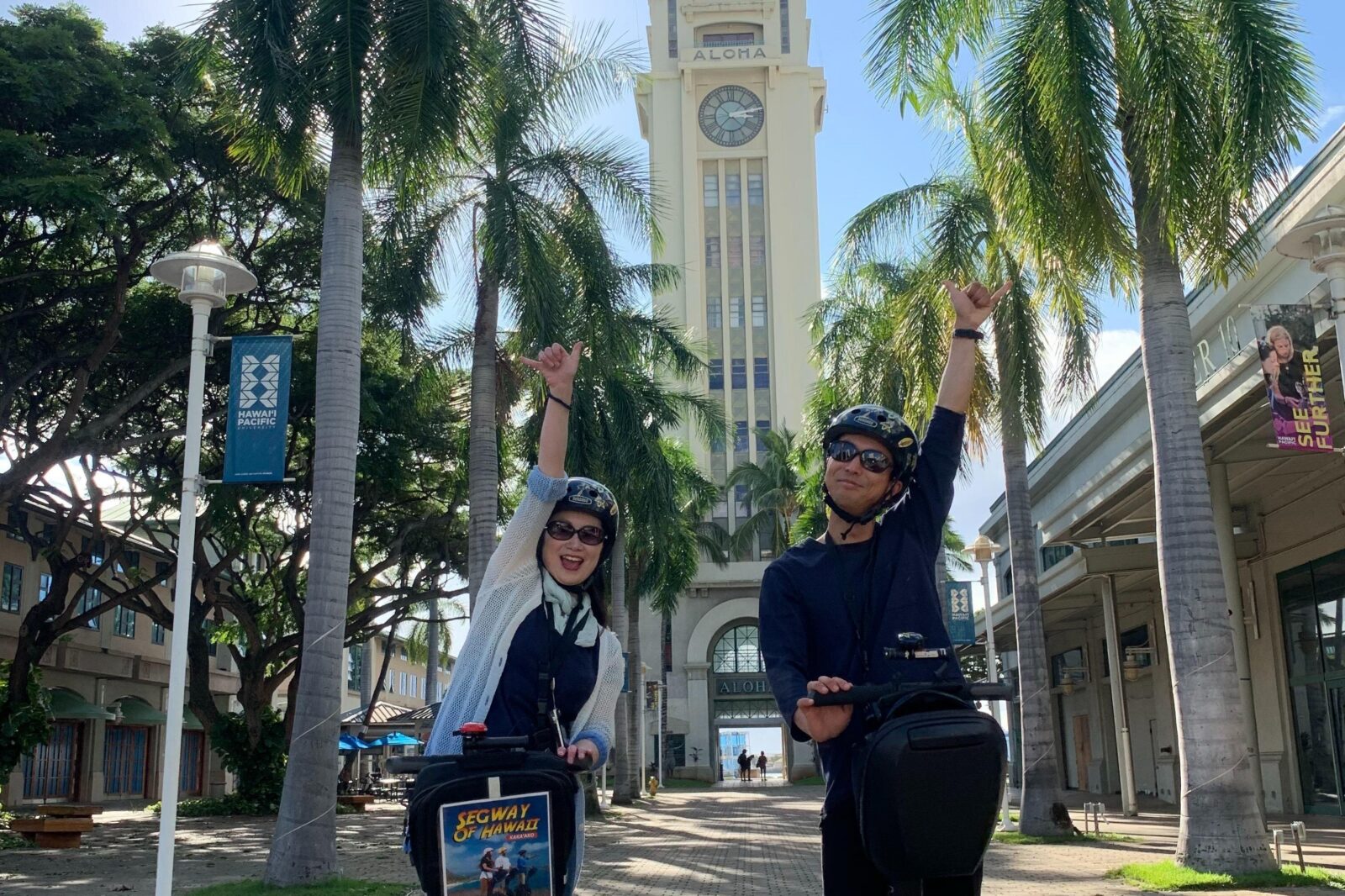
Next comes the harbor, and you’ll see the famous Aloha Tower, built in 1926. It was once the tallest building in Hawaii, and it still acts like a landmark compass—if you’ve seen photos of Honolulu before, you’ll recognize it immediately.
The tour also notes a restored coral reef and fish that come close for feeding nearby. That’s a standout because it adds movement and something current to a story that could otherwise feel stuck in old photographs. You’re riding past a major shipping-era icon, then you’re watching something alive in the water.
This section is also a reminder that Honolulu’s identity is tied to the ocean, not just the downtown skyline. The harbor is where commerce, travel, and daily island life collide.
Photo strategy: Keep your camera ready for the tower angles from the ride path, not only for stationary shots. The Segway pacing gives you more than one viewpoint without making you sprint.
Kaka’ako Waterfront Park, Point Panic, and the Ehime Maru Memorial
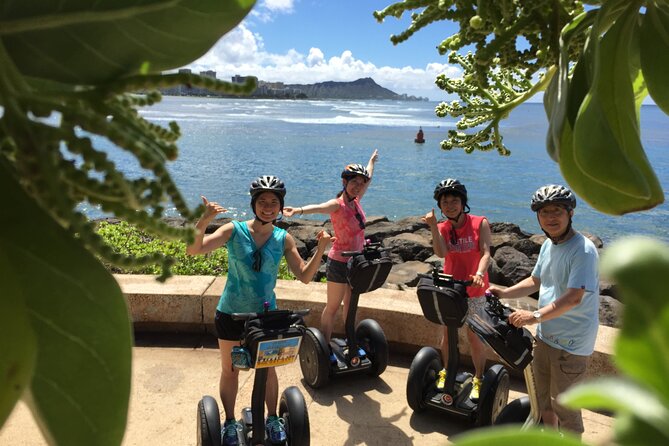
After the harbor, you glide back toward the ocean at Kaka’ako Waterfront Park. The Promenade is where you’ll notice the waterfront’s energy, including surfers at Point Panic. Even if you don’t surf, it’s a great “Honolulu right now” contrast to the earlier palace-and-court stops.
Then you move up the hill to see the Ehime Maru Memorial and the Echo Stone. This is a reflective part of the route. Memorials often get treated like quick photo stops, but the tour structure gives it enough presence that you can absorb what it’s for.
The pacing here is important. You’ve already covered monarchy and civic institutions. Adding a memorial and a reflective waterfront moment helps round out the day so the story isn’t only about power and politics.
The 2.5-hour loop: what you actually get for $254.14
The price is $254.14 per person, for about 2 hours 30 minutes. That sounds steep until you factor in what you’re getting: a Segway experience with helmet gear, bottled water, and a guide with headsets and two-way radio so you’re not missing the key explanations. It’s also small-group, max 8, so you’re paying for time with the guide, not just the ride.
You’re not just “seeing places.” You’re getting guided context at multiple locations in one session. If you only have a short window in Honolulu, this can be better value than piecing together several separate taxis and a half-day of fragmented sightseeing.
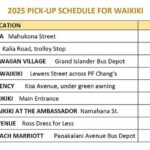
One more value detail: transfers from Waikiki are available for an additional $20 per person round-trip. If you’re staying in Waikiki, that can be worth it because the meeting point is in the Kaka’ako area (1687 Kalauokalani Way, Honolulu). If you’d rather save money, you can plan to get there some other way since it’s near public transportation.
Also, on average it’s booked about 54 days in advance, so don’t assume you can grab a slot last minute—especially if you’re traveling around popular dates.
Who should book this tour, and who might prefer something else
This is ideal if you’re:
- A history buff who wants the big anchors—monarchy, government, and landmark architecture—without a long walking grind
- Short on time in Honolulu and want a lot of ground covered with clear explanations
- Curious about a Segway but want the experience run with radios/headsets and tight group control
It may be less ideal if:
- You’re traveling at a time where weather could be unreliable, since the experience requires good weather
- You’re not comfortable riding a Segway for about 2.5 hours, even though most travelers can participate
If you’re the type who likes to move through a city with your eyes up—monuments, streets, and ocean views—this tour fits your style.
Should you book this Honolulu Segway history tour?
If you want a faster way to cover downtown Honolulu while still getting the story behind what you see, I’d book it. The combination of small group size, two-way headsets, and a route that jumps from missionary-era sites to palaces, harbor icons, and Kaka’ako’s waterfront makes it feel like a real “best-of” session without rushing past everything.
Book it confidently if you like practical sightseeing with guidance—especially if you’re excited about Iolani Palace, King Kamehameha’s presence, and the Aloha Tower harbor vibe. Just keep one thing in mind: you’re relying on good weather, and you’ll be on a Segway for the full ride window.
FAQ
How long is the Honolulu History & Culture tour?
It runs for approximately 2 hours 30 minutes.
What is included in the tour price?
Included are bottled water, a knowledgeable tour guide, a colorful helmet, and a two-way radio headset.
Is round-trip transfer from Waikiki included?
No. Round-trip transfer from Waikiki to Kaka’ako costs $20 per person and is available if you request pickup.
Where is the meeting point, and what time does it start?
The meeting point is Segway of Hawaii – Kaka’ako Store Keeer Building, 1687 Kalauokalani Way, Honolulu, HI 96814. The tour starts at 9:00 am.
How many people are in the group?
The tour has a maximum of 8 travelers.
What language is the tour offered in?
The tour is offered in English.
Is the tour outdoors?
Yes, and it requires good weather. If it’s canceled due to poor weather, you’ll be offered a different date or a full refund.
What is the cancellation policy?
You can cancel for a full refund up to 24 hours before the experience starts.
Is gratuity included?
No. Gratuity for your tour guide is not included in the tour price and is greatly appreciated.