REVIEW · HONOLULU
Oahu: Mauka Warriors Luau Honoring Polynesia’s Forgotten History
Book on Viator →Operated by Mauka Warriors Luau · Bookable on Viator
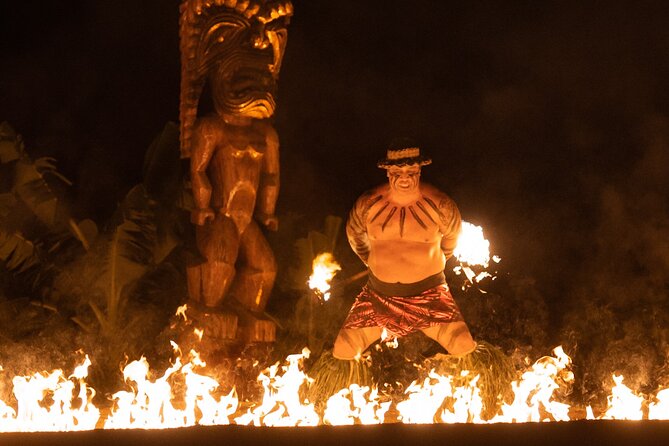
Battle stories meet fire knives in Oahu. This luau takes place on the sacred Battle of Kipapa site, with performers bringing King Kamehameha I and warrior-era storytelling to life. I especially like the way the show links Battle of Kipapa to what you see in hula, drumming, and onstage action.
I also love the all-you-can-eat feast setup, because the food is generous and the buffet flow is quick enough that you’re not stuck waiting while the evening moves on. On top of dinner, you can jump into hands-on stations like Polynesian tattoos, headband weaving, hula lessons, and other cultural activities before the main performance.
One consideration: the pre-show activities may feel more like short demonstrations than a full, step-by-step class. If you’re hoping for very specific workshop outcomes (like making a lei), check your expectations and be ready to enjoy what’s actually offered that night.
In This Review
- Key things to know before you go
- Mauka Warriors Luau on the Battle of Kipapa Grounds
- Price and What You Get for About $145
- Pickup Times, Timing, and How the Night Actually Runs
- Coral Crater Adventure Park Views and the Pre-Show Village Setup
- The Island Feast: Kalua Pork, Taro Rolls, Pineapple, and More
- Hands-On Activities: Tattoos, Weaving, Hula Lessons, and Games
- The Storytelling Arc: Great Battle of Kipapa and King Kamehameha I
- Fire-Knife Performances and Dance Across Polynesia
- Seating, Outdoor Comfort, and What to Do With Waiting Time
- Alcohol, Drinks, and One Big Practical Warning
- Is This Luau for Your Group?
- Should You Book Mauka Warriors Luau?
- FAQ
- What is included in the Mauka Warriors Luau ticket?
- What food will you get at the feast?
- What performances are part of the show?
- Where are the pickup locations and what time should you be ready?
- Do I need to choose transportation for pickup and drop-off?
- Is the luau outdoors?
- Is alcohol available?
- What happens if the weather is bad?
Key things to know before you go
- Battle of Kipapa storytelling: War-era history of Oahu’s warriors is built into the performance narrative.
- Fire-knife and dance up close: The show focuses on dramatic fire work plus dance stories across Polynesia.
- Hands-on stations before dinner: Tattoos, weaving, hula, and games are built into the early part of the night.
- Fast-moving buffet for an outdoor event: The all-you-can-eat line is set up to keep things flowing.
- Pick-up options from Waikiki and the cruise terminal: Multiple hotel areas and Pier 2 are covered on select packages.
Mauka Warriors Luau on the Battle of Kipapa Grounds
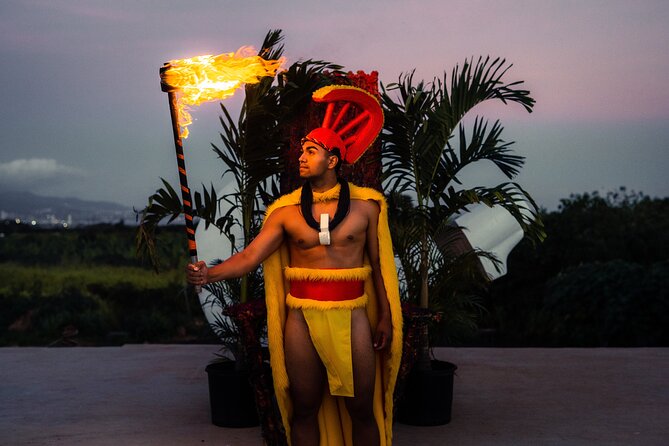
This is not the usual luau formula of just songs, costumes, and pig on a plate. Mauka Warriors Luau is built around the idea of warrior history—Oahu’s battles and the drive to unite the islands—then translated into performance through hula, drumming, and fire-knife.
What I like most is that the setting does the heavy lifting. The show happens on the sacred Battle of Kipapa site, and the story doesn’t feel like a random theme. You’re watching the evening unfold with context: Oahu’s defenders, the campaign led by King Kamehameha I, and the bigger Polynesian picture that includes performances tied to places like Tonga, Fiji, Samoa, Tahiti, and the Cook Islands.
Also, it’s outdoor. That matters. You’ll feel like you’re inside a night village rather than a dark auditorium, and you get that open-sky sense of place that makes the fire work look even more dramatic.
You can also read our reviews of more historical tours in Honolulu

Price and What You Get for About $145
At about $145.55 per person for roughly a 4-hour experience, you’re paying for two big things: the dinner show package and the extra cultural stations before the performance. This isn’t a bare-bones ticket where you sit and watch while dinner happens “somewhere else.”
Here’s why the math can work for you:
- You get the Polynesian feast (all-you-can-eat style), plus the included admission to the show.
- You also get hands-on activities before the main performance, not just a single event.
- Pickup and drop-off can be added if you choose the transportation package (fees apply).
If you’re comparing luaus on Oahu, the main value question is simple: do you want a one-size-fits-all dinner show, or do you want food plus structured activities plus a performance with fire-knife and warrior history storytelling? If the answer is the second one, this is priced in the “do it once properly” range.
One last pricing note: many people feel the VIP or premium seating level is worth it if you really care about seeing facial expressions and getting a closer view of performers. If you’re someone who hates being far back, it’s the kind of upgrade that tends to pay off.
Pickup Times, Timing, and How the Night Actually Runs
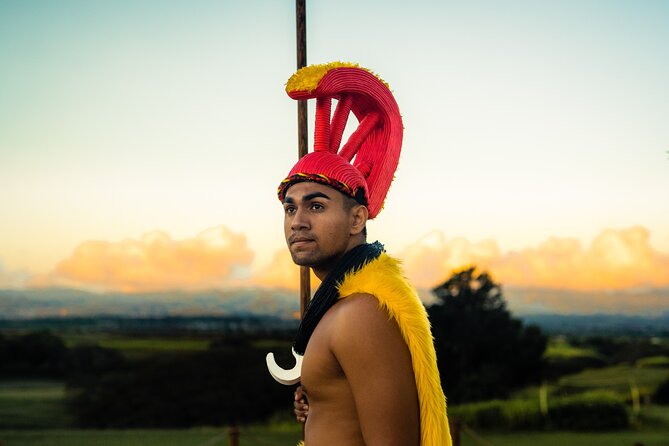
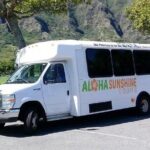
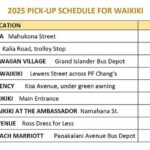
This luau runs in the late afternoon into the evening, and the biggest practical help is the included pickup option (when you select transportation). The pickup window depends on where you’re staying, with scheduled times such as:
- Ala Moana Hotel at 3:30pm
- Hilton Grand Vacation Club – The Grand Islander Waikiki at the bus depot at 3:45pm
- Several Waikiki properties around 3:45pm to 4:15pm
- Pier 2 Cruise Terminal at 4:25pm
You’ll want to treat pickup as a real appointment, not a suggestion. The pre-show stations begin before dinner, so arriving on time gives you the option to actually participate rather than slip in after the “hands-on” part is halfway done.
Also keep in mind the group size limit: the event caps at up to 350 travelers. That’s large enough that the show and buffet need to run smoothly, but small enough that the atmosphere still feels like a coordinated village rather than a random food court.
Coral Crater Adventure Park Views and the Pre-Show Village Setup
You start at Coral Crater Adventure Park. The setting helps you understand the flow of the night: food first, then you move through activity stations, then you settle in for the main show.
A few things that make this stop worth your attention:
- The view helps set the scene. You’re up high enough to see Honolulu from the area around the park.
- You’re not rushed. There’s time to eat, move around, and pick an activity that sounds fun.
- You get a “village” feel as performers and staff guide you from station to station.
The outdoor layout also means small comfort choices matter. If you’re visiting during cooler parts of the year, plan for it. You may want a light layer even if it’s warm earlier in the day, because evening air on Oahu can feel cooler once the sun drops and you’re sitting waiting for the show.
The Island Feast: Kalua Pork, Taro Rolls, Pineapple, and More

The Polynesian feast is all-you-can-eat style, and it’s the kind of lineup that helps everyone in your group find something that fits. Based on the provided menu, you can expect items like:
- Slow cooked Kalua pork
- Fresh-baked taro rolls
- Grilled pineapple
- Fresh-cut sautéed vegetables
- Chicken thighs with pineapple BBQ sauce
- Purple Okinawan sweet potatoes
- Vanilla cake with pineapple frosting
What I like about this menu is the balance. You get smoky, savory food from the kalua pork, plus softer bread in the taro rolls, then fruit-forward flavors from grilled pineapple and pineapple sauce. There’s also at least one clearly vegetarian-friendly side (the sautéed vegetables and sweet potatoes), and that helps if you’re traveling with picky eaters.
The buffet layout matters too. People consistently comment on the speed and organization of the line, which is a big deal at outdoor events where you don’t want your dinner to eat up the show.
One practical tip: eat earlier in the buffet window if you want maximum time for activities afterward. If you treat dinner like a race, you’ll likely still have time to sample, but you might miss some stations.


Hands-On Activities: Tattoos, Weaving, Hula Lessons, and Games
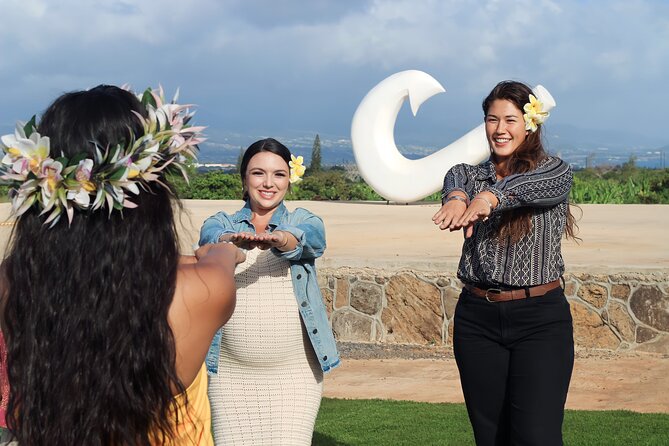
The pre-show part is one of the main reasons this luau gets so much love. You get hands-on activities before the performance, and the list can include:
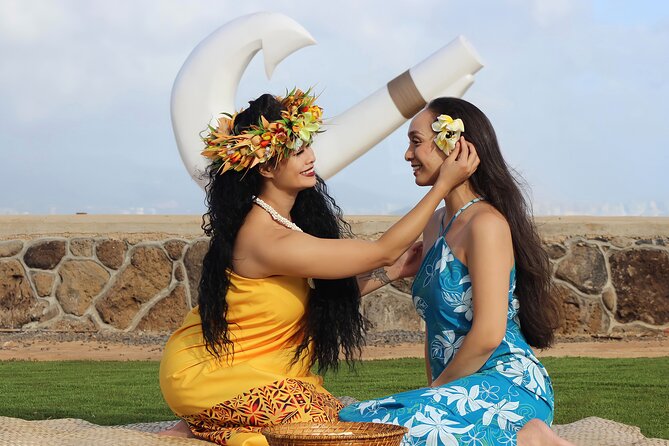
- Polynesian tattoos
- Cooking-related activities
- Authentic Maori games
- Headband weaving
- Hula lessons
- Other cultural stations
This is where you should adjust expectations. The experience is set up for fun and participation, not for deep certification-level instruction. In other words: you’ll probably leave with a new skill or two, but it’s not a full class where you perfect a craft.
I also want you to watch for the “description vs reality” issue. Some past guests said certain hands-on items that sounded like full workshops didn’t run the way they expected (like lei-making or warrior games). That doesn’t mean you’ll be bored. It just means you should view this section as short, guided cultural participation.
If you want the most out of it:
- Go right after you arrive.
- Pick one or two stations rather than trying to do everything.
- Ask staff what’s happening right then if you’re aiming for a specific activity.
The Storytelling Arc: Great Battle of Kipapa and King Kamehameha I
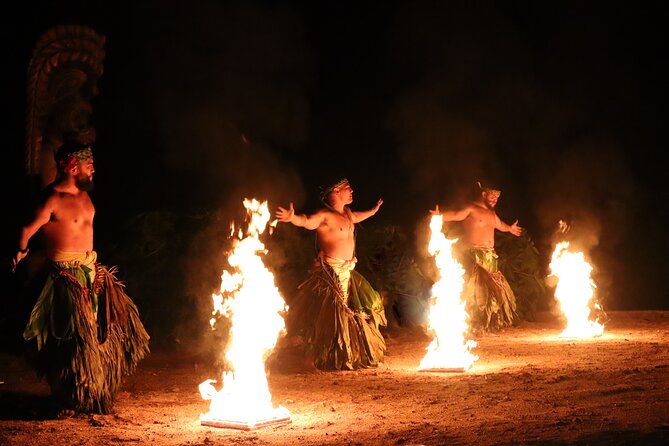
The main show is where the “Mauka Warriors” concept becomes clear. You’re not just watching dance; you’re watching a storyline about Oahu’s warriors defending the island from invasion during the Great Battle of Kipapa. You also hear about King Kamehameha I and his campaign to unite the Hawaiian Islands.
This matters because it changes how you read the performance. Fire and drumming stop being just spectacle and start working as storytelling tools. When the pacing shifts, it’s usually tied to narrative beats—warriors, defense, unity, and the wider Polynesian connections.
There’s also a strong emphasis on respect: the show includes acknowledgments of military and veterans, and the overall tone is warm and welcoming rather than harsh or purely aggressive.
One more detail that helps: the emcee and performers bring humor and character. That makes it easier to enjoy even if your group has mixed interests—one person wants history, another just wants the fire, and everyone still has something to enjoy.
Fire-Knife Performances and Dance Across Polynesia

The performance includes:
- Fire-knife performances
- Cultural dance segments
- Music and drumming that support the transitions in the story
- Dance styles connected to other islands, including Tonga, Fiji, Samoa, Tahiti, and the Cook Islands
The fire work is the big visual payoff, and it’s staged to be seen clearly from most angles in the venue. Many people say there’s no bad seat, and that’s a rare compliment for a large outdoor setup.
If you choose VIP or higher-level seating, the upside is mostly visibility. Being closer helps you catch facial expressions, hand details, and the intensity in the performers’ movements. If you’re traveling with someone who loves shows and wants the best view, it’s the upgrade that tends to feel most justified.
Also pay attention to how the cast interacts. After the show, you may have the chance to take photos with performers, and it’s done in a way that doesn’t feel like you’re being herded out at full speed.
Seating, Outdoor Comfort, and What to Do With Waiting Time
This is a fully outdoor experience. That means:
- You’ll be in open air for the pre-show and show.
- You’ll want some comfort planning. Even if it’s hot earlier, a light jacket can make the difference between tolerable and pleasant.
Waiting time is real because the show needs to coordinate a large group. The good news is that the event is organized, and people describe staff as kind and helpful. Bathrooms are also reported as clean, which sounds basic, but at outdoor shows it’s a deal-maker.
If you’re sensitive to long waits, the best strategy is simple:
- Eat first.
- Move through one or two stations.
- Then find your seat with enough time to get comfortable.
Alcohol, Drinks, and One Big Practical Warning
The biggest “gotcha” is alcohol. Based on the information available, the show does not appear to provide alcoholic beverages in the usual way. Some guests mention BYOB and non-alcoholic options like water and mocktails.
There’s also at least one reported instance of a liquor-license issue that led to a BYOB setup and a partial refund for affected ticket holders. That’s not something you can plan for perfectly as a traveler, but you can plan around it:
- Assume you might not get a guaranteed cocktail service.
- If alcohol matters to your group, be ready to bring your own based on what you’re told when you arrive or on the day’s communication.
- Keep the expectation anchored on the food and show first.
Soft drinks and water are part of the available drink options, so the evening won’t hinge on alcohol.
Is This Luau for Your Group?
This is a strong pick if you want:
- Fire-knife performances plus dance
- A storyline tied to Oahu’s battles and King Kamehameha I
- A luau that includes activities before dinner, not just a show
It’s also a reasonable family choice. The event is described as kid-friendly, and the interactive stations give kids a reason to stay engaged rather than just sit and watch.
If your group is mostly interested in history, the Battle of Kipapa narrative helps. If your group is mostly into spectacle, the fire work is the star. If you’re someone who hates rushed experiences, the overall organization and buffet flow are a plus.
Should You Book Mauka Warriors Luau?
Book it if you want a more story-driven luau with fire-knife, a real all-you-can-eat feast, and hands-on cultural activities before the show. At around $145, it’s priced like a full evening, and many people feel the quality of the performers and the structure make it worth it.
Skip or shop around if:
- You’re counting on specific, guaranteed craft workshops like lei-making.
- Alcohol is a must-have part of your luau experience. The available information suggests BYOB or limited alcohol service can be part of the picture.
If you’re flexible, bring a light layer for the outdoor evening, eat early, and treat the activities as short guided participation, you’ll likely get a memorable night that feels closer to a living cultural gathering than a packaged tourist performance.
FAQ
What is included in the Mauka Warriors Luau ticket?
Your ticket includes the Polynesian feast, the hands-on activities, and admission to the performance. Pickup and drop-off are included only if you select the package that includes transportation.
What food will you get at the feast?
The menu includes slow cooked kalua pork, taro rolls, grilled pineapple, fresh-cut sautéed vegetables, chicken thighs with pineapple BBQ sauce, purple Okinawan sweet potatoes, and vanilla cake with pineapple frosting.
What performances are part of the show?
The show includes cultural dance, Hawaiian war history storytelling, and fire-knife performances, with additional dance segments representing other islands such as Tonga, Fiji, Samoa, Tahiti, and the Cook Islands.
Where are the pickup locations and what time should you be ready?
Pickup times vary by location. Examples include Ala Moana Hotel at 3:30pm, Hilton Grand Vacation Club – The Grand Islander Waikiki at 3:45pm, and Pier 2 Cruise Terminal at 4:25pm.
Do I need to choose transportation for pickup and drop-off?
Yes. Pickup and drop-off are only included if you select the transportation option. If you don’t choose it, pickup and drop-off are not included.
Is the luau outdoors?
Yes. The experience is described as completely outdoors.
Is alcohol available?
Alcohol availability is not confirmed as standard. Some information from past guests indicates BYOB may be possible and that non-alcoholic drinks like water and mocktails are available. There have also been reports of liquor-license issues affecting service.
What happens if the weather is bad?
This experience requires good weather. If it’s canceled due to poor weather, you’ll be offered a different date or a full refund.