REVIEW · OAHU
Certified Divers: Best 2-Tank Wrecks & Reef Boat Dive All Inclusive From Waikiki
Book on Viator →Operated by Waikiki Dive Center · Bookable on Viator
Mornings here start with shipwreck sightings. This certified-only two-tank wreck-and-reef boat outing runs from 6:45am, and it’s built for people who want real underwater structure and wildlife, not just a casual swim around. I love the safety-first crew leadership reported by divers (Capt Jim, Alex, Scott, and Yoshi), and I love the marine life odds: turtles, eels, eagle rays, and sometimes manta sightings show up on the second stop. One drawback to plan around: depending on conditions and site, the wreck time can feel shorter than you might hope, so if you want more bottom time, consider a private guide.
This trip only works if you bring proof of certification. The shop requires evidence before you go, and the rules are especially strict when a shipwreck and any night scuba session are on the plan, so have your paperwork ready at check-in.
Finally, timing matters. One guest described a rough morning due to a flight delay and a reroute, then a reschedule two days later, so I’d treat arrival buffers like part of the itinerary—especially if late check-in over 15 minutes can cancel your spot.
In This Review
- Key Things That Make This Trip Worth Your Time
- 6:45am Waikiki Pickup and a 5-Hour Window That Actually Works
- Certified-Only Scuba With Clear Conservation Rules
- Stop 1: Sea Tiger, YO-257, or San Pedro Wrecks
- Stop 2: Reef Time for Turtles, Rays, and Coral Color
- On the Boat: Equipment, Snacks, and a Crew That Keeps Things Moving
- Price and Value: Does $259 Make Sense for a 2-Tank Day?
- Weather, Delays, and the Rules That Can Bite (Know Them Up Front)
- Who This Is Best For (And Who Should Look Elsewhere)
- Should You Book This Two-Tank Wreck-and-Reef Trip?
- FAQ
- Is this tour for certified divers only?
- What wreck sites might we visit?
- What happens after the wreck stop?
- Is scuba equipment included?
- How long is the trip?
- Where do we meet, and what time does it start?
- How big is the group?
- Can I get a full refund if I cancel?
- How far in advance do I need to avoid flying after scuba?
Key Things That Make This Trip Worth Your Time
- 6:45am start from 424 Nāhua St in Waikiki means an early, organized morning on the water.
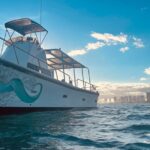
- USCoastguard-certified dive vessels keep the operation focused and professional.
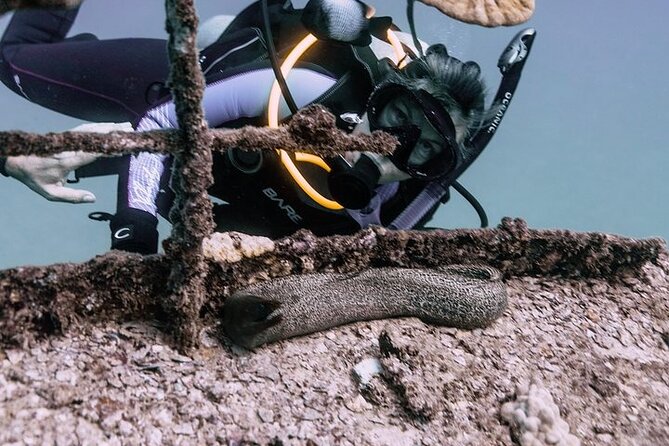
- Wreck choices include Sea Tiger, YO-257, or San Pedro, with the exact site depending on what’s best that day.
- A reef follow-up is designed to deliver Hawaiian sea life after the shipwreck.
- Premium scuba equipment plus snacks and bottled water are included, so you’re not nickel-and-diming basics.
- Max group size is 20, which usually helps when you want the guide to manage everyone well.
6:45am Waikiki Pickup and a 5-Hour Window That Actually Works
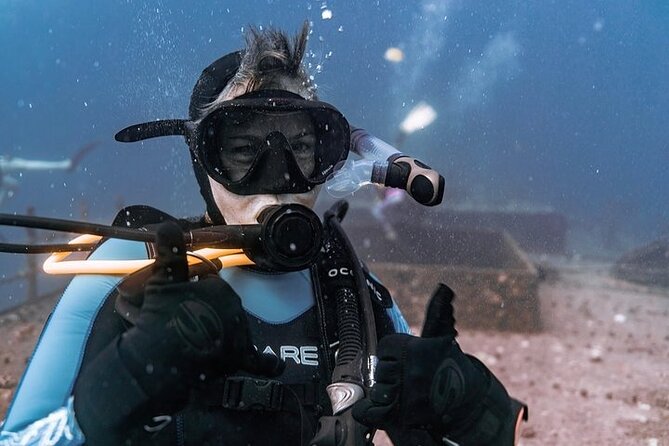
This is an early departure. The meeting point is the shop at 424 Nāhua St, Honolulu, and the start time is 6:45am. The whole outing runs about 5 hours, so you get two underwater experiences without losing a full day of your Hawaii schedule.
That early start matters more than it sounds. Morning trips often mean calmer logistics on the boat, and you’re far less likely to be rushed by the day’s plans. If you’re staying in Waikiki, the location is convenient—easy to find before the ocean part of the day begins.
The group size is capped at 20 travelers, which is a sweet spot for this kind of format. Too-small boats can feel chaotic, and too-large groups can mean long waits while equipment gets checked. Here, the setup is clearly meant to stay controlled.
One practical point: plan to arrive with enough slack that you’re not bargaining with time. Late check-in over 15 minutes can automatically cancel the trip and trigger the full booking charge. I’d rather be early than “technically on time.”
You can also read our reviews of more boat tours in Oahu
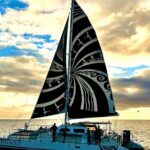
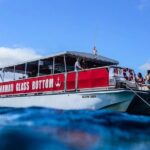
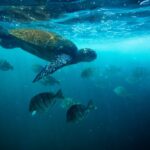
Certified-Only Scuba With Clear Conservation Rules
This is not for first-timers. It’s a guided tour for certified divers only, and you must show evidence of your certification at check-in. The operator also flags that the certification requirement is tied to the shipwreck portion and any night scuba session, so don’t assume a generic card will cover everything—bring what you’re told to bring.
Once you’re underwater, the biggest “how it feels” detail is the conservation rule that you must follow. Hawaii law requires divers to stay close to the local dive guide during the entire tour. That’s good news if you like structure. It reduces drifting, helps the guide manage buoyancy and spacing, and makes the experience more consistent for everyone on the boat.
It also changes the vibe from free-for-all to guided teamwork. If you’ve spent time in crowded sites, you already know how much calmer the water feels when everyone follows the plan and doesn’t wander.
Finally, this is run by licensed, insured professionals, and the operator specifically notes PADI-certified, licensed, and insured personnel. In other words: you’re not just buying a boat ride—you’re buying a real scuba operation with standards.
Stop 1: Sea Tiger, YO-257, or San Pedro Wrecks
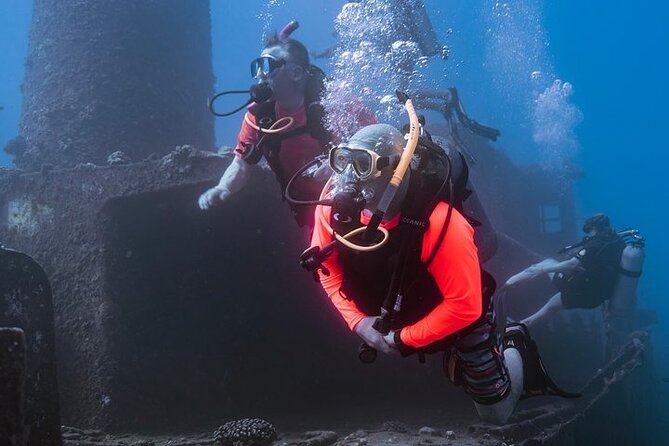
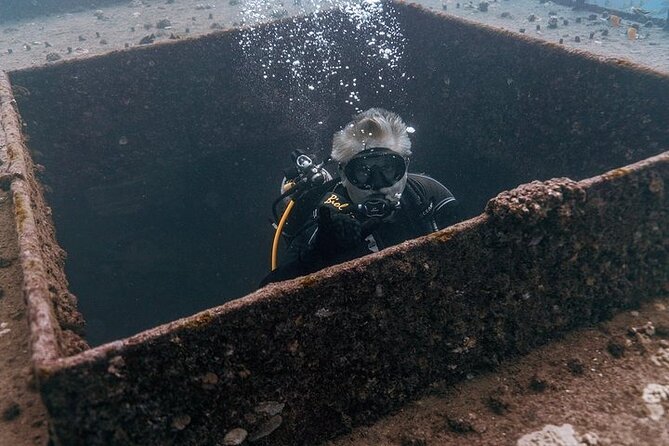
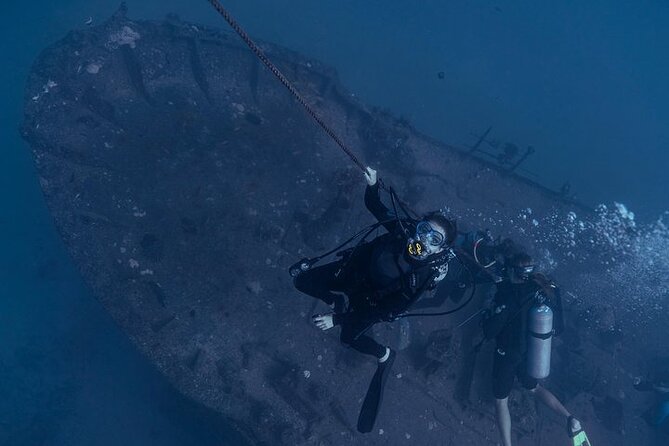
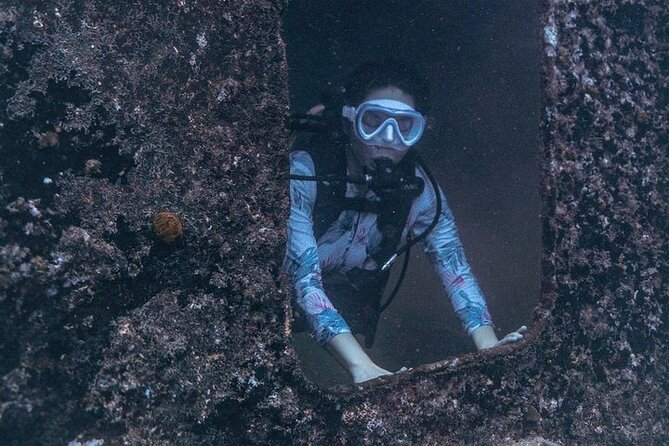
Your first underwater stop is one of three wrecks: Sea Tiger, YO-257, or San Pedro. Which one you get depends on conditions, planning, and what the operator thinks fits the day best.
Wreck diving has a particular payoff: you’re looking at something shaped by time, not just coral growth. Wrecks also tend to attract sea life that uses the structure for cover. That’s exactly the kind of “why am I here?” moment this tour is built around.
A couple of real-world details help you set expectations:
- One guest described a Sea Tiger experience going to about 130 feet, with major wildlife sightings like turtles and sharks.
- Another diver felt the wreck portion can be relatively short—about 20 minutes underwater—with a surface interval around 30 minutes—and noted they personally prefer longer time.
So here’s the practical takeaway: if your goal is maximum underwater minutes at the wreck, this may not always match that preference. The operator does offer a solution—a private guide—which can mean more tailored bottom time and more one-on-one attention.
If you’re flexible and you care more about seeing the wreck and getting the whole day’s arc (wreck first, reef second), the two-stop rhythm can be a plus. You’re not only chasing time; you’re collecting two different underwater worlds.
Stop 2: Reef Time for Turtles, Rays, and Coral Color
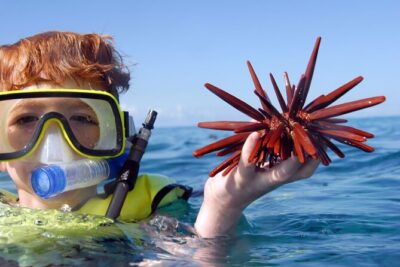
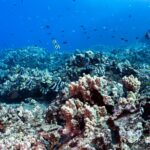
After the wreck, the tour shifts to a local reef dive for Hawaiian sea life. This second stop is where you often slow down and enjoy the surroundings—native wildlife, reef structure, and the kind of calm you want after a more focused wreck approach.
Wildlife sightings reported include:
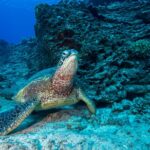
- Turtles (more than once, and often in numbers)
- Eagle rays
- Manta sightings
- Eels and lots of smaller reef fish
One diver described the reef portion as a longer, more satisfying stretch, estimating around 45 minutes. Another guest said the second stop delivered plenty of marine life with another round of rays.
I like that this itinerary doesn’t treat the reef as a checkbox. It’s a planned follow-up. You’re not just going back to the surface to say you finished. You’re getting a second chance for sightings—especially the kind of animals that tend to be easier to spot on reef structure than inside the confines of a wreck.
On the Boat: Equipment, Snacks, and a Crew That Keeps Things Moving
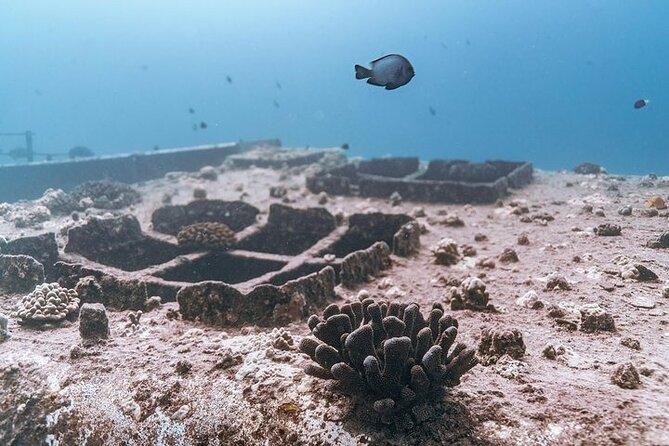
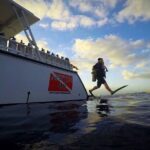
You get scuba equipment included, along with snacks and bottled water. That’s real value on a tour like this because it removes the “logistics tax.” You’re traveling to the shop, fitting gear, then going straight onto the boat without needing extra purchases.
The operation is also described as organized and efficient. Several divers specifically praised that equipment was well maintained and that safety stayed front and center. Names that came up include Capt Jim, Alex, Scott, and Yoshi, with feedback that the masters and instructors were friendly but also serious about getting everyone through safely.
One more detail that’s small but memorable: there’s a playful captain-hat moment. One review called out a moment involving K, with the idea being that the experience feels less like a factory and more like a real crew day at sea.
In practice, what you should care about most is how gear checks and briefings affect your stress level. When a crew runs a tight schedule, your biggest worry becomes enjoying the water—not managing chaos.
You can also read our reviews of more scuba diving tours in Oahu
Price and Value: Does $259 Make Sense for a 2-Tank Day?
At $259 per person, this is priced like a full service morning. You’re paying for:
- a guided operation
- USCG-certified boat transport
- two underwater sessions (wreck plus reef)
- equipment
- basic onboard needs like snacks and bottled water
Where value lands for me is in the structure. Two-tank trips are often the sweet spot when you want variety without paying for extra days. If you were to piece together boat time, gear rental, and guided service separately, the total typically gets higher fast—especially around Waikiki where demand is steady.
That said, one guest felt the management limited the value in their situation. They described a reroute due to a flight delay that left them arriving exhausted with no credit, plus the wreck time feeling brief. That’s not a reason to avoid the trip, but it is a reason to go into it with the right expectations: you’re buying a schedule-driven experience, not a flexible buffet.
If you want “more time underwater” as a priority, the operator’s own suggestion is to book a private guide. That’s the lever you can pull when you want a less standardized day.
Weather, Delays, and the Rules That Can Bite (Know Them Up Front)
This outing depends on good weather. If conditions are poor, the company will offer a different date or a full refund. That’s the fair kind of contingency.
But other rules are stricter:
- Confirmation is received at booking, and you have a mobile ticket.
- Travelers should have a moderate physical fitness level.
- A failed medical questionnaire at check-in (noted specifically for beginners) can mean forfeiting reimbursement, refund, and free rescheduling.
- Don’t plan to fly too soon after scuba. The reminder is to not scuba 18 hours prior to flying and also avoid doing scuba and flying on the same day.
The big one for stress: late arrival. If you miss the window by more than 15 minutes, the trip can be canceled automatically and the full charge applies. And if your flight is delayed, you may be encouraged to proceed with what’s left of the schedule because refunds aren’t part of the approach.
I’m not saying “don’t book.” I’m saying treat this like a real appointment. The ocean won’t pause for your gate change, and the operator’s policies reflect that reality.
Who This Is Best For (And Who Should Look Elsewhere)
This tour fits you well if you:
- are a certified diver who wants wreck-and-reef variety in one morning
- care about seeing wildlife around structure (turtles, rays, eels, and sometimes manta)
- like a guided day with conservation-style spacing and a crew that emphasizes safety
- enjoy efficient schedules and don’t need a long, slow pace
It may feel like the wrong fit if you:
- want lots of extra underwater minutes at the wreck every time
- are very sensitive to schedule disruptions or you’re flying in without buffer
- are not prepared for strict check-in requirements (certification proof and medical questionnaire rules)
If you fall into the “I want longer time” category, you already have the answer: private instructor/guide options. That’s the cleanest way to tailor the day.
Should You Book This Two-Tank Wreck-and-Reef Trip?
Book it if you’re a certified diver who wants a focused, well-run Waikiki morning with two different underwater experiences—first structure and shipwreck atmosphere, then reef life. The combination of included gear, guided management, and the odds of turtles and rays makes it a strong value at $259.
Skip it or switch plans if you know you’ll struggle with early timing, strict check-in rules, or you’re mainly chasing long bottom time. In those cases, the standardized two-tank schedule can feel short at the wreck.
My practical rule: if your schedule is stable and you’re comfortable following a guide closely for conservation, this is the kind of day you’ll be glad you booked.
FAQ
Is this tour for certified divers only?
Yes. This is a guided tour for certified divers, and you need to present proof of your scuba certification at check-in.
What wreck sites might we visit?
The wreck options listed are Sea Tiger, YO-257, or San Pedro, depending on what the operator chooses for the day.
What happens after the wreck stop?
After the wreck stop, the plan includes a second stop at a local reef to see Hawaiian sea life.
Is scuba equipment included?
Yes. The tour includes use of scuba equipment, along with snacks and bottled water.
How long is the trip?
It runs about 5 hours (approx.).
Where do we meet, and what time does it start?
Meet at 424 Nāhua St, Honolulu, HI 96815 at 6:45am. The activity ends back at the meeting point.
How big is the group?
The maximum group size is 20 travelers.
Can I get a full refund if I cancel?
Yes. You can cancel up to 24 hours in advance for a full refund. If you cancel less than 24 hours before the start time, the amount paid is not refunded.
How far in advance do I need to avoid flying after scuba?
The reminder provided is to not scuba and fly the same day, and to not scuba 18 hours prior to flying.