REVIEW · OAHU
2 Tank Private SCUBA Party Diving Charter from Waikiki Hawaii
Book on Viator →Operated by WAIKIKI DIVE CENTER · Bookable on Viator
Two tanks is all it takes for pure ocean magic. This private 2-tank scuba charter around Oahu pairs local captains with PADI-certified instructors, so you get hands-on guidance and a shot at wildlife like turtles and octopus. I love the small-group feel and the way gear and support are handled so you can focus on the water, not the logistics. One thing to consider: you’ll need the right readiness for scuba, including medical screening, and first-timers sometimes benefit from extra prep.
The second reason I really liked it: the experience stays flexible enough to keep things smooth for mixed experience levels. You’re not stuck in a rigid “one-size-fits-all” plan, and the crew you hear about by name (like Chad, Taylor, and April) tends to be praised for calm, step-by-step coaching. Expect a smooth, structured morning or afternoon flow, not a chaotic free-for-all.
In This Review
- Key Points That Matter Before You Go
- A Private 2-Tank Charter From Waikiki: What You’re Really Buying
- Meeting at 424 Nāhua St and the Waikiki Convenience Factor
- How the 3-Hour Flow Works: Two Stops, One Smooth Morning
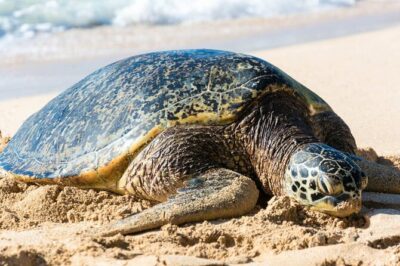
- Wildlife You’ll Want to See: Turtles, Eels, Octopus, Eagle Rays
- Private Coaching for Different Skill Levels: Good for First-Timers and Certified Scuba Participants
- Safety and Confidence: Captains, USCG Vessels, and Medical Screening
- Price and Value: When $2,399 Is Worth It (and When It Isn’t)
- What You Should Bring (and What You Can Leave at Home)
- Should You Book This Private 2-Tank Scuba Charter?
- FAQ
- How long is the private 2-tank charter?
- What locations do we visit?
- How many people are in the group?
- Is scuba certification required?
- Is transportation included from Waikiki hotels?
- What equipment is included?
- What should I do if I flew recently?
- What’s the cancellation flexibility if the weather or plans change?
Key Points That Matter Before You Go
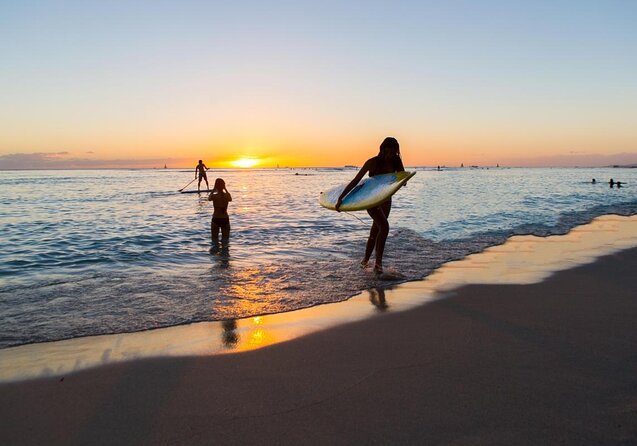
- Private 2-tank charter with personalized attention, capped at a small group size
- PADI-certified instructors plus a local captain on a US Coast Guard certified vessel
- Round-trip Waikiki transportation and gear handling that keeps you moving
- All scuba and snorkeling equipment provided, so you can travel lighter
- Likely wildlife sightings like green sea turtles, moray eels, octopus, and spotted eagle rays
A Private 2-Tank Charter From Waikiki: What You’re Really Buying
This isn’t a mega-boat with a loud roll call and a one-size plan. You’re paying for control: your group stays private, your instructor support is closer, and you get more of the on-the-spot adjustments that make scuba feel doable and fun.
With a 3-hour window and two separate underwater stops, the format is built for good momentum. You’ll get time in the water for the first tank, surface, reset, then head out again for the second tank. That structure matters because it reduces the “rush” feeling you can get when schedules stretch.
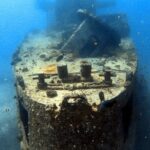
You’re also buying into the local experience. The charter is run from Waikiki with a captain and instructors who focus on Oahu’s best reef and wreck-style underwater terrain. That’s how you end up with the wildlife list that people get excited about: turtles, moray eels, octopus, and spotted eagle rays. In plain terms, the goal is not just being underwater—it’s seeing the stuff that makes Oahu special.
You can also read our reviews of more private tours in Oahu
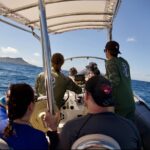
Meeting at 424 Nāhua St and the Waikiki Convenience Factor
Most of your success here starts before you even put on a mask. The meeting point is 424 Nāhua St, Honolulu, and the operator offers round-trip transportation from Waikiki hotels. If you’re staying in the Waikiki bubble, that convenience is a big deal: fewer taxis, less timing stress, and a calmer start.
It’s also useful that they’re set up for fast gear readiness. A lot of the positive energy in the stories you hear is about how quickly everyone is fitted and ready to go. Names that come up with praise for that smooth, organized vibe include Taylor, Chad, and April.
Two small details that help in real life:
- You receive a mobile ticket, so you’re not digging through emails or printing anything.
- They collect fit info like shoe size and T-shirt size when you book. That’s a quiet way of saying they’re trying to reduce last-minute scrambling.
If you’re prone to being late (no judgment—I’ve done it), build in a buffer anyway. Even with great organization, scuba days run on water and weather, not optimism.
How the 3-Hour Flow Works: Two Stops, One Smooth Morning
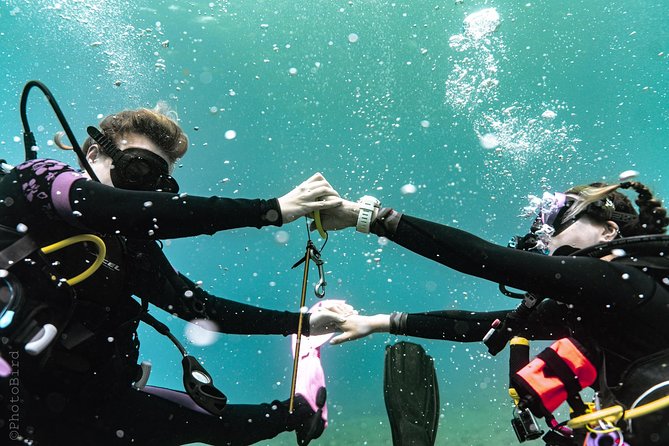
You can think of the day as a quick cycle:
- Gear up and check in at the start point
- Head to the first underwater location
- Use Tank 1 with coaching as needed
- Surface interval and reset
- Head to Tank 2 location
- Back to the meeting point
The exact sites can vary based on conditions, but the structure stays consistent. That’s a benefit for you because you’ll know what to expect: you’re not wondering when the tank changes will happen or when the pace will shift.
This is also where “private” shows up in how the crew can manage your comfort. Instructors like Chad are repeatedly praised for patient, clear explanations—especially for people who need extra time to get comfortable in the water. If you tend to feel rushed in new equipment, that calm coaching matters more than you’d think.
One scheduling reality: this trip is short. It’s built for quality water time, but it won’t feel like a half-day cruise. If you want lots of time floating above the surface and taking photos from the boat, you might find the 3-hour format a bit tight. If you want two good underwater experiences with a strong chance at wildlife, the timing is right.
Wildlife You’ll Want to See: Turtles, Eels, Octopus, Eagle Rays
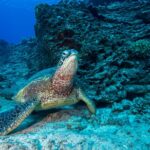
Let’s talk about the reason most people choose this charter: the wildlife odds. The expectation set includes:
- Sea turtles
- Moray eels
- Octopus
- Spotted eagle rays
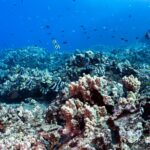
And beyond that, people also report seeing a mix of reef life—crab, sharks, and parrotfish get mentioned in the stories. What that means for you is simple: you’re not just going to “look around.” You’ll have guidance on where to focus, and the crew aims for stops where spotting is likely.
A useful tip: if you’re trying to maximize sightings, listen closely during the pre-water briefing. Most spotting success comes from positioning and timing—knowing when to watch and where to look, rather than chasing every movement like it’s a game of underwater whack-a-mole.
Also, don’t underestimate the value of a good guide’s patience. People have credited instructors such as Jaime and Matt with calm teaching and reassurance, including for younger first-timers. That’s a hint that the crew adapts the pace when people need it.
Private Coaching for Different Skill Levels: Good for First-Timers and Certified Scuba Participants
The charter is described as welcoming for divers and snorkelers of all skill levels. That’s great—until you have to translate “all levels” into real-world expectations.
Here’s what you should plan for:
- If you’re certified, you’ll need evidence of certification.
- If you’re brand new, the crew may still help you get comfortable, but you should expect that your comfort level matters. Scuba is as much about breathing patterns and mental readiness as it is about gear. If you’re anxious or struggle with equipment coordination, you may need more support than you expect.
If you’re a complete beginner, I’d treat this like you’re hiring coaching. Ask ahead of time what preparation they recommend for your specific comfort level, and be honest about your experience in the water. You’ll get a better day out of it.
This is also where the instructor reputation makes a difference. Names that come up often for clear guidance include Devin, Brad, and Ron. People also praise instructors for taking extra time during the first minutes in water—time you’ll feel like you should have had years ago.
And if you’re traveling as a mixed group—one more experienced, one newer—you’ll likely appreciate the structure and private attention. That’s where this charter type shines compared to big shared boats.
You can also read our reviews of more scuba diving tours in Oahu

Safety and Confidence: Captains, USCG Vessels, and Medical Screening
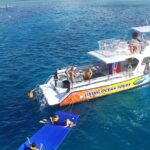
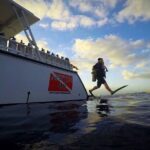
You’re on a US Coast Guard certified vessel, with a local captain running the operation and instructors guiding the underwater portion. That combination matters because it affects calm decision-making—where you go, how you manage conditions, and how the crew responds if you need extra time.
One more important part: the health questionnaire. All participants must complete it, and certain conditions can prevent you from scuba. The operator also advises avoiding scuba within 18 hours of flying and tells you to inform them if you fly within that window.
So here’s my straightforward advice: if you have any medical concerns, don’t wing it. Check with your doctor before you go, especially if you have asthma or heart-related issues (these are specifically mentioned as examples in the provided guidelines).
If you want a smooth experience, show up ready to complete the screening and follow the instructions. That’s the difference between “fun day in the ocean” and “why does everything feel harder today?”
Price and Value: When $2,399 Is Worth It (and When It Isn’t)
The price is $2,399 per group, up to 10 people (and the experience notes a maximum of 9 travelers). That means the value depends heavily on how many of you are in the group.
Here’s the real math in plain terms:
- If you fill the group, the per-person cost drops a lot.
- If it’s just a couple of people, you’re paying for privacy and convenience, and it can feel steep compared to shared options.
So who gets the best deal?
- Families or small groups who can fill at least a few spots
- Couples who really want private coaching and a quieter experience
- Mixed-experience groups who benefit from more hands-on support
Why I still think it can be worth it even at higher per-person costs: you’re not just buying time in the water. You’re buying a higher-touch setup—private boat experience, equipment handling, and more individualized coaching. If you’ve had stressful scuba days on crowded charters, this format can feel like a breath of fresh air, even if the number on the invoice looks big.
What You Should Bring (and What You Can Leave at Home)
Equipment is provided, including scuba and snorkeling equipment, so you don’t need to lug your gear from the mainland or across Oahu. That’s a travel win.
Still, come prepared like a responsible ocean visitor:
- Wear comfortable footwear for getting around before boarding
- Bring swimwear under your clothes so you can change fast
- Pack reef-friendly sun protection (even if the schedule is short, you’ll still get sun)
- Plan for the fact that you may get wet at the start
If you’re someone who likes photos, remember the day is short. Charge your phone/camera, keep it protected from spray, and focus on enjoying the experience rather than trying to capture everything.
Should You Book This Private 2-Tank Scuba Charter?
If your priority is high-quality water time with real coaching, this charter is a strong choice. The private setup, USCG vessel, and PADI-certified instructors are exactly what you want if you care about safety plus spotting wildlife like turtles, eels, octopus, and eagle rays.
Book it if:
- You’re traveling with a group that can make the per-person cost reasonable
- You want private attention rather than a crowded schedule
- You’re excited by reef life and want guidance that helps you actually see it
Skip or rethink it if:
- You’re brand new and unsure you can handle scuba confidence and breathing coordination—consider asking about recommended preparation first
- You’re hoping for a long, slow boat cruise. This is a focused 3-hour outing, not an all-day excursion
FAQ
How long is the private 2-tank charter?
The experience is about 3 hours.
What locations do we visit?
You visit two different underwater locations around Oahu.
How many people are in the group?
The experience is private and has a maximum of 9 travelers.
Is scuba certification required?
Yes, evidence of dive certification is required from all divers wishing to participate in a certified dive.
Is transportation included from Waikiki hotels?
Yes. Round-trip transportation from Waikiki hotels is provided, and there is also complimentary round-trip transportation within Waikiki.
What equipment is included?
All required snorkeling equipment is included, and scuba equipment and snorkeling equipment are provided as part of the experience.
What should I do if I flew recently?
You should avoid scuba within 18 hours of flying. Let the operator know directly if you are flying within that window.
What’s the cancellation flexibility if the weather or plans change?
Free cancellation is available up until 24 hours prior to the trip start time, and poor weather can also lead to a different date or a full refund.