REVIEW · OAHU
Oahu: Wreck & Reef Scuba Dive for Certified Divers
Book on GetYourGuide →Operated by Dive Oahu Inc · Bookable on GetYourGuide
Wrecks and reefs in one short boat day. This Oahu outing pairs a choice of famous wreck sites with a second reef stop, led by PADI-certified instructors on a small-group charter. I like that the trip keeps things practical: premier gear and wetsuits are included, so you’re not scrambling for rentals at the last minute.
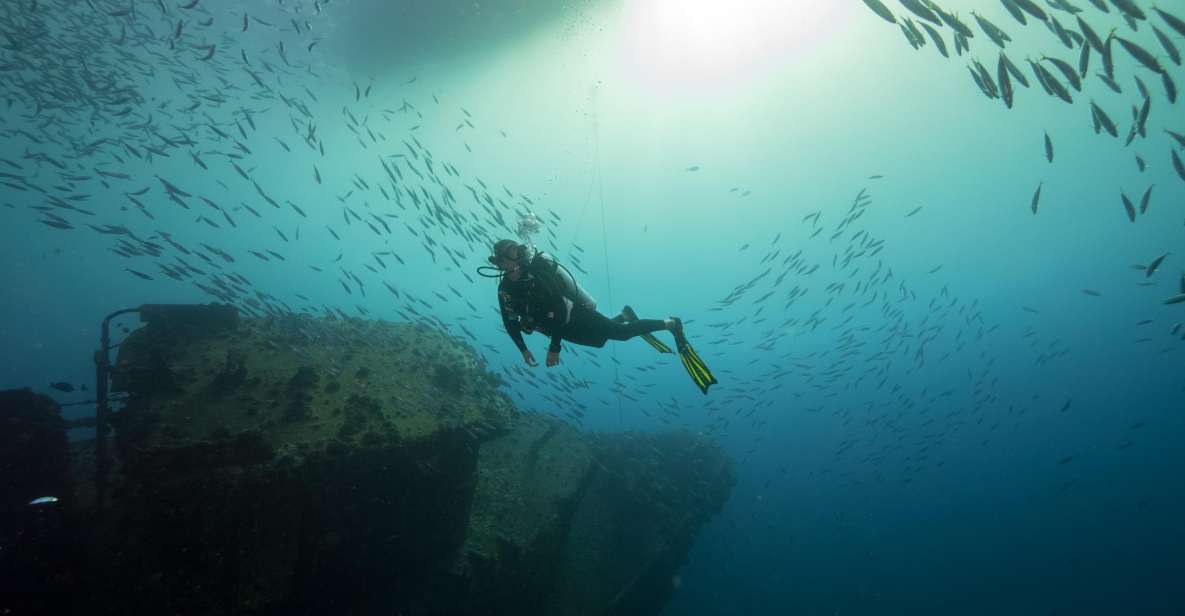
You also get a real underwater mix, not just a single highlight. If you opt for Sea Tiger, you’re looking at a deep wreck structure with plenty of life in the 60–90 foot range, plus a chance to spot whitetip reef sharks, green turtles, and big schools of fish. The only catch: some wreck choices depend on conditions, especially for San Pedro where stronger currents can change the plan.
In This Review
- Key Things That Make This Oahu Wreck-and-Reef Tour Work
- The Value Math: Why $248 for 3 Hours Feels Fair
- Getting There: Harbor Check-In and Parking Tips
- What the Boat Day Feels Like (Space, Sun, Shade, Restroom)
- Stop #1 Choice: Sea Tiger Wreck Site Details (Depth and What You Might See)
- Stop #2: YO-257 and San Pedro Wreck Pairing (How Two Ships Change the Experience)
- The Surface Interval: Snacks, Refreshments, and Resetting Your Brain
- Reef Time After the Wreck: Honolulu’s Favorite Reef Stop
- Who This Tour Best Fits (and Who Should Skip It)
- Motion, Timing, and How to Avoid Common Day-Of Frustration
- Marine Life Expectations: Sharks, Turtles, Rays, and More
- Is It Worth Booking? My Practical Take for Oahu
- Should You Book?
- FAQ
- How long is the Oahu wreck-and-reef scuba outing?
- How much does it cost?
- What scuba experience level do I need?
- What’s included in the tour price?
- Can I choose between wreck sites?
- What depths are involved at the wreck sites?
- Why is San Pedro sometimes not included?
- What marine life could I see?
- What should I bring?
- Where do I meet the boat, and is there parking?
- Is there a flight restriction after the activity?
Key Things That Make This Oahu Wreck-and-Reef Tour Work
- All-inclusive gear and wetsuits included, plus snacks and refreshments during the surface break
- Two wreck options: Sea Tiger, or YO-257 paired with San Pedro (conditions decide San Pedro)
- Clear depth targets: Sea Tiger down to 123 feet; YO-257 down to 115 feet; both with shallower superstructures
- Marine-life spotting is built in, from sharks and turtles to rays, eels, octopus, starfish, crabs, and Hawaiian endemic fish
- Boat comfort matters: sun deck, shaded deck, lots of room, and a restroom onboard
The Value Math: Why $248 for 3 Hours Feels Fair
At $248 per person for a 3-hour outing, this price isn’t “cheap,” but it’s also not the kind of tour where costs creep up after you board. The big value point is what’s included: premier gear rental (and wetsuits with no extra charge) plus snacks and refreshments. That matters in Hawaii, where last-minute rental problems can easily ruin a morning.
The other value piece is that the schedule is tight and purposeful. You don’t spend half the day just getting to one site and back. You’re on a charter designed for people with certification: you’ll make progress underwater, take a surface interval with food, then get reef time before returning.
One more thing: this trip is wheelchair accessible, and that’s a rare plus for a water-based activity. Still, it requires you to be able to swim and be in good health.
You can also read our reviews of more scuba diving tours in Oahu
Getting There: Harbor Check-In and Parking Tips
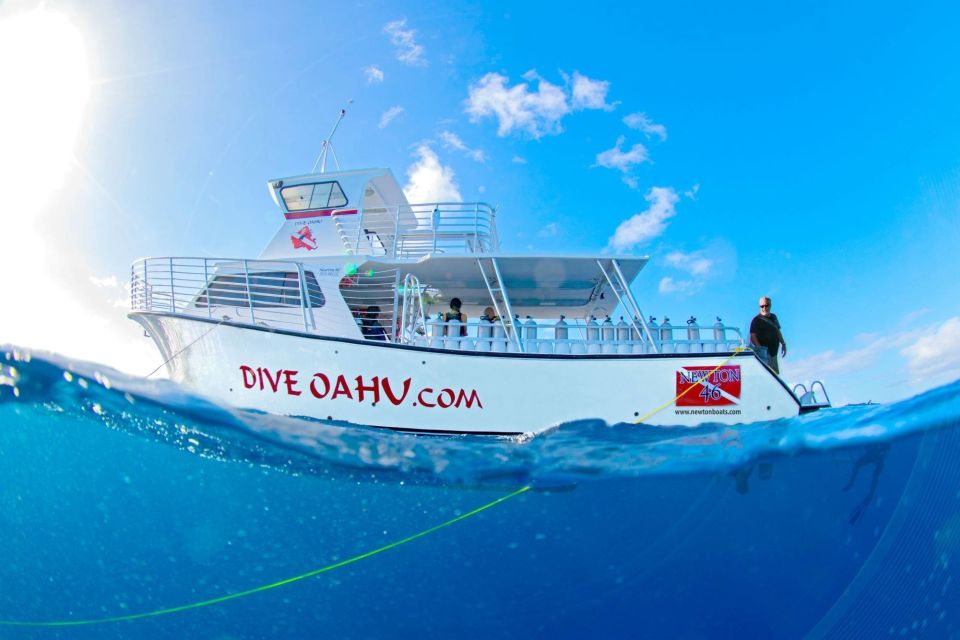
Plan to arrive early. You should be at the boat harbor 30 minutes before your scheduled start so there’s time for waivers and equipment fitting.
Meeting point is Unit 109 at the Harbor. Parking is available at Kewalo Basin for $2 an hour, or you can park for free at Ala Moana Beach Park (useful if you want to keep your car costs down).
Bring the basics:
- Swimwear
- Towel
- Sunscreen
- Proof of your scuba certification (PADI or another approved course)
And yes: you’ll be asked for verification before boarding, so don’t rely on a screenshot you can’t find.
What the Boat Day Feels Like (Space, Sun, Shade, Restroom)
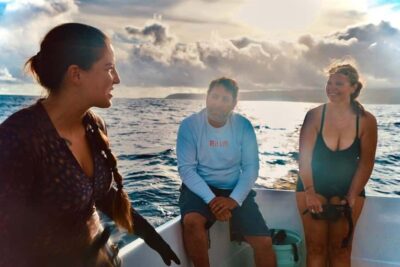
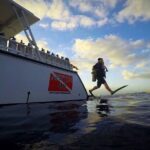
This is a fully equipped charter with the kind of layout you actually want on a short, active day. There’s a sun deck for when you want to top off your vitamin D, plus a shaded deck when you want relief from Hawaiian sun.
You’ll have plenty of space to move around, and there’s a restroom onboard. That last point sounds small until you’re trying to wrangle gear and timing with a group right before your first underwater session.
Also, Oahu can bring chop depending on where you’re coming from and the day’s conditions. If you’re the type who gets unsettled on boats, bring common sense: keep hydrated, eat something light if you can, and give yourself a moment to settle before you suit up.
Stop #1 Choice: Sea Tiger Wreck Site Details (Depth and What You Might See)
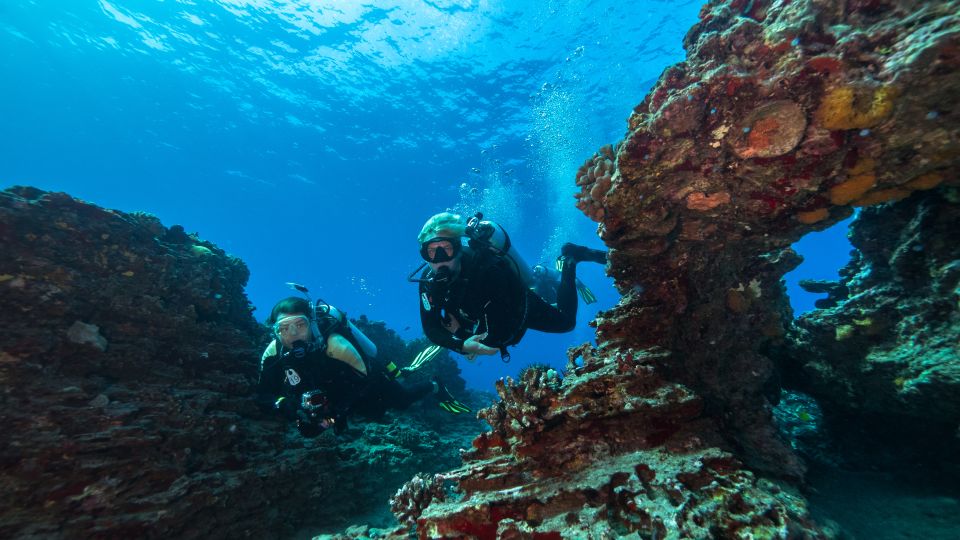
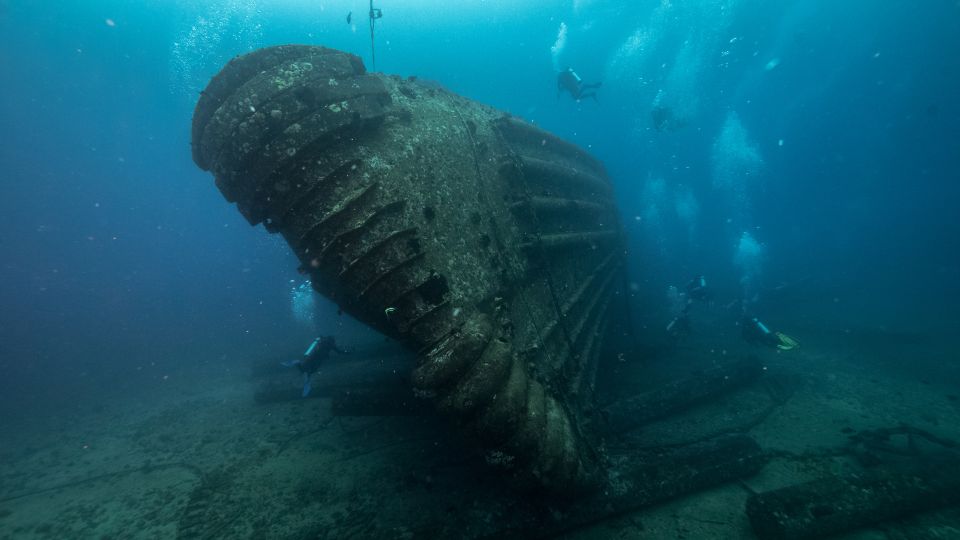
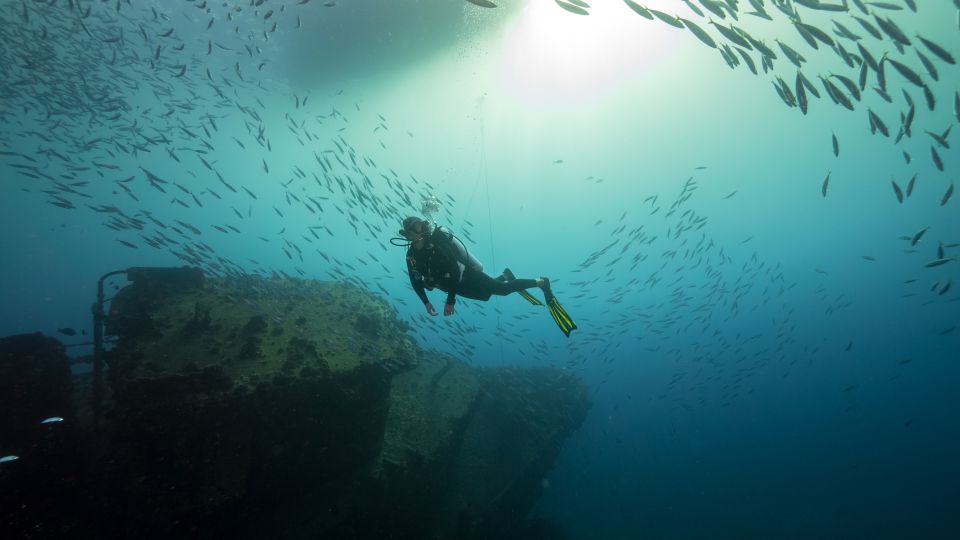
With Sea Tiger, you’re visiting a former trading vessel resting in 123 feet of water. The story gets more interesting where the structure rises: the superstructure and deck are at 60–90 feet, so you don’t have to spend the whole time way down in the dark.
This site is built for observation. You’ll want to keep your eyes moving because life tends to cluster around the structure and along the edges:
- Resident whitetip reef sharks (if conditions and animal behavior line up)
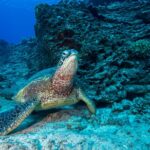
- Sea turtles (including large individuals people often talk about)
- Moray eels tucked into structure
- Eagle rays gliding through the scene
- Massive schools of fish
Why this wreck choice is popular: you get “wreck features” and “wildlife viewing” in the same frame. The shallow portions of the ship make it easier to experience the scale without losing the animals you came for.
Stop #2: YO-257 and San Pedro Wreck Pairing (How Two Ships Change the Experience)
If you choose the YO-257 and San Pedro option, you’re working with two wrecks laid side by side, separated by about 50 yards. That spacing matters because it gives you variety without long travel underwater.
YO-257 rests in 115 feet of water, and like Sea Tiger, the ship rises again. The superstructure and deck are at 70–90 feet, which is where you often get the best “walk the wreck with your eyes” effect.
San Pedro is the wild card. It’s a bit shallower and can experience stronger currents, which means it’s only visited when conditions are ideal. Translation for you: the plan is “two wrecks,” but the order and whether San Pedro is included can depend on what the captain and instructors see that day.
What this means for your expectations:
- If conditions are great, you may get a fuller “two-ship” experience.
- If conditions aren’t ideal, you’ll still likely get a strong wreck-based outing, but the exact bottom time at each site can shift.
Either way, this pairing is appealing if you like seeing different ship shapes, different “ecology pockets,” and different ways marine life uses structure.


The Surface Interval: Snacks, Refreshments, and Resetting Your Brain
After the wreck portion, you’ll have a relaxed surface interval onboard with refreshments and snacks. This is more than comfort—it’s how you reset for the second part of the day.
Use that time to:
- Recheck your gear and make sure everything is functioning
- Drink water (and yes, enjoy the snacks)
- Ask your instructor what to watch for on the next reef stop
On the reef, you’ll likely switch from “find the wreck structure” mode to “identify the moving life” mode. Taking a short break first makes you sharper for both.
Reef Time After the Wreck: Honolulu’s Favorite Reef Stop
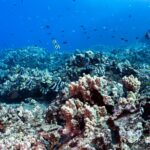
After your surface interval, the day continues with a guided tour of one of Honolulu’s favorite reef sites. The briefing matters because reefs reward attention: corals, fish behavior, and animals hiding in plain sight.
Your chance to see marine life continues with a broad list, including:
- Sharks
- Turtles
- Eels
- Rays
- Octopus
- Starfish
- Crabs
- Hawaiian endemic fish
- Dolphins (when conditions allow)
One note on realism: animals aren’t guaranteed. But the reef stop is designed for visibility and species variety, so it’s a strong second act after wreck time.
If you care about spotting quickly, listen closely during the guide’s instruction before you enter. Reef viewing improves fast when you know what to look for—eye level, structure edges, and the places animals like to hover.
Who This Tour Best Fits (and Who Should Skip It)
This outing is for certified scuba participants and requires proof of certification before you board. You also need to be able to swim and be in good health.
It’s not suitable for:
- Children under 15
- Pregnant women
Language is English with the instructor, so you’ll get more from the briefing and safety instructions if you’re comfortable following spoken directions.
It’s also a good match if you want:
- A short, efficient Oahu water day (3 hours)
- A choice between a deeper wreck with rising structure (Sea Tiger) or a two-wreck sequence (YO-257 plus San Pedro)
- A chance to see big animals like turtles and sharks, plus reef life like octopus, starfish, and crabs
Motion, Timing, and How to Avoid Common Day-Of Frustration
The boat leaves from the harbor, and the day runs on schedule. That means timing matters:
- You should arrive 30 minutes early for waivers and fitting.
- If you show up late, you’ll likely feel rushed, which is the fastest way to forget something.
If you’re sensitive to boat movement, give yourself extra grace. Even on a well-run charter, ocean conditions can create turbulence. I’d treat that as normal on an Oahu day and plan accordingly.
Also, if you’re tempted to fly right after scuba: don’t. You’re instructed not to fly within 24 hours after your underwater activity.
Marine Life Expectations: Sharks, Turtles, Rays, and More
This kind of outing tends to deliver when you treat it like a wildlife hunt with a plan, not just sightseeing.
Here’s what your odds tend to be tuned toward:
- Turtles that feed or rest around ship structure and reef areas
- Whitetip reef sharks where the wreck acts like a stable “neighborhood”
- Moray eels in shadows and crevices
- Eagle rays gliding past in open water areas near structure
- Reef scavengers like crabs and starfish that show up once you slow down and scan
If dolphins appear, it’s usually because the day’s conditions allow it and the captain keeps an eye on the surface. Don’t anchor your whole mood on dolphins either way—wreck and reef life still give you plenty to focus on.
Is It Worth Booking? My Practical Take for Oahu
If your priority is quality underwater time with a good mix of wreck structure and reef life, this is a solid pick. The price makes more sense when you remember what’s included: premier gear and wetsuits plus snacks and refreshments, and a PADI-certified teaching team.
I’d especially consider it if you:
- Want a choice between Sea Tiger and the YO-257/San Pedro pairing
- Like the idea of rising superstructures where wildlife concentrates in shallower layers
- Prefer a short, well-defined 3-hour plan
The main caution is not the operator—it’s the nature of wreck conditions. San Pedro can be affected by currents, and that can change what you get. If you’re the type who needs everything to go exactly as planned, you might feel a bit of frustration on a day when conditions limit one option.
Should You Book?
Book this if you’re certified, you’re comfortable in English instructions, and you want an efficient Oahu wreck-and-reef day with included gear and a good chance at turtles, sharks, rays, and reef life. If you’re prone to motion sickness, plan for choppy moments. And if you’re strict about what wreck you’ll see no matter what, pick Sea Tiger first since it’s the more straightforward choice.
FAQ
How long is the Oahu wreck-and-reef scuba outing?
It lasts about 3 hours. You’ll be able to choose from available starting times.
How much does it cost?
The price is listed as $248 per person.
What scuba experience level do I need?
You must be a certified scuba participant and show proof of certification through PADI or another approved diving course before boarding.
What’s included in the tour price?
Premier gear rental is included, and wetsuits are included at no additional cost. Snacks and refreshments are also provided, along with a guided tour by a PADI certified instructor.
Can I choose between wreck sites?
Yes. You choose to visit the Sea Tiger site or the YO-257 and San Pedro sites.
What depths are involved at the wreck sites?
Sea Tiger rests in about 123 feet of water, with the superstructure and deck around 60–90 feet. YO-257 rests in about 115 feet, with the superstructure and deck around 70–90 feet. San Pedro is shallower, and whether it’s visited depends on conditions.
Why is San Pedro sometimes not included?
San Pedro can experience strong currents and is only visited when conditions are ideal.
What marine life could I see?
You may see sharks, turtles, rays, fish, moray eels, octopus, starfish, crabs, Hawaiian endemic fish, and possibly dolphins depending on conditions.
What should I bring?
Bring swimwear, a towel, sunscreen, and your diving certification proof. You should also be ready with any required paperwork.
Where do I meet the boat, and is there parking?
Meet at Unit 109 at the Harbor. Parking is available at Kewalo Basin for $2 an hour, or you can park for free at Ala Moana Beach Park.
Is there a flight restriction after the activity?
Yes. You should not fly within 24 hours after your underwater scuba activity.
If you tell me your certification depth range (and whether you prefer the Sea Tiger option or the YO-257/San Pedro pair), I can help you pick the better fit for your comfort level and goals.