REVIEW · OAHU
Oahu: Waikiki Whale Watching Tour-Donut and Coffee Included
Book on GetYourGuide →Operated by And You Creations · Bookable on GetYourGuide
Chasing whales sounds romantic, but this tour adds smart tech. You get a 2-hour Waikiki whale watching outing from Kewalo Boat Harbor on a stylish two-decker boat, plus an underwater hydrophone to help you hear whale song if the moment is right. I especially like the mix of marine spotting with hands-on storytelling from the crew, and I also like that the cultural stop isn’t tacked on—it’s built into the flow. One drawback to plan for: whale sightings aren’t guaranteed in the short window from Nov 15–30, and the experience can’t control the ocean.
Before you even hit the water, the tone is organized and easy. You start with a safety briefing, then spend the main block of time on the water looking for tails, fins, and blowing water around Diamond Head. Afterward, you round it out with local food and a hula performance—so the tour feels like more than just a boat ride.
This is a solid pick if you want a first-day Waikiki activity that feels distinctly Hawaiian without being complicated. You’ll get the practical comforts (round-trip Waikiki transportation and snacks), but you’re also paying for interpretation—someone explains what you’re seeing and why humpbacks matter.
In This Review
- Key points before you go
- Waikiki From Kewalo Basin: The boat setup you’ll actually notice
- E Ho Mai ceremony and hula: more than a photo stop
- Whale watching with an underwater hydrophone: seeing and hearing
- Diamond Head cruising: how to spend your attention
- What’s included for about $100: value beyond the basics
- Timing and the whale-sighting reality (Nov 15–30 vs Dec 1+)
- Pickup and drop-off: the part that can make or break your day
- Who this tour suits (and who might want a different format)
- Should you book this Waikiki whale watching tour?
- FAQ
- How long is the Oahu Waikiki Whale Watching Tour?
- What’s included in the price?
- Where does the tour start and end?
- Is a whale sighting guaranteed?
- What happens if no whales are spotted starting Dec 1?
- Do they provide snacks and drinks?
Key points before you go
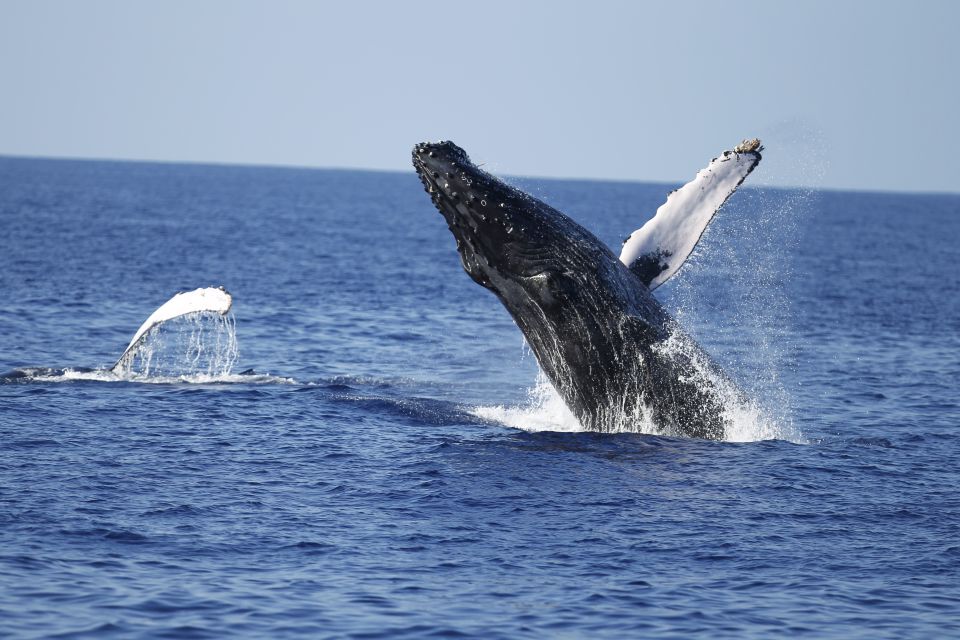
- Two hours, one clear goal: focused marine viewing from Waikalo-to-Kewalo, then back to port.
- Underwater hydrophone: you’re not just looking; you may get whale song through the special microphone.
- E Ho Mai ceremony: you start with a chant asking sea gods for safe travel and good sightings.
- Diamond Head cruising: you’ll watch for whales while passing one of Oahu’s best-known landmarks.
- Donut and coffee included: poi mochi donut plus beverages keep you fueled without adding a separate stop.
- Crew energy matters: recent tours highlighted attentive staff (names included like Luke, Dani, and Captain Mark).
Waikiki From Kewalo Basin: The boat setup you’ll actually notice
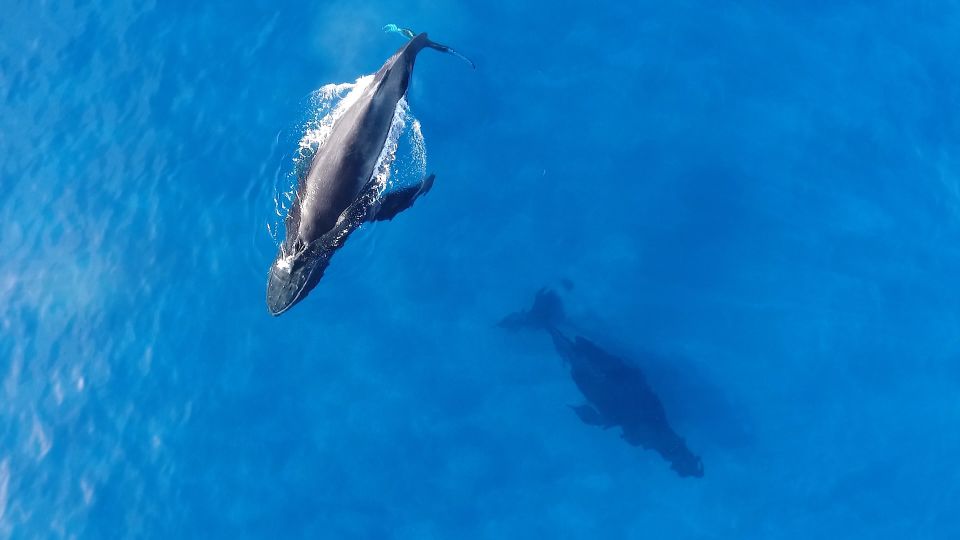
The tour’s starting point is Kewalo Boat Harbor (Kewalo Basin Harbor), and that matters more than you’d think. It puts you on the water for a concentrated viewing window, instead of spending your time stalled in traffic or bouncing between faraway marinas.
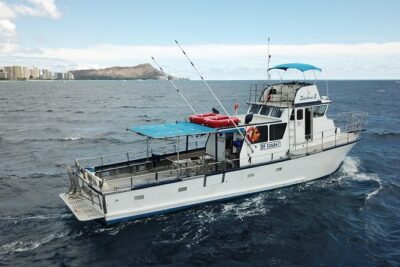
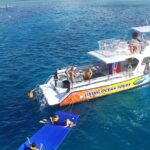
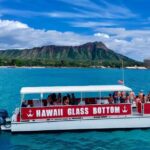
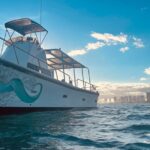
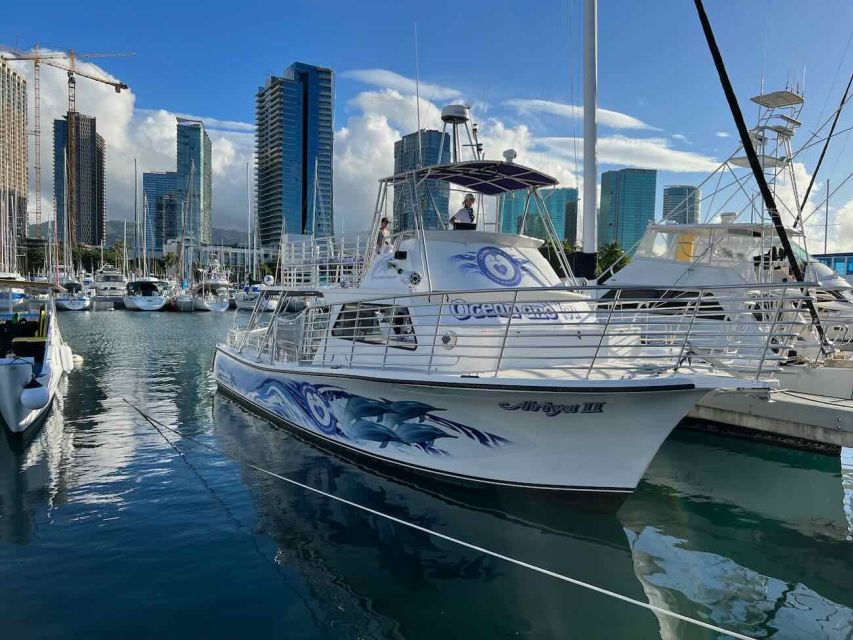
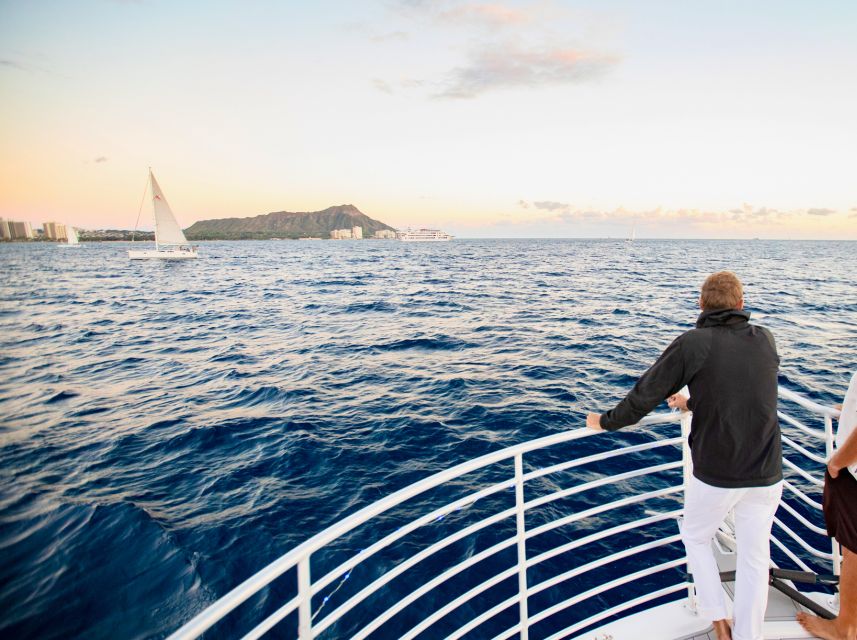
The boat itself is a two-decker with a Titanic-style bow, a bathroom, and a surround sound system. That “sound system” detail is not fluff. When crews use it for whale-song playback or guided narration, it makes the information easier to catch for the whole group, including people seated farther from whoever is talking.
Once you board, plan for a short, practical rhythm: a safety briefing takes about 15 minutes, then the real viewing starts. This is one of those tours where you’ll be glad the schedule is tight. If you’re in Waikiki, your days can turn into a blur. Here, the time is carved into predictable blocks.
You can also read our reviews of more whale watching tours in Oahu
E Ho Mai ceremony and hula: more than a photo stop
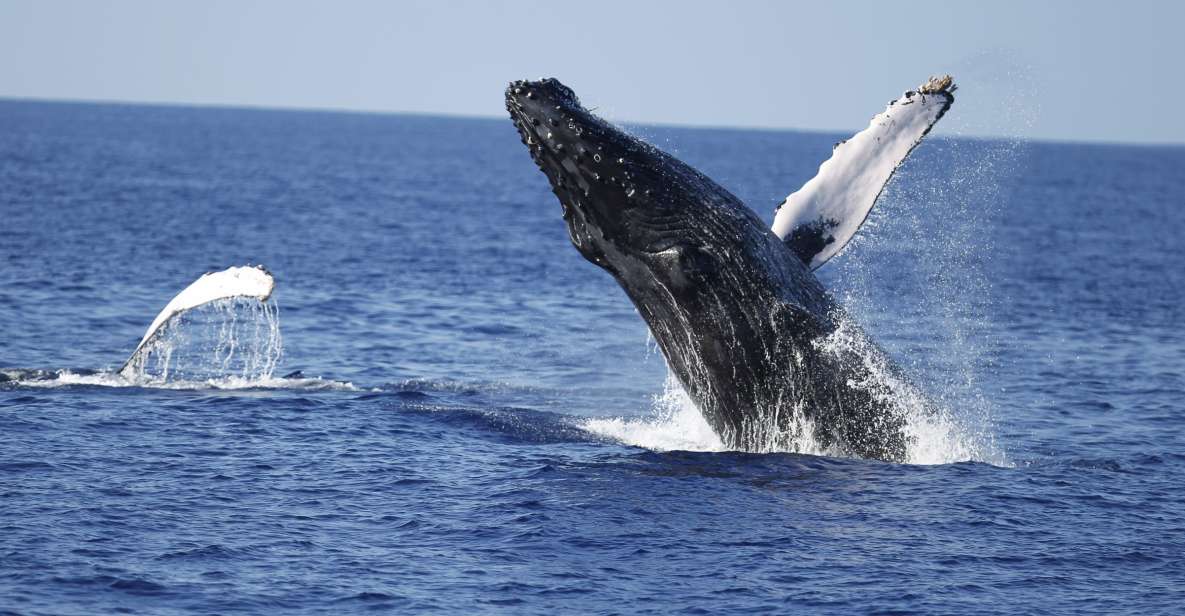
A lot of tours sprinkle culture in at the end. This one starts with the E Ho Mai ceremony—a traditional chant and practice where you’re essentially asking the sea gods for safe travel and good opportunities to see whales.
Why I like that approach: it frames the ocean as something you’re asking permission to watch, not just a backdrop. It also makes the tour feel respectful, not commercial. You’re given context before you look for animals, which changes how you pay attention during the cruise.
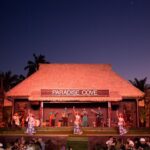
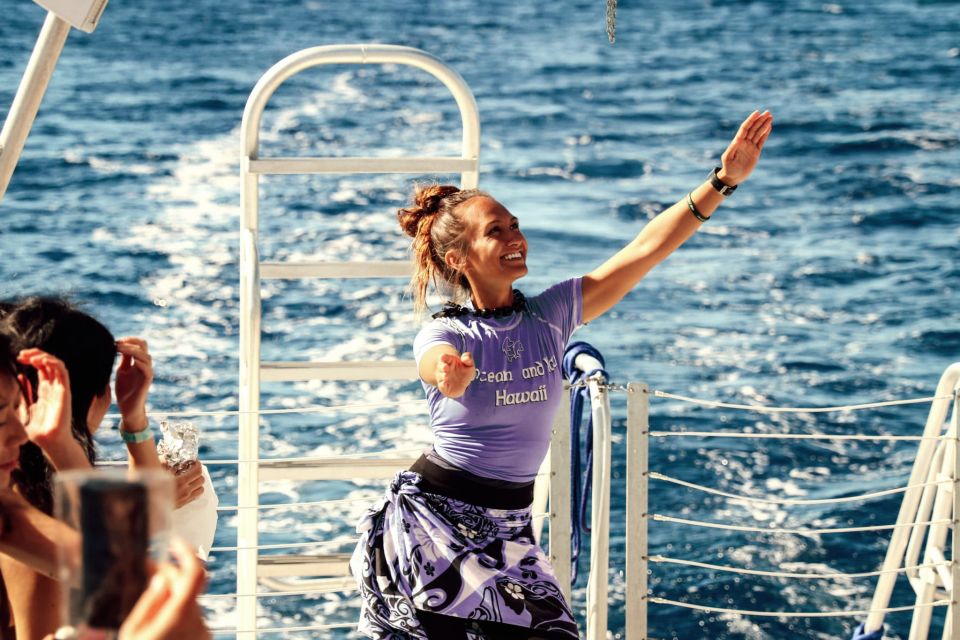
Then, when you head back toward the harbor, the hula show comes in as a closing moment. This is where the tour shifts from “spotting and listening” to “learning and feeling.” If you’ve been to luaus that rush the show, you may appreciate that this one is intentionally short and timed to the boat experience.
Whale watching with an underwater hydrophone: seeing and hearing
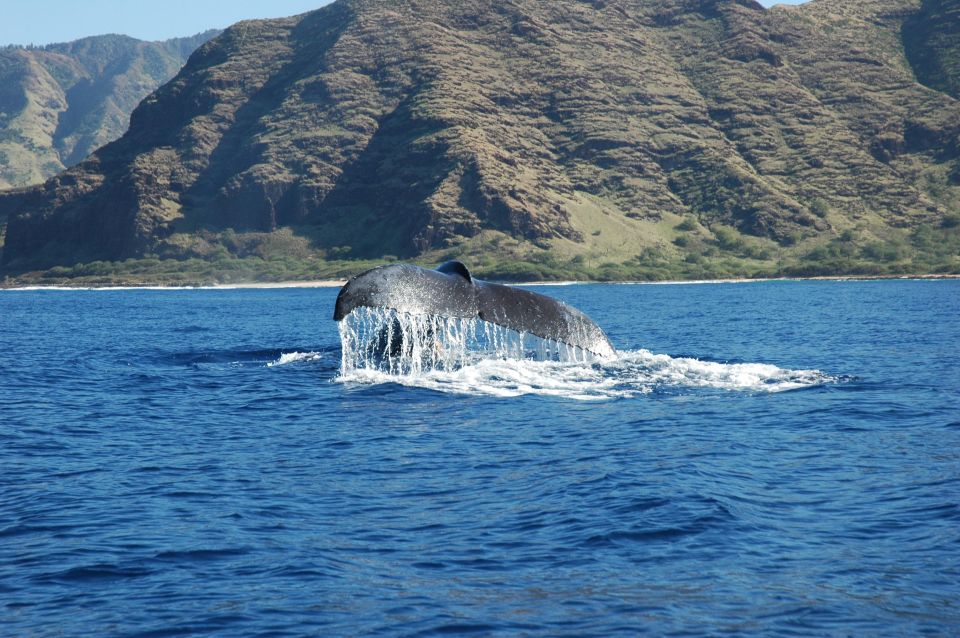
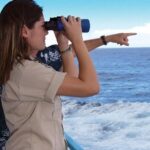
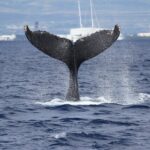
Yes, you’re out there to spot humpback whales. The tour’s promise is about majestic humpbacks in their natural habitat, and you’ll look for the usual giveaways: tails, fins, and blowing water.
Here’s the part that upgrades the whole experience: the crew uses a special underwater hydrophone—a microphone designed to pick up whale sounds through the water. If the whales come close enough, you may be able to hear whale song via the system.
Even when whales don’t get dramatically close, I still think the hydrophone changes the value. You’re not stuck guessing. You get an explanation of what the sounds are and what behaviors you’re likely seeing above the surface. In a short tour, that kind of interpretation can turn a “we saw something” day into a “now I understand it” day.
The tour also includes commentary written by a qualified naturalist. That’s important because whale watching isn’t just about luck. It’s about knowing what to watch for and why certain times or areas might produce better sightings.
Diamond Head cruising: how to spend your attention
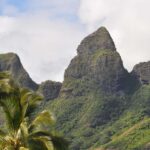
During the cruise, you’ll be looking around the Diamond Head monument. That’s one of the reasons this outing feels “Waikiki” instead of generic sightseeing: you’re watching whales with an iconic coastline behind them.
Here’s what to do when you’re on the boat:
- Keep your eyes moving. Don’t lock on one spot. Water surface clues can appear and disappear fast.
- Watch for blowing water, not just the animal itself. That plume often gives you your first hint.
- If the crew points out something, follow their direction right away. That’s when you’ll usually notice the next sign.
The tour’s on-water viewing time is about 1.5 hours, and that timeframe is long enough to feel like you’re doing real whale watching. It’s also short enough that you’re not exhausted by the end. For many people, that balance is exactly what they want on a vacation—excited, not drained.
And if you’re the type who loves to learn as you go: this is where the crew’s explanation helps most. You’re not just scanning. You’re listening for what the crew says the whales are likely doing and what you can expect to see next.
What’s included for about $100: value beyond the basics
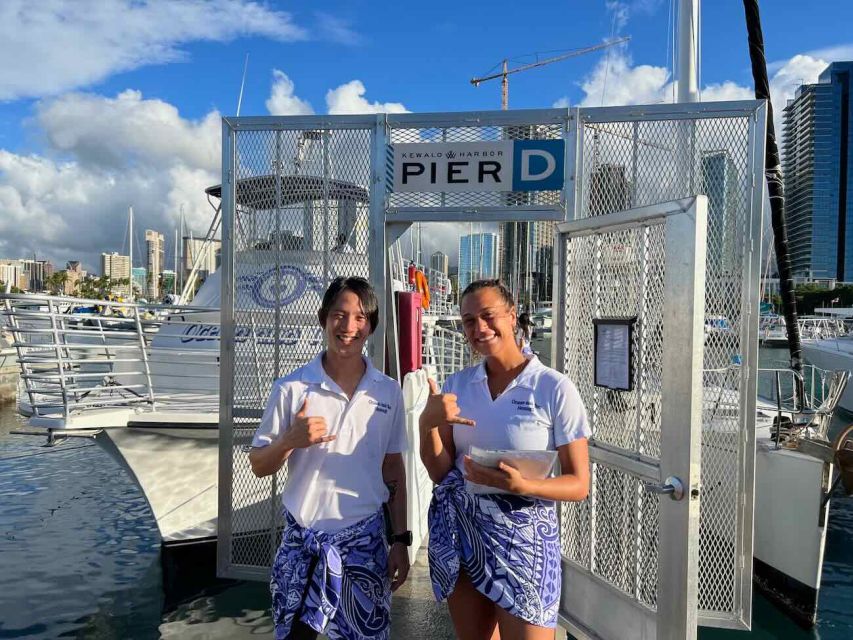
At $100 per person for a 2-hour tour, the best way to judge value is not the sticker price. It’s what you get for that time.
You receive:
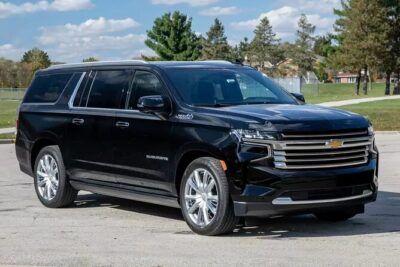
- Round-trip transportation from Waikiki to the harbor
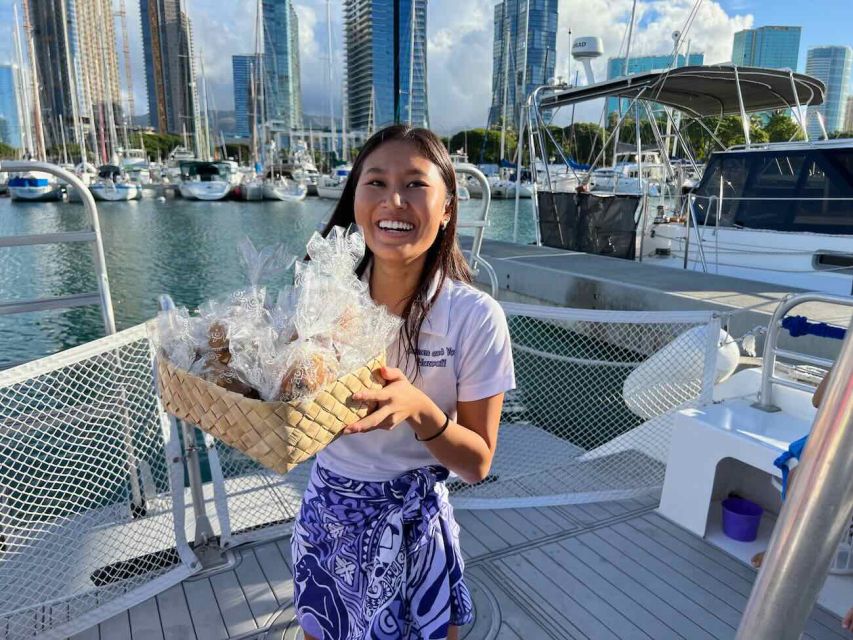
- Light food: a poi mochi donut plus
- Coffee and tea (so you’re not stuck with only vending-machine snacks)
- The cultural experience: the E Ho Mai chant
- Hula dancing
- Commentary written by a qualified naturalist
That food detail matters more than you might expect. Morning tours can make you grumpy fast. A donut-and-coffee setup helps you stay comfortable while you wait for sightings and while you focus your attention on spotting and listening.
Also, the inclusions reduce decision fatigue. You don’t have to find a place for breakfast, then figure out how to get to a distant harbor, then return and keep your schedule intact. The tour does the timing for you: safety briefing, main viewing block, then snacks and performance.
From the review details you may hear echoed by other visitors, the crew’s warmth and attentiveness come up a lot. Names like Luke, Dani, and Captain Mark show that you’re not just dealing with a nameless operation. It’s the kind of service where staff help you get oriented and understand what you’re seeing.
You can also read our reviews of more tours and experiences in Oahu


Timing and the whale-sighting reality (Nov 15–30 vs Dec 1+)
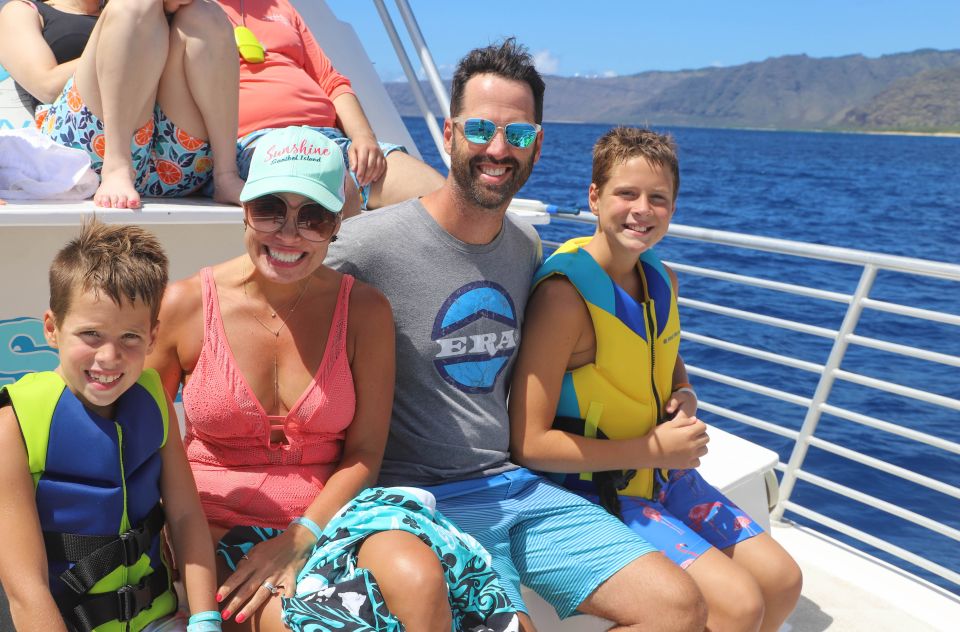
If you’re booking in Hawaii, you have to accept one truth: the ocean doesn’t do guarantees like a theme park. This tour builds that reality into the rules.
- Sightings are not guaranteed between Nov 15 and Nov 30.
- Starting Dec 1, whale sightings are guaranteed, and if whales aren’t spotted, you can attend another tour at no cost.
That matters for planning your week. If you’re visiting in late November and whale sightings are the main reason you’re there, I’d treat this as a “good shot” rather than a sure thing. If you’re traveling in December or later, the whale-spotting guarantee removes a chunk of uncertainty.
One more practical point: because the tour is only 2 hours, you don’t have a lot of buffer time. Choose your day wisely if whale watching is your priority, and keep your expectations tuned to the season.
Pickup and drop-off: the part that can make or break your day
You’ll have five pickup options in Waikiki area locations, including:
- Aqua Palms Waikiki
- Treasure & You
- Aston Waikiki Beach Hotel
- Kewalo Basin Harbor
- T Galleria by DFS, Hawaii
Drop-offs return you to multiple locations around the same area, including T Galleria by DFS, Treasure & You, Kewalo Basin Harbor, Aston Waikiki Beach Hotel, and Aqua Palms Waikiki.
Why I consider this important: Waikiki can be a maze. Being able to pick a pickup point closer to where you’re staying helps you start the tour calm, not rushed. Also, it can reduce the amount of time you spend stuck in backtracking on the way to the harbor.
If you’re staying near the beach strip and want an easy start, picking a pickup spot near a major landmark (like T Galleria) tends to reduce confusion. If you’re already near Kewalo Basin, choosing Kewalo itself makes the whole day feel simple.
Who this tour suits (and who might want a different format)
This tour works best if you want:
- A short whale watching experience (2 hours total)
- A mix of nature + culture
- Included refreshments so you aren’t hunting food mid-morning
- A crew-led explanation, including whale-song via hydrophone if conditions allow
It also fits well for couples, friends, and families who don’t want to commit to a half-day or full-day excursion. The schedule keeps moving, so the experience stays energetic.
Who might want to consider alternatives: if you’re traveling strictly for the longest possible time on the water, or you’re the type who really wants extended time to chase whales far beyond a single viewing window. This tour is about smart time use, not all-day wandering.
Also, if you’re extremely sensitive to boat motion, the data you have doesn’t spell out anything about ride smoothness or medical accommodations. In that case, you’ll want to think carefully about personal comfort before choosing a boat-based outing.
Should you book this Waikiki whale watching tour?
I think you should book it if your priorities are humpback whales, whale-song listening, and a clean morning plan. The underwater hydrophone is the standout reason this feels more educational than a basic “look for whales” trip. Add in the E Ho Mai ceremony and hula at the end, and you get a balance of ocean awe and Hawaiian culture without padding the schedule.
If you’re traveling during the Nov 15–30 window, book with your eyes open: sightings aren’t guaranteed then. Still, the tour includes enough learning and included comfort (donut, coffee, and naturalist commentary) that you’re not just paying for a single animal sighting.
If you’re traveling from Dec 1 onward, the decision gets easier. The whale sighting guarantee takes away the biggest worry in whale watching, and it turns your two hours into a high-likelihood highlight.
FAQ
How long is the Oahu Waikiki Whale Watching Tour?
The tour runs for about 2 hours.
What’s included in the price?
You get round-trip transportation from Waikiki to the harbor, a light snack (poi mochi donut), coffee and tea, the E Ho Mai chant, hula dancing, and commentary written by a qualified naturalist.
Where does the tour start and end?
You’ll meet at Kewalo Boat Harbor (Kewalo Basin Harbor). Drop-off locations include several Waikiki-area stops such as T Galleria by DFS, Treasure & You, Kewalo Basin Harbor, Aston Waikiki Beach Hotel, and Aqua Palms Waikiki.
Is a whale sighting guaranteed?
Whale sightings aren’t guaranteed between Nov 15–30. Sightings are guaranteed starting Dec 1.
What happens if no whales are spotted starting Dec 1?
If whales aren’t spotted starting Dec 1, you can attend another tour at no cost.
Do they provide snacks and drinks?
Yes. You’ll have coffee and tea plus local snacks, including a poi mochi donut.