REVIEW · OAHU
Whale Watch Cruise Aboard The Majestic
Book on Viator →Operated by Atlantis Adventures Hawaii · Bookable on Viator
Whales off Waikiki can feel unreal. This 2.5-hour humpback whale cruise from Pier 6 mixes big-boat comfort with real-time spotting help and narration in the NOAA Maunalua Bay sanctuary. You get scenic passes of Diamond Head and Waikiki along the way, plus a live Hawaiian-music vibe that keeps the whole trip from feeling like a waiting game.
I especially love the three-level boat setup: indoor air-conditioning when the breeze gets sharp, and outdoor decks when whales (or sea turtles) pop up. I also love that you’re not just staring at water—there’s naturalist commentary on whale behavior, so when you see a blow, a tail slap, or a pod moving, it actually makes sense.
One thing to plan for: sightings aren’t totally in your control. If you hit rough wind or cold spray days, you might still have a fun ride, but whale views can be distant—thankfully there’s a free return cruise if the naturalist records no whale sightings on your trip.
In This Review
- Key points to know before you go
- Getting to Pier 6 and finding the Majestic easily
- The boat experience: three decks, real sightlines, and a smooth feel
- What Maunalua Bay is really doing for your whale odds
- The itinerary: Diamond Head, Waikiki, and why the skyline stops matter
- Diamond Head ocean views (the scenic warm-up)
- Waikiki Beach ocean views (where the water meets the icons)
- Pier 6 and Aloha Tower Marketplace (boarding anchor point)
- Honolulu skyline on the water (the calm, photo-friendly finish)
- Naturalist narration in English: spotting gets easier fast
- Marine life extras and the onboard vibe (music, food, and photos)
- Whale sightings and the free return cruise safety net
- Value check: is $85.09 worth it?
- Who this cruise fits best (and who should think twice)
- Should you book the Majestic whale watch?
- FAQ
- How long is the Majestic whale watch cruise?
- What does the cruise cost?
- Where does the whale watch start?
- What’s included in the ticket?
- Are alcoholic drinks included?
- Do you get another cruise if you don’t see whales?
- How big is the group?
- Is the tour in English?
- What’s the cancellation policy if weather changes?
- .
Key points to know before you go
- Maunalua Bay sanctuary routing gives you a focused chance at humpbacks migrating off Oahu
- Three-deck comfort with air-conditioned indoor space and outdoor viewing options
- Naturalist narration in English helps you recognize whale behavior and other marine life
- Free return cruise if the naturalist doesn’t spot a whale on your first outing
- Onboard music and food for purchase keep the time on the water lively
- Some photo sales and kid activities can feel busy for anyone who wants quiet
Getting to Pier 6 and finding the Majestic easily
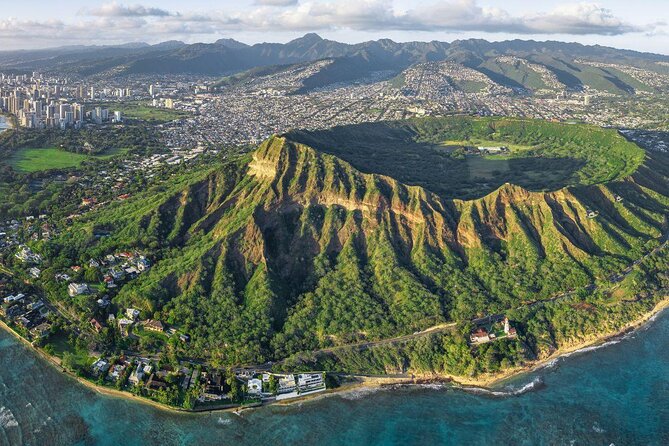
This whale watch starts at Majestic by Atlantis Cruises, 301 Aloha Tower Drive, Pier 6, Honolulu. The meeting point is right by Aloha Tower Marketplace, which is handy because you can grab a snack, use a restroom, and get your bearings before boarding.
Logistics are pretty friendly once you’re there. The area is listed as near public transportation, and there’s a parking/ride-share guide posted on the operator website (worth checking because waterfront lots can be tight). One practical note from past riders: the nearby parking spaces can be narrow, so go slow and don’t show up in your widest shoes.
Time-wise, the listed start is 11:30 am, and the route is described with sunset-style scenery around Diamond Head and Waikiki plus Honolulu skyline views. That means you should treat the “sunset” wording as the style of views you’ll be seeing from the water, not a guarantee that the sky will do something dramatic exactly on schedule.
You can also read our reviews of more boat tours in Oahu
The boat experience: three decks, real sightlines, and a smooth feel
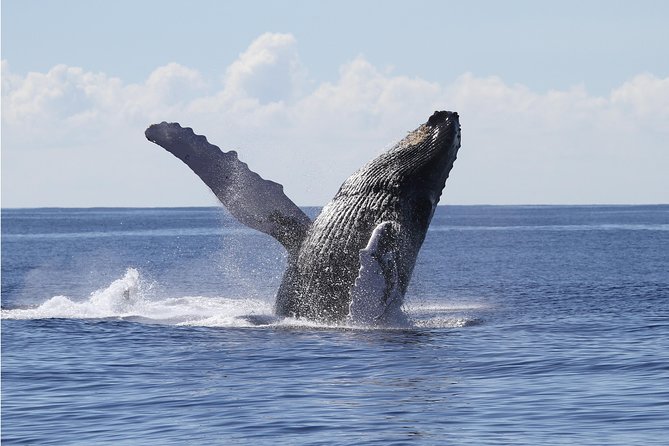
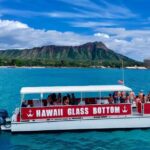
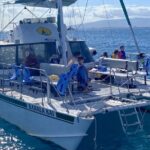
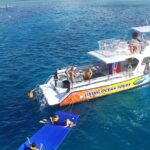
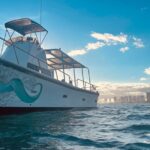
The Majestic by Atlantis Cruises is sized for comfort: reviews repeatedly call it comfortable and spacious, with multiple places to stand, sit, and reposition for the best look. You’ll have options to match the weather—head inside when you want air-conditioning, and step out to the decks when whales are detected.
The deck system matters more than people think. If you’re cold or wind-whipped, you’ll lose patience fast. Having indoor space means you can warm up without missing the key “everybody look now” moments when the naturalist points something out.
Also, the trip doesn’t go silent. Past riders describe live Hawaiian music during downtime—often with a performer who uses a guitar and sometimes ukulele. It’s loud enough to be enjoyable but not so loud you can’t talk or hear the guide when it matters.
What Maunalua Bay is really doing for your whale odds
This cruise runs in the NOAA whale sanctuary of Maunalua Bay. The practical value: you’re not crisscrossing randomly for hours hoping for a miracle. You’re working from a known area where humpbacks migrate, which is a big reason this type of tour can be so consistently productive.
The ship’s scanning and the naturalist’s help are key. Even when whales stay just below the surface, you can still spot clues—like the direction of movement, brief surface breaks, and the timing between blows. That’s where narration helps you make sense of what you’re seeing instead of just watching water.
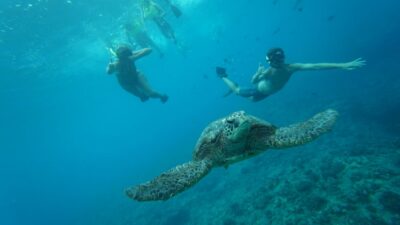
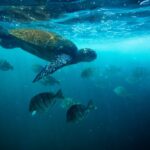
You may also see other wildlife during the cruise, including green sea turtles and Hawaii spinner dolphins. You shouldn’t treat those as guaranteed add-ons, but they’re common enough that it makes the trip feel richer even on days when the whales are quieter.
The itinerary: Diamond Head, Waikiki, and why the skyline stops matter
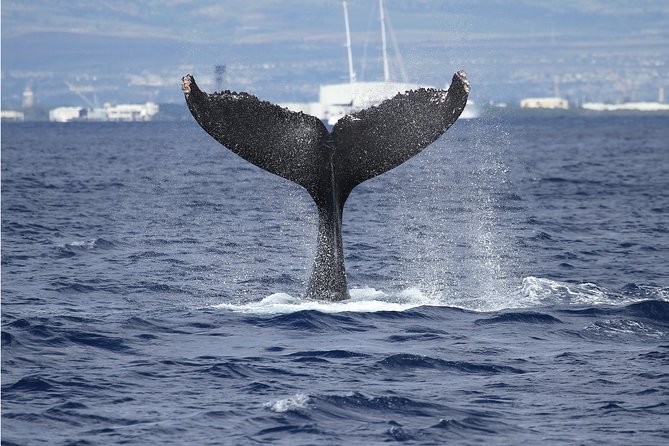
This is more than “go out, stare, come back.” Your route is framed around big-name views from the water before and after the sanctuary time.
Diamond Head ocean views (the scenic warm-up)
Early in the trip, you’ll pass Diamond Head with ocean views. This is a great warm-up because it lets you get used to the motion and the viewing rhythm before the naturalist starts calling out likely whale activity zones.
The small downside is attention management. If Diamond Head is your first big visual moment, you might find your eyes stuck on the shoreline instead of the water. Once the crew starts actively scanning, try to shift focus fast.
You can also read our reviews of more whale watching tours in Oahu
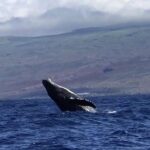
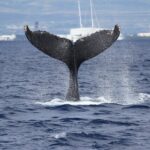
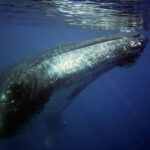
Waikiki Beach ocean views (where the water meets the icons)
Next up is Waikiki Beach views from the cruise route. This is the “I’m really in Hawaii” section—high-energy shoreline scenery and a familiar coastline. It also gives you plenty of light and sightlines, which helps when you’re trying to spot surface activity.
If you’re prone to seasickness, this part can be a good time to stay inside or sit where motion feels easiest. The boat’s comfort is a plus here, but the ocean can still do what it wants.
Pier 6 and Aloha Tower Marketplace (boarding anchor point)
Your starting point is Aloha Tower Marketplace at Pier 6, and the cruise begins there. I like that the meeting location is a recognizable landmark. It makes the whole day feel less like a scavenger hunt and more like a plan.
Also, since the trip ends back at the meeting point, you don’t have to worry about being dropped somewhere inconvenient later. It’s a simple loop.
Honolulu skyline on the water (the calm, photo-friendly finish)
You’ll also get Honolulu skyline views as the cruise winds down. Even if whales didn’t steal the show at the exact moment you expected, the skyline pass gives you a satisfying payoff. It’s also one of the easiest times to enjoy the music and narration without sprinting for the best deck spot.
Naturalist narration in English: spotting gets easier fast
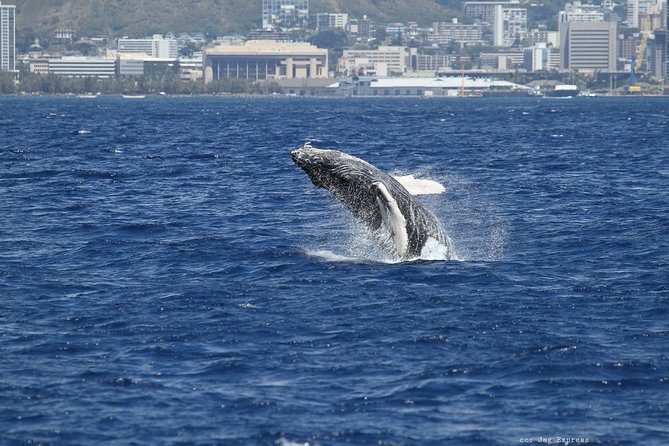
A pro naturalist provides commentary on board about humpback whale biology and behavior. That turns random sightings into recognizable events. Instead of guessing what you’re seeing, you learn what it likely means—so the trip feels educational without turning into a lecture.
In past experiences, riders have specifically named naturalists such as Bill and Casey. Even if you don’t get the same person, the pattern is consistent: the guide points out behavior and keeps you watching with purpose.
You’ll also get guidance from the captain and crew on where to look, which matters because whales don’t put on a show on a schedule. The goal is to put the boat in the right areas when activity is likely.
Marine life extras and the onboard vibe (music, food, and photos)
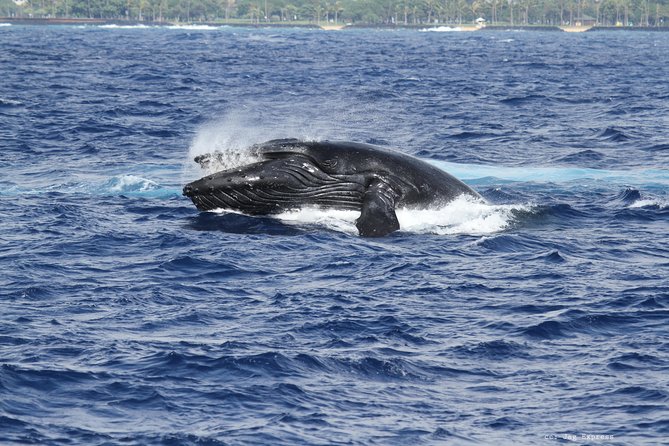
This cruise is designed to feel like a full outing, not just a transit to whale sightings.
Food and drinks for purchase are available on board. Alcoholic drinks are not included, but bar service runs during the cruise. Reviews also mention the food and beverage service as a positive part of the experience, which helps on long scanning stretches.
As for entertainment, live Hawaiian music runs during downtime. That’s a real quality-of-life feature. When you’re waiting for whales to surface, a little music keeps the energy up.
One caution: there can be some photo sales. A couple of riders felt the trip had a stronger sales push than they wanted, especially related to photographer photos. If you don’t want surprise expenses, it’s worth mentally budgeting or simply ignoring the sales table.
Another small consideration from reviews: onboard activities for kids, like coloring pages and word searches, can make the environment feel busier. That’s great for families, but if you want quiet and space to focus on spotting, plan for it.
Whale sightings and the free return cruise safety net
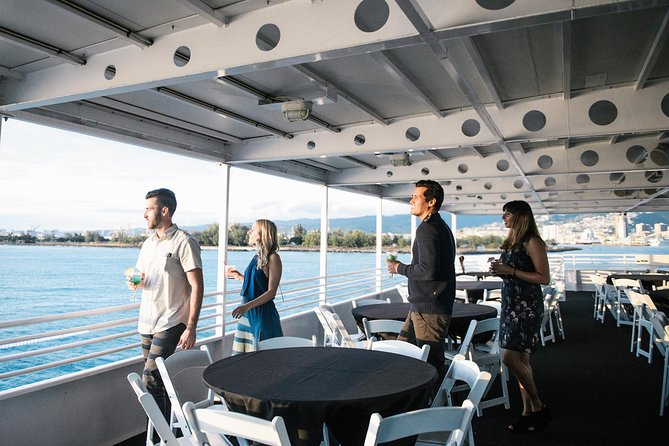
Here’s the honest deal: whale watching is still wildlife watching. Nature controls the timing. Some cruises produce multiple pods and close moments; other outings end with a later sighting or fewer whales.
What makes this tour feel safer is the promise of a complimentary return whale watch if the naturalist does not sight a whale during your cruise. In practical terms, that changes your risk level. You’re not stuck feeling like the day was a total loss if the first outing was quiet.
That said, I’d still set your expectations like this: your best chance at a whale show comes from season and conditions. Humpbacks are typically around from Sept/Oct through Mar/Apr, and one rider described late January as peak migration time. If you’re traveling during those months, your odds are usually better.
Value check: is $85.09 worth it?
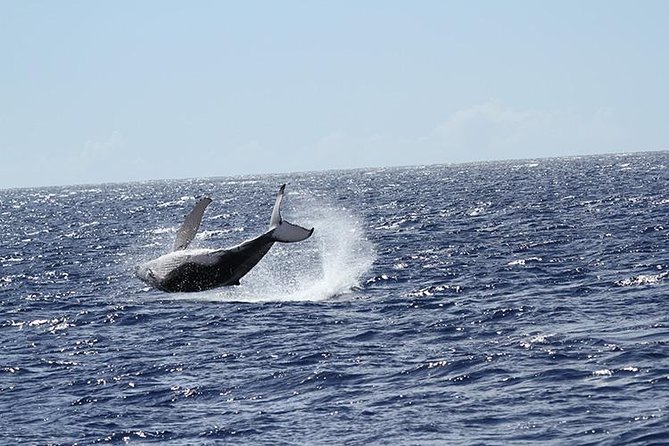
At $85.09 per person for about 2 hours 30 minutes, the value depends on what you care about most: comfort, guidance, and your chance at repeat coverage.
You’re paying for:
- a large, comfortable vessel with multiple viewing spots
- naturalist-led narration that helps you spot and understand whale behavior
- a free return option tied to whale sightings logged by the naturalist
- scenic passes of major Oahu landmarks from the water
Compared with smaller craft, the bigger boat can make the experience feel more relaxed, especially if the ocean is choppy. It also means you’re not fighting for space every time the crew calls out a sighting.
So for most people, especially first-timers who want an organized chance at humpbacks, I think the price is fair. The only time I’d hesitate is if you’re chasing a guaranteed close-up photo moment and you hate the idea of possible waiting, wind, or cold.
Who this cruise fits best (and who should think twice)
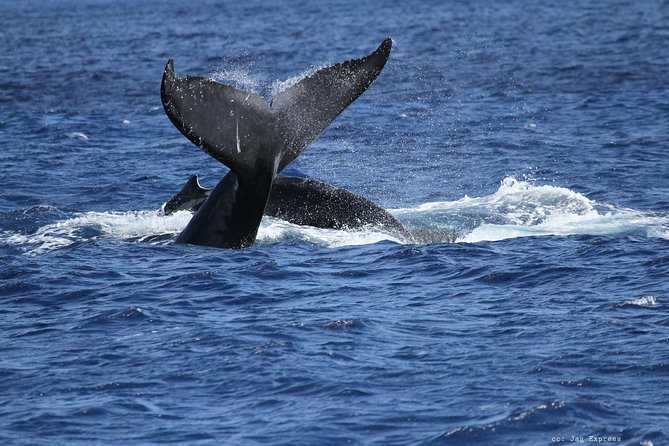
This is a strong match if you want:
- a whale watch that’s organized and guided
- comfortable viewing options (indoors and outdoors)
- a tour that can still feel good even if whales are spaced out, thanks to scenery and music
It’s also a good choice for families. There are kid-focused touches like activities and binoculars mentioned in reviews, and the ship’s multiple decks give parents options.
Think twice if you:
- are very sensitive to cold, wind, and rougher water (some reviews mention chilly and windy conditions)
- want a quiet, strictly adult experience with zero distractions (photo sales and kid activity can add noise)
- are booking right before the season ends and can’t pivot dates if sightings are lower
Should you book the Majestic whale watch?
Book it if you want a well-run Oahu whale watch with real help spotting whales, and you like having comfort options when weather turns. The big reasons I’d put this on your shortlist are the naturalist narration, the three-deck setup, and the free return cruise if whales aren’t logged on your first trip.
Skip it only if you know you can’t handle the realities of wildlife watching—wind, distance, and the occasional quiet cruise. Even then, the return option helps, but it won’t fix everything if your day is miserable from the weather.
If you’re flexible, go in the main humpback window (often Sept/Oct to Mar/Apr) and bring a mindset that this is watching behavior, not a guaranteed show.
FAQ
How long is the Majestic whale watch cruise?
The cruise runs for about 2 hours 30 minutes.
What does the cruise cost?
The price is $85.09 per person.
Where does the whale watch start?
It starts at Majestic by Atlantis Cruises, 301 Aloha Tower Drive, Pier 6, Honolulu, HI 96813.
What’s included in the ticket?
Your ticket includes the 2.5-hour whale-watching cruise and expert naturalist commentary.
Are alcoholic drinks included?
No. Alcoholic drinks are available to purchase, but they are not included.
Do you get another cruise if you don’t see whales?
Yes. If the naturalist does not sight a whale during the cruise, you receive a complimentary return whale watch cruise.
How big is the group?
The tour lists a maximum of 200 travelers.
Is the tour in English?
Yes, it’s offered in English.
What’s the cancellation policy if weather changes?
You can cancel for a full refund up to 24 hours in advance. The experience requires good weather, and if it’s canceled due to poor weather, you’ll be offered a different date or a full refund.