REVIEW · OAHU
Oahu: Dolphin Swim and Turtle Snorkel Excursion in Waianae
Book on GetYourGuide →Operated by Dolphin Excursions Hawaii · Bookable on GetYourGuide
Dolphins in the wild beat any aquarium. This Waianae tour runs on a 32-foot motorboat and focuses on finding wild dolphins—then backing it up with snorkeling time in reef spots where you can see sea turtles and colorful fish. I especially like the small, personalized group feel, which makes the crew easier to hear and your time in the water feel more controlled.
The main catch is that swimming with dolphins depends on dolphin behavior, species rules, and water conditions. You’re set up for dolphin sightings on the boat ride, but an in-water dolphin moment still isn’t something you can lock in like a movie scene.
The value is strong, though. With hotel pickup/transport (from Waikiki or Ko Olina), sanitized snorkel gear, a deli-style lunch, and a life-guard-certified marine biologist or naturalist guiding the day, the $193 price covers a lot more than a bare-bones boat ticket.
In This Review
- Key reasons this Waianae cruise works so well
- Waianae on a 32-foot motorboat: what the day feels like
- Pickup and timing: how Waikiki or Ko Olina transport shapes the day
- Safety briefing first: why it matters for dolphins and snorkels
- Dolphin search off Waianae: how wildlife watching becomes more than luck
- The snorkel stops: protected bays, sea turtles, and reef fish
- Swimming with dolphins: what’s guaranteed and what isn’t
- Included extras that quietly make this worth the money
- Rules you’ll notice on the water: protecting wildlife and staying sane
- Who should book this and who should skip it
- The crew energy: what makes this tour feel personal
- Should you book Dolphin Excursions Hawaii in Waianae?
Key reasons this Waianae cruise works so well
- Small group energy on a 32-foot boat means more attention and less waiting around
- Life-guard-certified marine biologist/naturalist guide gives context, plus real coaching in the water
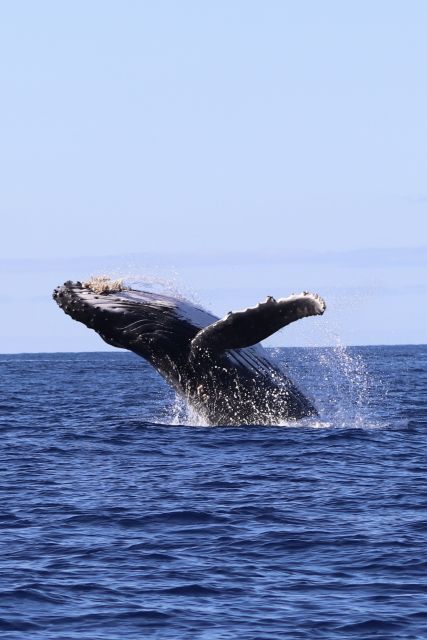
- A real search for wild dolphins off Oahu; winter can add humpback whale spotting
- Snorkel in protected bays where turtles and reef fish are most likely
- Swimming rules that protect animals (and your safety) so you know what’s happening and why
- Lunch + sanitized snorkel equipment included, with a few add-ons available if you want them
Waianae on a 32-foot motorboat: what the day feels like
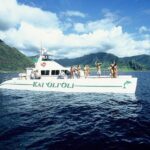
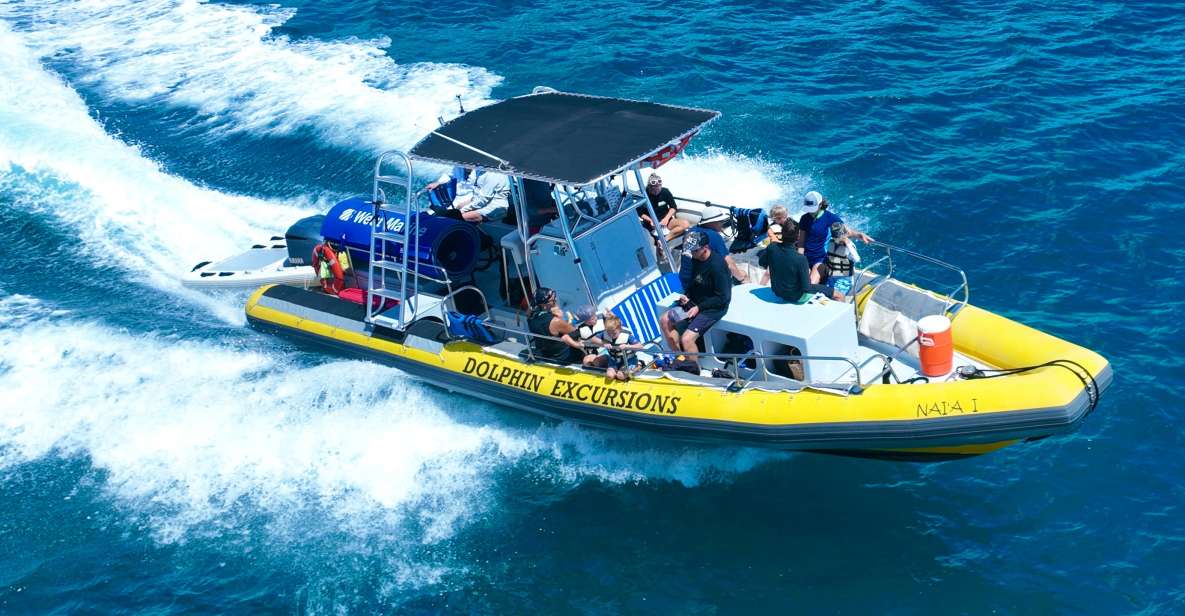
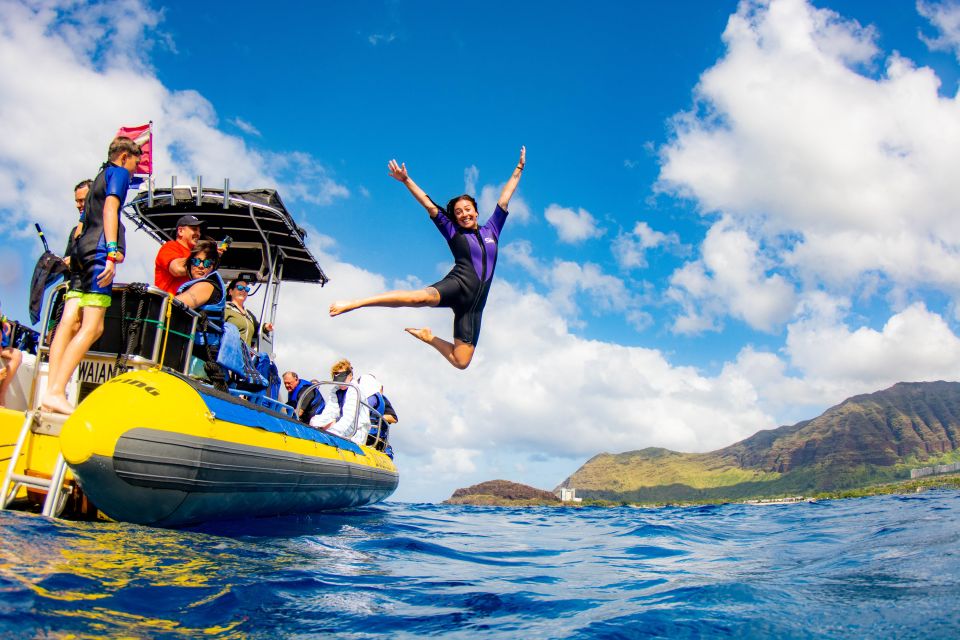
This is not a big, crowded catamaran experience. You’re on a 32-foot motorboat, which changes the vibe in a good way. The ride can feel more like a focused ocean outing than a sightseeing bus, and that matters because the whole point here is wildlife timing. When dolphins move, they move fast. A smaller boat helps you reposition quickly and gives the crew a clearer view of what’s happening.
You’ll also feel the structure early. There’s a safety briefing before you hit the snorkel and swim stops, and it’s not just the standard words. The crew’s job is to get you confident in the water and comfortable with the rules that keep you (and the animals) safe. That’s why people come back saying the team was patient and organized.
Is it smooth sailing all the time? It’s the ocean. Conditions can change. That’s one reason snorkel locations are subject to change based on conditions and your abilities.
You can also read our reviews of more dolphin watching tours in Oahu
Pickup and timing: how Waikiki or Ko Olina transport shapes the day
Most departures are built around hotel pickup. You’ve got a lot of options across Waikiki and Ko Olina, and that’s a real convenience win on Oahu—especially if you don’t want to wrestle with parking and directions before you’re already half in vacation mode.
Here’s what to expect in real-world terms: pickup timing is earlier than the advertised activity start, and drop-off runs later than you might guess. The van ride out and back is part of the experience, so plan your morning and afternoon accordingly. If you’re trying to connect this day with another tour right after, give yourself a buffer.
The good part: you don’t have to think about logistics once you’re in the system. You show up at the hotel pickup location, you get on the white Ford Transit van, and you’re driven to Waianae. Then the crew takes over. It’s simple, and simplicity is underrated when you’re going ocean-facing.
Safety briefing first: why it matters for dolphins and snorkels
The safety briefing isn’t the boring part of the trip. It’s the part that turns an exciting idea into a day that actually flows. The crew lays out rules that you’ll feel immediately once you’re in the water—how to move, how to breathe comfortably, what to avoid, and when you’ll hold position versus float.
It also sets expectations about animal interaction. You’re not there to chase. You’re not there to touch. And feeding or attempting to handle marine life is a no-go. You’ll also be asked not to wear drones, not to smoke, and not to bring glass objects. The restrictions aren’t there to ruin your fun; they’re there because reefs and wildlife don’t mix well with human chaos.
If you’ve ever been on a snorkeling trip where people paddle off in every direction, you’ll appreciate this crew-style approach. A closer group and clearer rules usually means fewer problems, and you spend more time watching.
Dolphin search off Waianae: how wildlife watching becomes more than luck
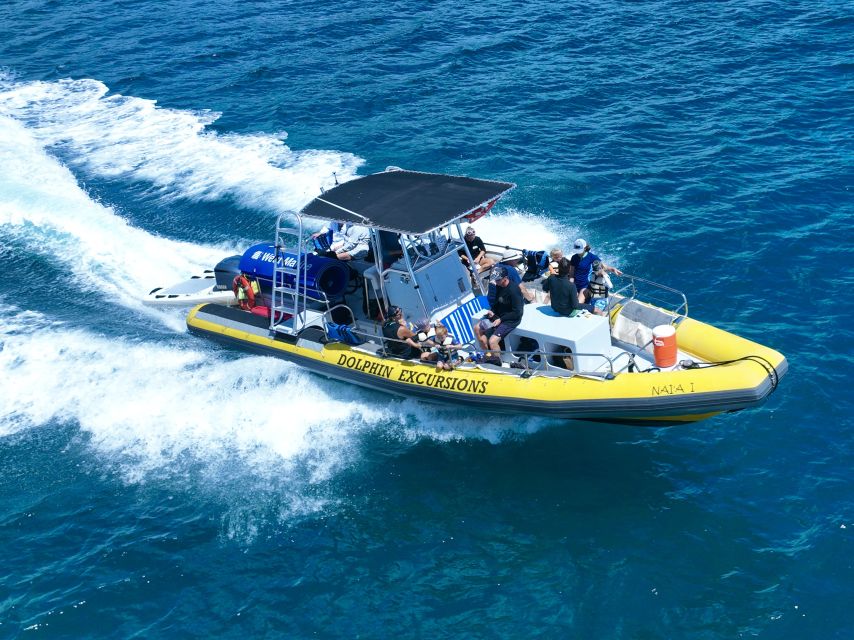
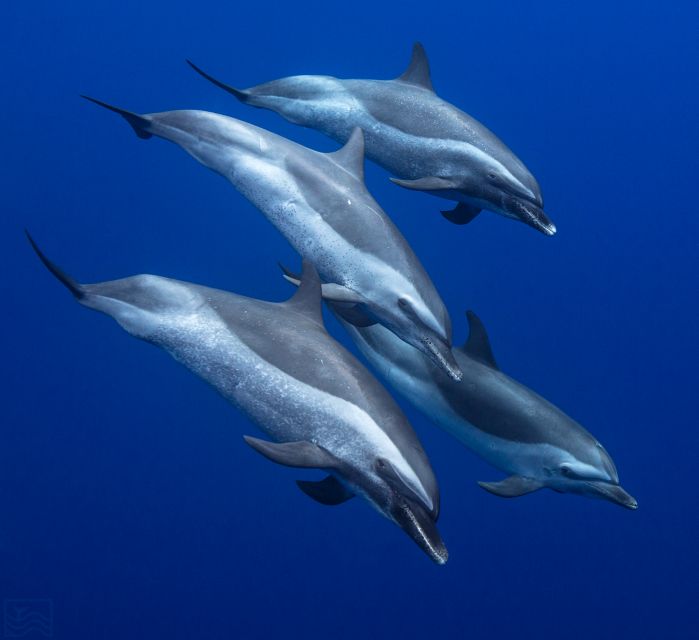
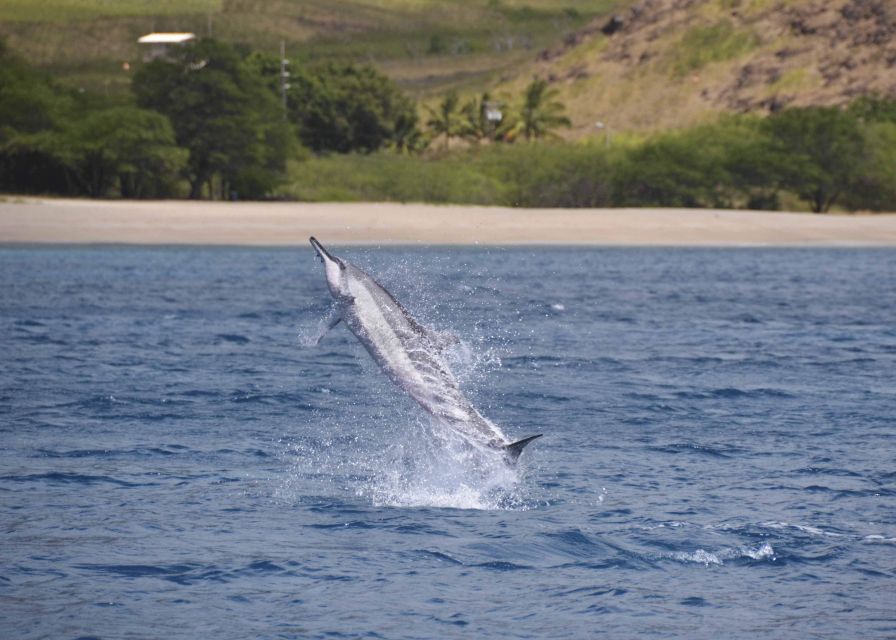
The heart of this tour is the wildlife cruise. You’ll head offshore in search of wild dolphins and whales. During winter months, humpback whales can be the bonus.
What I like about this setup is the way it treats sightings like something you can improve—not just something you passively hope for. Small group size helps because you’re easier to coordinate. The crew also tends to run an early search approach, which can matter if you’re trying to see dolphins before the whole ocean fills up with tour boats.
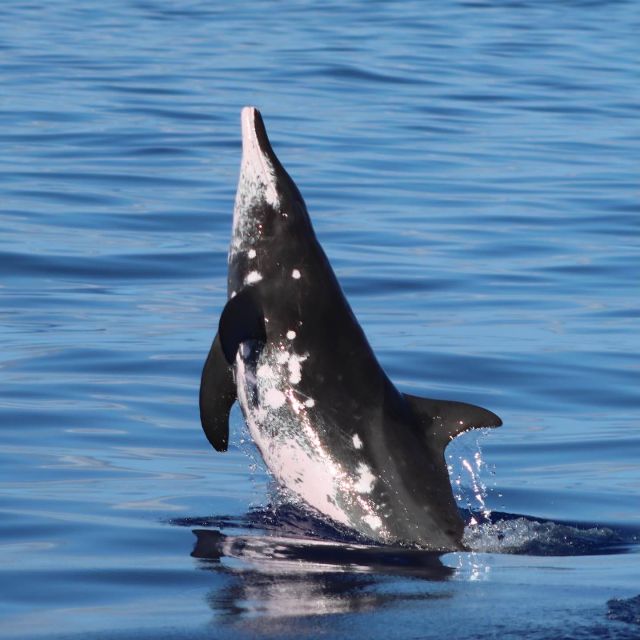
And here’s the key expectation to set with yourself: dolphin sightings are the goal, and the boat ride is designed to find them. But swimming with dolphins depends on conditions, the dolphins’ behavior, and what species are legally and practically safe to approach. Translation: you might swim with dolphins, or you might end up watching them from the boat and then putting your energy into snorkel time with turtles and reef fish. Either way, the crew is still working the whole time.
You also get a broader wildlife lens. On some outings, rarer sea life shows up—people have reported everything from beaked whales to shark sightings. Don’t bank on a specific rare animal. But do expect variety, because the ocean doesn’t follow a schedule just because we do.
The snorkel stops: protected bays, sea turtles, and reef fish
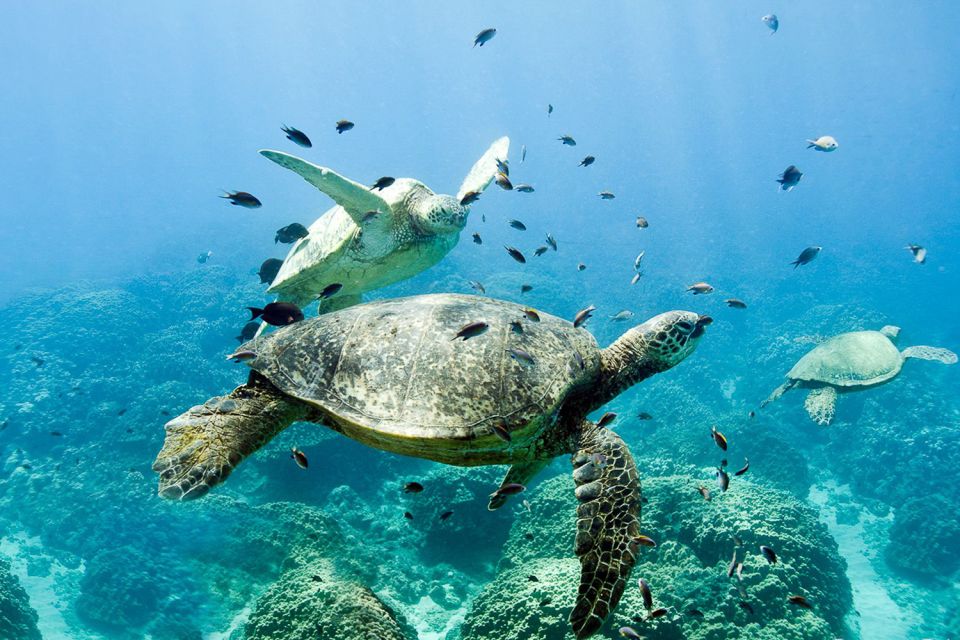
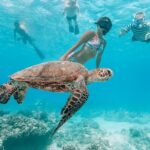
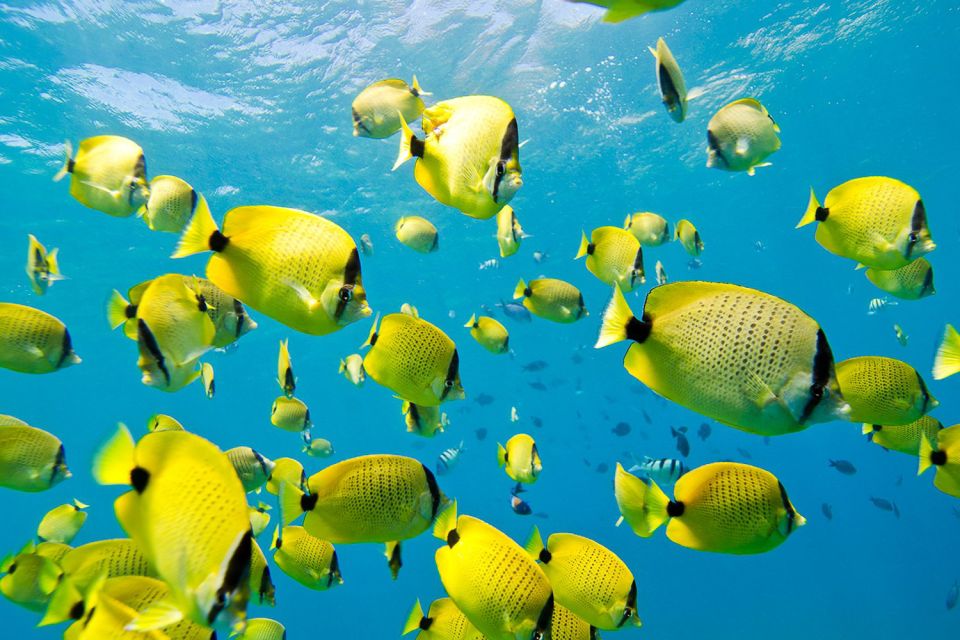
After dolphin watching, you’ll stop to snorkel in clear, protected bays where sea life gathers. Protected bays matter because they usually mean calmer water and better visibility for the time you’re actually in the water.
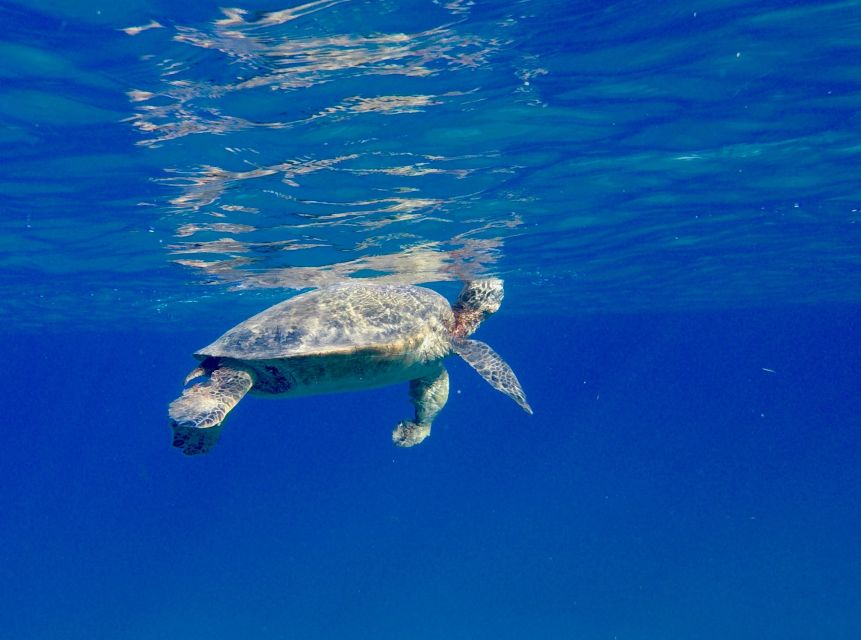
This is where the tour earns its “turtle snorkel” reputation. You’re not just seeing turtles as a distant silhouette. The whole structure of the day is aimed at letting you get face-to-face with them in their natural environment—along with colorful reef fish and the reef ecosystem.
A practical note: snorkel locations can change based on conditions and your abilities. That’s not a failure. It’s how you keep the day safe and still worthwhile when the ocean isn’t cooperating.
Also, snorkeling isn’t only about what you see. It’s about how you feel in the water. You’ll get sanitized snorkel equipment (huge for comfort), and you’ll have the crew nearby with guidance. If you’ve never snorkeled with any confidence before, that coaching makes the difference between a frantic session and a relaxed one where you actually look around.




Swimming with dolphins: what’s guaranteed and what isn’t
Let’s talk about the part everyone really wants: swimming with dolphins.
Here’s the honest breakdown:
- You’re set up for dolphin sightings on the boat ride.
- Swimming with dolphins is not guaranteed.
- The decision depends on dolphin species, animal behavior, water conditions, and your abilities.
That might sound like hedging, but it’s actually how responsible wildlife tours work. If dolphins are moving fast, staying farther away, or behaving in a way that would make a safe approach difficult, the crew won’t force it. The point is to protect the animals and keep you safe—not to hit a checkbox.
So how do you maximize your odds for the in-water experience? Be ready at the moment they call for it. Follow the crew’s instructions without overthinking. Don’t fight the water. Stay calm. If you’re comfortable in the ocean, you’ll likely get more from every stage of the trip—snorkel and swim alike.
And even when dolphin swimming doesn’t happen, the day can still deliver. You can still get close, see dolphins interacting in the wild, and then switch your focus to sea turtles, reef fish, and the snorkeling experience itself.
Included extras that quietly make this worth the money
At $193 per person for a 3-hour activity window, this isn’t the cheapest snorkel trip in Hawaii. But it’s also not trying to be the cheapest. It’s priced like a guided wildlife experience with real labor behind it: a life-guard-certified marine biologist or naturalist guide, small group coordination, a full transport plan from major hotels, and sanitized equipment.
What you get included:
- Swimming with sea turtles
- Swimming with dolphins (when conditions allow)
- Transportation from Waikiki or Ko Olina hotels
- Deli-style lunch with a customized sandwich
- Sanitized snorkel equipment
- A life-guard-certified marine biologist or naturalist guide
- Free parking
You can add-on:
- GoPro rentals ($40)
- Wet suit rentals ($10)
The lunch piece is more than a perk. Ocean time makes you hungry fast, and having a deli-style sandwich means you’re not scrambling for food after you’re wet and sun-baked. People also talk about cold drinks and coffee on the way out and back, which fits the general tone of how the crew keeps things easy.
What you should bring yourself:
- Swimwear
- Towel
- Water
- Biodegradable sunscreen
Yes, biodegradable sunscreen. It’s one of those reef-protection things that makes a real difference over time, and you’ll see why once you understand how sensitive reef areas are.
Rules you’ll notice on the water: protecting wildlife and staying sane
This tour is strict about interaction, and that’s a good sign. You’ll be reminded not to touch marine life, not to feed animals, and not to do things like bring food into the vehicle. There are also clear limits: no nudity, no pets, no drones, and no smoking.
Why it matters: when you follow those rules, wildlife stays wild. And the crew can keep you safe without constant conflict inside a group. This is also why your time doesn’t collapse into chaos. You’ll hear instructions, then you’ll move as a team.
The best part of these rules is the clarity. You’re not guessing what’s allowed. You’re given a framework so you can focus on the experience—watching dolphins, spotting turtles, and enjoying the reef.
Who should book this and who should skip it
This tour fits best if you:
- Want a guided wildlife day, not a DIY snorkel
- Like structure and someone actively helping you in the water
- Appreciate animal-focused rules and want a higher chance of meaningful sightings
- Are okay with the fact that dolphins swimming depends on real ocean conditions
It might not be the right fit if you have:
- Back problems
- Heart problems
- Wheelchair use
- Respiratory issues
- Epilepsy
- A cold
Also, be honest with yourself about water comfort. The tour includes swimming and snorkeling, so your ability matters. If you’re nervous, tell the crew early during the safety briefing.
The crew energy: what makes this tour feel personal
A lot of wildlife tours claim small groups. This one is genuinely set up that way—more attention, less waiting. That shows up when you’re gearing up, when you’re snorkeling, and when you’re looking for animals.
It also shows in the way the day is explained. You’ll hear about marine life as you’re navigating, and the crew ties the sightings to real behavior. That’s why it doesn’t feel like you’re just collecting photos. You’re learning what you’re actually seeing.
If you’re the type who likes to ask questions, this tour tends to work well. The crew’s role is part education and part supervision. You’ll get both.
Should you book Dolphin Excursions Hawaii in Waianae?
I think you should book if you want:
- A guided dolphin-and-turtle ocean day with sanitized gear and real coaching
- Hotel pickup convenience from Waikiki or Ko Olina
- A focused wildlife search where the crew is actively trying to find dolphins and add whales in the right season
Skip or think twice if:
- You need dolphin swimming guaranteed. It isn’t.
- You can’t handle ocean conditions or the physical demands of getting in/out for snorkeling and possible dolphin swimming.
- You’re looking for an “easy, sit on the boat and do nothing” half-day. This tour keeps you engaged.
Bottom line: this is a strong value for people who care about wildlife being respected and who want to maximize the time they spend looking at real ocean life—dolphins up close when possible, and sea turtles in the snorkel zone.
If you book, do one simple thing: bring biodegradable sunscreen, be ready on time for pickup, and stay flexible about snorkel spots. The ocean is in charge. The crew just makes sure you get the best possible day within the rules.