REVIEW · OAHU
Day Trip from Oahu to Hilo: Volcano Adventure
Book on Viator →Operated by Polynesian Adventure Tours · Bookable on Viator
One day. Two volcanoes. Lots of steam. If you want the Big Island highlights without planning a complicated itinerary, this Oahu-to-Hilo day trip delivers a full loop with a guide, airfare, major viewpoints, and time at Hawai‘i Volcanoes National Park.
I especially like the way the day strings together volcano science stops—Kīlauea, steam vents, and the Nahuku–Thurston Lava Tube—so it feels like more than just a photo stop. I also love the contrast of waterfalls right after lava country: Rainbow Falls can throw rainbows in the mist, and Akaka Falls is an easy, jungle-framed viewpoint. The one catch is the pace: it’s a long day with short windows, so you’ll want to be okay with quick breaks and a lunch that may not be a full sit-down meal.
In This Review
- Key things to know before you go
- How the 12-hour tour turns into an early-morning full day
- What you’re really paying for: airfare, park entry, narration, and a packed loop
- Hawai‘i Volcanoes National Park: your best shot at active-volcano context
- Chain of Craters Road plus quick volcano stops: short windows, big payoffs
- Akaka Falls and Rainbow Falls: two waterfalls that feel like two different Hawai‘i
- Hilo town pacing: Banyan-lined coast, tsunami rebuild, and Japanese garden time
- Lunch, audio, and weather: the practical stuff you’ll thank yourself for
- Guide quality is the difference between seeing places and understanding them
- Who this volcano adventure fits best (and who should skip it)
- Should you book this Oahu to Hilo volcano day trip?
- FAQ
- How long is the Oahu to Hilo Volcano Adventure?
- What’s included in the price?
- What key stops will I visit?
- Is lava viewing guaranteed?
- Do I need to bring ID?
- Can I cancel?
- What should I wear or bring for the day?
Key things to know before you go
- Air + ground, in one package: interisland round-trip flights are built in, plus a narrated loop by car.
- Hawai‘i Volcanoes National Park is the anchor: about two hours in the park, with admission included.
- Volcano stops are fast but varied: Kīlauea, steam vents, and a lava tube all get their own short moments.
- Chain of Craters Road adds big “from-the-car” views: a 19-mile drive where some areas can be inaccessible.
- Two different waterfall styles: Rainbow Falls mist rainbows, then Akaka Falls for a greener, calmer drop.
- Small group feel (max 23): you’re usually in a compact vehicle rather than a big bus.
How the 12-hour tour turns into an early-morning full day
On paper, the tour runs about 12 hours. In real life, it often feels longer because your day is built around an interisland flight schedule. People typically start very early—think getting to the airport around 6 a.m., which can mean hotel pickup around 5 a.m.—and you come back late, sometimes close to 10 p.m. That means this is a “grab a seat and settle in” kind of day.
You’ll also want to accept that weather can rearrange the emotional payoff. Volcano country often clears up later, but clouds and mist are common. One of the biggest practical tips from past participants: bring layers even if it’s warm in Honolulu, because the higher, wetter feel around the volcano area can be a shock.
You can also read our reviews of more tours and experiences in Oahu

What you’re really paying for: airfare, park entry, narration, and a packed loop
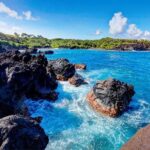
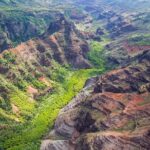
At about $654.46 per person, it’s not a cheap day. But the cost is largely explained by what’s included. This price bundles round-trip interisland airfare, Hawai‘i Volcanoes National Park admission, lunch, and an air-conditioned vehicle with tour narration.
That’s the value angle: you’re paying for convenience plus the “right stops” in one go. Instead of spending your day driving, researching, and timing entrances, you’re handed a sequence and a guide.
Two things to keep in mind for your wallet and planning:
- Transport to/from Honolulu Airport isn’t included, so you’ll need your own way to get there early.
- Interisland flights can change or cost more if availability shifts, so you should budget for possible airfare overage charges.
Also, breakfast at Volcano House Restaurant is mentioned as something you do on your own expense, so don’t assume all meals are included.
Hawai‘i Volcanoes National Park: your best shot at active-volcano context
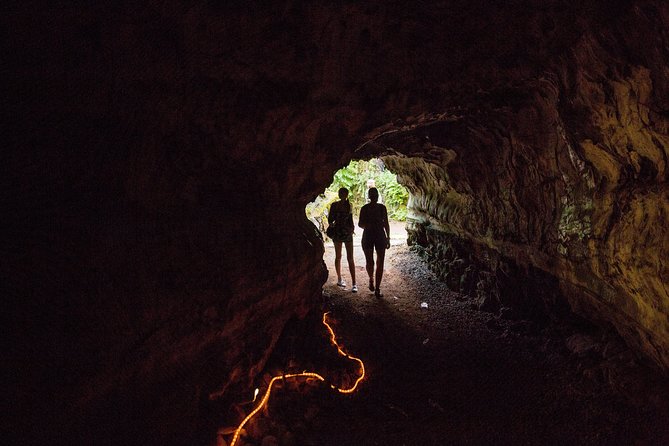
The day’s centerpiece is Hawai‘i Volcanoes National Park, with about two hours there and park admission included. This is where the names matter. You’re in the home base of active Kīlauea and Mauna Loa.
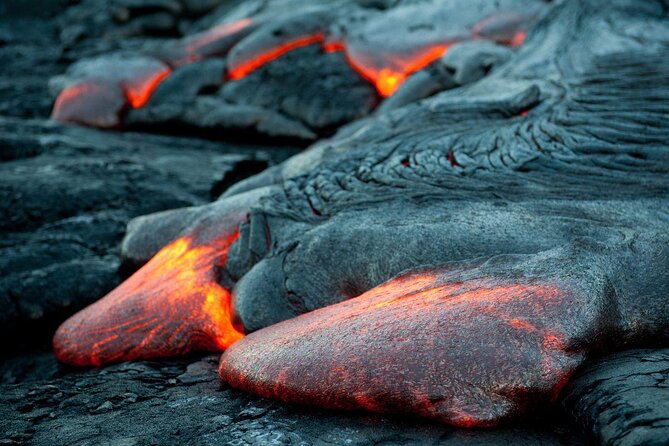
Even if you don’t get a dramatic lava sighting, you’ll still come away with context. In September 2021, vents spewed lava from Halema‘uma‘u, and that kind of ongoing activity is part of what the park is built around: geology you can see, terrain you can walk on, and a sense that the islands are actively changing.
What helps most here is paying attention to your guide’s framing—why certain areas look the way they do, how lava flows leave their signatures, and how the park’s volcanic history shapes everyday life on Hawai‘i Island.
Chain of Craters Road plus quick volcano stops: short windows, big payoffs
After the main park block, the itinerary shifts into “high-impact, low-hike” volcano viewing.
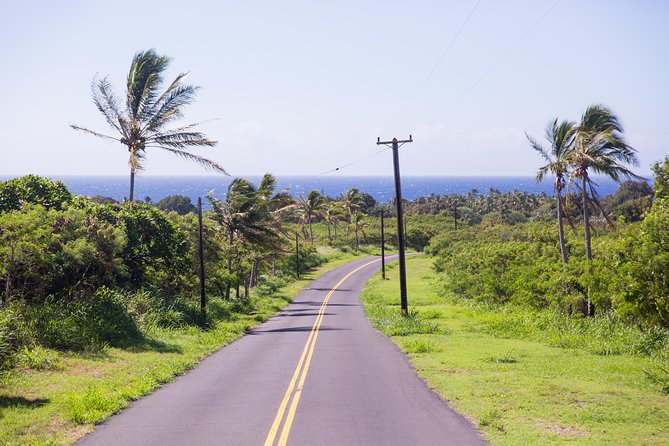
Chain of Craters Road is a 19-mile (31 km) winding paved drive through the East Rift area. Some spots may be inaccessible depending on conditions, but even the partial sections can give you strong views of the lava country. This is the part of the day where you’ll likely notice how quickly the color and texture of the ground can change—from older solidified flows to newer looking rock fields.
Then you’ll hit a trio of classic volcanic stops:
- Kīlauea (about 20 minutes): a closer look at the active shield volcano setting. If the conditions allow, this is where the day can feel electric.
- Steam vents (about 20 minutes): you can see and feel the power of heated underground water as it moves through volcanic rock.
- Nahuku–Thurston Lava Tube (about 20 minutes): this is a tropical forest area over and around a long, subterranean lava cave formed by ancient flows.
A key reality check: lava sightings aren’t guaranteed. Weather, cloud cover, wind, and whether lava is visible from viewpoints all affect what you get. When lava isn’t visible, steam vents and solidified lava surfaces still make the trip worth it—just with a different mood than the “red-hot glow” people imagine.
Comfort tip: wear shoes that can handle uneven, possibly damp ground. Flip-flops are rarely the best choice once the day includes walking near volcanic terrain.
Akaka Falls and Rainbow Falls: two waterfalls that feel like two different Hawai‘i
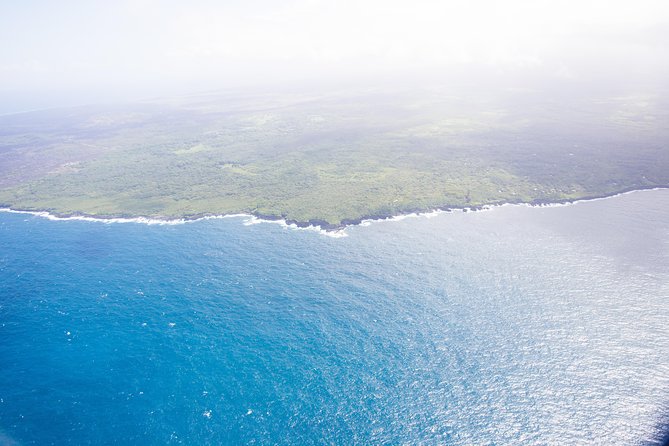
You’ll get two waterfall stops, both designed for easy viewing.
Akaka Falls State Park is about 20 minutes. You get a lookout point with a strong view of the falls, surrounded by lush forest. This stop tends to feel calmer and more “lush green” right after the geothermal intensity of the volcano areas.
Then comes Rainbow Falls in Hilo, also around 20 minutes. This is the one where rainbows can appear from the mist. Even if a rainbow doesn’t show up, the spray and timing usually make it a satisfying photo moment.
The bigger win here is rhythm. Going from steam and lava to waterfalls gives your brain a break while still keeping the natural theme of the day.






Hilo town pacing: Banyan-lined coast, tsunami rebuild, and Japanese garden time
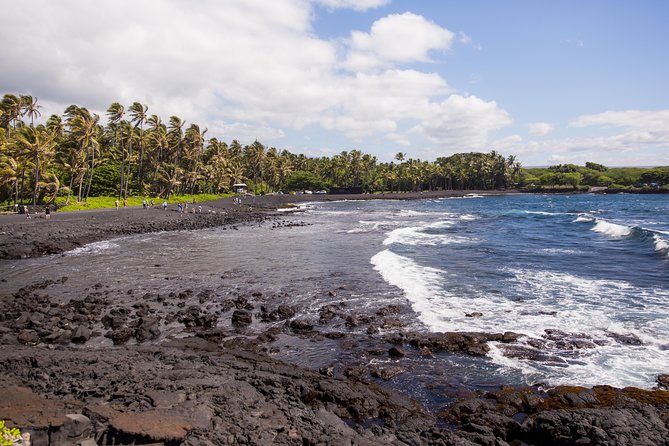
Between big nature stops, Hilo offers the human side of the day.
You’ll drive through Hilo Town along banyan tree-lined streets known as the Hilo Walk of Fame, which runs along the coastline area. It’s a visually relaxing way to reset before the next viewpoint.
There’s also an important historical note woven into the driving: tsunamis in 1946 and 1960 caused catastrophic damage, and the town was rebuilt further inland. Today, you can still spot wooden storefronts, and the overall vibe is laid-back—more working-town than tourist theme park.
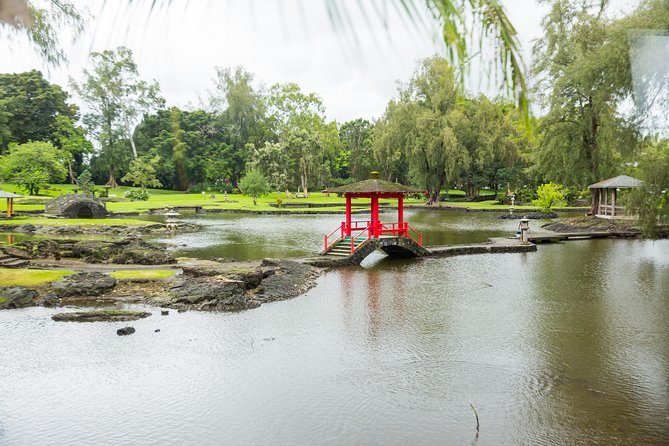
You’ll also stop at a lush Japanese gardens area. One reason I like this kind of stop on a long travel day is it slows things down without demanding a long hike. It’s a soft landing between volcano intensity and waterfall spray.
Lunch, audio, and weather: the practical stuff you’ll thank yourself for

This is where expectations need adjusting.
Lunch is included, but the way it’s handled can be more quick-and-go than slow-and-relax. In past experiences, I’ve seen feedback pointing to things like wraps that may need to be eaten while traveling, or not having a real sit-down lunch window. So I recommend packing a little buffer for yourself: water, a small snack, and patience.
Audio can also be a factor in compact vehicles. Some days the vehicle sound system has worked fine; on other days it’s been reported as inconsistent. If you notice you’re missing key points, ask your guide to repeat the key info at the stop.
Weather is the other big variable. Even when the island is warm, volcano area conditions can be rainy, windy, and misty. Bring:
- a light rain layer or poncho
- a warm layer you can put on fast
- shoes that don’t mind getting wet
There’s also a specific health note: people with asthma and other respiratory problems should consider other offerings if fumes are a concern. The day includes vents and active-volcano areas, so it’s not the safest pick if your breathing is sensitive.
Guide quality is the difference between seeing places and understanding them
The itinerary is structured, but the day becomes memorable because of your guide.
Named guides that have earned strong praise include Dexter, Calvin, Steve, Rob, JT, Anthony, Hugh, and Leroy. What they tend to do well: connect the science to what you’re seeing, keep the drive from feeling like wasted time, and help with on-site photos. One consistent theme in feedback is that guides take time to walk with the group and make sure you don’t miss the best angles at each stop.
If you want the most out of the day, use the guide’s strengths:
- ask quick questions at each stop
- don’t just look—listen for the “why” behind what you’re seeing
- tell them what photos you care about so they can steer you to the best viewpoints fast
Who this volcano adventure fits best (and who should skip it)
This tour is a good match if you:
- want a Big Island highlight day without planning logistics
- like national parks but don’t want a full multi-day hiking program
- enjoy a varied mix: volcanoes, steam vents, a lava tube, then waterfalls
- are okay with an early departure and a late return
It’s less ideal if you:
- want a leisurely day with long meal breaks and slow pacing
- are specifically hunting for guaranteed lava glow (it’s explicitly not guaranteed)
- have respiratory sensitivities and are worried about exposure to fumes
Should you book this Oahu to Hilo volcano day trip?
I’d book this if you want a guided “greatest hits” day that pairs Hawai‘i Volcanoes National Park with Hilo waterfalls and the key volcanic drives—without you having to coordinate flights, park logistics, and timing. The included airfare and park entry make it easier to justify the price, especially if your alternative is piecing together transportation on your own.
But I’d think twice if you’re expecting a relaxed day or guaranteed lava photos. This is a long, weather-dependent day where the payoff is understanding and context as much as spectacle.
If you go in with the right mindset—layers ready, lunch expectations set, and an interest in how active volcanoes shape the island—you’ll come away with a very full, very memorable Big Island day.
FAQ
How long is the Oahu to Hilo Volcano Adventure?
It runs about 12 hours (approx.), though the full day can feel longer because your schedule depends on interisland flight timing.
What’s included in the price?
The tour includes air-conditioned vehicle, tour narration, lunch, interisland round-trip airfare, and Hawai‘i Volcanoes National Park admission.
What key stops will I visit?
You’ll visit places such as Hawai‘i Volcanoes National Park, Kīlauea, steam vents, Nahuku–Thurston Lava Tube, Akaka Falls State Park, Rainbow Falls, plus driving stops through Hilo Town and a Japanese gardens area.
Is lava viewing guaranteed?
No. Lava sightings are not guaranteed and the conditions can affect what you see.
Do I need to bring ID?
Yes. You must provide a valid government-issued ID on the travel day, and the name must match exactly what you enter at booking for TSA/FAA requirements.
Can I cancel?
You can cancel for a full refund if you cancel at least 24 hours before the experience start time.
What should I wear or bring for the day?
Bring appropriate clothing for changing conditions. The day can be wet or windy around volcano areas. Wear comfortable shoes for walking, and consider layers and rain protection.