REVIEW · OAHU
1.5-Hour Private Surfing Lesson in Honolulu
Book on Viator →Operated by Gone Surfing Hawaii · Bookable on Viator
Surfing is easier when safety comes first. This 1.5-hour private lesson in Waikīkī pairs sand drills with hands-on coaching so you can actually learn to read waves and stand up. I especially love the one-instructor-only setup and the fact instructors are trained for first aid and lifeguard-level CPR, which makes the whole experience feel controlled and calm. One consideration: everyone must know how to swim, and the session depends on good ocean conditions, so weather or tide changes can affect what you get to ride.
You’ll start on the sand in Waikīkī, then move into the water quickly—no long lectures while you’re itching to try. Instructors like Trevor, Tommy, Aria, Owen, Kaz, and Jarret pop up again and again in real-life experiences, and the pattern is clear: they’re patient, encouraging, and focused on getting you riding at a pace that feels right for you.
In This Review
- Key Things I’d Watch for on This Lesson
- Waikīkī’s Waves: Why This Beach Works for Beginners
- The 1.5-Hour Flow: From Sand Coaching to Catching Waves
- What each part is really doing for you
- Safety Training That Doesn’t Feel Like a Formality
- What Private Instruction Changes (Especially for First-Timers)
- Surf Etiquette and Local Tips You’ll Be Glad You Heard
- Kids, Swimming Rules, and What to Bring
- Gear and comfort choices that help
- Photos on the Water: Fun Bonus, Separate Purchase
- Conditions Matter: Weather, Tides, and Reschedules
- Value for Different Travelers: Who This Fits Best
- Should You Book This Honolulu Private Surf Lesson?
- FAQ
- Where does the lesson start and end?
- How long is the private surfing lesson?
- Do I need to know how to swim?
- What is the minimum age?
- Is the lesson truly private?
- Is it okay to bring children under 13?
- What’s included in the lesson?
- Are photos and videos included?
- What happens if the ocean conditions are bad?
Key Things I’d Watch for on This Lesson
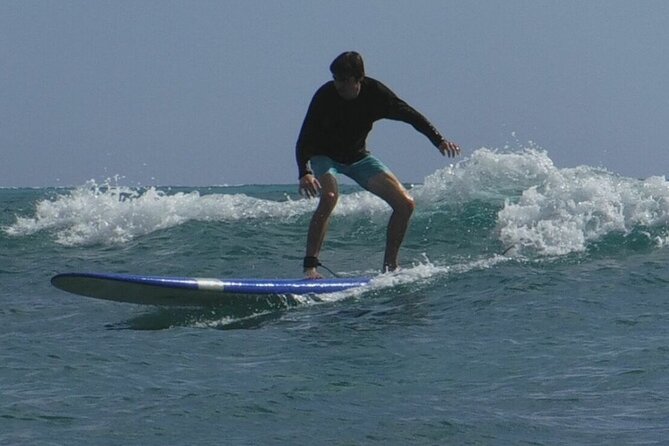
- Private, one-on-one coaching designed around your comfort and goals
- Sand-first safety training before you head into the water
- Wave reading + takeoff positioning taught in practical steps
- Hawaiian surf etiquette tips so you don’t accidentally get in the way
- CPR and first-aid training for instructors
- Photos available to purchase, taken during the lesson
Waikīkī’s Waves: Why This Beach Works for Beginners
Waikīkī is one of the best places on Oʻahu to learn because the setting supports short learning loops: you can feel the ocean, watch what’s happening, then try again without fighting a totally unpredictable surf lineup. Your instructor spends real time on ocean awareness first, so you’re not just guessing where to go once you hit the water.
This matters more than people think. Surfing isn’t only about balance—it’s about timing, water movement, and not getting in the path of someone else. Starting here gives you access to the kind of beginner-friendly conditions your lesson is built around.
Also, Waikīkī is a practical base. The meeting point is near public transportation, so you’re not forced into a complicated logistics puzzle before your lesson.
You can also read our reviews of more private tours in Oahu
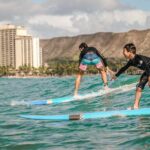
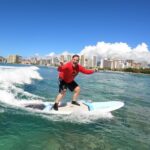
The 1.5-Hour Flow: From Sand Coaching to Catching Waves
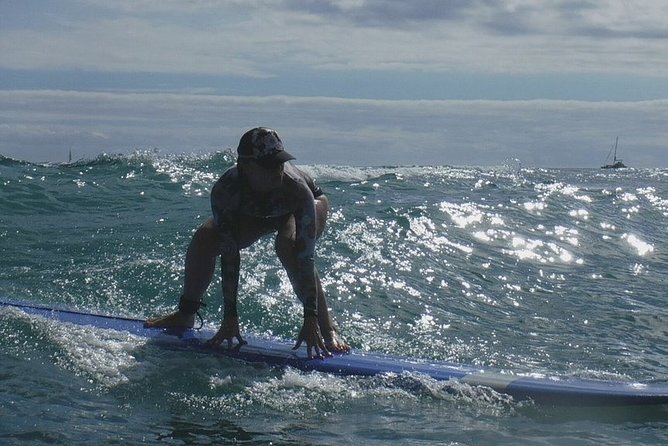
Plan for about 1 hour 30 minutes, and expect a smooth progression: start on the sand, then head straight into the water. On the beach, your instructor covers ocean awareness, wave conditions, and surf safety so you understand what you’re dealing with, not just what to do next.
Then the session moves into hands-on coaching. You’ll work on reading waves, setting your position for takeoff, and refining the basic mechanics of how you stand up and ride. Because this is private, you can get corrections fast. That’s a big deal for first-timers, and even for people who’ve tried before but never got clear feedback.
What each part is really doing for you
Sand training helps you spot the waves that are rideable and learn how to avoid risky moments.
In-water coaching focuses on small changes—where you place your body, when you commit, and how you handle the lineup.
Safety Training That Doesn’t Feel Like a Formality
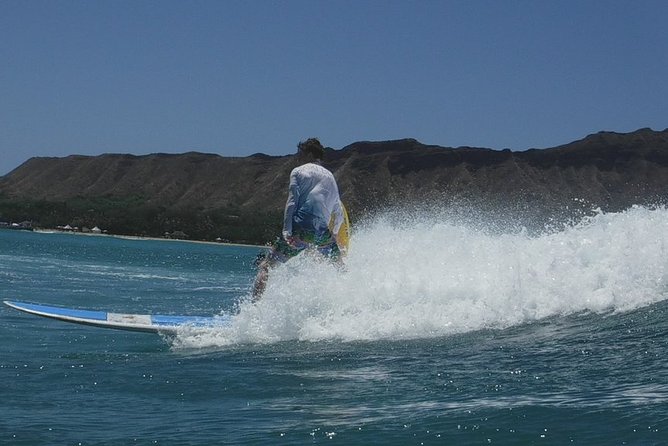
A big reason this lesson gets high marks is how seriously it takes safety. Instructors are trained in first aid and lifeguard-level CPR, so you’re not just learning how to surf—you’re being guided by people who are used to ocean risk.
The lesson begins with safety training on the sand, which is exactly where you want it. It’s easier to understand currents, wave patterns, and safe movement when you’re not panicking in open water. You also learn Hawaiian surfing etiquette as part of that safety mindset—knowing how to act around others reduces chaos and injury risk.
One practical tip from past experiences: if you’re worried about cuts from reef or sharp edges, consider wearing reef walkers. You can also purchase rash guards locally if you want extra protection, but reef-safe footwear is what makes many people feel more comfortable early on.
What Private Instruction Changes (Especially for First-Timers)
Private lessons are not just about exclusivity. They’re about feedback timing. With one instructor focused on you, you get real-time adjustments instead of generalized tips aimed at a group.
That’s why people who start from scratch often feel calmer. The instructor can break down what’s happening when you wipe out, and they can correct the exact piece that’s blocking your progress. If you’re already “sort of” able to surf, private coaching can still help—your instructor can fine-tune your takeoff and positioning so you spend less time waiting and more time riding.
I also like that the lesson is tailored. It’s built for beginners, first-timers, and guests who want their own pace. That’s not fluff; it affects how many tries you get, how the instructor encourages you, and how they decide when to bring you back in.
You can also read our reviews of more tours and experiences in Oahu
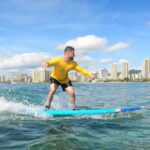

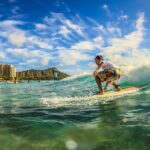

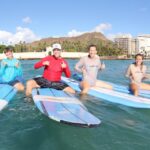
Surf Etiquette and Local Tips You’ll Be Glad You Heard
Surf etiquette sounds abstract until you’re on the water. Then it becomes real fast: who has priority, where people line up, how to avoid crossing someone’s path, and how not to create mess in the break.
Your instructor teaches proper surf etiquette while you’re learning to catch waves, so it’s not separate from the fun. You’ll also get local tips on how Hawaiian surfing culture works in a practical, on-the-water way.
This is one of those “you’ll feel it later” skills. Even if you don’t become an expert rider in 1.5 hours, you’ll leave with a better sense of how to behave in the ocean and how to share the waves safely.
Kids, Swimming Rules, and What to Bring
This lesson has a minimum age of 5 years, and there’s an extra requirement for young kids. If someone is under 13, they must be booked as a private lesson on the required private setup so kids stay safer and the instruction stays focused.
There’s also a non-negotiable rule: everyone must know how to swim. That’s how they can safely move you from sand drills into the water. The lesson also calls for a moderate physical fitness level, since you’ll be in and out of the ocean and working to paddle, balance, and stand.
Gear and comfort choices that help
- Bring reef-safe footwear if you’re prone to foot scrapes
- Consider a rash guard if you want extra skin protection (purchase options exist)
- Plan for sun exposure and salty-water rinses afterward
If you’re traveling with kids, this kind of coaching can be a lifesaver. In past experiences, instructors have shown patience and quick responsiveness when kids get cold or need minor first aid, which makes a big difference for family comfort.
Photos on the Water: Fun Bonus, Separate Purchase
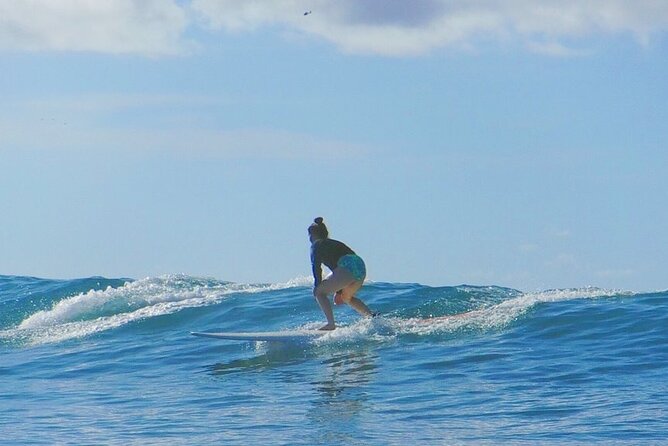
Optional souvenir photos are available to purchase, and a photographer may be part of the experience while you’re riding. The images are taken out on the waves, which is great because standing on the beach often gives you shots that are too far away to be satisfying.
There’s also an easy viewing and download process described in real-life experiences. You can preview images the evening of your lesson, then download them after payment with just a few clicks. If you’re the person who usually forgets to get photos, this is a smart way to leave with proof you actually did it.
If you care about photos, you’ll want to treat them like an optional add-on: decide ahead of time whether you want them, and then keep an eye on the photo workflow afterward.
Conditions Matter: Weather, Tides, and Reschedules
Ocean lessons depend on conditions. This experience requires good weather, and if conditions aren’t right, you’ll be offered a different date or a full refund.
Tides can also change what’s rideable. There’s an example of a lesson needing a rebook when tide conditions didn’t produce good waves to ride, and the operator adjusted to the next day so participants could still get a proper surf experience. That kind of flexibility matters, because the whole point of this lesson is to spend time learning on real waves—not just hanging out in flat water.
The practical takeaway: build in a little schedule wiggle room if you can. If you only have one day in Waikīkī, you might still book, but you’ll feel safer if you can shift plans if the ocean demands it.
Value for Different Travelers: Who This Fits Best
This is the kind of activity that delivers best value when you want coaching, not just access. If you’re a total beginner, you’ll benefit from the sand-to-water progression and the immediate corrections while you’re learning to stand.
It’s also a strong choice for families. The minimum age (5) and the requirement for private setup under 13 show they take child safety seriously. When kids get tired or cold, having an instructor who can read the moment and respond quickly makes the lesson more enjoyable for everyone.
If you’re more experienced and just want to polish technique, private instruction can still help—especially for takeoff and positioning. You’ll get targeted feedback faster than in a larger group setting.
If you’re on a tight schedule, remember this is about learning fundamentals within roughly 1.5 hours, not about becoming a surfing machine. Your goal here is confidence: understanding waves, improving your basics, and leaving with a clear sense of what to practice next.
Should You Book This Honolulu Private Surf Lesson?
Yes, if you want a structured beginner path with safety training, and you like the idea of one-on-one coaching in Waikīkī. This lesson works well for kids and adults alike, as long as everyone meets the swim requirement and can handle moderate physical activity.
Book it with confidence if any of these are true:
- You’re new to surfing and want clear, step-by-step guidance
- You care about safety and prefer instructors trained for real ocean emergencies
- You want etiquette taught along with technique, not as an afterthought
- You’d like photos taken while you’re actually riding
Skip or reconsider if you don’t meet the swim requirement, you’re dealing with limited mobility that makes ocean movement hard, or your dates don’t allow any schedule flexibility in case conditions force a reschedule.
If you do book, show up ready to listen on the sand and act on the corrections in the water. That’s where the learning happens fast.
FAQ
Where does the lesson start and end?
The lesson starts at 2169 Kālia Rd, Honolulu, HI 96815, USA. It ends back at the meeting point.
How long is the private surfing lesson?
It runs for about 1 hour 30 minutes.
Do I need to know how to swim?
Yes. All participants must know how to swim.
What is the minimum age?
The minimum age is 5 years.
Is the lesson truly private?
Yes. It’s listed as a private tour/activity, meaning only your group participates.
Is it okay to bring children under 13?
If anyone in your group is under 13, they must be booked on a Private Lesson using the required private setup (same date/time) so your group can still surf together.
What’s included in the lesson?
Included items are the activities, a local instructor (also described as a professional instructor), and private lessons. There are also small-group lessons offered as part of the service.
Are photos and videos included?
Souvenir photos are available to purchase, but they are not listed as included in the base offering.
What happens if the ocean conditions are bad?
This experience requires good weather. If it’s canceled due to poor weather, you’ll be offered a different date or a full refund.