REVIEW · OAHU
Oahu Night Dive: Adventure for Certified Divers
Book on GetYourGuide →Operated by Dive Oahu Inc · Bookable on GetYourGuide
Night turns Hawaii into a different world. This 3-hour nighttime scuba outing lets you see the ocean on its own schedule. I love that you do two separate underwater sessions—first at twilight, then later in near-darkness—so you get more than one kind of wildlife show.
You’ll also like how much is handled for you. Gear rental is bundled with two tanks, wetsuit, weights, fins, BCD, and underwater lights, so you’re not burning vacation hours chasing rentals. The boat setup is also practical: room to move, shaded space when you need a break, plus a restroom on board.
One consideration: this isn’t for first-timers. You must already be certified for scuba and show proof at the boat, and you also can’t fly within 24 hours after your sessions. If that’s a deal-breaker, you’ll want to skip this and plan a daytime alternative.
In This Review
- Key things to know before you go
- Why Oahu’s south shore at night is so good
- Getting on board: safety briefing, shaded comfort, and sunset breaks
- First underwater session at twilight: reefs in transition
- Second underwater session in near darkness: using underwater lights
- Marine life you may encounter (and how to get the best sightings)
- Gear rental and why it boosts your vacation value
- Price and value: what $248 actually buys you
- Logistics that matter: meeting point, timing, and the 24-hour rule
- Who this fits well (and who should skip)
- Should you book this nighttime scuba tour?
- FAQ
- What’s the duration of the experience?
- How much does it cost per person?
- Do I need to be certified before I go?
- What gear is included?
- Where do I meet the group?
- Is there parking near the meeting area?
- What should I bring with me?
- Are there rules about flying after the tour?
- Is the tour refundable if I change plans?
Key things to know before you go
- Two guided underwater sessions (1 hour each) for a longer night than most quick trips
- Twilight first, near-darkness second, which changes what animals you’re likely to see
- Underwater lights included, so you can safely observe ocean life in the dark
- Full gear rental including wetsuit, weights, fins, BCD, and two tanks
- Boat comfort basics covered: shaded deck, sun deck, and a restroom
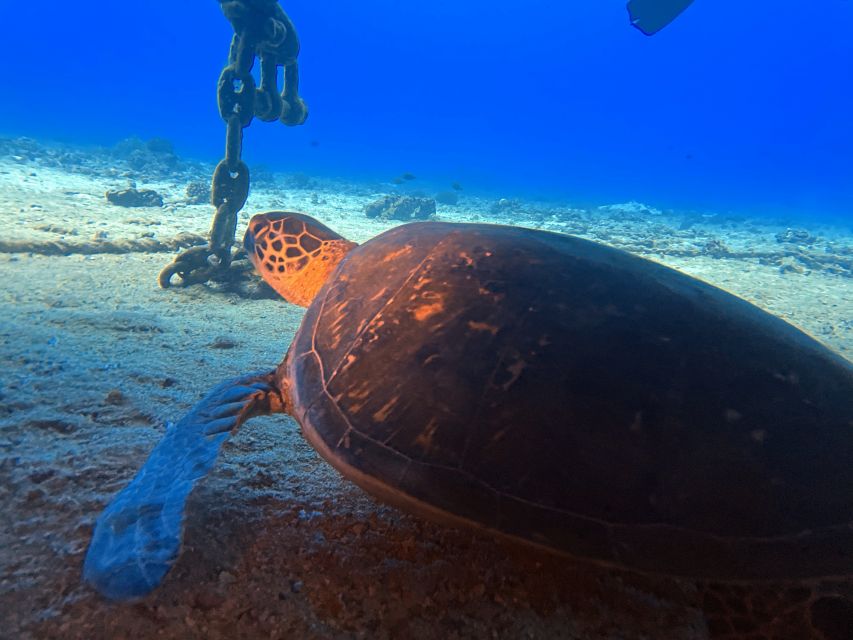
- You’re likely to see big favorites like sharks, turtles, eels, rays, and endemic reef fish
Why Oahu’s south shore at night is so good
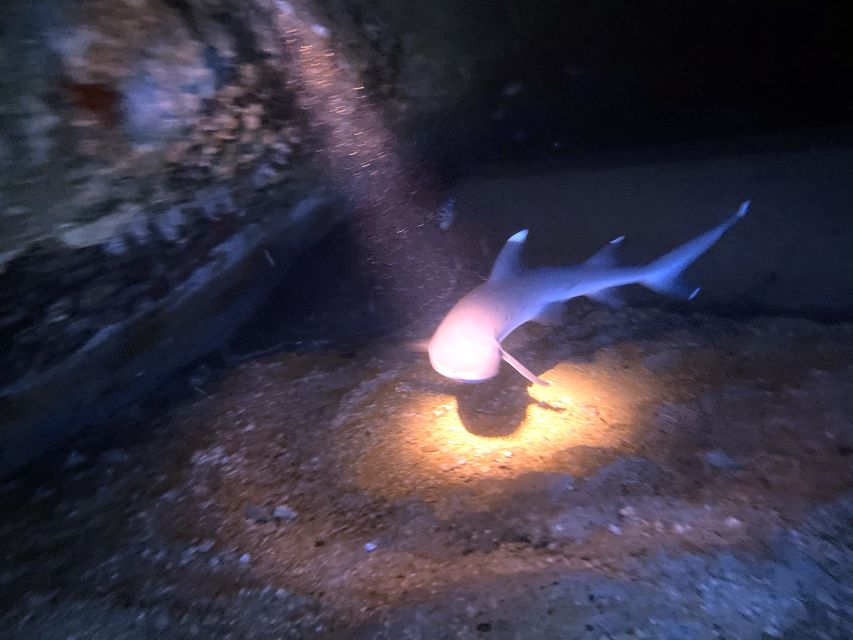
Oahu’s south shore has a simple advantage: it’s set up for easy access from the harbor, and the water tends to deliver that “something’s always happening” feeling. At night, that energy shifts. Daytime activity usually slows down, and animals that rest or hide during daylight start moving.
What I like about doing this on a guided schedule is the timing. Twilight is when the ocean is switching modes, and you get that in-between look—some daytime behavior fading out while nocturnal patterns come online. Then later, once things turn darker, the underwater lights do more than help you see. They give you a different kind of awareness: you start noticing textures, silhouettes, and small movements you’d never clock in daylight.
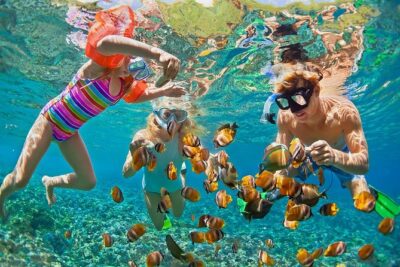
Also, you’re not just chasing big sightings. The tour description calls out a mix of ocean life—sharks, turtles, eels, rays, octopus, starfish, crabs, Hawaiian endemic fish, and dolphins—so you’re aiming for variety, not a single lucky encounter.
You can also read our reviews of more evening experiences in Oahu

Getting on board: safety briefing, shaded comfort, and sunset breaks
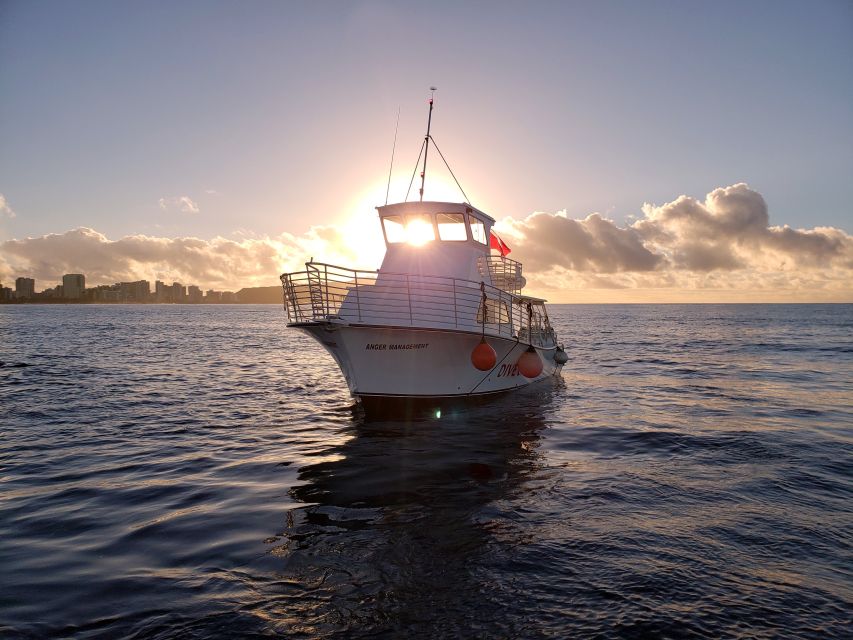
The tour starts at the harbor, with a clear meeting point: front row, slip 8, and look for a large turtle picture. Arrive at least 30 minutes early so you’re not rushed while getting checked in and suited up.
Once you’re on the boat, there’s a 25-minute safety briefing before you head into the water. That time matters more at night. Even if you’ve done scuba before, night sessions demand extra calm and extra awareness—staying oriented, managing your gear, and following your guide’s cues.
From there, you do your first guided underwater session for about 1 hour. Then you get a 30-minute break on the surface with snacks and refreshments while the sun is setting. That break is more than a snack stop. It’s when you warm back up, review what you saw, and reset your focus before the second session.
The boat itself is designed for comfort. You get both a sun deck and shaded deck plus a restroom on board. That’s genuinely useful because night tours can make you feel tired fast—shade helps you recover, and the restroom means you’re not distracted at the wrong time.
First underwater session at twilight: reefs in transition
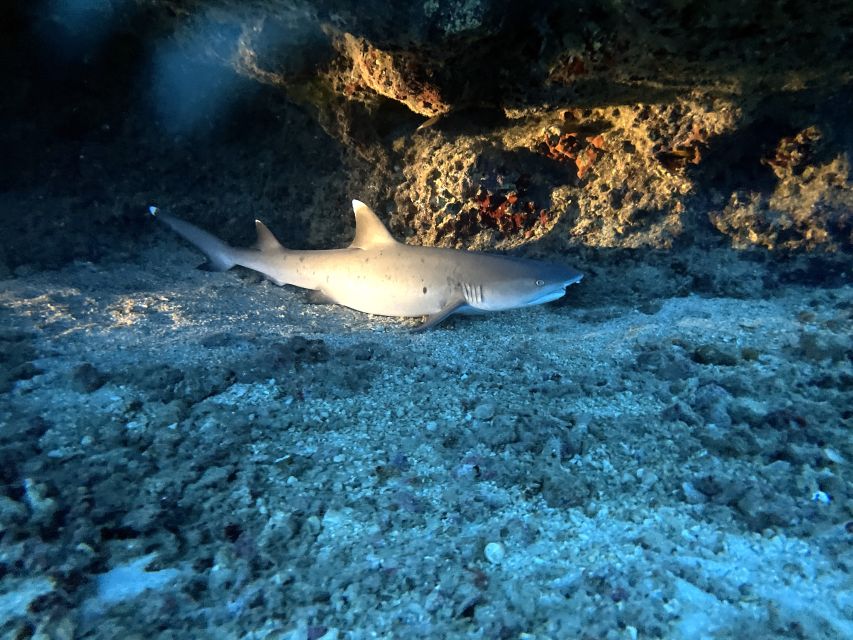
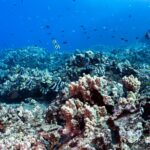
Your first session happens at twilight at a famous reef spot off Oahu’s south shore. This matters because twilight often has the widest range of activity. Some animals are still awake. Others are transitioning out of their daytime routines. You get a “living in layers” effect—what you notice in the first minutes can be different from what shows up later.
The tour description suggests the reef is in transition, with some marine life moving into rest while nocturnal species begin to appear. In practical terms, this is when you’ll likely see a blend of familiar and unexpected behavior: animals that use the reef structure in daytime, plus those that prefer cover and movement under lower light.
The kinds of encounters the tour highlights are broad: sharks, turtles, eels, rays, octopus, starfish, and crabs, along with Hawaiian endemic fish. You also might spot dolphins in the area of the tour. Even if you don’t see every animal listed, the “mix” is the point—your guide is managing the route and timing so you’re in good areas during the hours when life is actively shifting.
One practical tip for this part: during twilight, your eyes are adjusting. Give yourself a minute when you first enter and focus on your guide’s plan rather than scanning nonstop. Night water can feel busy. Steady observation beats frantic looking.
Second underwater session in near darkness: using underwater lights
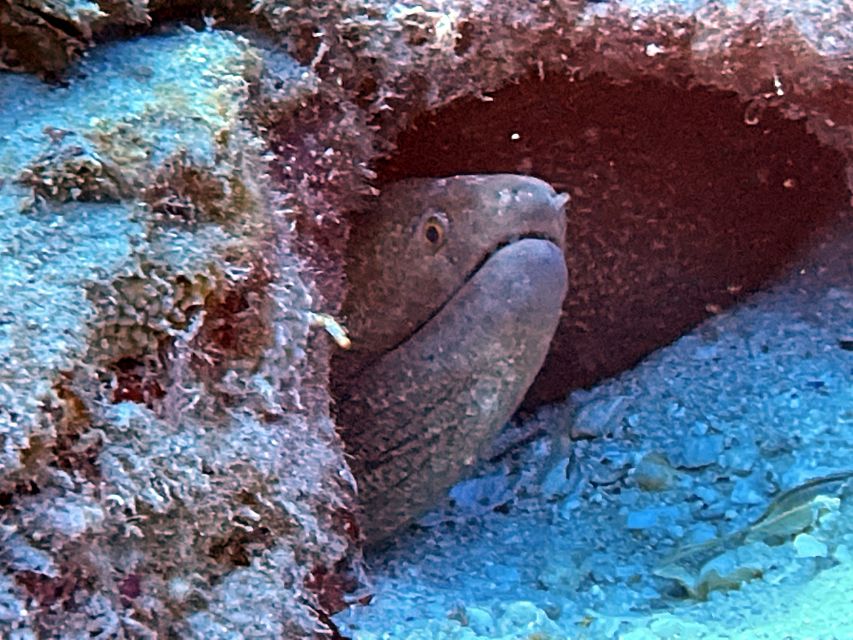
After the surface break, you head back in for the second guided underwater session, later in the evening. This is where the experience changes most. You’ll be outfitted with complimentary underwater lights, and the tour description specifically points to experiencing the ocean in greater darkness.
That phrase sounds dramatic, but it matters in your day-to-day experience underwater. In near darkness, visibility is about more than distance. It’s about contrast—what your light catches, what drifts out of beam, and what hides until you sweep slowly across it.
This is also where you’re more likely to see the behaviors you’d miss in daylight. Animals that treat cover as security tend to become more noticeable once the light changes their “rules.” The guide’s job is to help you observe without disturbing the animals’ normal movement.
So what should you expect to look for? Think silhouette and motion cues first—slow body movement, a tail flick, a fluke that breaks the beam. Then, when your light lands on reef structure, you can spot details like endemic reef fish and smaller life tucked into the environment. Rays and eels can be easier to notice in the right angle and beam, not because they suddenly appear, but because you see the difference between shadow and shape.
Marine life you may encounter (and how to get the best sightings)
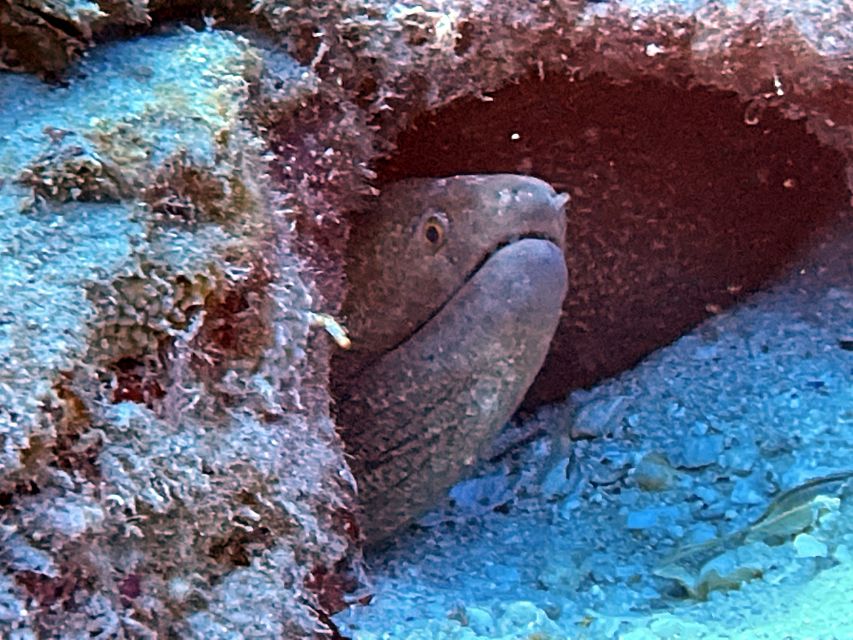
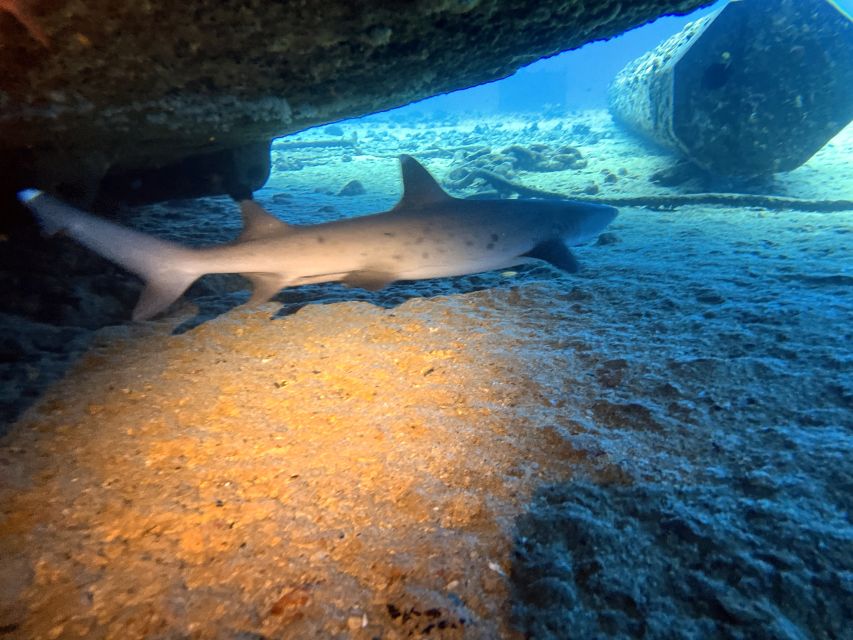
The activity description lists the headline possibilities: sharks, turtles, eels, rays, octopus, starfish, crabs, Hawaiian endemic fish, and dolphins. It’s a long list on purpose. Night sessions often mean you might see one or two “big names” and several smaller residents instead of a full checklist.
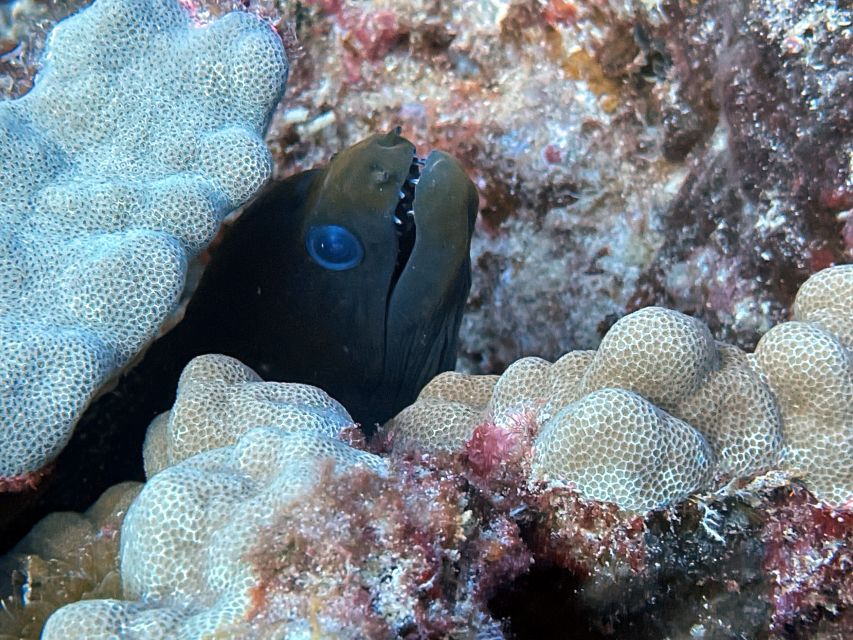
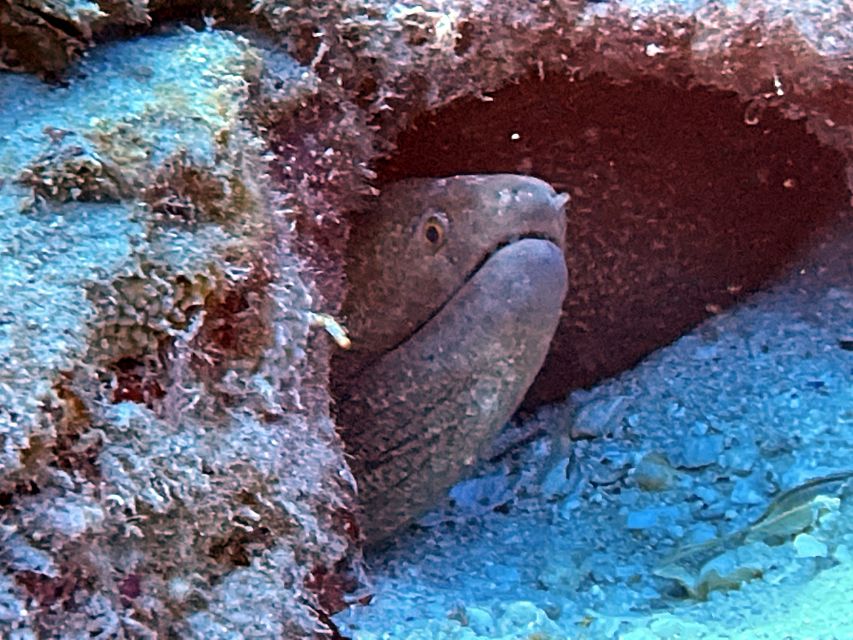
To maximize your odds, treat your underwater light like a tool, not a spotlight. Use it for scanning reef edges and open water paths your guide is showing you. When you focus on one area, do it for long enough to notice how the animals use space. A turtle might be cruising. An eel might be holding position. A ray might be resting on a plane that looks like nothing until the light hits at an angle.
For endemic fish, the best approach is patient scanning of reef structure rather than chasing movement. Hawaiian endemic fish often hang close to the “busy parts” of the reef—crevices, low ledges, and points where current brings food. Your guide’s route is doing the work for you here, which is one reason guided sessions are worth it at night.
Also, remember that night changes your depth perception and your comfort level. If you feel off-balance, slow down your movements and breathe normally. That keeps your buoyancy steady and gives you more time to observe.




Gear rental and why it boosts your vacation value
This is one of the most practical parts of the whole experience. Included gear rental covers:
- Two tanks
- Underwater lights
- Wetsuit
- Weights
- Fins
- BCD
That list is a big deal for value because it removes the hassle of:
1) finding and reserving the right gear,
2) making sure you’ve got the right sizes, and
3) transporting it around Oahu.
It also means you can show up with simpler packing: swimwear, a towel, and your certification proof. You don’t have to stress about whether you forgot a hard-to-replace item like a buoyancy vest or the weights setup for your buoyancy needs. At night, that kind of preparedness makes your experience smoother.
One more note: a wetsuit at night helps with comfort. Even if you don’t think you’ll get cold, you’re in the water twice. Comfort is a quality-of-life factor, not a luxury.
Price and value: what $248 actually buys you
At $248 per person for a 3-hour outing, you’re paying for a guided night with two separate underwater sessions and full equipment support. The math gets more reasonable when you look at what’s included.
You get:
- A guided experience timed for twilight and later night conditions
- Two underwater sessions (about 1 hour each)
- Two tanks and underwater lights included
- Full gear rental: wetsuit, weights, fins, and BCD
- Snacks and refreshments during the surface break
Parking isn’t included, so you’ll want to budget for that separately. There’s parking at Kewalo Basin for $1 an hour, or you can use Ala Moana Beach Park for free. That’s one of those small “gotchas” that can swing your total cost depending on where you’re starting from.
As for ratings, the experience has a 3.6 rating from 6 reviews, and at least one recent verified booking called it Amazing. That’s not a guarantee, but it does fit what people usually want from a night outing: competent guidance and the feeling that the ocean is doing something different after dark.
Logistics that matter: meeting point, timing, and the 24-hour rule
This tour runs on a tight window: 3 hours total. That’s why arriving early is stressed. Meet at the harbor front row, slip 8, and look for the large turtle picture. Build in extra time to check in and get geared up calmly.
The schedule is straightforward once you’re on board:
- Safety briefing for about 25 minutes
- First guided underwater session for about 1 hour
- Surface break around 30 minutes with snacks and refreshments
- Second guided underwater session for about 1 hour
- Return to the harbor
Two logistics items are especially important for scuba planning. First, you must be able to swim and be in good health. Second, you must not fly within 24 hours after your underwater sessions. That restriction is critical if your itinerary includes inter-island flights soon after the tour.
Language is English, and the guide is PADI certified. That matters if you want instruction that’s clear and standardized, especially when you’re operating at night.
Who this fits well (and who should skip)
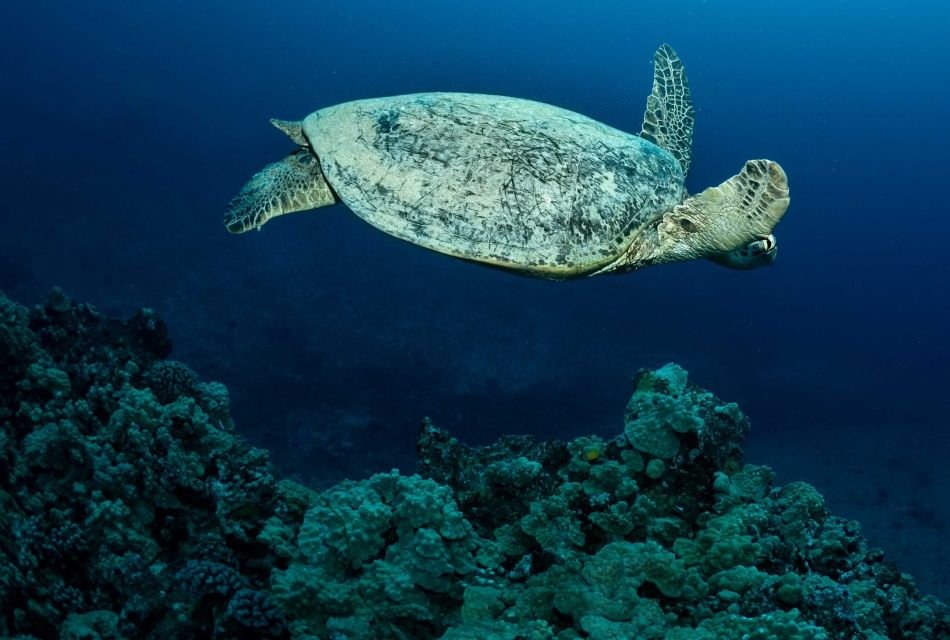
This is for certified scuba participants only. You’ll need to present proof of certification at the boat. If you’re not already certified, this won’t work for you.
It’s not suitable for:
- Children under 15
- Pregnant women
- People with pre-existing medical conditions
It also requires that you’re comfortable in the water and able to swim, plus you should be in good health. Night sessions demand extra composure, so if you’re prone to panic in low visibility, you may want to pass.
Who should book? If you already have scuba certification and you want a Hawaii experience that feels genuinely different from beach time—this is a strong pick. It’s also a good match if you’d rather have gear handled for you and want a guided plan that uses twilight and darkness intentionally.
Should you book this nighttime scuba tour?
Book it if you:
- Are already certified and want your scuba sessions to include twilight-to-night wildlife changes
- Like the idea of included gear, especially two tanks and underwater lights
- Want a guided format with a clear plan and breaks, not a DIY night experiment
Skip it if you:
- Can’t commit to the no-flying-for-24-hours rule
- Don’t meet the health or suitability requirements
- Prefer daylight-only experiences
For the kind of night you’re buying—two guided sessions, full gear included, and snacks during the surface break—it’s a sensible value package. And when the ocean goes dark, the difference is the point.
FAQ
What’s the duration of the experience?
It lasts about 3 hours total.
How much does it cost per person?
The price is $248 per person.
Do I need to be certified before I go?
Yes. You must be a certified scuba diver and show proof of certification at the boat.
What gear is included?
Premier gear rental is included, including 2 tanks, underwater lights, wetsuit, weights, fins, and BCD.
Where do I meet the group?
Meet at the harbor, front row, slip 8, and look for the large picture of the turtle. Arrive at least 30 minutes early.
Is there parking near the meeting area?
There’s parking at Kewalo Basin for $1 an hour, or Ala Moana Beach Park for free.
What should I bring with me?
Bring swimwear, a towel, and your diving certification proof.
Are there rules about flying after the tour?
Yes. You must not fly within 24 hours after your underwater sessions.
Is the tour refundable if I change plans?
Yes. Free cancellation is available up to 24 hours in advance for a full refund.
![Honolulu: Pearl Harbor, USS Arizona Memorial [Early Access] - Waikiki pickup and the morning drive: what timing feels like in practice](https://1.ourhonolulu.org/wp-content/uploads/honolulu-pearl-harbor-uss-arizona-memorial-early-access-400x225.jpg)