REVIEW · OAHU
Oahu: Islands of Polynesia and “HA: Breath of Life Show”
Book on GetYourGuide →Operated by Polynesian Cultural Center · Bookable on GetYourGuide
Six villages, one unforgettable evening. At Oahu’s Polynesian Cultural Center, you wander through Polynesian island villages and finish with reserved-seat Hā: Breath of Life, where fire knife dancers light up the night. I love how hands-on the culture feels, with chances to learn hula, try Hawaiian games, and make lauhala (reed) weaving. I also like that the evening show tells a clear story instead of being a random grab bag of acts. The only catch: the final show runs long, and you’re not traveling with a guide once you’re inside.
This is the kind of experience that works best when you show up with a little patience and a good plan. Your entry covers the island villages and the show ticket, but food and drink are purchase-only, so budget time and money for snacks and hydration. You’ll have an English host or greeter at the start, then you’re on your own across the 42-acre site—easy, just don’t wing it with zero time awareness.
In This Review
- Key things that make this experience worth your time
- Getting started at the Polynesian Cultural Center (voucher in hand)
- Hawaii village: hula lesson, poi tasting, and Hawaiian games
- Tahiti village: special wedding ceremony, pole fishing, and dance
- Fiji village: derua music, a temple tour, and the Canoe Pageant buildup
- Tonga, Samoa, and Aotearoa (New Zealand) villages: how to make these stops count
- Hā: Breath of Life evening show with Mana and Lani
- Value check: is $136 a good use of your Oahu time?
- Who should book this and who might skip it
- Should you book Islands of Polynesia plus Hā: Breath of Life?
- FAQ
- How do I check in for the Islands of Polynesia villages and show?
- What does my ticket include?
- Is there a guide with you during the visit?
- Is food included?
- How long is the ticket valid?
- Is the host or greeter available in English?
- Is this experience wheelchair accessible?
Key things that make this experience worth your time
- Six villages across major Polynesian regions: Hawaii, Aotearoa (New Zealand), Samoa, Tonga, Fiji, and Tahiti.
- Hands-on culture, not just watching: hula lessons, Hawaiian games, lauhala weaving, pole fishing try-outs, and more.
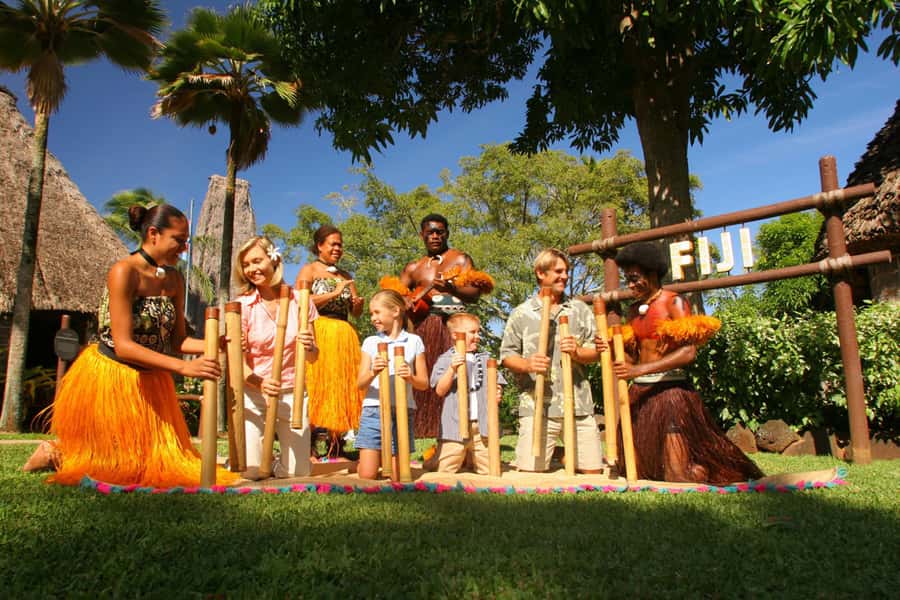
- Fiji stops with real instruments and big visuals: derua (bamboo instrument), temporary tattoo, and a tour of the temple.
- A big canoe performance built in: Canoe Pageant features performers from each island dancing on canoes through the water.
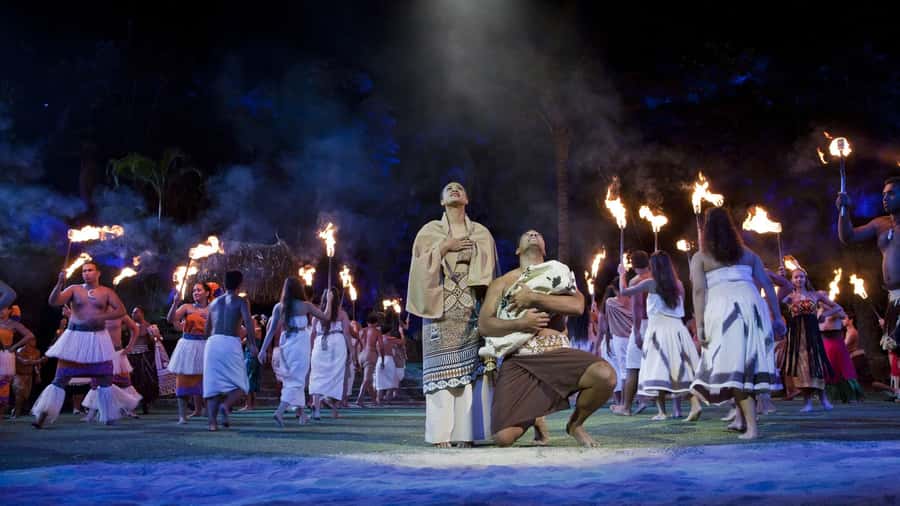
- The evening show is a full production: Mana and Lani, Polynesian dance and music, plus blazing fire knife dancers.
Getting started at the Polynesian Cultural Center (voucher in hand)
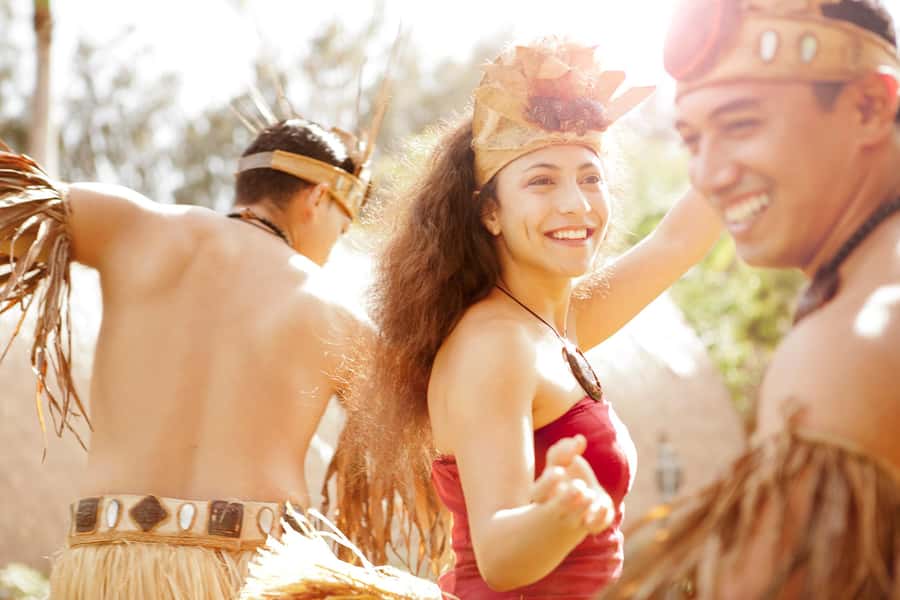
Your day begins with a simple move: present your voucher at the Polynesian Cultural Center. After that, the experience becomes self-directed. There’s no guide accompanying you during the visit, so you’ll rely on signage, your own sense of timing, and what you decide to do at each village.
A couple practical points I’d plan around:
- The ticket for Islands of Polynesia covers entry to the island villages plus the evening show ticket.
- The ticket is valid 3 days from first activation, which can help if you’re spacing activities while you’re on Oahu.
- There’s no hotel pickup or drop-off, so you’ll need your own way to get there and back.
- The host or greeter is English, and the venue is listed as wheelchair accessible.
Because you’re not being herded by a guide, I like to think of this as a cultural fair plus a major nighttime performance. You get control over how much you participate versus how much you just watch—and that’s a big part of why it can feel personal.
You can also read our reviews of more tours and experiences in Oahu

Hawaii village: hula lesson, poi tasting, and Hawaiian games
The Hawaii village is often the quickest way to get your bearings because it offers lots of “try it” moments right away. Here’s what you can expect to do, depending on what’s running during your visit:
- A hula lesson focused on the significance of dance
You’re not just copying steps. The village approach is about meaning—how dance connects to story and place.
- Try ancient traditional Hawaiian games
This is the part I’d prioritize if you like hands-on activities. It’s also a nice contrast to mostly watching performances.
- Taste prepared poi
If you’ve never had poi, this is your chance. It’s a food you’ll hear about around Hawaii, and having it here makes it feel less like trivia and more like culture.
- Try lauhala (reed) weaving
Even if you don’t take home a masterpiece, the act of weaving gives you a feel for the craft.
I like that this village mixes body (games and dance) with senses (poi) and craft (weaving). If you’re the type who learns better by doing, this is where you’ll likely get the most satisfaction per minute.
One consideration: since this is self-guided, you’ll want to move through efficiently. If you spend too long chatting or testing every activity at once, you can end up rushing later villages. Pace matters, because the evening show is your fixed finale.
Tahiti village: special wedding ceremony, pole fishing, and dance
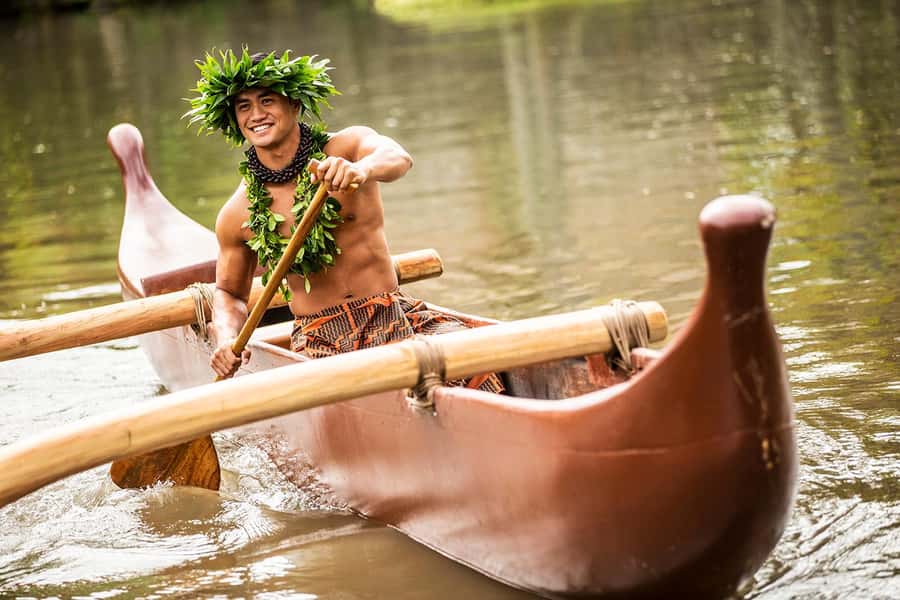
Tahiti’s area leans hard into performance and ceremonial moments. If you’re curious about how different Polynesian cultures express celebration, this village gives you a clear sense of that style.
What you can do here includes:
- A special wedding ceremony
- Give pole fishing a go
- See Tahitian dance
The wedding ceremony is the kind of activity that helps you connect cultural roles to actions. You’re not just watching movement—you’re watching meaning.
Pole fishing is a great “don’t overthink it” activity. It’s more about the experience than getting it perfect. And watching Tahitian dance afterward helps you tie what you tried to what you see.
My practical advice: arrive at Tahiti with a little time buffer. Ceremony-style activities can take longer than you expect, and you don’t want to miss the dance portion because you’re sprinting to the next stop.
Fiji village: derua music, a temple tour, and the Canoe Pageant buildup
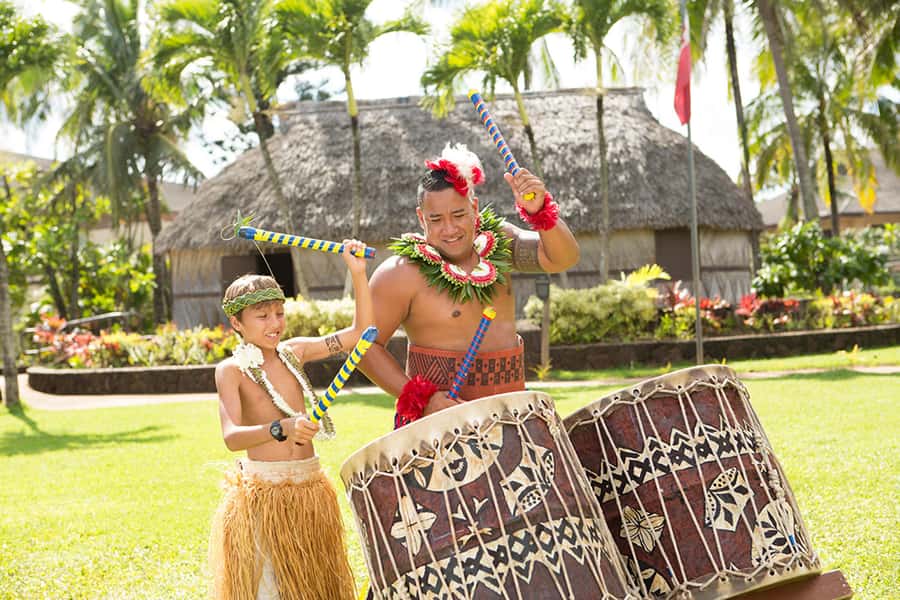
Fiji’s village adds both sound and structure. You’ll see and hear more than you might expect from a typical theme-park stop, and it’s a nice change from villages that feel mostly like photo ops.
In Fiji, you can:
- Watch presentations featuring the derua (bamboo instrument)
- Get a temporary tattoo
- Tour the 6-story temple
- Don’t miss the Canoe Pageant
That 6-story temple tour is the kind of activity that rewards people who like getting oriented in a space. It’s also a good place to slow down if you’ve been moving fast through the earlier villages.
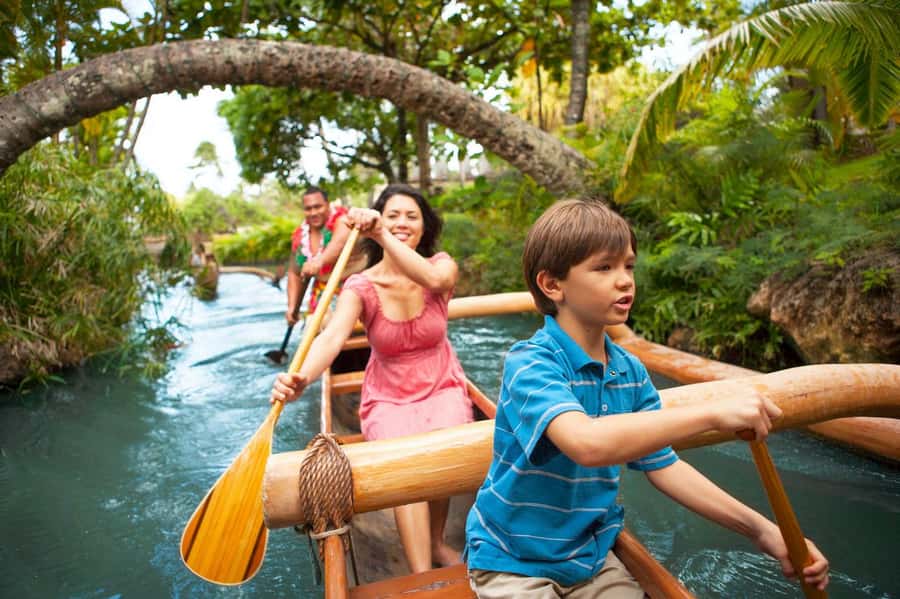
And then there’s the Canoe Pageant, a theatrical show with performers from each island dancing on their canoes as they float through the water. This is one of those “big picture” moments that makes the whole experience feel like it’s connecting the islands into one shared event.
Plan for this: it’s not just a quick side show. It’s built into your day, so give it room. If you treat it like an optional add-on, you risk missing the timing that makes it feel special.
Tonga, Samoa, and Aotearoa (New Zealand) villages: how to make these stops count
The experience includes six island villages total, and that lineup explicitly covers Hawaii, Aotearoa (New Zealand), Samoa, Tonga, Fiji, and Tahiti. The details you do at each location can vary based on what’s happening during your visit, but the overall pattern stays consistent: you’re there to learn through village life and cultural activities.
Here’s how I’d approach the Tonga, Samoa, and Aotearoa areas without getting lost:
- Treat each village like a mini cultural program, not a checklist.
- If you see an activity sign that looks participatory, pick one and commit for the full session.
- If you only have energy for watching, focus on dance and instrument demos—those tend to communicate culture fast.
Because you’re not tied to a guide, these areas are where your curiosity sets the pace. If you like variety, you’ll enjoy bouncing between them. If you get overstimulated, choose fewer activities and spend more time absorbing the atmosphere around you.
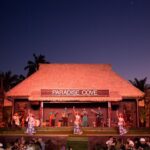


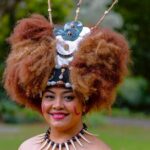

Hā: Breath of Life evening show with Mana and Lani
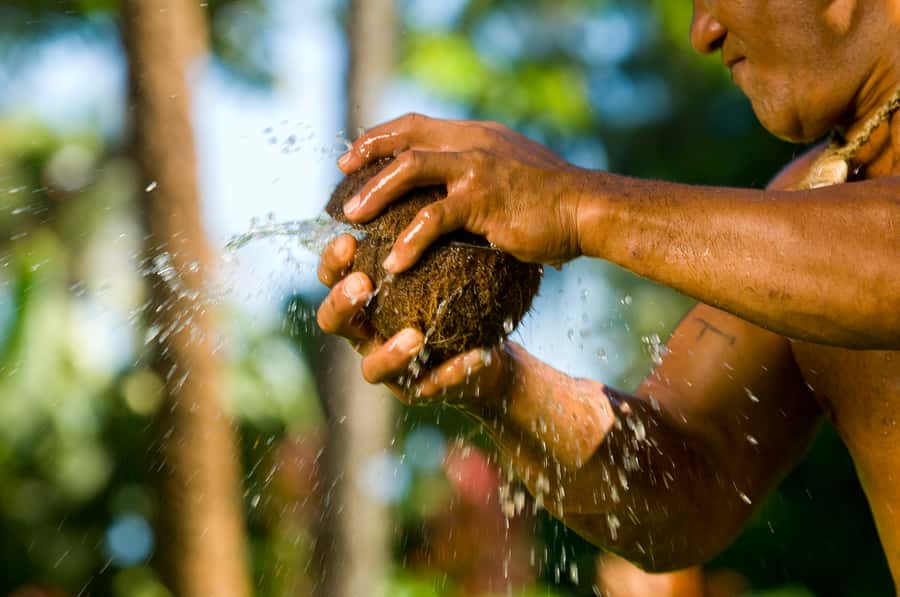
When the day is done, you’ll end with Hā: Breath of Life. This is the big production on the schedule, and it’s where the cultural thread turns into a full story on stage.
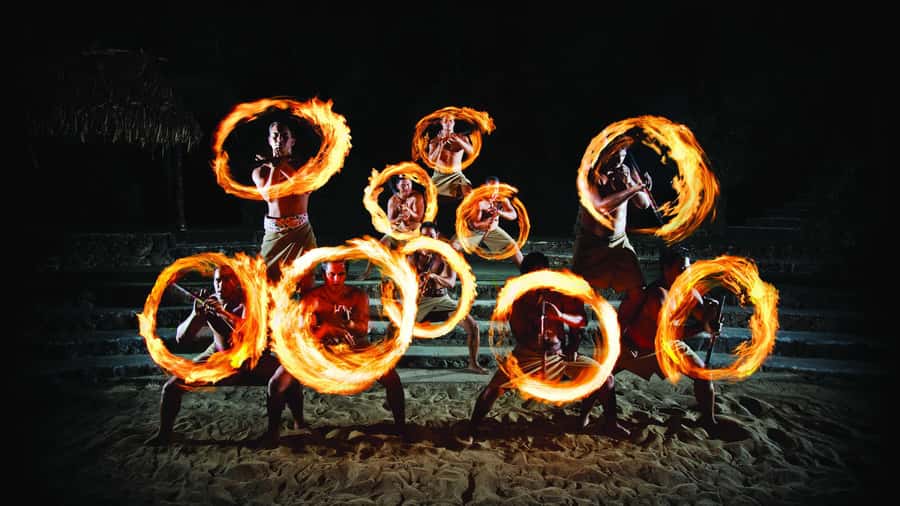
You’ll have reserved seating for the performance, and the show tells the symbolic story of Mana and his beloved Lani. The tale is accentuated by Polynesian dance and music, and it includes blazing fire knife dancers, featuring over 100 Polynesian natives. Expect special effects and animation too.
Two things to plan for:
- It’s a longer final show, so don’t schedule anything tight right before it. Give yourself time to settle and get comfortable.
- If you’ve spent most of the day participating, you’ll still enjoy the show, but you may want to save your energy after village time ends. Think of it as the payoff, not the sprint.
I also like that the show ties back to the day’s theme—dance as meaning, performance as storytelling, and the idea of mana as something you feel in community rather than something you just hear about.
Value check: is $136 a good use of your Oahu time?
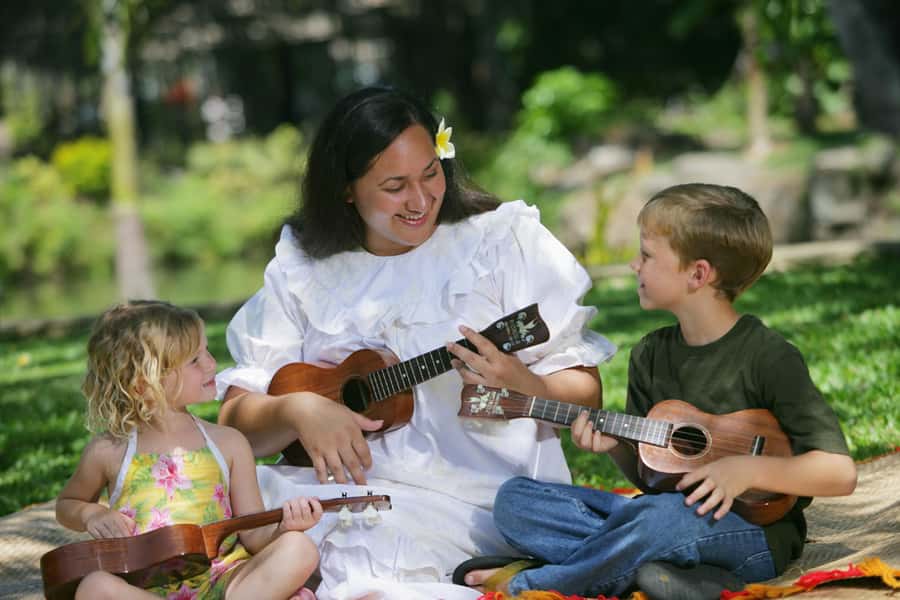
At $136 per person, the value comes from what’s included and what’s not.
Included:
- Entry to the Islands of Polynesia villages
- A ticket to Hā: Breath of Life
Not included:
- Food or drink (available for purchase)
- Hotel pickup and drop-off
- A guide
For your money, you’re paying for a full-day cultural route plus a major evening show. The self-guided setup is a double-edged sword: it can save you from feeling rushed by a group, but it does mean you’re responsible for planning your own time.
To get your money’s worth, I’d do three things:
- Budget extra for snacks or meals, because you will want breaks.
- Pick a couple hands-on activities early (especially in the Hawaii village), then switch to watching mode when energy drops.
- Arrive with the show in mind—the evening performance is the anchor.
If you want a guided narrative walking you through every stop, this might feel too independent. If you’re okay managing your own pace and you like performances, it’s a strong deal for the combination you get.
Who should book this and who might skip it
This works best for you if you:
- Want to see multiple Polynesian cultures in one place on Oahu
- Enjoy participating (hula lesson, weaving, games) more than only watching
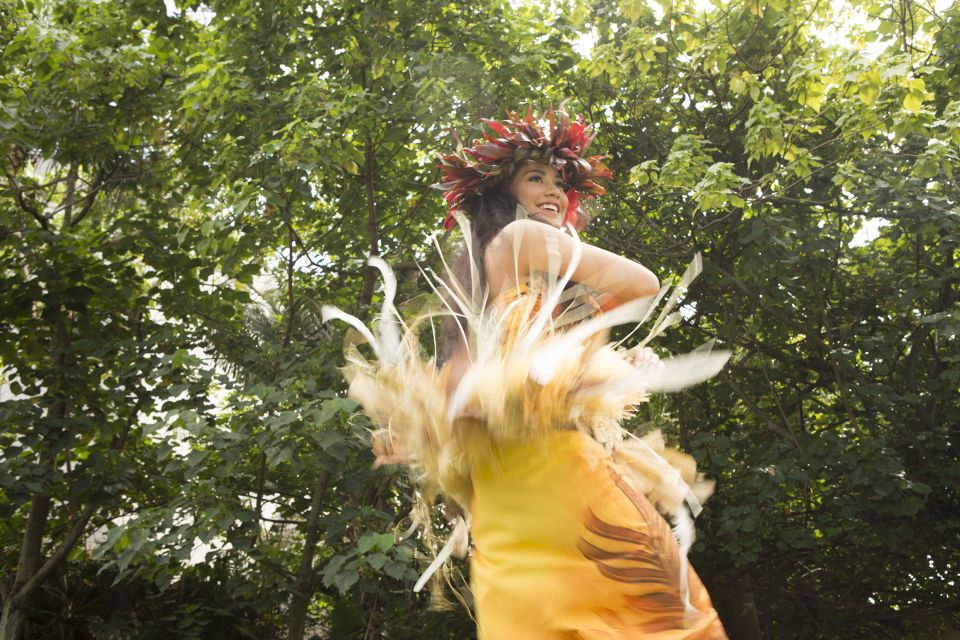
- Like big evening shows with real stage spectacle, especially fire knife dancing
- Are traveling with mixed interests—someone who loves dancing and someone who likes hands-on crafts can both find something
It may not be ideal if you:
- Strongly prefer a guided tour throughout (there’s no guide accompanying you)
- Want a quick, short daytime activity that doesn’t lead into a longer show at night
- Don’t want to handle food planning, since food and drink aren’t included
Should you book Islands of Polynesia plus Hā: Breath of Life?
If your goal is a full Oahu cultural experience with real participation during the day and a big story-driven show at night, I’d book it. The day gives you multiple island village experiences across six Polynesian regions, and the evening delivers the fireworks with Mana and Lani plus fire knife dancers.
Go for it if you like rhythm, crafts, and performances, and you’re okay being self-guided once you enter. Skip it only if you want constant guided commentary or you’re trying to fit in something extremely time-sensitive right before the show.
Book with confidence if you treat it like a full cultural day—then save your best energy for the final production.
FAQ
How do I check in for the Islands of Polynesia villages and show?
Present your voucher at the Polynesian Cultural Center. The activity starts there and ends back at the same meeting point.
What does my ticket include?
The ticket includes entry to the Islands of Polynesia villages and a ticket to Hā: Breath of Life.
Is there a guide with you during the visit?
No. You will not be accompanied by a guide throughout your visit at the Polynesian Cultural Center.
Is food included?
No. Food or drink is available for purchase, but it’s not included with the ticket.
How long is the ticket valid?
It is valid for 3 days from first activation.
Is the host or greeter available in English?
Yes. The host or greeter is listed as English.
Is this experience wheelchair accessible?
The activity is listed as wheelchair accessible.