REVIEW · OAHU
Group Surf Lesson: Two Hours Of Beginners Instruction
Book on Viator →Operated by Pro Surf School Hawaii · Bookable on Viator
Surfing starts with one shaky moment. This 2-hour beginner lesson in Oahu gets you on your feet with hands-on teaching, and I especially like the land warm-up before you hit the water. The one thing to consider: even in a small group, a full class of six can mean slightly less one-on-one time than you might want.
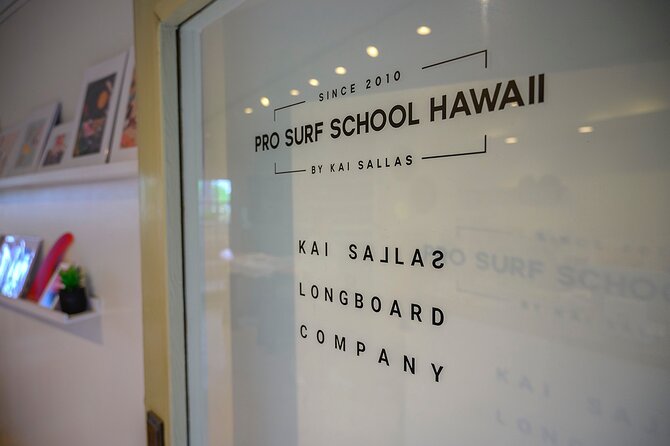
You’ll meet at the Kaimana Beach Hotel area in Waikiki, and you can choose a morning or afternoon slot. Instructors are CPR and Lifeguard certified by the American Red Cross, and the vibe is built for first-timers and families—just note it’s ages 11+.
In This Review
- Key Points at a Glance
- Where You Start at Kaimana Beach: Waikiki Without the Chaos
- Two Hours of Beginners Instruction: Why This Timing Works
- The Land Lesson: Build the Surfboard Skills First
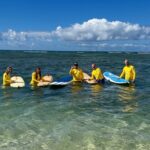
- In the Water: Catch Waves, Get to Your Feet, Stay Safe
- Safety Counts: CPR-Certified Coaching You Can Trust
- Instructors Matter: Names to Know and Teaching Styles
- What the Group Lesson Feels Like (Max 6 People)
- Choosing Your Time Slot: Morning vs Afternoon
- What’s Included vs Not Included: Photos and the Real Value
- Who Should Book This 2-Hour Beginners Lesson
- Should You Book It? My Practical Recommendation
- FAQ
- How long is the beginners surf lesson?
- Is this lesson for first-time surfers?
- What is the minimum age to join?
- How many people are in the group?
- Do instructors have safety certifications?
- What’s included in the ticket price?
- What is the cancellation policy?
Key Points at a Glance
- Land-first coaching so you walk into the surf with a plan, not guesses
- Max 6 people, which keeps the instruction focused
- CPR and Lifeguard certified instructors for real safety-minded teaching
- Hands-on wave guidance, including tips on paddling, stance, and turning
- Secluded Waikiki spot feel, so it doesn’t feel like a crowded zoo
- No souvenir photos included, so plan for purchases if you want them
Where You Start at Kaimana Beach: Waikiki Without the Chaos
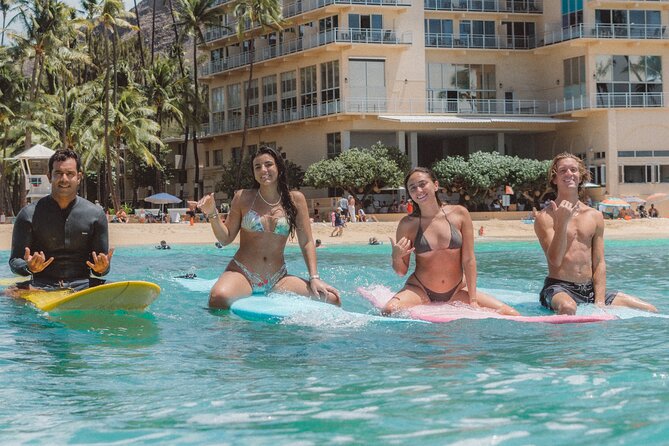
Your lesson kicks off near the Kaimana Beach Hotel (2863 Kalākaua Ave). That matters because Waikiki can be a traffic headache. This meeting point is described as near public transportation, so you’re not forced into a complicated day just to reach a surf lesson.
A couple practical points from the experience details and real-life feedback: parking can be a hassle nearby. One visitor noted valet parking right outside a shop area for a short window (and another suggested having coins ready for meter parking). In other words, don’t assume you can roll in last-second and wing parking—build in a few minutes.
Also, the lesson is set at a secluded Waikiki spot. That’s a big deal for beginners. You want somewhere you can learn the basics without feeling like you’re fighting the crowd or the current the whole time.
You can also read our reviews of more tours and experiences in Oahu


Two Hours of Beginners Instruction: Why This Timing Works

This is a 2-hour lesson, which is honestly a sweet spot for first-timers. Long enough to learn how to paddle, fall safely, and try real takeoffs—but not so long that you’re exhausted, cold, or frustrated.
What you do in those two hours is structured:
- you get instruction on land first
- then you move to the water for guided attempts at catching waves
- instructors stay involved the whole time to help you keep safe and having fun
The small-group format is capped at a maximum of 6 travelers. That size keeps things personal. You’ll still move through the learning curve with other beginners, but you’re not lost in a giant class.
One more practical detail: you choose either a morning or afternoon lesson, so you can match surfing to your day. If you’re planning other Oahu stops, the flexibility helps you avoid squeezing surfing into the one time you planned to rest.
The Land Lesson: Build the Surfboard Skills First
Before anyone tosses you into the ocean, you start with a quick on-land lesson. This is where the lesson earns its keep. Surfing is not just a sport—you’re learning a whole set of moving parts at once. Doing the basics on land reduces panic later.
The topics include:
- positioning yourself on the surfboard
- paddling techniques
- how to maneuver over waves
- turning the surfboard
- how to get to your feet
- proper surf stance
- balance techniques
- safety rules
- plus how to handle the wave environment before your first big effort
Think of the land session as your script. You’re learning where your body goes, how your arms work, and what you should do when a wave approaches. It also gives you a chance to ask questions before the water adds noise, motion, and nerves.
And yes, falling is part of the lesson. You’re taught how to handle that safely, which makes a huge difference for beginners who are worried about pain or awkward wipeouts.
In the Water: Catch Waves, Get to Your Feet, Stay Safe
Once you’re in the water, the instruction becomes practical and very goal-focused. The goal is simple: help you catch waves, help you get to your feet, and keep you safe while you do it.
Here’s what that coaching looks like in real terms:
- instructors help with paddling and wave approach timing
- they work with you on getting up (not just standing there, but finding your balance)
- they guide you through your first attempts to ride and turn
- they reinforce safety rules as you go, so you’re not winging it in changing conditions
Several people specifically praised how instructors coach from the moment you launch. One instructor style described included a setup that gives you momentum to try standing, followed by pointers so you can repeat the movement without totally depending on the push.
One thing to be aware of: a few comments mention that learning can feel more supported than fully independent. If you’re the type who wants to take full control immediately, you may have moments where you feel the instructor is doing more than you’d expect. On the flip side, that same support is often what gets beginners their first wave—and that’s the whole point of a starter lesson.
Safety Counts: CPR-Certified Coaching You Can Trust
Surfing is fun, but it’s also water. That’s why the certified component matters. All instructors are stated as CPR and Lifeguard certified by the American Red Cross.
For you, that translates into a safer learning environment:
- clear rules for what to do around waves and timing
- ongoing reminders so you don’t get reckless as you improve
- a coaching style that stays focused on control and safety, not just thrills
In practice, multiple people highlighted patience and professionalism. In family groups, that’s especially important—kids get nervous, adults get anxious, and everyone needs calm direction fast.
You can also read our reviews of more tours and experiences in Oahu
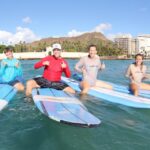




Instructors Matter: Names to Know and Teaching Styles
The lesson isn’t just about boards and waves—it’s about how the instructor teaches. You’ll see that in the named instructors and the way people described their approach.
- Noah came up in a first-time family experience where even a first-time surfer caught waves quickly.
- Janelle was repeatedly mentioned for being patient and helping kids become comfortable riding waves fast.
- Max was praised for being brilliant and also for chatting about what to do on the islands, not just surfing.
- Jake and Josh were noted for helping everyone get solid wave time, with one person calling the two hours a perfect amount.
- Kai stood out for calming nerves, especially with younger kids who were unsure about going out.
One slight caution echoed by a smaller number of comments: if the group is at the maximum and staffing doesn’t scale, you might get less attention than you hoped. That doesn’t mean the lesson isn’t great—it means you should set expectations: at six people, the instructor has to manage time carefully.
If you’re hoping for a very hands-on, almost one-on-one coaching vibe, consider aiming for a time slot where the group isn’t maxed out.
What the Group Lesson Feels Like (Max 6 People)
A group surf lesson can go two ways:
- either it’s efficient coaching with a good flow
- or it becomes a scramble with limited feedback
Here, the program is designed for small groups (up to 6), which usually keeps the feedback coming. People praised the relaxed-but-professional style and said they got plenty of chances to stand up and catch waves.
Still, keep in mind that you’re learning something physical and technical, and you’ll be sharing the water with others who are learning too. That’s normal. The difference is how well instructors manage the pace and safety, and the overall theme here is that instruction is structured and supportive.
If you’re traveling as a family, this format is also a win. One family described how an instructor helped kids (including an 11-year-old) get up quickly, which is exactly what first-timer lessons should deliver: early wins.
Choosing Your Time Slot: Morning vs Afternoon
You can choose a morning or afternoon lesson. That flexibility is helpful for planning:
- mornings can be a good choice when you want to get active early and keep the rest of the day open
- afternoons can work if you’ve got other Waikiki activities first
The details don’t specify ocean or weather differences by time, so I’d base the choice on your schedule and energy level. If you get tired easily, booking the time when you feel most alert is the smart move.
Also, since you’re learning new physical skills, arriving on time is important. One review mentioned they were late by a couple minutes but communication helped, so don’t assume last-minute chaos will be fine.
What’s Included vs Not Included: Photos and the Real Value
Included:
- instruction (land and water)
- all taxes, fees, and handling charges
- local taxes
Not included:
- souvenir photos (sold separately)
This matters for planning because photo purchases can add up. If you want a surf-photo souvenir, plan for it. If you don’t, the lesson cost still feels like it covers the core experience: two hours of beginner training with safety-forward instructors.
In value terms, the best part is that you’re not just watching someone else surf. You’re getting structured coaching on the fundamentals, then actively trying to ride. For a first-timer, that’s what turns Hawaii from a postcard into a real memory.
Who Should Book This 2-Hour Beginners Lesson
This lesson fits best if:
- you’re a true beginner (or close)
- you’re traveling with kids or teens and want instruction that stays patient and safety-minded
- you want an efficient session that still gives real wave time
- you want to learn how to fall safely, paddle correctly, and stand with guidance
It’s also a good family activity because people reported kids getting comfortable quickly, including younger surfers (as long as they meet the 11+ age rule).
Who might want to adjust expectations:
- if you want lots of time doing wave attempts completely on your own without instructor pushes or guidance, you may feel the support is more than you expected
- if your group ends up at the maximum size, you may notice the instructor’s attention spreading a bit
Should You Book It? My Practical Recommendation
Yes, I’d book it if your goal is a structured first surf lesson in Oahu that gets you on waves fast. The combination of land instruction first, small-group limits, and CPR/Lifeguard-certified instructors is exactly what you want when you’re learning something new in the ocean.
Book it especially if:
- you’re going as a family and need calm coaching for kids
- you want your first Hawaiian surf story to include actual takeoffs, not just standing around
- you’d rather spend two focused hours learning than waste a half-day trying to figure surfing out on your own
If you’re very sensitive to group size or you crave totally independent practice, you’ll want to be realistic about what a 2-hour beginner group lesson can do. Still, the overall teaching style here is consistently described as professional, relaxed, and effective.
FAQ
How long is the beginners surf lesson?
It runs for about 2 hours.
Is this lesson for first-time surfers?
Yes. It’s designed for first-timers and beginners who may have tried before but are still learning.
What is the minimum age to join?
You must be 11 years or older to join.
How many people are in the group?
The lesson has a maximum of 6 travelers.
Do instructors have safety certifications?
Yes. Instructors are CPR and Lifeguard certified by the American Red Cross.
What’s included in the ticket price?
The experience includes all taxes, fees, and handling charges, plus local taxes. Souvenir photos are not included.
What is the cancellation policy?
You can cancel for a full refund if you cancel at least 24 hours in advance. If you cancel less than 24 hours before the start time, the payment is not refunded.
![Honolulu: Pearl Harbor, USS Arizona Memorial [Early Access] - Waikiki pickup and the morning drive: what timing feels like in practice](https://1.ourhonolulu.org/wp-content/uploads/honolulu-pearl-harbor-uss-arizona-memorial-early-access-400x225.jpg)