REVIEW · OAHU
Group Surf Lesson in Honolulu
Book on Viator →Operated by Adventures in Paradise Oahu · Bookable on Viator
Waikiki makes first-timers feel brave. This group surf lesson in Honolulu puts you with local instructors like Shane and Captain Neil, focused on surf etiquette and wave selection right at world-famous Waikiki Beach. You also get the full safety-and-comfort basics with reef shoes and rashguards provided. The one drawback to plan for is that attention and pace can vary depending on nerves and how each person handles the ocean, so tell your instructor early if you’re anxious or prone to feeling seasick.
This is built for families and friends who want a more private vibe: you’re not looking at a huge crowd, and it’s designed so your group stays together. It’s also for riders age 13 and up, and you should be ready for a moderate physical effort (paddling, balancing, and getting back in after wipeouts).
You’ll spend real time practicing the fundamentals, then move into the waves with guidance on how to catch your own—plus the underwater “rules of the road” that keep Waikiki safer and smoother. Expect lessons to cover how to choose waves, find the right spot, and understand how to get in and out of the lineup without stepping on anyone’s surf session, even while you’re laughing and splashing.
In This Review
- Key Things I’d Watch For in This Waikiki Surf Lesson
- Waikiki Beach Lessons: Why This Spot Is Built for Learning
- What You Learn Beyond Standing Up (Etiquette and Wave Choice)
- The Lesson Flow at Hilton Hawaiian Village to Waikiki
- Shore Practice First: What “Small and Focused” Really Means
- Catching Your Own Waves: Your Moment to Feel Capable
- Who This Is For (and Who Should Think Twice)
- Gear Included: What You Don’t Need to Pack
- Instructor Style: Local Guys, Real Coaching, Different Outcomes
- Price and Value: Is $125 Worth It in Honolulu?
- Photos and the Real Cost of Souvenirs
- Common Snags to Avoid Before You Go
- Weather and Conditions: When the Lesson Shifts
- Should You Book This Waikiki Group Surf Lesson?
- FAQ
- How long is the group surf lesson at Waikiki Beach?
- What is the minimum age to participate?
- Where is the meeting point?
- Is this a private tour or shared with other groups?
- What gear is included?
- Is anything not included in the price?
- What fitness level do I need?
- What happens if weather is poor?
- What is the cancellation policy?
Key Things I’d Watch For in This Waikiki Surf Lesson
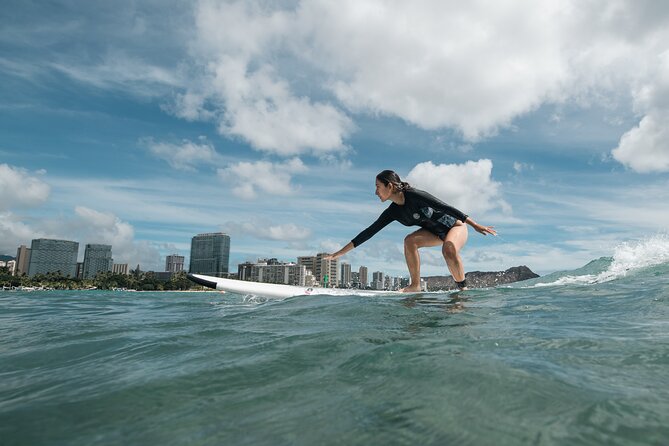
- Local coaching (often with Shane, Captain Neil, Darren, Noel, Tom, and Chris) for clear instruction and fast confidence-building
- A small-group, only-your-party feel for families and friend groups age 13+
- Shore-to-ocean progression so you practice fundamentals before paddling out
- Surf etiquette taught as part of the lesson, not as an afterthought
- Gear included: surfboards, reef shoes, and rashguards
- Pacing matters for beginners: speak up early if you’re nervous and ask for more practice time on shore
Waikiki Beach Lessons: Why This Spot Is Built for Learning
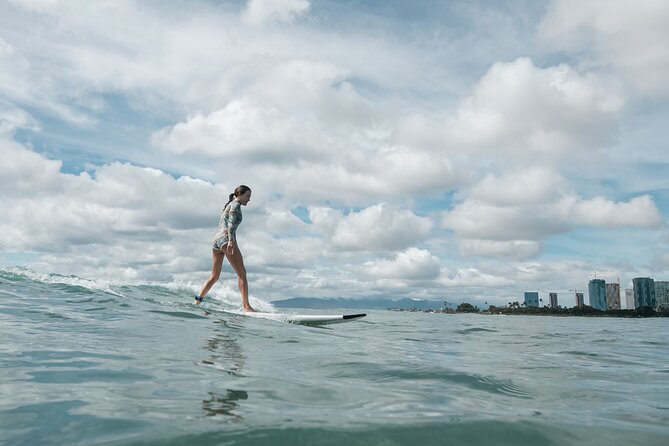
If you’re choosing where to learn to surf in Hawaii, Waikiki is the obvious name on the map for a reason. The setup of the shoreline makes it possible for instructors to teach beginners with a step-by-step progression rather than jumping straight into chaos.
What I like about this lesson at Waikiki is that the focus isn’t only on standing up. You’re also learning how to read the water and how to act in it. Surf etiquette at Waikiki matters because you’re not surfing alone. Knowing where to sit, when to paddle, and how to choose waves helps you avoid the most common beginner problems: panicking, paddling too late, or accidentally cutting someone off.
And yes, Waikiki can still surprise you. Even when conditions are manageable, you’re dealing with moving water, wind, and breaking waves that don’t always behave the way they look from shore. That’s why having an instructor who’s born and bred on Oahu helps, and why you should listen hard in the first minutes.
You can also read our reviews of more tours and experiences in Oahu


What You Learn Beyond Standing Up (Etiquette and Wave Choice)
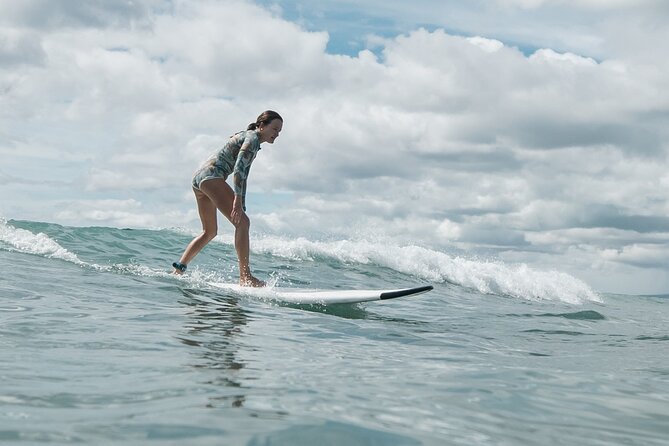
Many first-time surf lessons stop at basics. This one adds the stuff you’ll actually need once you’re out there for real: etiquette and wave selection.
Here’s what that usually means for you in practice:
- How to choose waves that match your ability and energy level, rather than the biggest wave you see
- How to find the right place to catch a wave, so you’re not always chasing the lineup
- How to time your paddle and pop-up, so you’re aiming for the part of the wave that supports you
That etiquette part is the unsung hero. Instructors who take time to teach the social rules help reduce the “everyone’s flailing” vibe. You don’t just learn how to surf. You learn how to share the water while you learn.
One thing that stood out in the feedback is the importance of communication. If you have fears, you should tell the instructor before you wade into the waves. One family member’s experience went much better when they suggested the instructor be told about nervousness upfront, because the instructor then had a chance to adjust attention and practice time.
The Lesson Flow at Hilton Hawaiian Village to Waikiki
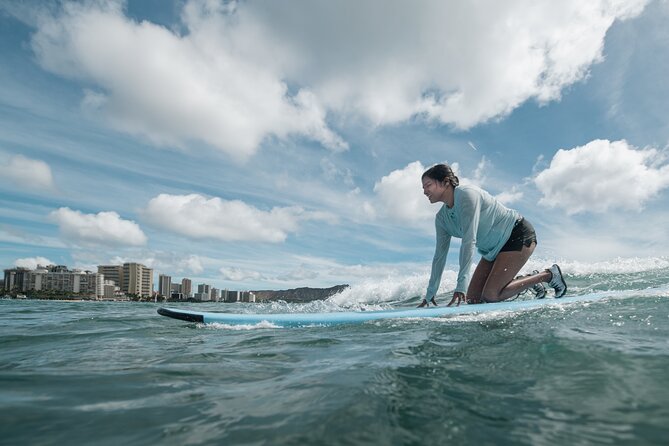
Your start point is the Hilton Hawaiian Village Waikiki Beach Resort at 2005 Kālia Rd, Honolulu. The good news for planning: it’s listed as near public transportation, so you’re not locked into one mode of travel to reach the meeting area.
The lesson runs about 1 hour 45 minutes. It also ends back at the meeting point, which keeps logistics simple when you’re pairing it with other Honolulu activities later the same day.
Expect the timeline to feel efficient. You’ll get gear, a quick briefing, and then you’ll move into practice. That speed is great when you’re a confident learner. It can feel rough when you need extra shore time, so don’t be shy about requesting more practice steps before you head out.
Shore Practice First: What “Small and Focused” Really Means
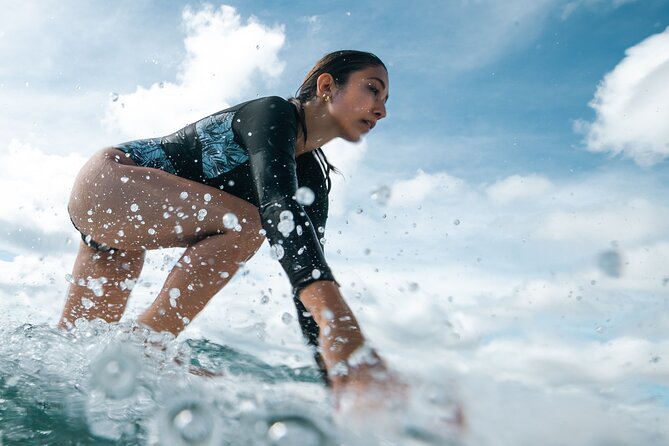
This experience is designed for family and friend groups who want to do a surf lesson together without other strangers joining in the mix. It’s described as a private tour/activity with your group participating, and the overall lesson structure is meant to stay small so you can get more instructor attention.
In real life, that usually translates into:
- Fewer people waiting while the instructor repeats key instructions
- Faster corrections when your stance or paddling timing is off
- More chances to try the basics before it turns into pure ocean time
Some instructors also run a “sheltered practice” approach before you go out where waves break more. That matters because it helps your body learn balance and pop-up mechanics without the full force of surf conditions. One rider described practicing first in calmer water, then moving out into the waves, which is exactly the kind of build-up that reduces beginner overwhelm.
Catching Your Own Waves: Your Moment to Feel Capable
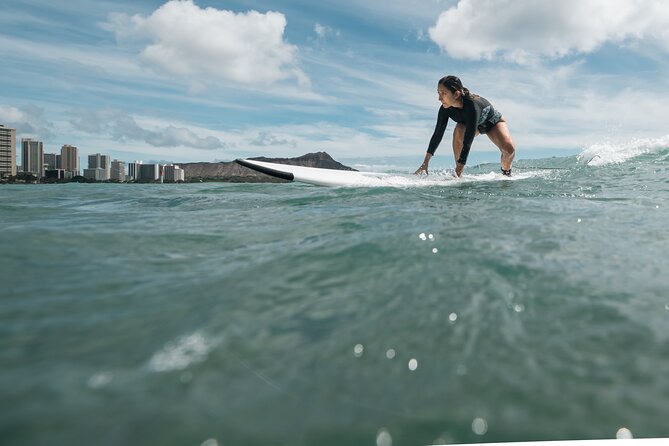
Once you’re out in the water, the lesson becomes a game of repeated tries. The goal is not perfection. It’s learning how to catch a wave you can actually ride for even a few seconds, then building from there.
Instructors in this lesson style often do two helpful things:
- They guide you to a wave that suits your ability, rather than expecting you to magically handle anything
- They help you adjust position and timing, so you’re not always catching waves at the wrong moment
You’ll also hear coaching on where to place yourself for the wave to work for you. That sounds simple, but for beginners it’s the difference between standing on a board once and standing again.
One solo rider said the instructors helped everyone catch waves, including a participant who wasn’t a strong swimmer, and that they provided a life vest. You should still treat this as a beginner lesson for capable swimmers only, but it’s a reminder that good instructors can make the session feel safer with the right added support.





Who This Is For (and Who Should Think Twice)
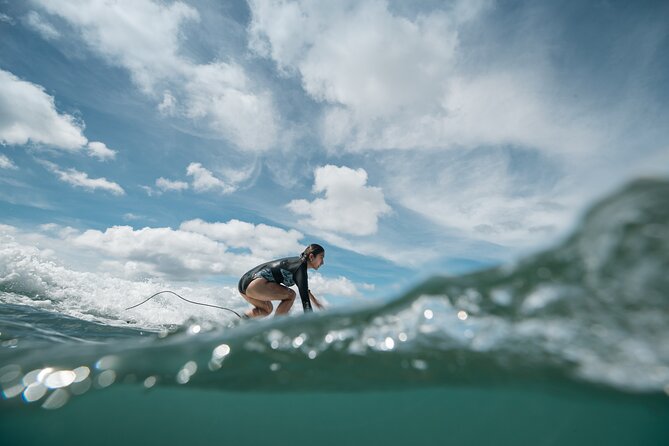
This lesson is for age 13 and up, and it’s recommended for travelers with moderate physical fitness. If you’re comfortable paddling, doing repeated get-in-and-out-of-the-water moments, and staying focused while you work with waves, you’ll probably enjoy it.
It also fits well if you’re:
- Traveling with family or siblings and want a shared activity
- A group of 2 to 4 friends who don’t want a crowded lesson
- Someone who wants local instruction, jokes, and real coaching rather than a scripted experience
Here’s who should think twice:
- If you get motion sick easily, you might want to plan ahead. One family experience described seasickness during the lesson and a frustrating lack of immediate return help. If this is you, tell the instructor as early as possible and ask what support is available.
- If you freeze when you’re nervous, speak up before entering the water. One rider specifically urged being upfront about fears so the instructor can slow down and provide more on-shore practice.
Gear Included: What You Don’t Need to Pack
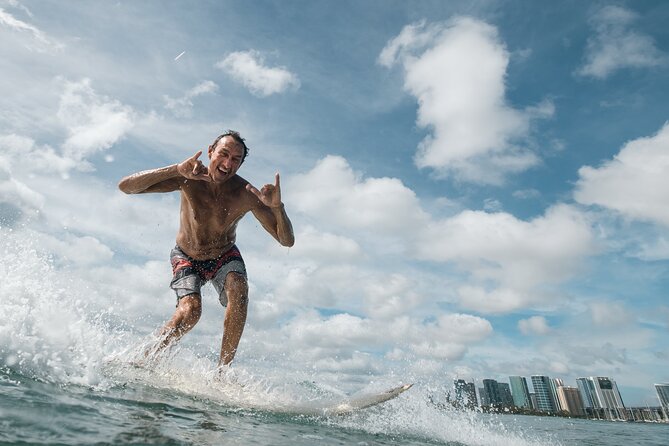
This lesson includes:
- Locker surfboards
- Reef shoes
- Rashguards
That’s a practical value point. It means you’re not shopping for Hawaii surf gear after you land, and you don’t have to worry about whether you brought the wrong shoes for ocean conditions.
It also helps comfort. Rashguards and reef shoes reduce the friction and the sting that can come from board contact, sand, and rocky spots. It’s not about looking sporty. It’s about letting you stay focused on balance and wave catching.
If you do bring anything, I’d think about personal comfort items like sunscreen and a way to keep your belongings dry. The lesson setting at Waikiki can be sunny fast, and you’ll feel it after time in the water.
Instructor Style: Local Guys, Real Coaching, Different Outcomes
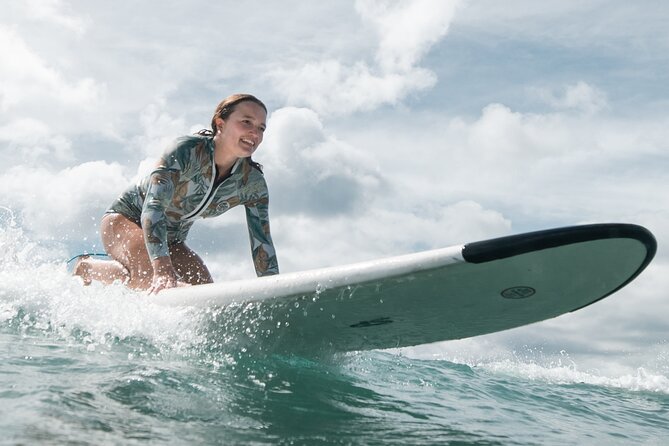
The vibe that comes through is that this is run like a small crew. Names that show up include Shane, Captain Neil, Darren, Noel, Tom, and Chris. In many accounts, the instructors were funny, friendly, and clearly invested in getting you standing up.
That matters because beginners don’t just need technical tips. They need calm. They need a guide who can keep you from spiraling after a wipeout. Several people described feeling safe and confident because the instructors were attentive and made them feel like part of the local “ohana” feeling.
That said, one of the most useful lessons from the feedback is that not every outcome is identical. In at least one negative experience, one participant got lots of attention and had a great time, while another felt rushed and left feeling scared and unsupported during a difficult moment. That doesn’t mean the lesson is unsafe. It means you should actively manage your experience by speaking up early and staying close to your instructor and group during transitions.
Price and Value: Is $125 Worth It in Honolulu?
At $125 per person for about 1 hour 45 minutes, you’re paying for four things at once:
- Real instruction from local surf guides
- A lesson that teaches etiquette and wave choice, not just a board ride
- Provided gear (surfboard, reef shoes, rashguard)
- A group format that aims for a family-and-friends feel
For a first-timer, lessons with included gear can feel like better value than the cheaper sessions that make you bring or rent everything yourself. And if you’re traveling with someone who also wants to learn, the “only your group” setup is a big plus because you’re not paying to share your time with strangers.
Is it expensive? In the way that a premium experience usually is. But for Waikiki, where you’re also paying for the convenience of a famous learning beach area and a local crew’s coaching, it often makes sense.
My practical advice: if you’re paying for this, prepare to get your money’s worth by communicating early. The more you ask questions on shore and the more you follow the instructor’s guidance in the water, the faster it clicks.
Photos and the Real Cost of Souvenirs
One detail I’d flag: buying photos can add up fast. One rider reported photos being about $40 per person for only a couple of images. If you want keepsakes, you can still take your own photos if allowed and safely managed, but if you plan to buy, decide in advance what you’re willing to spend.
Also remember that during a surf lesson, your best souvenir is usually the feeling of catching your own wave and not quitting after the first spill.
Common Snags to Avoid Before You Go
Based on the experiences shared, a few issues pop up often enough that you should handle them proactively.
Pacing and shore time: One family felt the lesson was rushed, with not enough time to stand before paddling out. If you need repeated on-shore practice, ask for it right away.
Fear and communication: A nervous participant who wasn’t near their sister or instructor during a difficult moment had a scary experience. For you, the takeaway is to be explicit: tell the instructor you’re nervous, ask where you should stay, and don’t wander away during transitions.
Time expectations: One person booked a longer lesson but received about half the time. That might be a mismatch or a schedule change. Still, it’s smart to confirm the duration and what you’re actually scheduled for when you book.
Weather and Conditions: When the Lesson Shifts
This activity requires good weather. If it’s canceled due to poor weather, you’ll be offered a different date or a full refund. In Honolulu, conditions can change quickly, so build in a little flexibility in your day plan.
When the ocean is calmer, you’ll typically learn faster. When it’s choppier, you’ll spend more time correcting paddling and recovery, and standing up might take longer. That’s not a failure. It’s just the ocean being the ocean.
Should You Book This Waikiki Group Surf Lesson?
I’d book it if you want a beginner-friendly surf lesson with a local crew, and you’d benefit from a small-group, family-and-friends feel. The combination of provided gear, etiquette teaching, and instruction that pushes you toward catching waves is a strong recipe for first-time success.
I would not ignore the “communicate early” part. If you’re nervous, tell them before you enter the water. If you can’t handle motion sickness, say so. If you need more shore practice, ask for it. That’s how you steer the lesson toward your comfort level.
If you’re the kind of person who likes learning step-by-step and staying engaged, you’ll probably leave Waikiki smiling with at least a few memorable rides under your belt.
FAQ
How long is the group surf lesson at Waikiki Beach?
The lesson runs about 1 hour 45 minutes.
What is the minimum age to participate?
Participants must be 13 years of age or older.
Where is the meeting point?
You meet at Hilton Hawaiian Village Waikiki Beach Resort, 2005 Kālia Rd, Honolulu, HI 96815, USA.
Is this a private tour or shared with other groups?
It’s described as a private tour/activity, meaning only your group participates.
What gear is included?
The lesson includes locker surfboards, reef shoes, and rashguards.
Is anything not included in the price?
Alcoholic beverages are not included.
What fitness level do I need?
Travelers should have a moderate physical fitness level.
What happens if weather is poor?
The experience requires good weather. If it’s canceled due to poor weather, you’ll be offered a different date or a full refund.
What is the cancellation policy?
You can cancel for a full refund up to 24 hours in advance. If you cancel less than 24 hours before the start time, you won’t receive a refund.