REVIEW · OAHU
Oahu: Pearl Harbor Aviation Museum Entry & Hangar Tour
Book on GetYourGuide →Operated by Pearl Harbor Aviation Museum · Bookable on GetYourGuide
WWII hangs in the air at Pearl Harbor. This Pearl Harbor Aviation Museum hangar tour lets you walk inside WWII aircraft shelters on Ford Island and then climb up for a command-post view of the attack points around Oahu. You’ll also get a guided look at restoration work and the personal stories tied to Dec 7, 1941.
I love how the walk through Hangars 37 and 79 puts you right where history happened, with authentic exhibits and aircraft inside surviving WWII structures. I also love the payoff at the end: the Ford Island Control Tower ascent at 168 feet for panoramic views that help you understand what those attack points meant.
One thing to consider is time and rules: the guided portion is about an hour, and this is an active Navy base with strict limits on what you can bring inside. If you want a long, self-paced museum day, this is best as the focused highlight before you continue exploring on your own.
In This Review
- Key highlights you’ll actually feel
- Getting to Ford Island: visitor center shuttle and Navy-base rules
- Hangars 37 and 79: what it means to walk WWII aircraft shelters
- Aircraft and artifacts with personal stories attached
- Restoration Shop: the practical reality of keeping WWII aircraft alive
- The Ford Island Control Tower: 168 feet up for the attack-point view
- Price and logistics: is $40 for one hour worth it?
- What to bring (and what to leave at home)
- Who should book this tour, and who might not love it
- Should you book the Pearl Harbor Aviation Museum Hangar Tour?
- FAQ
- How long is the guided tour?
- What does the $40 price include?
- Is transportation to and from the museum included?
- Are backbacks or flash photography allowed?
- Is this tour wheelchair-friendly?
- Can I cancel and get a refund?
Key highlights you’ll actually feel
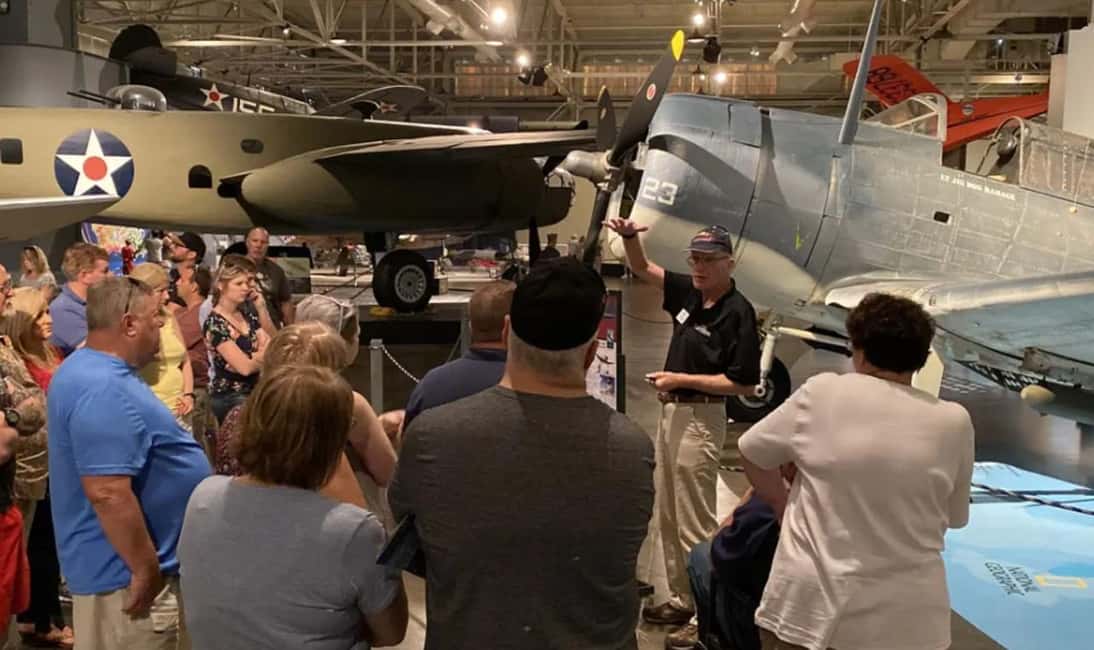
- Hangars 37 and 79: walk WWII hangars tied to the Dec 7, 1941 attack on Pearl Harbor.
- Restoration Shop: see the behind-the-scenes work happening as aircraft and artifacts are kept in good condition.
- Ford Island Control Tower: climb 168 feet above the battlefield for a birds-eye view of attack points across Oahu.
- Personal stories and artifacts: you’re not just looking at planes; you’re hearing human-scale accounts connected to the day.
- Small tour rhythm: a guided route that stays efficient, with the museum visit built into the hangar-focused experience.
- Photo and bag limits: no flash photography and backpacks aren’t allowed on the base.
Getting to Ford Island: visitor center shuttle and Navy-base rules
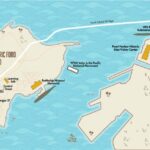
Your trip starts at the Pearl Harbor Historic Sites Visitor Center. From there, you’ll take a complimentary shuttle to the Pearl Harbor Aviation Museum, which is the second stop on Ford Island. The transfer is short, around 15 minutes, but it matters because you’ll be moving between two parts of the Pearl Harbor complex.
Here’s the part that can surprise people: Ford Island is an active Navy base. The only items allowed are your mobile phone and wallet, so you’ll want to travel light. Backpacks aren’t allowed, and you should also plan around limited lockers outside the Visitor Center.
This is one reason I like doing this tour early in your Pearl Harbor day. You’ll get the controlled, guided experience first, then you’re free to roam other areas with less rule-burden afterward.
You can also read our reviews of more museum experiences in Oahu
Hangars 37 and 79: what it means to walk WWII aircraft shelters
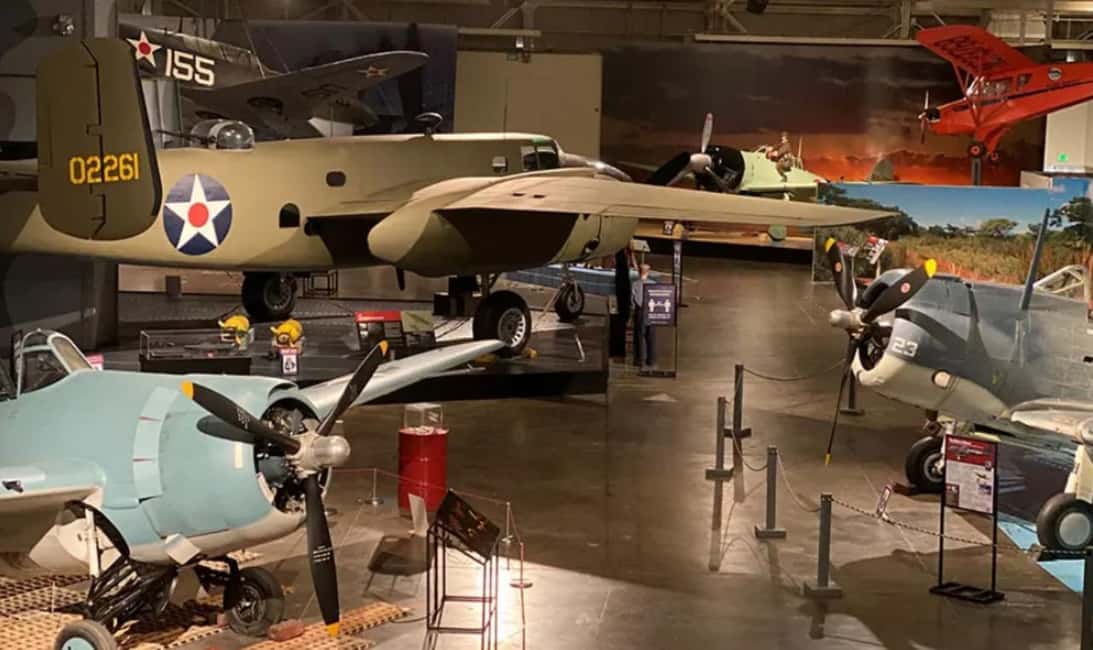
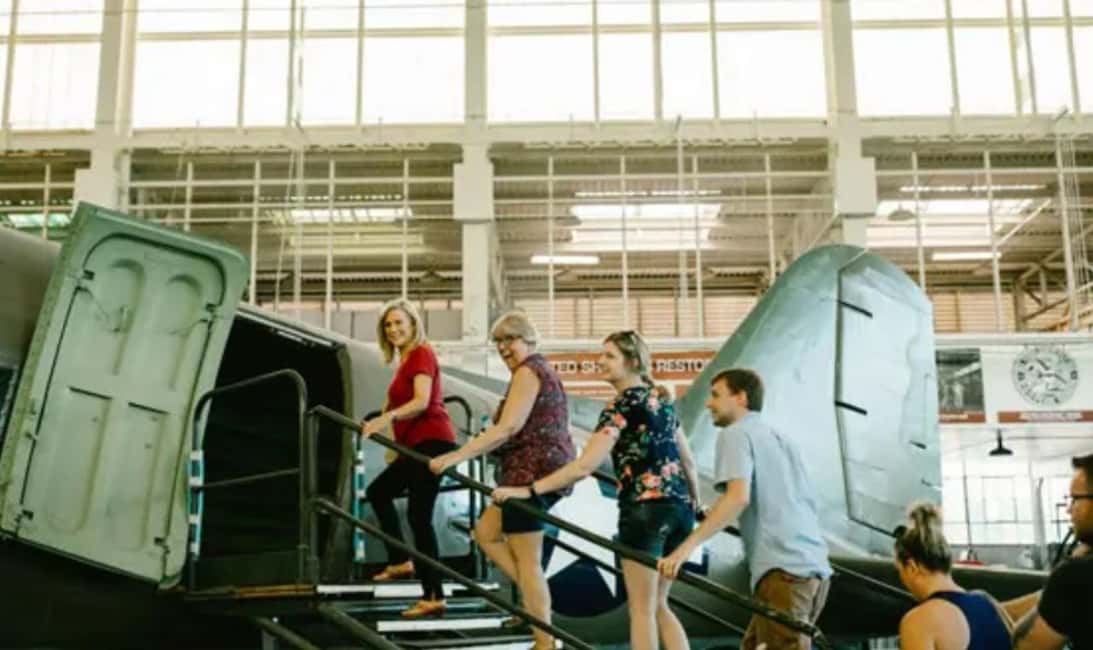
The heart of the tour is your guided walk through WWII hangars 37 and 79. These are authentic hangar spaces that survived the December 7, 1941 attack on Pearl Harbor, and that fact changes how you experience everything. You’re not looking at a recreated setting. You’re in the kind of structure where aircraft were prepared, maintained, and readied under wartime pressure.
Inside, you’ll spend your guided hour moving through the hangar spaces and museum areas. The focus stays practical and physical: you see how the space is laid out, how aircraft are presented, and how the exhibits relate to the real operational environment of WWII aviation on the island.
I’d call this the tour’s strongest “you have to be there” moment. A photo won’t fully give you the scale of the hangars, and the guided pacing helps you connect what you’re seeing with what it meant on that day.
Aircraft and artifacts with personal stories attached
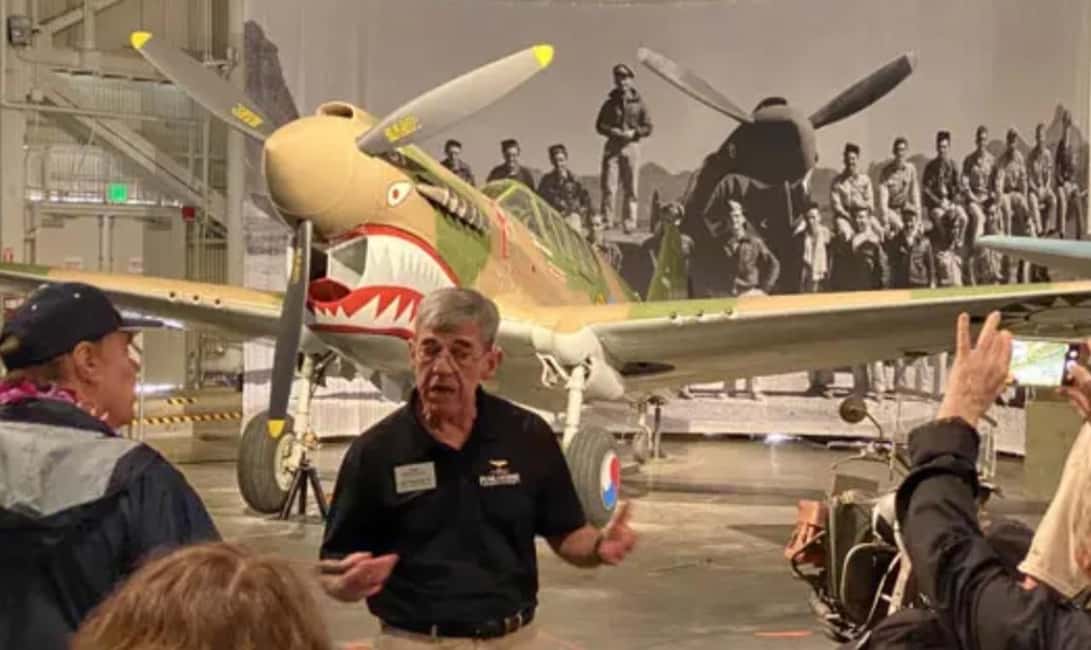
The museum doesn’t treat the attack like a distant headline. You’re guided through exhibits and artifacts with personal stories from the people involved. That matters because WWII aviation history can sometimes feel like dates and designations. Here, the tour steers you back toward the human side: the men and women who fought for freedom and were affected by the attack.
As you move through the hangar displays, you’ll also notice how artifacts are used to anchor those stories. It’s not just a “look and move on” format. The tour guide’s commentary is built to help you understand why a particular aircraft, item, or exhibit is there.
If you prefer history that feels grounded and specific rather than abstract, this structure works well. You come away with a clearer sense of what was at stake, not just that something happened.
Restoration Shop: the practical reality of keeping WWII aircraft alive
One of the most useful stops is the Restoration Shop. This is where you get a behind-the-scenes look at restoration operations. It’s the part that turns history from a static display into something living and ongoing.
Why is that valuable? Because you start thinking about the huge logistics of preservation—materials, careful work, and time. Even though the tour is only about an hour total, the Restoration Shop stop adds a second layer to the day: not only what happened during the war, but how the museum keeps those pieces understandable for the future.
I also like this stop because it shifts your perspective from the battlefield moment to the decades of effort after. That makes the aircraft and exhibits feel more like stewardship than just storage.
The Ford Island Control Tower: 168 feet up for the attack-point view
After the hangars and restoration area, you’ll ascend the Ford Island Control Tower. This is the standout visual payoff. The tower rises 168 feet above the battlefield, and it offers the only birds-eye view of all the attack points across Oahu.
What that means for you on the ground: from street level, the Pearl Harbor area can feel like a maze of docks, roads, and shoreline. From the control tower, you can connect the geography to the events. You’ll be able to mentally map how the attack points relate to each other across the island.
This climb is also a great “story organizer.” By the time you reach the top, you’ve already been oriented to hangars, aircraft, and personal accounts. The view pulls it together into a single mental image.
Bring your camera if you want photos, but remember: flash photography isn’t allowed.





Price and logistics: is $40 for one hour worth it?
At $40 per person, this tour is priced as a focused guided experience, not a whole-day museum pass. The duration is about 1 hour for the hangar tour portion, including visits to Hangars 37 and 79 and the Restoration Shop, plus the control tower ascent.
So what are you paying for? Three things:
- Guided interpretation in WWII hangar spaces tied to Dec 7, 1941.
- Access to the Restoration Shop view on restoration operations.
- The control tower climb with a panoramic overview of attack points across Oahu.
If you’re the kind of traveler who likes structure—someone helping you connect the dots while you’re walking through—then this value makes sense. You’re buying time and context.
If you’re more of a wander-at-your-own-pace person and plan to spend a lot of time reading and photographing, you might feel the time window is tight. In that case, consider pairing this with additional self-guided exploration elsewhere in Pearl Harbor after you return to the Visitor Center.
What to bring (and what to leave at home)
This is a straightforward packing list, but the Navy-base rules make it more important than usual.
Bring:
- Comfortable shoes for walking
- A camera (flash photography isn’t allowed)
- Water to stay hydrated
Leave behind:
- Backpacks (not allowed)
- Anything that doesn’t fit the base rules for what you can carry inside
Also plan for the basics at the start. There are limited lockers outside the Visitor Center, so don’t count on having unlimited storage. If you’re traveling with extra gear, consider carrying fewer items so you’re not juggling bags.
One more small tip: wear shoes you can stand and walk in for the hangar paths and tower areas. This is not a sit-everywhere tour.
Who should book this tour, and who might not love it
This tour is a good match if you want WWII aviation history with a guide-led storyline. I especially think it works well for first-timers to Pearl Harbor who want a clear, high-impact experience without getting lost in logistics.
It’s also a good fit if you care about restoration and how museum work happens today. The Restoration Shop stop gives you that real-world preservation perspective that most “look-only” visits miss.
On the other hand, it’s not suitable for wheelchair users, since the experience is described as not wheelchair-friendly. If mobility is an issue for you, you’ll want to choose a different way to experience the area.
Should you book the Pearl Harbor Aviation Museum Hangar Tour?
Book it if you want a concentrated, guided hour that hits the core aviation story of Pearl Harbor: Hangars 37 and 79, a Restoration Shop look at preservation, and the control tower view at 168 feet. The price feels reasonable when you consider you’re getting guided context plus access to viewpoints and spaces that connect the day’s events to the geography of Oahu.
Skip or reconsider if you’re mainly after long, self-directed time in museums, or if you’d be bothered by the active Navy base rules like the limits on what you can bring inside. Also keep in mind the tour is short—so plan your day if you want more than one Pearl Harbor component.
If you’re doing Pearl Harbor for the first time, this is a strong way to get oriented fast and leave you with a clearer mental map for what you explore next.
FAQ
How long is the guided tour?
The guided Hangars 37 and 79 tour is about 1 hour, with the experience including the Restoration Shop and the Ford Island Control Tower ascent.
What does the $40 price include?
The price includes museum admission and a guided tour.
Is transportation to and from the museum included?
Transportation to and from the museum is not included. You’ll use a complimentary shuttle from the Pearl Harbor Historic Sites Visitor Center to the museum on Ford Island.
Are backbacks or flash photography allowed?
No. Flash photography isn’t allowed, and backpacks aren’t allowed.
Is this tour wheelchair-friendly?
No. It is not suitable for wheelchair users.
Can I cancel and get a refund?
Yes. You can cancel up to 24 hours in advance for a full refund. You can also reserve now and pay later.