REVIEW · OAHU
Group Surf Lessons for beginners on the North Shore of Oahu
Book on Viator →Operated by Catch'a Wave · Bookable on Viator
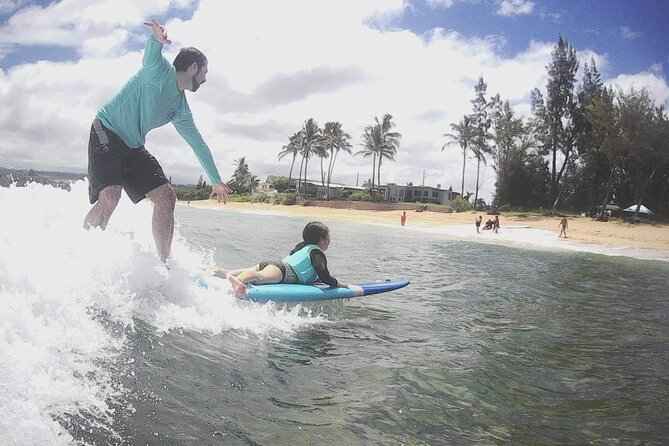
Small waves, big confidence. That’s the North Shore surf lesson vibe. You learn the whole basics chain, from dry-land pop-up practice to getting guided on beginner-friendly waves. I like how the lesson is built around real fundamentals (paddling, standing, and wave choice), and I especially like the private-group attention that keeps things personal when you’re brand new. One thing to consider: this is a water activity, so you should be comfortable in the ocean, and if you struggle swimming you’ll want to request a life jacket in advance.
You also don’t have to lug surf gear. The surfboard, surf leash, and rash guard are provided, so your pack stays light and you can focus on actually learning. You’ll pick morning or afternoon for your schedule, and the instructors run the session with a careful, step-by-step rhythm that helps your technique click. If you’re hoping to just jump straight into riding big waves, this isn’t that kind of lesson, and you’ll get more value by embracing the basics.
In This Review
- Key things that make this North Shore surf lesson work
- Getting There: Haleiwa’s Kahalewai Place and a 2-Hour Learning Window
- What You Need to Bring (and What You Don’t)
- The Lesson Flow: From Beach Basics to Your First Ride
- Surf Basics You’ll Actually Use: Paddling, Standing, and Wave Choice
- Why Private Group Instruction Helps Beginners (Especially First-Timers)
- North Shore Timing: Morning vs Afternoon and How to Plan Your Day
- Equipment and Ocean Conditions: Small-Wave Learning Done Safely
- Price and Value: Is $150 Worth a 2-Hour Beginner Lesson?
- Should You Book This North Shore Surf Lesson?
- FAQ
- How long is the surf lesson?
- Where does the lesson start?
- What time options are available?
- Is the lesson geared toward beginners?
- What surf gear is included?
- What should I wear?
- Can I request a life jacket?
- Is this a private group lesson?
- What’s the language of instruction?
- What’s the cancellation policy?
Key things that make this North Shore surf lesson work
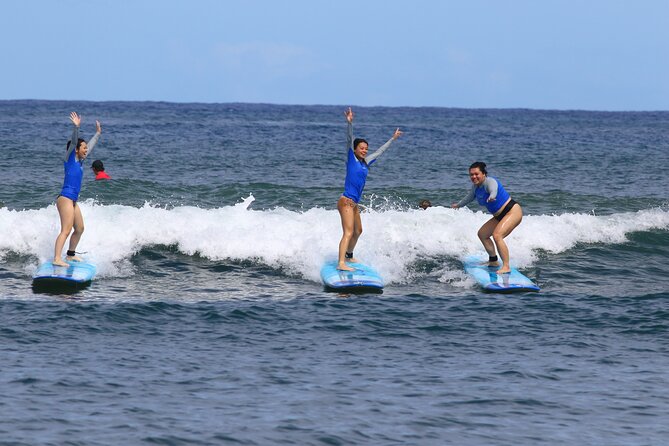
- Dry-land pop-up practice first: You work on foot placement and balance before you chase waves.
- Private group coaching: You’re not blended into a giant crowd, so feedback stays immediate.
- Gear is provided: Surfboard, leash, and rash guard mean fewer things to buy or carry.
- Safety and surf etiquette included: You’ll get ocean-condition guidance and how to behave around other surfers.
- Beginner-focused wave guidance: You’re steered toward small waves you can actually learn on.
- You may spot turtles while you’re out there: A wildlife bonus can happen when conditions cooperate.
Getting There: Haleiwa’s Kahalewai Place and a 2-Hour Learning Window
This lesson starts at Kahalewai Place (Kahalewai Pl, Haleiwa, HI 96712), and it ends back at the meeting point. That matters more than it sounds. When you’re learning something as timing-sensitive as surfing, you don’t want a long, complicated scramble at the start and end.
The session runs about 2 hours, so you’re not getting a half-day “surf experience” with lots of waiting. You get a tight teaching block: arrive, get geared up, do safety and basics, practice on land, then head into the water and work on standing and riding. Because it’s short, the instruction has to be structured, and that structure is exactly what helps beginners progress fast.
You can choose either a morning or afternoon time slot. In Hawaii, the morning feel can be calmer and easier to manage when you’re fresh and nervous. Afternoon can be great too, especially if you want to fit it around other plans on Oahu. Either way, plan your day so you have time to warm up on your own before meeting—dry hands, sunscreen on, and the right swimwear go a long way.
You can also read our reviews of more tours and experiences in Oahu

What You Need to Bring (and What You Don’t)
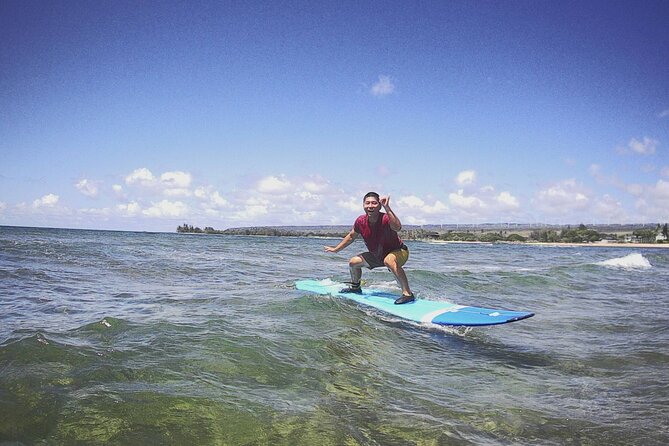
Here’s the practical part: you only need to show up ready to get wet. The lesson provides the key surf gear—surfboard, surf leash, and rash guard—so you don’t have to hunt down rentals or worry about whether your board is the right size for your learning stage.
You do need to bring a few simple basics:
- Wear your swimsuit
- Use reef-safe sunscreen
- Bring a towel if you want one (not listed, but it’s usually wise)
- Dress so you can get in and out of water without a struggle
The rash guard isn’t just “nice.” It helps protect your arms and shoulders, which is where first-timers often get stuck under sun and wind while they’re learning. Since the lesson provides it, you’re not paying extra for something you’ll use only once.
One small but important tip: reef-safe sunscreen is called out for a reason. You’ll be on a sensitive marine setup, so take the instruction literally.
The Lesson Flow: From Beach Basics to Your First Ride
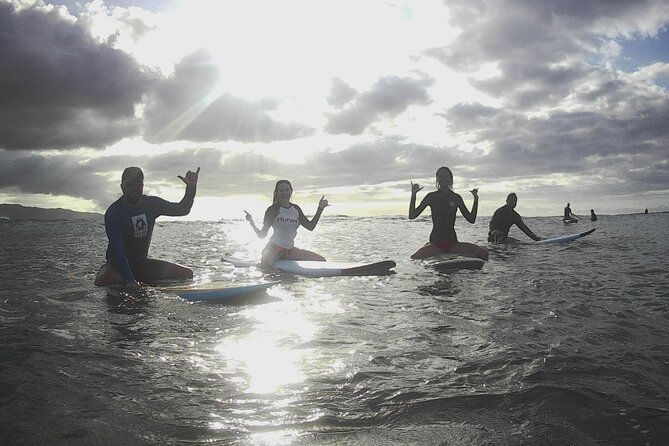
This is a step-by-step lesson, not a chaos scramble. When you arrive, instructors greet you, hand out gear, and walk you through what’s coming. Then you’ll get a safety briefing that covers ocean conditions and surf etiquette—how to share the water and avoid the common beginner mistakes that can create problems for you and others.
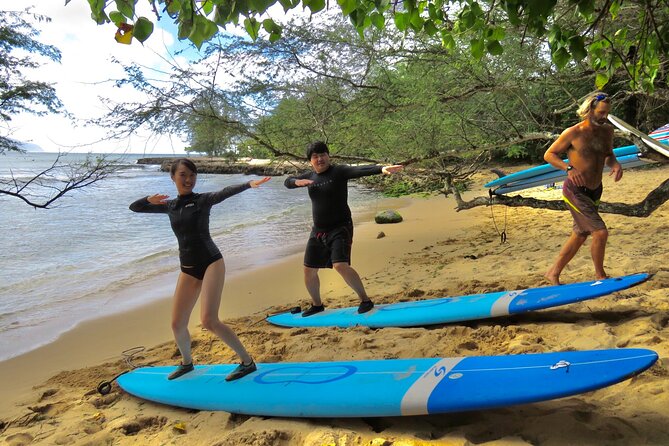
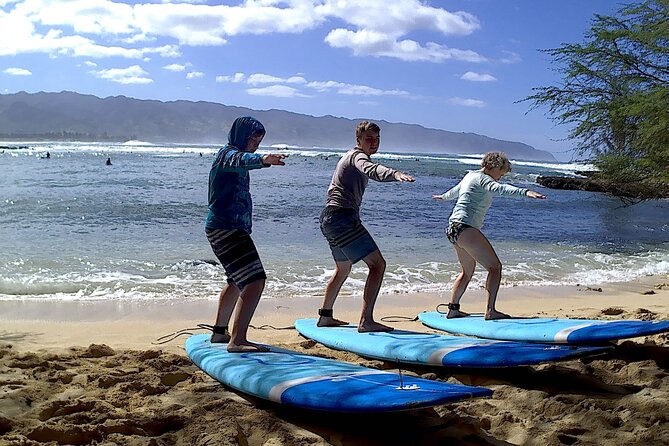
Next comes the part I love most for first-timers: warm-up and dry land practice. Before you even go in, you’ll practice the pop-up technique on land. You focus on foot placement and balance. That means when you’re on the board, you’re not guessing your way through your body position. You already have a reference.
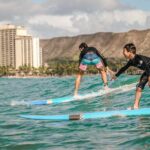
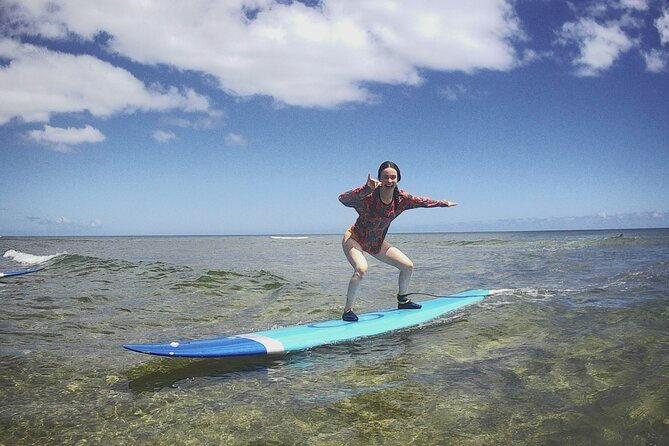
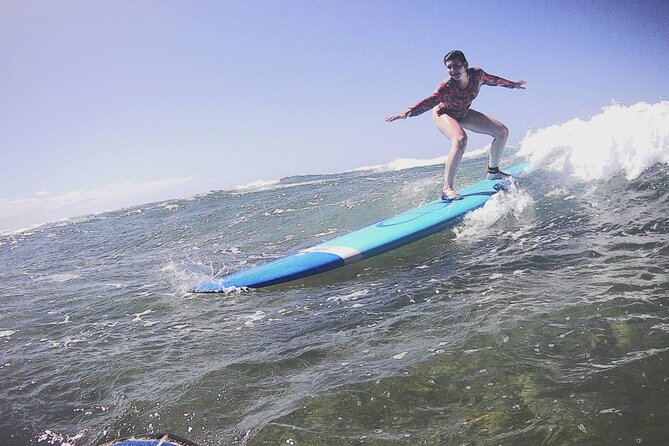
Then you head into the water. The instructor guides you on paddling, standing, and selecting beginner-friendly waves. When it’s time for your first attempt at catching a wave, the coaching shifts from general technique to your specific situation: where your board is, how your paddling lines up, and how to apply the pop-up when you actually have the wave.
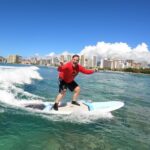
The goal for beginners is not perfection. It’s success. Getting your first wave ride feels like a light switch. And once you’re getting up, you’ll keep practicing with refinements—more control, better timing, and improvements in turning and balance so you ride longer.
Surf Basics You’ll Actually Use: Paddling, Standing, and Wave Choice
Surf lessons can get frustrating fast when they’re too abstract. This one stays concrete.
You’ll work on:
- Paddling technique so you can get in position
- Standing in a controlled, repeatable way
- Wave selection so you’re not fighting conditions that are too big or too chaotic
- Refining turning and wave timing as you build confidence
What that means for you: you’re learning the chain of skills that makes surfing possible. Beginners often try to “stand” without getting paddling right. Or they try to chase waves that don’t match their current level. By teaching the fundamentals together, the lesson helps you avoid the common loop: fall, panic, repeat.
Also, the surf etiquette portion isn’t just a lecture. It sets the tone for how you move around others in the water. When you understand what’s expected, you’ll feel more relaxed—and relaxed students learn quicker.
Why Private Group Instruction Helps Beginners (Especially First-Timers)
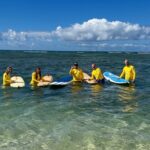
One of the biggest value drivers here is the teaching format: it’s described as a private tour/activity, meaning only your group participates. That sounds simple, but in practice it changes everything for beginners.
With a private group, you’re more likely to get coaching that matches your timing. You’re not waiting while the instructor divides attention across multiple skill levels. And when you’re learning a physical skill, small corrections matter. It’s the difference between “I stood up somehow” and “I stood up on purpose.”
The coaching style also shows up in the details. The lesson experience emphasizes instructors who are careful, observant, helpful, and patient, and that shows in how they pace the learning. You start with dry drills, then practice in the water in small-wave conditions, then keep building as you improve.
If you get an instructor like Connor, you’ll also likely feel that upbeat, encouraging energy. One highlight from past sessions is that new surfers can catch their first waves quickly, often because the instructor makes your technique feel doable instead of intimidating. That kind of mindset is a real tool when you’re nervous on day one.





North Shore Timing: Morning vs Afternoon and How to Plan Your Day
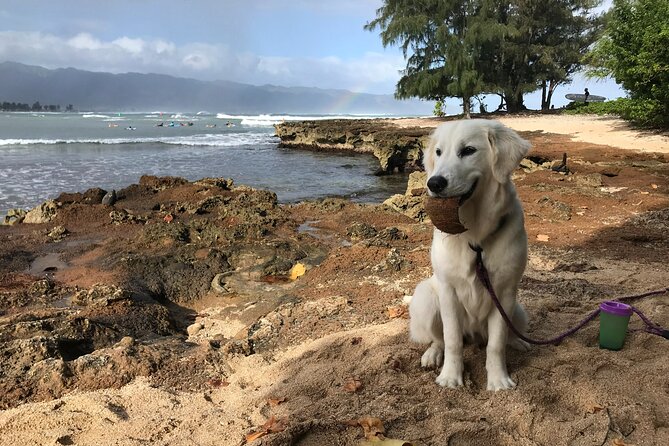
Picking morning or afternoon isn’t just schedule convenience. It affects your mood and your readiness.
Morning lessons can be great because your body starts fresh. You’ll still get the warm-up and land practice, but you’re less likely to feel sluggish. You’ll also get a smoother start to your day around Haleiwa, which can be handy if you’re balancing other Oahu plans.
Afternoon lessons work if you want to sleep in or do a beach hang first. Just don’t turn it into a marathon. Surfing rewards focus, not fatigue. If you’ve been out in the sun too long before class, you’ll feel it when you’re asked to sprint-paddle or hold balance on land.
Either way, come prepared to move. This is listed as a moderate physical fitness activity. You don’t need to be an athlete, but you should be ready for paddling effort, repeated standing attempts, and getting in and out of the ocean.
Equipment and Ocean Conditions: Small-Wave Learning Done Safely
The lesson is designed for beginners learning to surf on the North Shore, which is famous for powerful surf. That can make new surfers worry they’ll be thrown into the deep end. The good news is that the instruction focuses on small waves and beginner-friendly conditions.
Safety is handled directly:
- A safety briefing on ocean conditions
- Surf etiquette guidance
- Step-by-step progression so you earn the next phase
- Gear that supports safe learning, like the surf leash
If you’re worried about swimming, that’s the one area you should address early. The guidance says if you struggle swimming, you can request a life jacket in advance. That’s worth taking seriously. You want to enjoy the water, not constantly second-guess your comfort.
And yes, Hawaii wildlife can show up. There’s at least one noted bonus from past sessions: seeing turtles swimming by the boards. You shouldn’t plan your entire day around it, but it’s a reminder of what you’re paying for: a real ocean experience, not just a backyard photo op.
Price and Value: Is $150 Worth a 2-Hour Beginner Lesson?
At $150 per person for about 2 hours, you’re paying for three things that matter for first-timers: instructor coaching, safety setup, and gear.
Let’s break it down:
- You’re not renting multiple items. The surfboard, leash, and rash guard are included.
- You’re getting taught, not just loaned a board. Beginners need feedback to avoid repeating the same mistake.
- You’re likely getting private-group attention, which increases the odds you’ll get meaningful correction and actually improve in the session.
So the value isn’t just the time on a board. It’s the quality of coaching during the moments you’d struggle alone. If you’ve ever tried to learn with a rental and random tips from friends, you know how slow that can be. This format compresses the learning curve by covering fundamentals in a tight schedule.
If you’re on a budget, this may still be the pricier option compared to self-guided rentals. But for beginners, paying for instruction often saves money in the long run because it reduces wasted attempts and gear issues. For many first-timers, it’s the first time surfing clicks.
Should You Book This North Shore Surf Lesson?
I think you should book it if you want a beginner-friendly introduction that respects your learning pace. This lesson is built around fundamentals first, with dry-land pop-up practice, clear safety guidance, and small-wave coaching. It’s also a strong choice if you care about getting patient, close attention, not just being handed a board and hoping for the best.
You might skip (or at least reconsider) if you want a “ride as much as possible, no teaching” experience, or if you’re not comfortable in the ocean yet. If you can swim comfortably and you’re willing to practice technique, you’re in the right place.
FAQ
How long is the surf lesson?
It runs about 2 hours (approx.).
Where does the lesson start?
The meeting point is Kahalewai Place, Kahalewai Pl, Haleiwa, HI 96712, USA. The activity ends back at the meeting point.
What time options are available?
You can choose a morning or afternoon lesson time.
Is the lesson geared toward beginners?
Yes. It’s designed to help you learn to surf or refine technique, with instruction on beginner-focused basics like paddling, standing, and selecting beginner-friendly waves.
What surf gear is included?
You’ll get a surfboard, surf leash, and rash guard.
What should I wear?
Wear your swimsuit. The lesson also recommends using reef-safe sunscreen.
Can I request a life jacket?
Yes. If you struggle swimming, you should request a life jacket in advance.
Is this a private group lesson?
Yes. It’s described as a private tour/activity, and only your group participates.
What’s the language of instruction?
The lesson is offered in English.
What’s the cancellation policy?
Cancellation is free. You can cancel up to 24 hours in advance for a full refund.