REVIEW · OAHU
Polynesian Cultural Center: Islands of Polynesia Admission Ticket
Book on Viator →Operated by Polynesian Cultural Center · Bookable on Viator
A sunny day of Polynesia stories and hands-on fun. The Polynesian Cultural Center on Oahu strings together seven island cultures in one place, with hands-on activities and performances that run across multiple villages—so you’re not stuck watching from a chair the whole time.
I also love the payoff if you add the evening show: Ha: Breath of Life with 100+ performers, traditional music and dance, plus knife dancers and fire walkers. The one real drawback to plan for is heat—some areas have plenty of cover, but shade is limited away from performance zones, and the humidity can wear you down.
In This Review
- Quick highlights before you go
- Oahu North Shore: What your Islands of Polynesia pass covers
- Walking the villages: seven cultures, lots of “try it” moments
- Activities you should actually look out for
- One thing to watch: repetition vs. rhythm
- Food at the center: choices, traditions, and the reality of crowds
- Why the food is still part of the cultural experience
- What to do with mixed opinions
- The big evening move: Ha: Breath of Life and the Ali’i Luau upgrade
- What Ha: Breath of Life does differently
- Ali’i Luau dinner package: when you want the full night format
- A heads-up on photography rules
- Timing and logistics: lines, pacing, and staying comfortable
- Get there early
- Plan for walking, then plan for an exit plan
- Shade and humidity are not optional
- Value check: is $103.50 worth it?
- Where the money makes sense
- Where you might question it
- The best way to think about it
- Who should book this and who should pass
- Should you book the Islands of Polynesia admission ticket?
- FAQ
- What is included with the Islands of Polynesia admission ticket?
- Is dinner included with this admission?
- Does the ticket include Ha: Breath of Life?
- Which Polynesian cultures are featured at the center?
- How long should I plan for at the park?
- Where is the Polynesian Cultural Center located, and how far is it from Waikiki?
- Is the experience good for kids?
- Do they offer hotel transportation?
- Is free cancellation available?
Quick highlights before you go
- Seven island cultures in one ticket area: Tahiti, Hawaii, Tonga, Samoa, New Zealand, the Marquesas, and Fiji
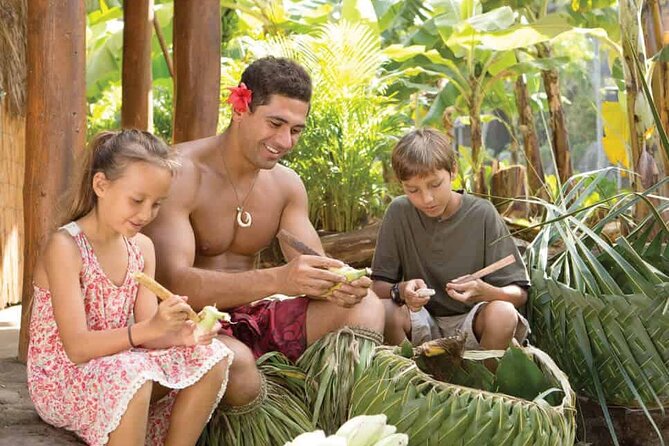
- Hands-on village activities: ukulele lessons, spear throwing, fishing, and Samoan cooking demos
- Little-kid friendly moments: tattooing (style not described, but it’s offered), plus a canoe ride on the lagoon
- Canoe experiences: Huki: The Canoe Pageant and canoe tours throughout the villages
- A major evening production if you upgrade: Ha: Breath of Life with large-scale performers
Oahu North Shore: What your Islands of Polynesia pass covers
The Polynesian Cultural Center sits about an hour from Waikiki on Oahu’s North Shore. It’s one of those places that works even if you only have a single day on your schedule—because you can still hit a lot, learn a lot, and pace yourself.
Here’s the key point about value: your admission is the Islands of Polynesia Villages ticket, and it includes a 3-day pass after your initial visit. So even though the day you arrive can feel like a full block (plan on about 6 hours), you’re not forced to cram everything into one single trip.
The park is also tied to education and employment. It’s run as a non-profit, and revenue supports daily operations and the education of student employees from nearby BYU–Hawaii. That’s why the staff vibe feels like pride and teaching, not just labor.
You can also read our reviews of more tours and experiences in Oahu

Walking the villages: seven cultures, lots of “try it” moments

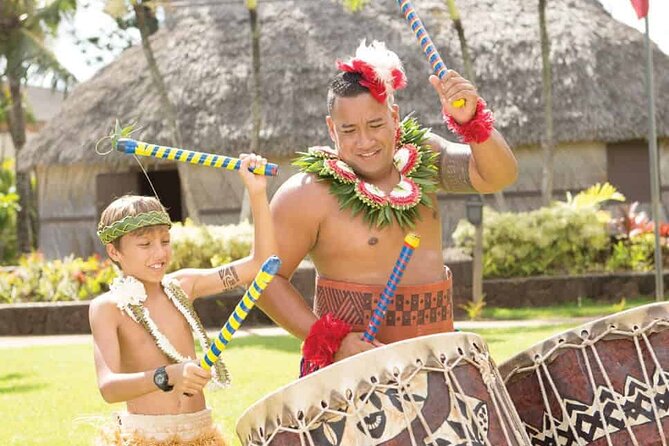
This isn’t a museum where you read placards and leave. You’ll spend your time moving between island village areas, watching demonstrations and jumping into activities when they’re offered.
From what’s built into the experience, expect the “culture” to show up in practical ways:
- music and dance (with performances placed throughout the park)
- craft and food-related demos
- games and skill-building activities tied to the cultures represented
You’ll see the seven cultures listed above—Tahiti, Hawaii, Tonga, Samoa, New Zealand, the Marquesas, and Fiji—each presented through their own village area and scheduled presentations. The idea is that you learn by comparison: different islands, different traditions, different ways of expressing identity.
Activities you should actually look out for
A few activities are called out as part of the on-site experience, and they’re the ones that tend to make the day feel memorable rather than repetitive:
- Ukulele lessons: easy for most ages, and you’ll leave feeling like you learned something tangible.
- Spear throwing and fishing: more active and playful than you might expect, especially if your trip includes kids.
- Samoan meal cooking: food is often where culture becomes understandable fast, and this is exactly that kind of demo.
- Canoe elements: you can look for Huki: The Canoe Pageant and canoe tours running through the village flow.
One thing to watch: repetition vs. rhythm
The park is designed so each village has its own show and activity pattern. That’s great for first-timers, but if you’re expecting a completely fresh new experience every hour, you may notice some overlap in the style of presentations. The upside: you can still follow your curiosity and spend more time where you’re actually interested.
Food at the center: choices, traditions, and the reality of crowds
Food is a huge part of why this place works. Some folks find the dining spread feels like a mix—there are also more international-style items available (for example, tacos and fish & chips), which can help when you’ve got picky eaters.
At the same time, you’ll also find traditional Polynesian favorites called out in the on-site offerings, including:
- fresh local coconuts
- kalua pork
- poi
- taro dishes
- island-style desserts





Why the food is still part of the cultural experience
Even when a menu item looks familiar, it often signals something different in ingredients, preparation, or how it’s served. When you’re moving through the villages, food becomes another “language” of the day—so it’s not just fuel.
What to do with mixed opinions
Food quality gets mixed feedback. Some people love standout items like roast pig, and others feel buffet-style meals can be hit or miss. My practical advice is to keep your expectations aligned with the format: think “great options across the park,” not “fine dining.”
Also, if you have dietary restrictions, you may find more options than you expect—one review specifically noted plenty of choices for coeliac needs—so it’s worth checking with staff on-site when you’re ready to eat.
The big evening move: Ha: Breath of Life and the Ali’i Luau upgrade
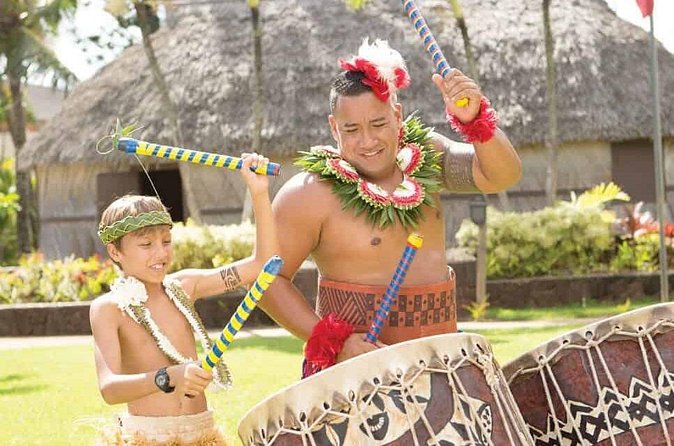
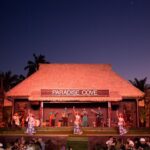
If your ticket is only for the villages, you’ll still likely hear people talk about the evening show. That’s because Ha: Breath of Life is described as a major production featuring over 100 performers, traditional music and dance, and dramatic elements like knife dancers and fire walkers.
The important detail: Ha: Breath of Life is not included with the base admission ticket. You’d need to upgrade to include it.
What Ha: Breath of Life does differently
The park daytime experience is interactive and educational. The evening show is the “big picture” payoff—ancient folklore and history tied into performance. In other words: daytime tells you how culture is practiced. The evening show tries to show you why it matters.
Ali’i Luau dinner package: when you want the full night format
There are also upgrades that add a dinner show with the Ali’i Luau dinner package. If you’re planning to spend the whole evening at once, that can be the smoother option, especially with families who don’t want to coordinate meal timing around performance schedules.
A heads-up on photography rules
One caution based on real experiences: night-show recording rules can be strict, and at least one guest described a rough interaction when they tried to photograph or record. If this matters to you, I’d treat it as a “follow the rules first” situation—ask staff what’s allowed before you start.
Timing and logistics: lines, pacing, and staying comfortable

Your day can start strong or drag a bit—mostly based on timing and heat management.
Get there early
Getting in early is repeatedly the smartest move. The park can have long lines at entry, so arriving closer to opening time gives you breathing room to reach the first village presentations without stress.
Plan for walking, then plan for an exit plan
The layout is described as well laid out, but you’ll still be moving across a large venue. If walking is a concern, there’s advice to reserve an electric cart prior to going. That’s especially useful for families with strollers, older travelers, or anyone who just wants to conserve energy for the shows and hands-on activities.
Shade and humidity are not optional
Heat and humidity came up as a real issue for at least one person. There are covered performance areas and shaded seating zones, but outside those zones, it can feel exposed. Practical fix: bring water, use sun protection, and don’t assume you’ll have shade everywhere between villages.
If you’re traveling with kids, think in terms of breaks. The park has indoor/covered village experiences and performance cover, so you can cool down—but you’ll need to use it actively.
Value check: is $103.50 worth it?
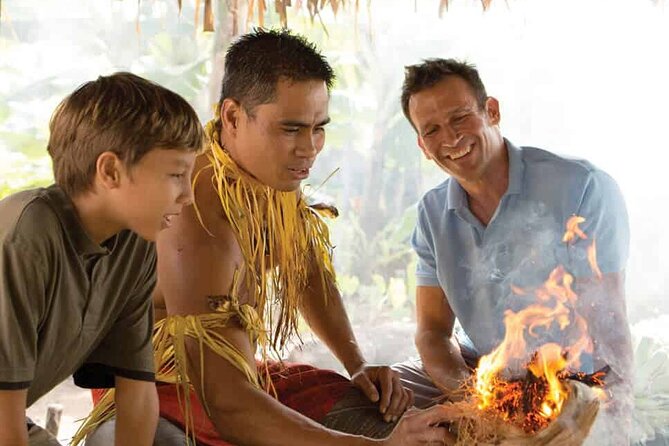
At $103.50 per person, this ticket isn’t a small purchase. The value depends on how you plan to use it.
Where the money makes sense
This tends to be a great deal if:
- it’s your first real taste of Polynesian culture
- you want active learning (not just watching)
- you’ll actually use the 3-day pass, spreading the park across more than one visit
- you’ll add the evening show upgrade if it fits your interests
Where you might question it
If you’ve already done a lot of similar cultural shows, or you’re only in Oahu for a short window and you won’t have time to use the pass well, the cost can feel steep. In that case, you might prefer a smaller “highlight plan” that targets only what you care about—like the evening show plus a shorter daytime visit.
The best way to think about it
Treat it like a half-day to full-day experience with optional add-ons, not like a single event. Your best value usually comes from pacing, not from trying to do everything in one rush.
Who should book this and who should pass
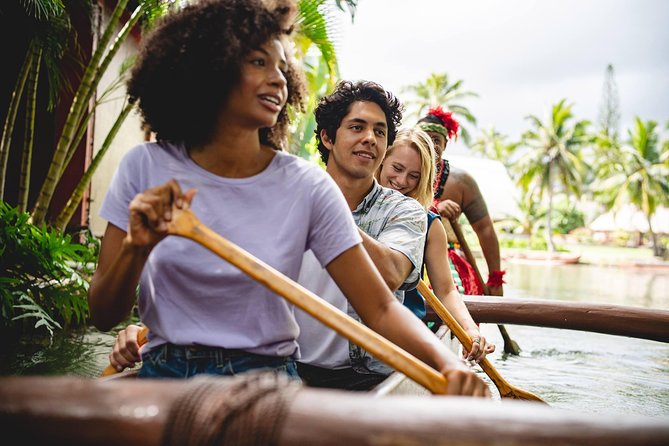
This ticket fits best for people who like structured fun with real learning built in.
Book it if:
- you’re traveling with kids who enjoy doing stuff, not just watching
- you want a one-stop intro to multiple Polynesian cultures
- you value performances that include big-group staging (especially if you’ll upgrade to Ha: Breath of Life)
- you want a place that’s designed to be clean, organized, and teacher-friendly
Consider passing (or customizing) if:
- you hate hot outdoor walking and don’t want to manage breaks
- you’re only interested in the evening show and don’t care about village demos
- you already feel confident in Polynesian performance history and just want a quick taste
Should you book the Islands of Polynesia admission ticket?
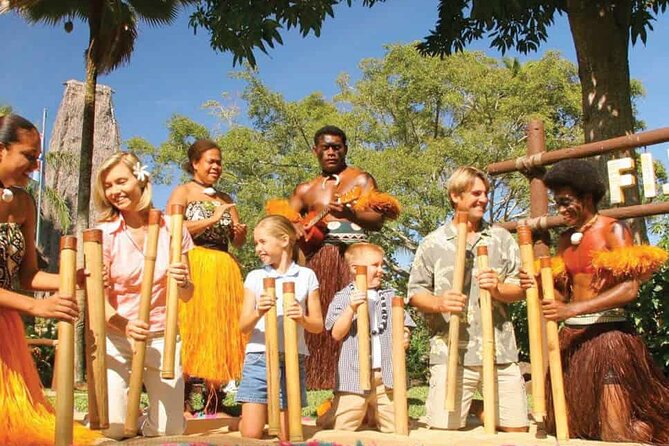
If you want a fun way to learn, this is a strong pick. The reason I’d recommend it is simple: the park is built around action—hands-on village activities, food demos, and frequent performances—plus the fact that your 3-day pass gives you room to slow down.
My advice is to plan your upgrades carefully. If Ha: Breath of Life is a must-do for you, check that your chosen package includes it, and make sure dinner expectations match what you booked. And if heat is a factor, show up early, reserve help like an electric cart if you need it, and schedule your breaks so the day stays enjoyable.
FAQ
What is included with the Islands of Polynesia admission ticket?
The ticket includes access to the Islands of Polynesia Villages with a 3-day pass after your initial visit.
Is dinner included with this admission?
No. Dinner is not included with the base admission. Dinner is typically available through upgrades such as the Ali’i Luau dinner package.
Does the ticket include Ha: Breath of Life?
No. Ha: Breath of Life is not included with the base admission ticket.
Which Polynesian cultures are featured at the center?
The experience highlights seven cultures: Tahiti, Hawaii, Tonga, Samoa, New Zealand, the Marquesas, and Fiji.
How long should I plan for at the park?
Plan for about 6 hours for the visit.
Where is the Polynesian Cultural Center located, and how far is it from Waikiki?
It’s on O‘ahu’s North Shore, about an hour from Waikiki.
Is the experience good for kids?
It’s designed for families, with activities noted such as ukulele lessons, spear throwing, cooking demos, and kid-friendly options like canoe rides on a lagoon and tattoo activities.
Do they offer hotel transportation?
Transportation is available as an add-on on select packages, but it is not automatically included with the admission ticket itself.
Is free cancellation available?
Yes. You can cancel up to 24 hours in advance for a full refund.