REVIEW · OAHU
North Shore Surfing Lessons Oahu Hawaii
Book on Viator →Operated by DFC Surfing Academy · Bookable on Viator
Big waves, big smiles, and real coaching. This North Shore session by DFC Surf Academy pairs a beach tutorial with in-water guidance, so you’re not guessing what to do. I especially like the chance to surf around Chun’s Reef and the Pua’ena Point area, plus the fact that equipment (board, rash guard, leash) is included. The only real watch-out is that instructor personality can vary, and you’ll want to go in with a calm, teachable mindset.
I also like that the lesson is built for a wide range of ages and swim comfort levels, with instructors staying with you the whole time. In many of the best experiences, instructors like Matthew, Jacob, and Chris were praised for clear coaching and keeping safety front and center. One possible drawback: you may still get the beginner reality check—coral and rocks can mean scratches or bruises, and surfing is more physical than it looks.
In This Review
- Key things I’d zoom in on before booking
- North Shore Setup: Why Chun’s Reef and the Pua’ena Point Area Matter
- What the 90-Minute Lesson Really Includes (and What You Still Need)
- Beach Coaching First: Paddling, Pop-Up, and Wave-Catching
- In the Water: Safety, Surf Etiquette, and Actually Standing Up
- Private Upgrade vs. Group Lesson: When One-on-One Pays Off
- Who This Is Best For: Kids, Beginners, and Swimming Comfort
- Value Check: Is $120 Worth It on Oahu?
- Small Risks to Plan For: Boards, Instructor Fit, and Coral Reality
- After Your Session: Wash, Reset, and Turn It Into a North Shore Day
- Should You Book DFC Surf Academy North Shore Lessons?
- FAQ
- How long is the North Shore surfing lesson?
- What is included in the price?
- What should I bring that isn’t included?
- Where are the lessons held on the North Shore?
- Can I upgrade to a private lesson?
- Do they cancel if the weather is bad?
- Is this lesson suitable for kids and different swimming abilities?
Key things I’d zoom in on before booking
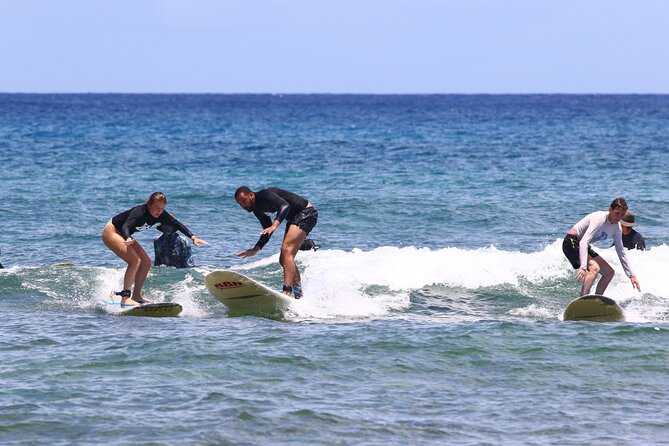
- Beach-to-water structure: you’ll learn paddling, standing up, and wave-catching right before you try it in motion
- North Shore options: you’ll surf one of three spots, all close together for easier logistics
- Gear included: board, rash guard, and leash are part of the price
- Instructor match matters: some staff are wildly praised, so arrive ready to learn and communicate
- Upgrade if you want focus: you can pay more for a private one-on-one lesson
North Shore Setup: Why Chun’s Reef and the Pua’ena Point Area Matter
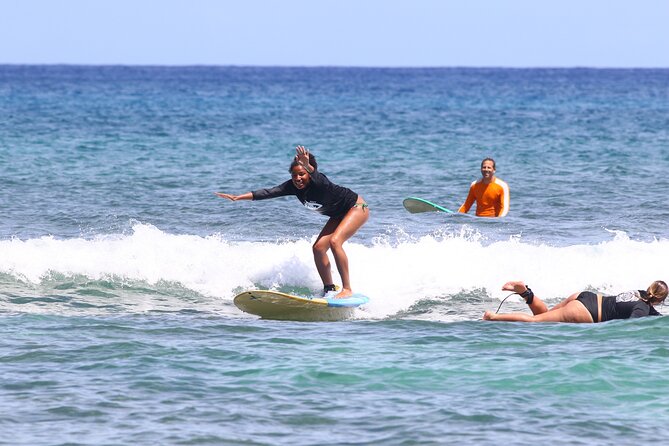
North Shore surfing has a specific vibe. Compared with busier tourist beaches, the water feels more “real Hawaii,” and it’s easier to settle into a lesson without constant distractions. DFC Surf Academy keeps things practical by hopping between close-by North Shore locations, including the Chun’s Reef / Pua’ena Point area, so you’re not spending your time in transit.
From the information you get after booking, you’ll also get directions the day before. That matters here because the meeting points can be easy to miss if you arrive late or only use your best guess. You’ll want to show up with time to park, use the restroom, and get your bearings before the instructor starts grouping up.
A good lesson setup makes or breaks first-timers. With this experience, the goal is to get you out on surfable waves for your skill level, not just to say you stood near the ocean.
You can also read our reviews of more tours and experiences in Oahu

What the 90-Minute Lesson Really Includes (and What You Still Need)
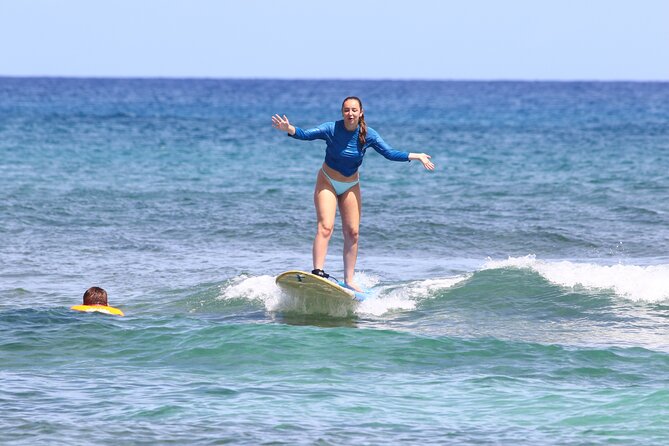
This is a 1.5-hour lesson, and it’s priced at $120 per person. That sounds like a premium line item until you compare it to the cost of board rental, the time cost of learning by trial-and-error, and the value of having an instructor in the water with you. You’re not paying for a long lecture. You’re paying for coaching, safety, and time on the water.
Here’s what’s included:
- Surf board
- Rash guard
- Surf board leash
Here’s what’s not included:
- Sun screen
- Towel
- Water
That last part is a big deal under Hawaii sun. Bring water even if you think you’ll be fine, and bring a small towel you actually want to use afterward. If you forget sunscreen, you’ll feel it later, and you won’t want to spend the afternoon in a sunburn haze.
You can also request a custom lesson duration. If you’re traveling with kids, or you want extra time in the water, it’s worth asking when you book.
Beach Coaching First: Paddling, Pop-Up, and Wave-Catching
The lesson starts on shore with a brief tutorial. Expect instruction on paddling, standing up, and how to catch waves. This step is more important than it sounds, because most beginners don’t need more courage—they need better timing.
Instructors stay with you throughout. That means you’re not sent out “good luck” style. The best part of the beach coaching is that you’re rehearsing the exact motion you’ll use next: how you position yourself, how you handle the board, and what you do when a wave is coming.
From the way instructors were praised in real lessons, the coaching style matters. People called out clear explanations and lots of encouragement. You’ll see coaching names pop up like Matthew, Jacob, and Chris, with comments about how they made getting started feel simple.
Quick reality check: even with good coaching, first-wave success can still take a few tries. That’s normal. The lesson is built so you have enough time to get past the initial panic and move from paddling chaos to wave-reading.
In the Water: Safety, Surf Etiquette, and Actually Standing Up
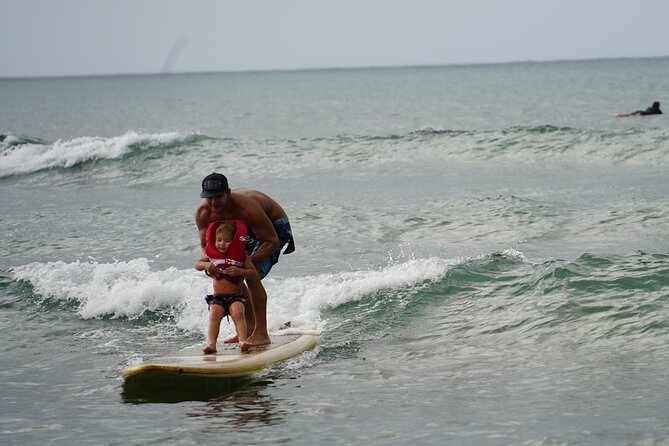
Once you’re out, the lesson shifts from technique to decision-making. You need to read the water, paddle at the right moment, and pop up without fighting your own body. In several strong reviews, instructors were credited with pinpointing where to go and keeping people safe while they were learning.
Safety includes more than just not falling off the board. It also includes surf etiquette—like knowing when to move, how to avoid careless interactions, and how to keep the group from turning into a human traffic jam. One reviewer highlighted that etiquette was actively addressed, which is exactly what you want in a group lesson.
Beginners often fear two things:
1) getting out where it feels “too big,” and
2) getting scratched by the ocean floor.
That second one is real. One account specifically warned that coral or rocks can be sharp in spots. If you’re new, you might also get a little rash or bruising, especially if you keep trying wave after wave (which is usually what happens).
On the flip side, instructors were also praised for adapting the location and the plan so beginners can succeed. One lesson included beginner-friendly wave choices even with bigger North Shore conditions nearby.
Private Upgrade vs. Group Lesson: When One-on-One Pays Off
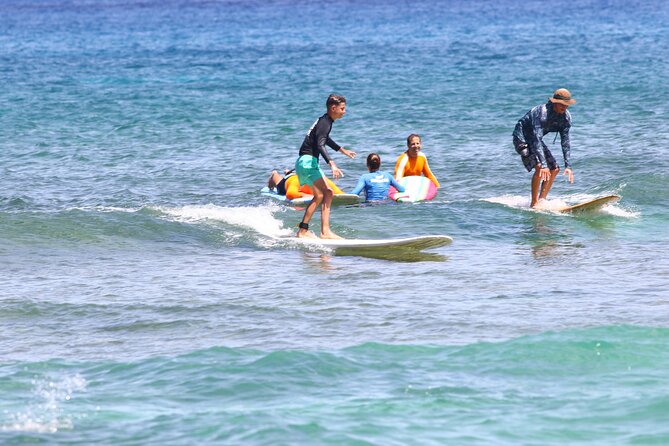
You can upgrade to a private lesson for one-on-one attention. That option matters if you learn best when someone can focus solely on you and your specific mistakes. It’s also useful if you’re traveling with mixed skill levels and want your lesson to be tailored.
Group lessons can work great when:
- you’re comfortable with a bit of waiting between tries,
- you do well with coaching as a team, and
- you want to learn quickly by watching others get it right.
But if you’re nervous, the private upgrade can reduce the mental noise. It can also be a good fit for teens who want more time troubleshooting and adults who want extra feedback on paddling form or standing timing.
The honest tip: if you book group, still ask for the coaching you need. Instructors can only fix what they notice, and your calm communication helps them read your comfort level.





Who This Is Best For: Kids, Beginners, and Swimming Comfort
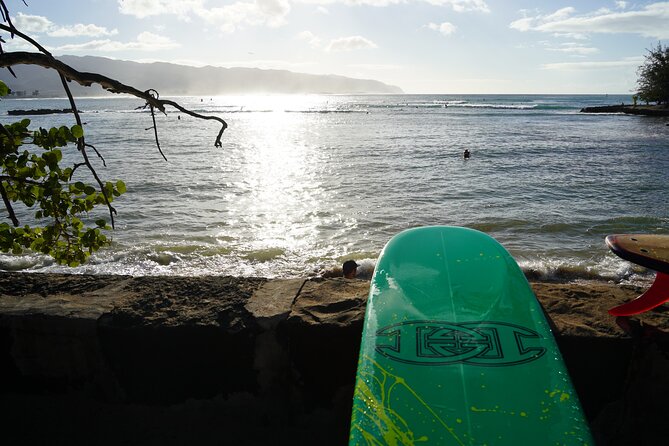
This lesson is suitable for all ages and swimming capabilities, and that’s a big reason it’s popular. You’ll see that range in reviews too—families with kids around elementary age, teenagers, and adults learning together.
Still, swimming confidence affects the experience. One reviewer noted the lesson might not be for someone who is a weak swimmer or very fearful of the ocean floor. That doesn’t mean the lesson is unsafe. It means your mindset matters. If you’re scared of the feeling of open water and what you can’t control, ask questions before you commit so you understand what level of challenge you’ll get.
A smart way to prepare:
- do some arm stretching and light upper-body work before you go
- practice getting comfortable in deeper water if you can
- set your goal as learning and wave attempts, not perfect standing every time
Surfing is physical. Multiple reviews mentioned it as more of a workout than expected. Good coaching helps, but you’ll still be paddling and popping up repeatedly.
Value Check: Is $120 Worth It on Oahu?
At $120 for about 90 minutes, the value comes from three things: time on a real surf spot, instructor guidance in the water, and included equipment. If you’ve ever tried to learn anything in a DIY way, you’ll know how fast money disappears when you rent gear and spend half your time figuring out where to go.
The included kit is meaningful. Rash guard and leash alone save you shopping stress and help you focus on technique instead of gear hassles. The board rental angle can also vary in price around Oahu, so this fee looks more reasonable once you consider what you’re getting.
There’s also the “where” factor. Surfing the North Shore changes the feel of the day. A North Shore lesson can be a full vacation memory, especially if you’re trying to escape the crowded Waikiki rhythm.
If you want maximum value, do this:
- book early
- show up on time
- bring water and sunscreen so you can stay focused
- consider a private upgrade if you’re the nervous one in your group
Small Risks to Plan For: Boards, Instructor Fit, and Coral Reality
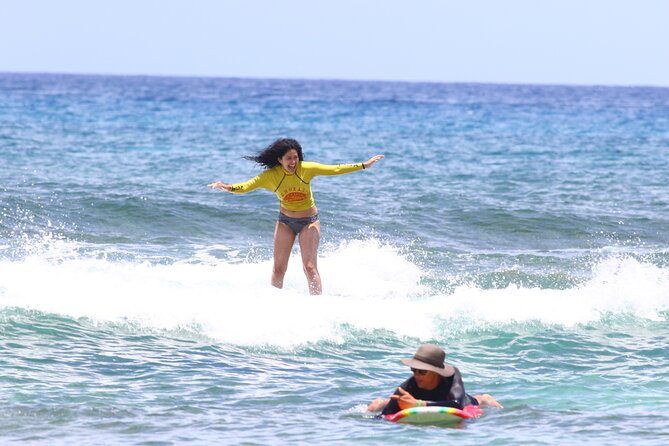
Like any outdoor activity, things can go sideways. In the feedback you have, the overall rating is strong, but you’ll also see a few complaints about boards being worn and instructors being impatient or rude. Those are not the norm in the higher-rated stories, but they’re the kind of mismatch you can’t ignore.
So how do you protect yourself?
- arrive early and clearly communicate your level
- be ready to follow instructions exactly during takeoff and wave timing
- if something feels off, tell the instructor politely, fast, and directly
Also plan for physical contact with the environment. Coral or rocks can mean scratches. Beginners sometimes get rash or bruises from trying, falling, and trying again. That’s not a reason to skip. It’s a reason to pack smart and accept a beginner learning curve.
Weather matters too. This experience requires good weather, and if it’s canceled due to poor conditions, you should expect a different date offer or a full refund.
After Your Session: Wash, Reset, and Turn It Into a North Shore Day
This isn’t just about the 90 minutes in the ocean. One review mentioned outside showers and a place to change into dry clothes afterward. That’s a quiet but real convenience on Oahu, because it keeps your afternoon from turning into salty chaos.
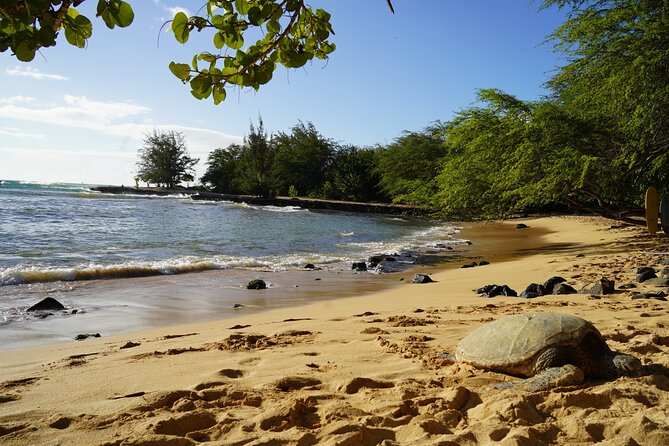
The North Shore also makes it easy to extend the day. One person pointed out that the area can be great for snorkeling, with sea turtles spotted nearby. Even if you’re not snorkeling, hanging around afterward lets you enjoy the wider scene without rushing back to a hotel schedule.
If you’re staying farther out, think about getting there smoothly. One reviewer shared that from the Turtle Bay area, you can use an hourly bus (about $3) and the ride takes roughly 20 minutes down to the surf area. That can be useful if you want to avoid dealing with parking.
Should You Book DFC Surf Academy North Shore Lessons?
I’d book this if you want a real beginner-to-intermediate surf lesson on Oahu’s North Shore with equipment included and instructors who stay with you in the water. The strongest sign is consistency: lots of people mentioned instructors like Matthew, Jacob, and Chris making first-time surfing feel doable, fun, and safe.
Don’t book it (or at least ask sharper questions) if you’re very afraid of the ocean or you know you freeze when you feel out of your depth. Also, if you’re picky about gear condition and you’re traveling with someone who gets easily frustrated, consider the private upgrade so you get more focused attention.
My practical recommendation: book early, bring sunscreen and water, and go in with a learning mindset. If you get an instructor who clicks with you, this can turn into one of those Hawaii days you talk about for years.
FAQ
How long is the North Shore surfing lesson?
It lasts about 1 hour 30 minutes.
What is included in the price?
Your surf board, rash guard, and surf board leash are included.
What should I bring that isn’t included?
You’ll want to bring sunscreen, a towel, and water.
Where are the lessons held on the North Shore?
You’ll surf at one of three nearby North Shore locations, including the Chun’s Reef and Pua’ena Point area. You’ll get detailed directions the day before.
Can I upgrade to a private lesson?
Yes. There’s an option to upgrade to a private one-on-one lesson for more direct attention.
Do they cancel if the weather is bad?
Yes. The experience requires good weather, and if it’s canceled due to poor weather, you’ll be offered a different date or a full refund.
Is this lesson suitable for kids and different swimming abilities?
Yes. It’s listed as suitable for all ages and swimming capabilities, and most travelers can participate.