REVIEW · OAHU
Immersive Luau Experience
Book on Viator →Operated by Oahu Experiences · Bookable on Viator
A luau where you help build the feast. This hands-on Oahu experience starts with a traditional chant and moves fast into making an Imu rock oven with you, not just in front of you. You get education woven into the action, from food traditions to respect for the land.
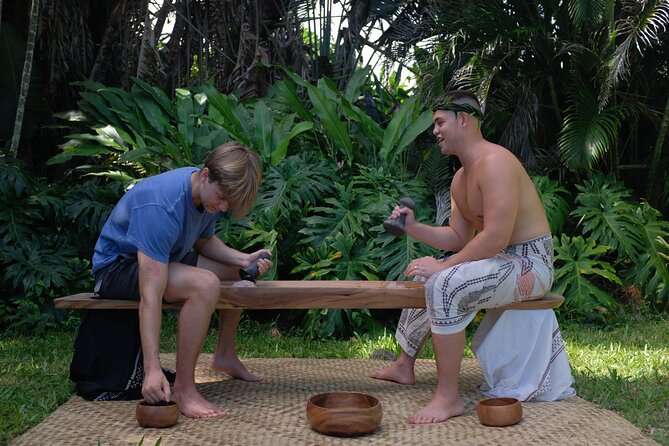
I especially loved learning how to pound kalo into poi. It’s one of those skills you remember long after the plate is empty, and you’ll understand why that process matters in Hawaiian life.
One thing to consider: this is weather-dependent and takes place outdoors, so plan around Hawaii-style conditions. If you want a purely sit-and-watch show, this is more participatory than that.
In This Review
- Key Things I’d Plan Around
- Entering Hauula: Getting There For A 4:00 Pm Start
- Building The Imu Rock Oven With Your Own Hands
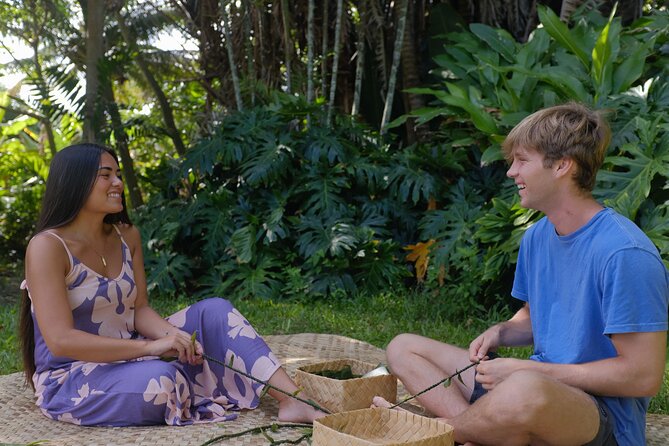
- Ti Leaf Lei Weaving: A Craft With Meaning
- Kalo Into Poi: Where The Work Changes Your Taste
- Malama Aina And Aloha Aina: The Land Lessons Between Activities
- Fireknife Dance And Drumming: Entertainment With Respect
- Dinner From The Imu And Fat Poi: What You Actually Get
- Price And Value: Is $175 Worth It?
- Timing, Weather, And The Small Details That Matter
- Who This Luau Suits Best (And Who Might Skip)
- Should You Book? My Practical Take
- FAQ
- Where is the meeting point?
- What time does the experience start?
- How long is the experience?
- What’s the price per person?
- Will I need to print a ticket?
- How large are the groups?
- What kind of food is included?
- Is the experience affected by weather?
- What is the cancellation window?
- Are service animals allowed?
Key Things I’d Plan Around
- Imu rock oven hands-on preparation, then you get to see it opened and served
- Ti-leaf lei weaving that’s tied to culture, not just a craft desk moment
- Kalo pounding into poi, with a real feel for the work behind the food
- Fireknife dance plus drumming, so entertainment also teaches rhythm and respect
- Dinner from the Imu and locally sourced catered food including Fat Poi
- Small group feel (max 50), which helps the hosts keep things personal
Entering Hauula: Getting There For A 4:00 Pm Start
The experience meets in Hauula at 53 Puhuli St, and it runs with a 4:00 pm start. That timing is smart if you like a late afternoon pace: you’re not rushing to fit in dinner at the last second, and you’re not stuck in the midday heat for hours. The whole thing ends back at the same meeting point, so you don’t have to plan your way out.
If you’re staying in central Oahu, you’ll be trading convenience for a more authentic setting. Hauula isn’t the tourist strip. That’s the point. It also means you should build extra time for traffic and parking, just like you would for any evening drive.
Most people can participate, including kids (the family vibe comes up in the feedback a lot). Service animals are allowed, and the area is near public transportation, so you have options if you’d rather not rely on a private car.
You can also read our reviews of more tours and experiences in Oahu.


Building The Imu Rock Oven With Your Own Hands
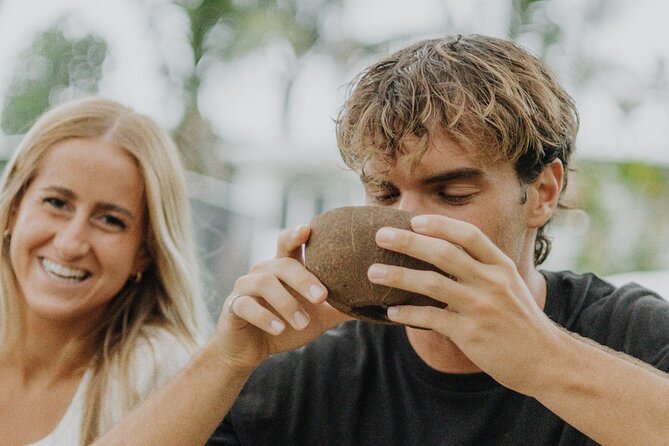
The energy starts before food. You arrive and get greeted by the hosts as their ohana, with Oli Aloha, a traditional Hawaiian chant. Then you jump into the main event: preparing the Imu rock oven together.
This is the part I think you’ll remember most clearly. You’re not just watching the chef do magic. You’re helping with the process that makes the meal possible. That changes how you taste later. When you understand how the heat and timing work, the food stops being a generic dinner and becomes a story you can eat.
A practical note: because this is hands-on, expect to get involved fully. Wear comfortable clothes that can handle a little mess and movement. If you’re the type who hates getting hands dirty, this may feel more active than you expected.
Ti Leaf Lei Weaving: A Craft With Meaning
Next up is making a Ti leaf lei. The key detail here is that it isn’t presented like a quick souvenir project. You’re learning as part of the cultural lesson around the land and traditions.
Ti leaf itself has a special place in Hawaiian culture, and weaving it into a lei turns the craft into something you can understand. You’ll likely see the way the lei connects people to place, not just people to a camera backdrop. When you leave with the lei, it’s not only a token—it’s proof you did something specific and respectful.
If you’re traveling with children, this portion tends to work well. It’s structured, it has a clear outcome, and it lets you participate without needing athletic skills. You might still get frustrated if you’re clumsy with hands at first; that’s normal. Go slow and copy the host’s pace.
Kalo Into Poi: Where The Work Changes Your Taste

Then comes the food education you can feel in your muscles: pounding kalo into poi. This is where the experience goes beyond performance and into understanding the staple.
Poi is a Hawaiian food that many visitors only try once on a trip. Here, you learn what it takes to turn kalo into a smooth, ready-to-eat staple. You’ll understand why texture, patience, and process matter. Even if your poi-making isn’t perfect, the lesson still lands: this is labor and tradition, not instant gratification.
This is also one of the best parts of the experience for picky eaters who want context. When you know what you’re tasting and why it’s made that way, you’re more open to it.
Bring an open mind about poi texture. If you already love it, you’ll appreciate the method. If you’ve tried it once and didn’t like it, this might change your perspective, because you’ll understand the goal behind the flavor and consistency.
Malama Aina And Aloha Aina: The Land Lessons Between Activities
You’ll also hear about Malama Aina and Aloha Aina—taking care of the land and loving the land. These themes aren’t tacked onto the end like a slogan. They’re woven into the activities as you prepare, make, and learn.
That matters because it reframes what you’re doing. Instead of thinking, oh, I made a lei and ate food, you think, I participated in a relationship with place. The hosts are building the meaning behind the steps you’re performing.
If you’re the kind of traveler who likes a reason behind the tradition, you’ll appreciate this structure. If you want only entertainment, you may still enjoy the food and dance—but the land focus is part of the design. Go in expecting both.



Fireknife Dance And Drumming: Entertainment With Respect
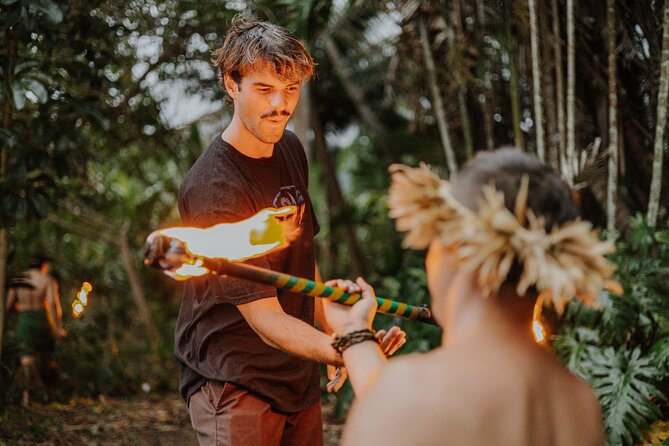
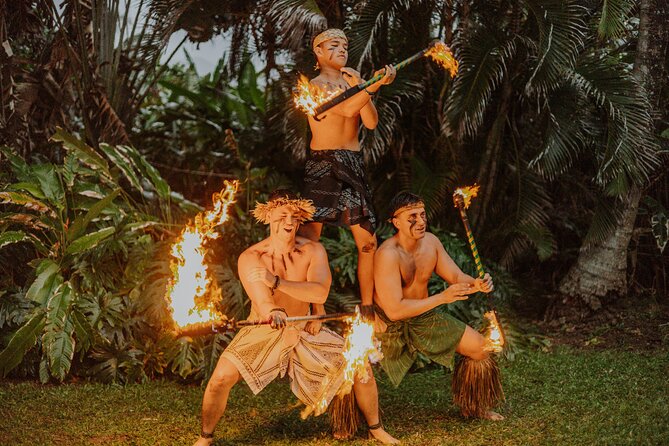
After the cooking prep and hands-on crafts, the program shifts toward entertainment, including the Samoan fireknife dance and fireknife drumming. This is a big draw, and it works because it’s tied to rhythm and performance, not just stage spectacle.
Fireknife dance is intense to watch. The drumming supports it, and you’ll likely get a better sense of how movement and sound connect. Also, because the day already taught you about process and land, the performance lands with more weight. It’s not separated from the rest. It’s part of the broader cultural showing.
Practical tip: plan for an evening where you might stand or shift your position to see. Wear something comfortable for movement. Even if you’re sitting sometimes, you’ll want flexibility for pictures and for staying oriented to the action.
Dinner From The Imu And Fat Poi: What You Actually Get
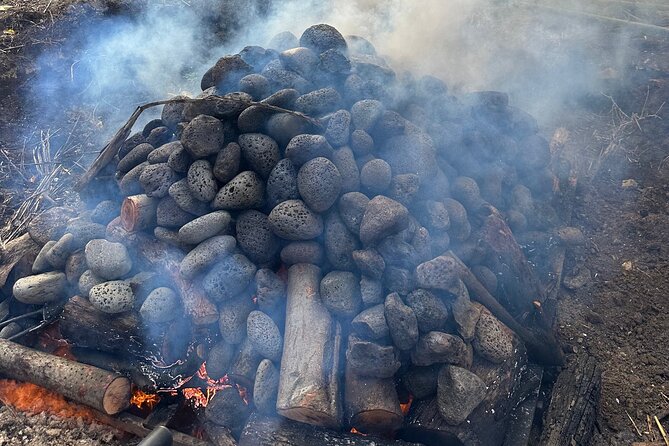
This is a luau, so yes, you’ll eat. After the activities, the hosts open the Imu and serve traditional Hawaiian food. You also get additional catered food from Fat Poi, which gives the meal more variety than a single dish set.
The big value in the food section is timing and context. You helped prepare the oven, so when it opens, you understand the transformation from raw ingredients to cooked dishes. That makes the meal feel connected to what you did earlier.
What about taste? Based on the feedback, the food quality is a frequent highlight—people talk about it with words like ono and they mention it as a reason they’d return. That’s a good sign. You’re not paying just for a show; you’re paying for a meal you’ll actually remember.
If you have strong dietary restrictions, the information provided here doesn’t spell out options. I suggest you contact the operator before booking if you need a specific accommodation.
Price And Value: Is $175 Worth It?
The price is $175.00 per person for about 2 hours 30 minutes, and the experience uses mobile tickets. That duration is long enough to include multiple hands-on activities plus dinner, but not so long that you feel like you lost a whole afternoon.
Here’s how I judge the value: you’re paying for participation plus food plus cultural education. Many cheaper luau options focus on the stage show and serve dinner with less involvement. This one adds several skill-based stations: the Imu preparation, lei weaving, and kalo pounding into poi. Then it tops it off with fireknife dance and drumming.
Also, the group size is capped at 50. That tends to improve the host-to-guest interaction. It’s easier to get help during crafts. It’s easier to hear what’s being taught. It’s easier to keep the vibe relaxed, rather than rushed.
One extra indicator: the experience is booked quite far in advance on average. That often means demand stays steady, especially for families and evening slots. If this is on your shortlist, don’t wait until the week before.
Timing, Weather, And The Small Details That Matter
The start time is 4:00 pm, and the experience runs about 2.5 hours. Because it depends on good weather, you should treat it as a plan that might need flexibility. If conditions are poor, it can be canceled with a full refund or offered a different date. That’s a fair approach for an outdoor setting.
What should you wear? Comfortable shoes, because you’ll likely move between stations. Bring a layer if you run cold in evenings. And if you’re sensitive to insects, consider bug protection. Hawaii weather can be lovely and still bring pesky little visitors.
Don’t overpack. You want to focus on hands-on tasks, pictures, and eating. A small bag you can manage is ideal.
Who This Luau Suits Best (And Who Might Skip)
This is ideal if you want a luau that feels like doing, not watching. You’ll fit in especially well if you like cultural explanations, food-making, and activities that give you a take-home memory you created yourself (like a Ti leaf lei). Families are a strong match here—people specifically mention kids having a blast and a shared family vibe.
You might consider another option if:
- You hate getting involved in messy, hands-on tasks.
- You’re looking for a fast, purely entertainment-only evening with minimal participation.
- Your schedule can’t handle the possibility of weather changes.
For most visitors, the format is exactly the sweet spot. It’s a dinner experience that teaches, so you’re leaving with more than a performance memory.
Should You Book? My Practical Take
I’d book this if you want a luau that actually teaches through participation. The strongest pull is that you help prepare the Imu, make a Ti-leaf lei, pound kalo into poi, and then enjoy a meal tied to the process. Add the fireknife dance and drumming, and you get both action and education without it feeling like a lecture.
Skip it only if you’re expecting a traditional sit-down show with no hands-on parts. Otherwise, the value stacks up: a real meal, multiple cultural activities, a capped group size, and a small-group feel that keeps the experience personal.
If you’re on the fence, use this checklist: Are you willing to get your hands involved? Do you enjoy learning why food and rituals matter? If yes, this is a strong pick for your Oahu time—especially if you want something more grounded than a standard stage-and-supper night.
FAQ
Where is the meeting point?
You’ll meet at 53 Puhuli St, Hauula, HI 96717, USA.
What time does the experience start?
Start time is 4:00 pm.
How long is the experience?
It runs about 2 hours 30 minutes.
What’s the price per person?
The price is $175.00 per person.
Will I need to print a ticket?
No. This experience uses a mobile ticket.
How large are the groups?
The maximum group size is 50 travelers.
What kind of food is included?
You’ll be served traditional Hawaiian food, including food prepared from the Imu and additional catered food from Fat Poi.
Is the experience affected by weather?
Yes. It requires good weather, and if it’s canceled due to poor weather, you’ll be offered a different date or a full refund.
What is the cancellation window?
You can cancel for a full refund up to 24 hours before the experience’s start time.
Are service animals allowed?
Yes, service animals are allowed.