REVIEW · OAHU
Hawaiian Parasail Since 1977 from Waikiki Beach
Book on Viator →Operated by Hawaiian Parasail Inc · Bookable on Viator
Parasailing over Waikiki feels like flying. You’re going up with a long-running Oahu operator, Hawaiian Parasail Inc. (since 1977), and you’ll get sky-high views of Waikiki Beach and Diamond Head from up to 500 feet. They use a harness method designed for a softer, drier take-off and landing from and on the boat, with the captain able to choose a water touch or a fully dry ride depending on the weather.
What I like most is the feel of a smooth, controlled ride: you’re strapped in with a harness and life jacket from the start, and the crew runs things with clear, practical guidance. The second big win is the scenery window. Waikiki and Diamond Head look totally different from above, and your airtime can stretch based on how the line is set.
One consideration: this is weather-dependent and not a casual activity for everyone. If you’ve had recent surgery, certain nerve/brain/spinal issues, or mobility limitations, it’s not recommended—and the ride can include a water touch if conditions allow.
In This Review
- Key highlights worth planning for
- Waikiki Parasailing with Hawaiian Parasail: the big idea
- First up: meeting point and how the timing usually feels
- The ride setup: harness method, life jacket, and what that means
- Views you can actually recognize: Waikiki and Diamond Head from above
- Water touch vs fully dry: how the captain makes the call
- The crew dynamic: calm instructions and small-group control
- Price and value: is $45 worth it?
- What to do (and not do) before you go
- Who this parasail trip is best for
- Getting the most out of your 1-hour flight
- Cancellation and weather reality (the part most people gloss over)
- Should you book Hawaiian Parasail in Waikiki?
- FAQ
- What height do you reach on the parasailing ride?
- How long does the experience take?
- Is the ride always dry?
- What’s included in the price?
- Are photos included?
- Where do I meet, and where do I return to?
- What’s the minimum age?
- Do I get a refund if it’s canceled due to weather?
Key highlights worth planning for
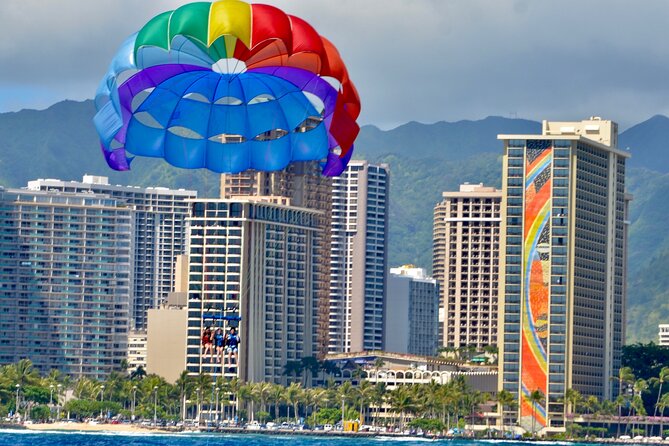
- Since 1977 parasailing, not a pop-up operation
- Soft, dry harness takeoff and landing from the boat
- Up to 500 feet over Waikiki with Diamond Head views
- Captain chooses water touch vs fully dry based on weather
- Small group size, maximum 11 people
- Photos not included, so bring your own ready-for-the-sky phone habits
Waikiki Parasailing with Hawaiian Parasail: the big idea
If you’re in Waikiki and you want a real wow moment without a full day commitment, parasailing is one of the most efficient choices. You get a high vantage point over Oahu’s most famous shoreline, and the whole experience is built around a straightforward flow: check in, get harnessed, go up, then come back down and back to where you started.
I also like that this one is run by a company with serious time in the game. Hawaiian Parasail Inc. has been operating since 1977, and that longevity matters in a hands-on activity like this. A crew that’s been doing it for decades tends to focus on the basics: fit, safety, smooth handling, and keeping everyone calm.
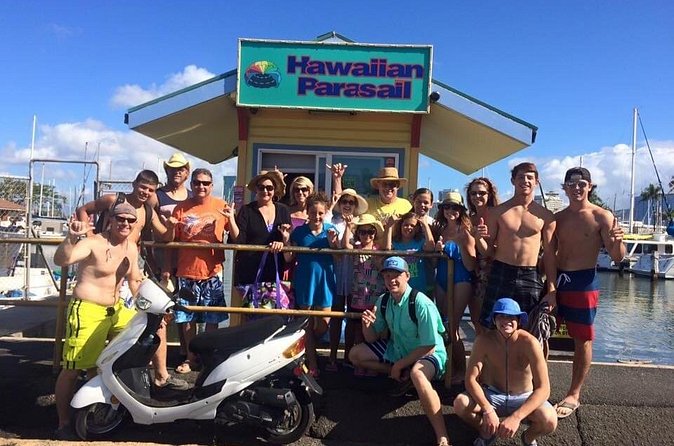
And because it’s based in Waikiki, you don’t need to wrestle with a long transfer. Your meeting point is at 1651 Ala Moana Blvd Parking, and the activity ends back at the same location, which makes planning easier when you’ve got limited time.
You can also read our reviews of more tours and experiences in Oahu.


First up: meeting point and how the timing usually feels
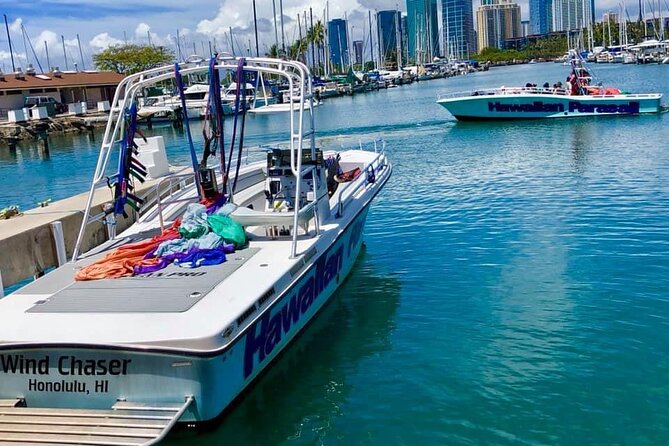
You’ll start and end at the meeting area at 1651 Ala Moana Blvd Parking. The duration is about 1 hour (approx.), so this isn’t the kind of activity that eats your whole day. It also makes sense for a first experience: you can try it early in the trip without feeling like you’ll be stuck with it if you decide you’re not feeling the “in the air” part.
The fact that it uses a mobile ticket is also practical. You don’t have to chase down paper confirmations, and you can keep everything on your phone until it’s time to check in.
One small but real planning tip: since this experience requires good weather and the ride can be adjusted, I’d avoid scheduling it as the one and only “must-do” on a day with shaky skies. If the operation is canceled due to weather, you’ll be offered a different date or a full refund—so you want to stay flexible.
The ride setup: harness method, life jacket, and what that means
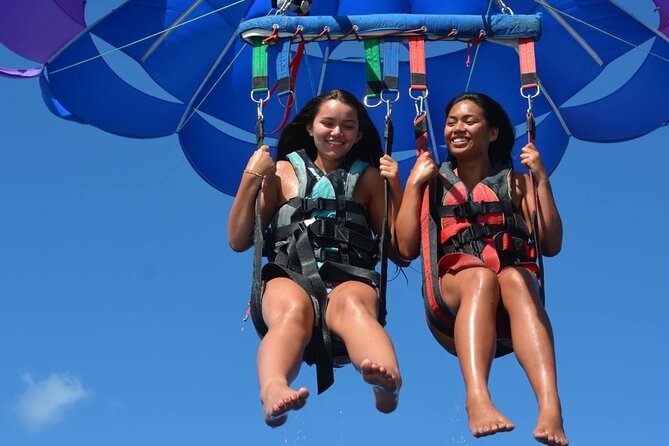
Included with your flight are a life jacket and harness. That’s not just a safety checkbox; it changes how the experience feels.
Parasailing usually has two big emotional stages: the moment you’re lifted and the moment you realize you’re staying up there. The harness method here is designed for a softer, drier take-off and landing from and on the boat. In plain terms, you’re not relying on a bumpy launch. The goal is a smooth transition so your brain doesn’t spend the first 30 seconds panicking.
The ride also has a cap: each tandem or triple flight is a maximum of 500 feet altitude. That’s high enough to feel like you’ve left the island behind, but it’s not so high that you’re dealing with extreme altitude effects for most people. Airtime varies depending on the length of the line, so if you want a longer feeling, be aware that your actual “up there” time can change.
Views you can actually recognize: Waikiki and Diamond Head from above
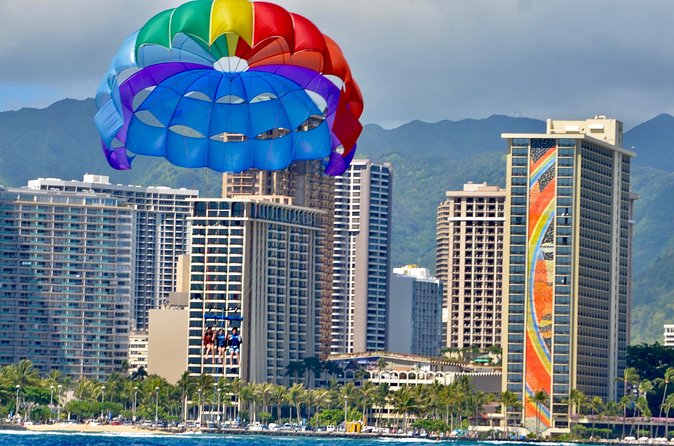
This is the part you remember. From the air, Waikiki isn’t just a beach—it’s geometry. You can pick out coastline shape, the hotel strip, and where the ocean changes tone. And then there’s Diamond Head. From sea level, it’s a landmark. From above, it becomes a huge, readable form, and it’s easier to understand how Waikiki sits against it.
If you like photography, you’ll likely find this view is more “browsable” than you expect. You can orient yourself fast, then keep shooting while you’re stable. If you care less about photos and more about the feeling, the same thing applies: you get a clean, high “from here to there” perspective.
Water touch vs fully dry: how the captain makes the call
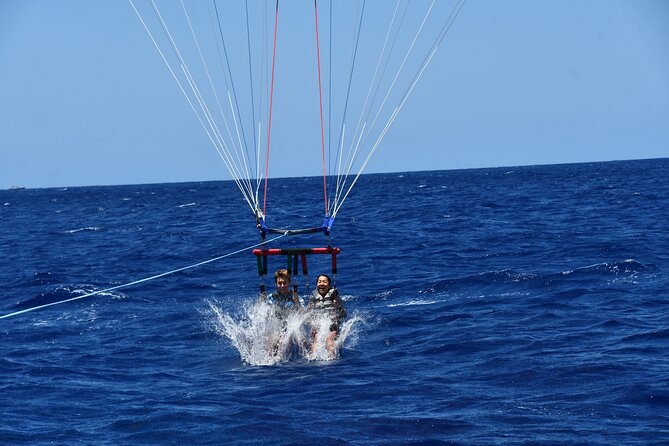
One of the more interesting details is that you can get either:
- a water touch, or
- a completely dry ride
The choice is up to the captain and depends on the weather. This matters because water touch isn’t guaranteed, and it also isn’t a “surprise splash” for everyone at random. It’s a weather-based decision.
A practical takeaway from the on-the-ground guidance I’d strongly suggest: don’t bring anything you don’t want to risk getting wet. One of the standout bits of advice from people who did the experience is exactly that—think like a person about to go over water, because that’s the environment you’re playing in.
If you’re the type who hates wet gear or doesn’t want to deal with splashes, lean into the dry option when you can, but accept that the captain’s decision is tied to safety and conditions.


The crew dynamic: calm instructions and small-group control
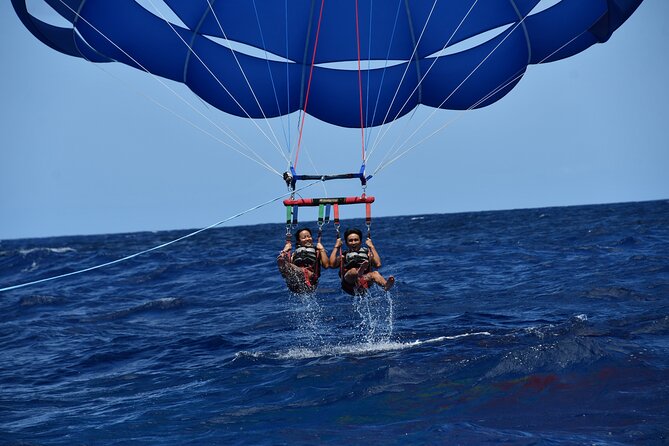
This kind of activity runs on people doing the right things at the right time—straps secured, boat movement handled, and directions followed. One reason this experience scores so well is the crew tone. The captains and crew are described as really helpful and great at putting people at ease.
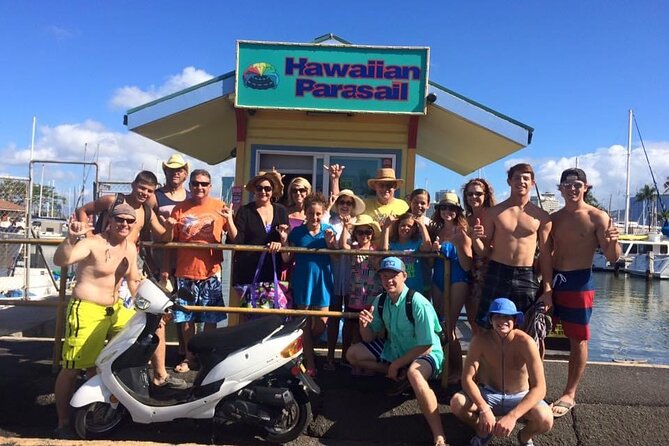
And the group size matters here: the maximum is 11 travelers. That’s small enough that you’re not lost in a crowd, but big enough to make it feel like a shared adventure. In a moment like parasailing, smaller groups often mean quicker help if you have a question about fit or comfort.
Price and value: is $45 worth it?
At $45 per person, parasailing here sits in the value zone for a “wow” activity—especially because you’re not just getting a short photo moment. You’re up in the air with a meaningful height cap (up to 500 feet) and a window that includes recognizable landmarks like Waikiki and Diamond Head.
The trade-off is what’s not included: photos service. If your “I want proof” plan depends on a provided photo package, you’ll need to budget extra or make sure you’re comfortable taking your own. But if you’re mainly buying the experience and views, the price can feel fair for the time involved.
Also worth noting: you should expect good-weather requirements. That can make the “value” depend on how your schedule and weather line up. If you’re flexible and pick a good forecast window, you’re more likely to get your money’s worth without stress.
What to do (and not do) before you go
Because you’ll be harnessed, and because it’s an activity over water, a little preparation makes the difference between “smooth” and “messy.”
Here’s what I’d plan around:
- Dress for warm beach air, but assume you could get wet if you land with a water touch.
- Bring only what you’re willing to protect or get damp.
- If you’re over 250 lbs, you should fit properly into the belt of the harness to fly. Don’t treat that as a vague note—plan on following the harness-fit requirement.
- If you’re sensitive about slipping or discomfort, focus on stable clothing and be ready for a harness fit check.
Your physical fitness level should be moderate. And if you have recent injuries, surgery within the last 6–8 months, or neurological conditions involving heart/brain/spinal cord, this is specifically not recommended.
Who this parasail trip is best for
This is a great fit if you want:
- a high-impact view without a full-day commitment,
- an activity where the logistics are simple (meet, harness, fly, return),
- and a ride that can be dry or have a water touch depending on conditions.
It’s also a good pick for people who appreciate a long-running operator. Running since 1977 suggests practiced routines and a crew used to handling different comfort levels.
This is not a great fit if you:
- have mobility issues or conditions that limit movement,
- have had recent surgery or significant injury,
- have certain serious illnesses (like heart condition, stroke history, epilepsy, severe high blood pressure, nerve system issues),
- or have specific neurosurgery history like heart, brain, or spinal cord procedures.
For families: you must be at least 5 years old. Parents must sign the liability waiver for kids under 17, and if a juvenile is 15 or under, a parent or guardian must accompany them.
Getting the most out of your 1-hour flight
You can’t control the line length, and you can’t control weather. But you can control your mindset and your readiness.
I’d treat it like a short, guided experience rather than a long excursion. When you get onboard and fitted, listen closely. The crew guidance matters because the goal is smooth takeoff and landing with the harness method, and you’ll feel much more confident if you follow instructions without overthinking.
Then when you’re airborne: pick one “anchor” landmark to focus on first—Diamond Head, then Waikiki. Once your brain has a reference point, everything feels easier. And if you’re going for photos, be quick. The best shots usually happen when you’re stable and clear enough to frame without rushing.
Cancellation and weather reality (the part most people gloss over)
This experience requires good weather. If the operator cancels due to poor weather, you’ll be offered another date or a full refund. Cancellations are free up to 24 hours before the start time, and within 24 hours there’s no refund.
That means you should watch forecasts, but also plan your day so you’re not stuck in “no plan B” mode. The whole point is to enjoy the ride, not to stress because the ocean decided to be moody.
Should you book Hawaiian Parasail in Waikiki?
I’d book it if you want a straightforward Waikiki activity that delivers landmark views quickly. The combination of long-running experience since 1977, a harness method aimed at soft/dry handling, and the chance for either a dry ride or water touch makes this feel like a real, flexible option for most healthy adults and kids 5+.
I wouldn’t book it if you fall into the “not recommended” health or mobility categories, or if you need a totally dry, zero-water environment. Also, if you’re expecting included photos, adjust your expectations since photos service isn’t included.
If you can travel with a bit of weather flexibility and you’re okay with the water being part of the equation, this is one of those simple Waikiki wins that tends to pay off fast.
FAQ
What height do you reach on the parasailing ride?
Each tandem or triple flight has a maximum altitude of 500 feet.
How long does the experience take?
The experience is about 1 hour (approx.).
Is the ride always dry?
Not always. The captain can choose a water touch or a completely dry ride depending on the weather.
What’s included in the price?
Life jackets and harness are included.
Are photos included?
No. Photos service is not included.
Where do I meet, and where do I return to?
You meet at 1651 Ala Moana Blvd Parking and the activity ends back at the same meeting point.
What’s the minimum age?
Participants must be 5 years old and over.
Do I get a refund if it’s canceled due to weather?
Yes. If it’s canceled due to poor weather, you’ll be offered a different date or a full refund.