REVIEW · HONOLULU
Oahu: Surf Lesson
Book on GetYourGuide →Operated by The surfing sensei LLC · Bookable on GetYourGuide
Ala Moana’s north end is a smart place to learn. This 90-minute beginner surf lesson mixes basics on land and short time in the water, plus a 2-student-to-1-instructor setup that keeps coaching close. You also get GoPro cameras, so you can study your stance later and share the footage.
Two things I really like are the small group size and the capture-it-all approach. With a max group of 5 and boards/leashes/rashguards/reef shoes included, you spend less time figuring stuff out and more time actually riding waves. The GoPro cameras mean you’re not stuck trying to hold a phone while you’re learning.
One possible drawback: it’s not for everyone. This lesson isn’t suitable for non-swimmers, people prone to seasickness, pregnant women, kids under 10, or anyone over 230 lbs, and low fitness can make the water time harder.
In This Review
- Key takeaways before you paddle out
- Why Ala Moana’s North End Makes Sense for Your First Lesson
- What Happens in the 90 Minutes: The Real Learning Flow
- 1) Gear on, mindset set, then the beach review
- 2) One hour of surfing practice (not just “standing on a board”)
- 3) Capture the moment with GoPro cameras
- The Instructor Setup: Why the 2-to-1 Ratio Helps
- Equipment and Comfort: What’s Included (and why it matters)
- Surfing Without Waikiki Energy: What That Changes for Beginners
- Weather, Ocean Time, and Your Best Plan
- Who This Is For (and Who Should Skip It)
- Price and Value: Is $125 for 90 Minutes Worth It?
- Language and Communication: Getting Corrections You Can Use
- Practical Tips to Make Your Lesson Better
- Should You Book This Oahu Surf Lesson?
Key takeaways before you paddle out
- Small group coaching: limited to 5 participants with a 2:1 student-to-instructor ratio
- Beginner-focused progression: beach review first, then one hour of surfing
- Ala Moana, not Waikiki: surf without the usual Waikiki crowd vibe
- All gear handled: boards, leashes, rashguards, and reef shoes included
- GoPro cameras included: you get video memories of your waves and attempts
- Rain or shine: plan around ocean time no matter the weather
Why Ala Moana’s North End Makes Sense for Your First Lesson
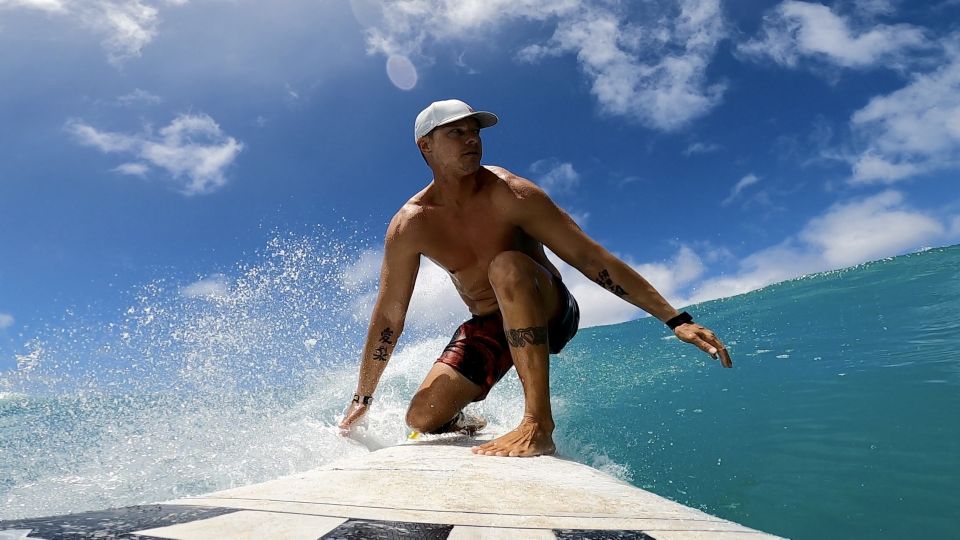
If your main goal is learning to surf, location matters more than people think. Ala Moana’s north end setting is billed as a way to surf on Oahu without the Waikiki crowd, and that’s a real advantage when you’re new. A busy, chaotic beach can make it harder to focus on simple skills like paddling rhythm and standing up with confidence.
This is a short lesson by design: 90 minutes total, with about one hour actually in the water after a beach warm-up. That pacing works well for beginners because you’re not stuck out there long enough to fatigue, but you still get enough attempts to feel progress.
The meeting point is clear too: the north end of Ala Moana Beach Park by the volleyball courts and showers. When a lesson has a straightforward meetup, you show up ready instead of spending precious time hunting for the right crew.
You can also read our reviews of more tours and experiences in Honolulu

What Happens in the 90 Minutes: The Real Learning Flow
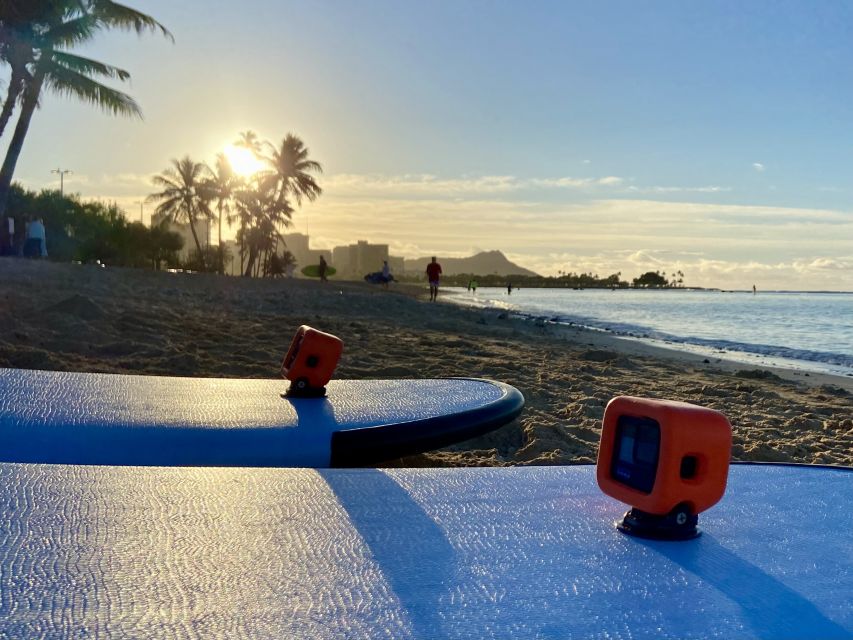
This lesson is built around a simple, beginner-friendly pattern: teach the basics, practice them immediately, and then do another wave attempt with better habits. Here’s how the flow breaks down.
1) Gear on, mindset set, then the beach review
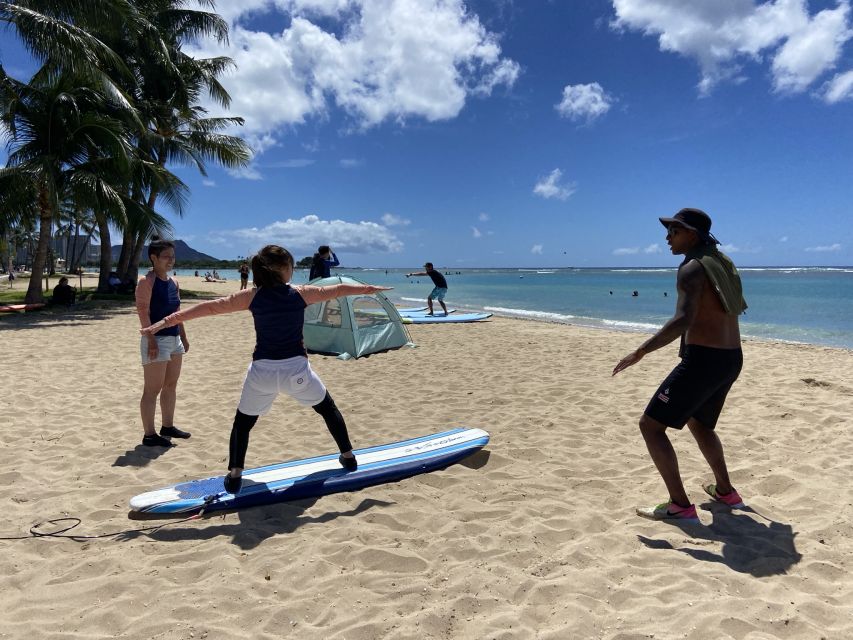
Before you hit the water, you’ll start with a beach review of surfing basics. That matters because surfing isn’t just standing up; it’s a chain of small actions that have to happen in order. Even if you’re excited, your first success will come from learning what to do before you pop up.
The key topics you’ll be working on start with:
- Paddling: learn how to paddle efficiently and get into the right position
- Standing up: foot placement and balance so your pop-up is more repeatable
- Water safety: how to navigate waves and respect the ocean
That safety piece is important. Surfing is fun, but you still need to understand what’s going on with the water around you. A good lesson won’t just throw you in and hope for the best.
2) One hour of surfing practice (not just “standing on a board”)
After that beach check-in, you’ll surf for one hour. This is where you connect the dots: paddling helps you get into position, proper balance helps you stand, and safety rules help you move with the waves instead of fighting them.
For beginners, the best part of a structured water session is repetition. Even if you only stand up a few times at first, each attempt teaches you something specific: when to paddle harder, when to stop, how to react when a wave hits slightly differently than expected.
3) Capture the moment with GoPro cameras
You’ll also have the GoPro cameras provided so the “did it work?” moments don’t vanish. The highlight here is simple: you can focus on surfing while the footage records your attempts. Then you can rewatch and see patterns you might miss while you’re busy balancing on a moving board.
This is a big deal for first-timers. When you’re learning, you don’t always know what your body is doing. Video turns your random tries into something you can actually improve from.





The Instructor Setup: Why the 2-to-1 Ratio Helps
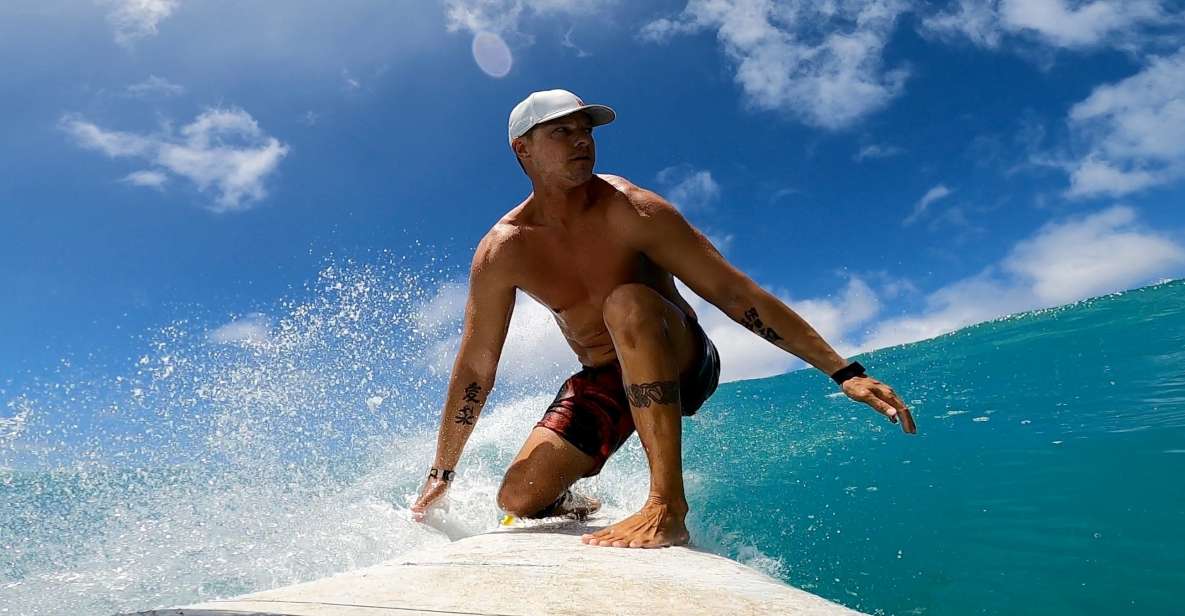
This experience is limited to up to 5 participants, and the coaching style is built around a 2 students to 1 instructor ratio. That’s a practical sweet spot. It’s small enough that you’re not waiting your turn to get corrected, but it’s large enough to keep the flow moving.
In a lesson, the biggest risk for beginners is “almost.” You might get close to the right stance, or you might paddle at the right time but not with the right technique. With a higher student-to-instructor ratio, those small fixes often get lost.
With this setup, you can expect more direct guidance on the basic mechanics:
- paddling technique
- foot placement during the pop-up
- how to position yourself for the next try
Instructor language is listed as Japanese, Korean, and English, so you should feel more comfortable communicating what you’re struggling with. One instructor name that shows up in feedback is John, and his teaching gets singled out for being very helpful and knowledgeable in how he explains the process and improves the experience.
Equipment and Comfort: What’s Included (and why it matters)
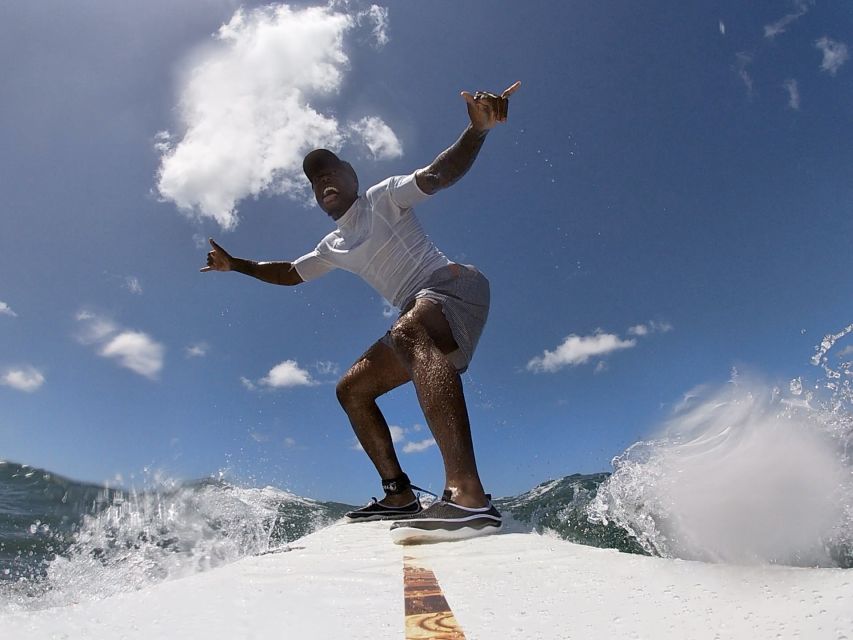
The lesson includes the stuff you’d otherwise have to rent or buy. That keeps the experience simple and helps you avoid the common first-timer problems, like showing up with the wrong footwear or not having a rashguard for board contact.
Included gear:
- Surfboards
- Leashes
- Rashguards
- Reef shoes
- GoPro cameras
Here’s what those items mean in real terms. Rashguards help with friction and surf cleanup. Reef shoes give you traction and foot protection, which matters when you’re stepping around near the water’s edge. Leashes are non-negotiable safety gear because they keep your board close when you wipe out.
If you’re traveling light, this package is also a convenience win. You’re paying for the lesson plus the basics, not paying extra to piece it together.
Surfing Without Waikiki Energy: What That Changes for Beginners
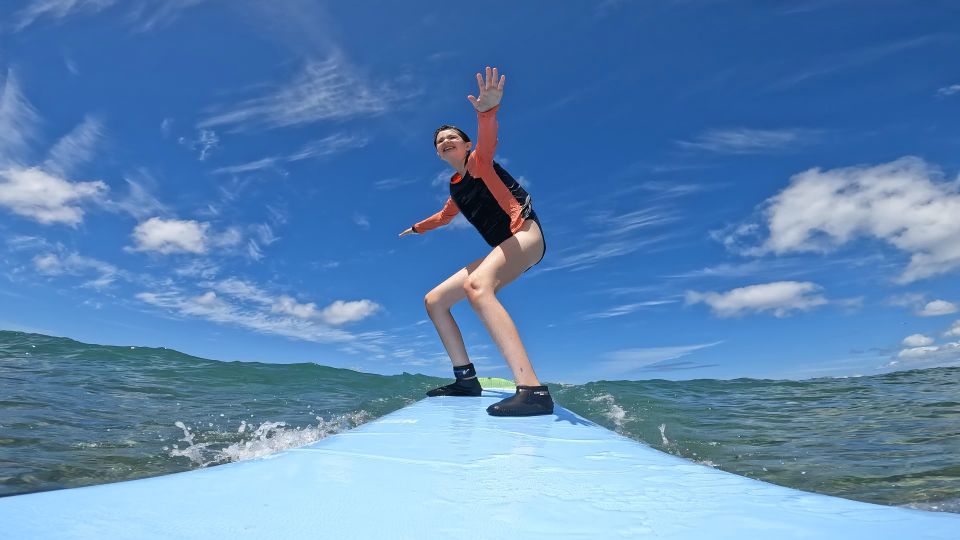
The highlight here is surf in Hawaii without the Waikiki crowd. That’s not just about comfort. It affects learning conditions.
When beaches are crowded, it can create more interruptions: people in the way, more noise, and more chaos in wave sets. For a first lesson, you want calmer conditions where you can pay attention to coaching cues and try repeatedly without constantly resetting.
A smaller, more focused setup also tends to keep your energy steadier. You can stay relaxed enough to practice paddling and pop-ups, and that’s when technique starts clicking.
Weather, Ocean Time, and Your Best Plan
This experience runs rain or shine. That means you should treat it like a real ocean activity, not a casual “maybe we go” plan. If the weather is iffy, the ocean can still be active, and you’ll still be expected to follow safety guidance.
Your best move is to dress for the water, not for the forecast. Bring whatever you normally use for ocean days, like a towel for after and sun protection if you have it. Since reef shoes and rashguards are included, you can keep your packing list shorter.
Who This Is For (and Who Should Skip It)
This lesson is perfect for beginners or anyone wanting to refine basics. But it’s not designed as a casual float-and-try activity.
Not suitable for:
- children under 10
- pregnant women
- people with mobility impairments
- non-swimmers
- people prone to seasickness
- people over 230 lbs (104 kg)
- people with low level of fitness
If any of those apply to you, it’s worth choosing a different kind of activity for safety and comfort. Surfing involves physical effort, balance, and wave conditions. If you’re already aware you might struggle with stamina or ocean motion, you’ll get a better experience elsewhere.
On the flip side, if you’re fit enough to paddle and stand up repeatedly, and you’re comfortable in the water, this is a great way to start. The pacing and the small-group format help you keep learning instead of just surviving.
Price and Value: Is $125 for 90 Minutes Worth It?
$125 per person is not cheap, but this lesson prices like a real guided activity, not a casual rental. What makes it feel more reasonable is what’s included and how coaching is structured.
You get:
- a 90-minute guided session
- a beach review plus one hour surfing
- surfboards, leashes, rashguards, and reef shoes
- GoPro cameras to capture the experience
- a small group capped at 5 with a 2:1 ratio
For first-time surfers, the biggest value isn’t just riding—it’s getting the right habits early. If you don’t learn paddling technique, stance, and basic safety, you can spend lots of time renting gear with little improvement. Here, you’re paying for instruction that can shorten your learning curve.
If you’re a traveler who likes photos and footage, the GoPro cameras are also a value driver. You can rewatch what you did and compare attempts. That turns the lesson into more than one hour of fun.
Language and Communication: Getting Corrections You Can Use
Because instruction is available in Japanese, Korean, and English, you’re more likely to understand the cues that matter. When you’re new, half the battle is understanding what to do next—fast.
If you’re not confident in surf vocabulary, don’t worry. Focus on watching the instructor cues and repeating the same movements. Surf learning is visual and physical, and the ratio helps because you can get feedback without the group waiting in a long line.
Practical Tips to Make Your Lesson Better
Based on how these lessons typically run (and this one’s structure), here’s how to set yourself up for a smoother session.
- Arrive at the meeting point with time to check in at the north end of Ala Moana Beach Park by the volleyball courts and showers.
- Treat the beach review like the main course, not a warm-up. Your success in the water depends on it.
- Listen for cues about paddling and foot placement. Those two skills affect almost everything in a beginner lesson.
- Plan for wipeouts. You’ll fall in the ocean; that’s part of the learning. The best attitude is calm, reset, try again.
- Let the GoPro do the documenting so you can focus on balance and timing.
Also remember the lesson happens in the ocean and runs rain or shine. The better prepared you are mentally, the more you’ll enjoy the process.
Should You Book This Oahu Surf Lesson?
If you’re a beginner who wants real coaching, this is a strong choice. The small group size, the 2:1 ratio, and the lesson flow (beach basics first, then one hour surfing) are built for learning, not just trying. Add in the included gear and GoPro cameras, and it becomes a “do it once the right way” kind of experience.
I’d skip it if you’re a non-swimmer, prone to seasickness, pregnant, have mobility limitations, or you’re under 10 or over 230 lbs. In those cases, you’ll likely be uncomfortable and you could compromise safety.
If you’re fit enough to paddle and stand, and you want a memorable first surf session at Ala Moana’s quieter north end, this is worth booking.