REVIEW · HONOLULU
Honolulu: Liljestrand House Architectural Tour
Book on GetYourGuide →Operated by Liljestrand Foundation · Bookable on GetYourGuide
Honolulu has a mid-century secret worth touring. The Liljestrand House architectural tour is a 90-minute walk through Hawaiian modern design, led by a live guide who connects the house’s look to how it was meant to be lived in. You’ll also hear how the Liljestrand family’s friendship with architect Vladimir Ossipoff shaped the way the home feels today.
I love how the tour uses original details—furnishings and artwork—to turn architecture from theory into something personal. I also like the clear focus on Ossipoff’s design ideas, especially view management and the way natural materials work with the setting.
One heads-up: the house isn’t air-conditioned, and summer and fall heat can be intense. Plus, you’ll take your shoes off because of fragile wood floors—which is totally fine, just plan for it.
In This Review
- Key things you’ll appreciate on this tour
- Liljestrand House: 90 minutes of Honolulu design you can picture
- What you’ll learn from Ossipoff’s Hawaiian modern approach
- How the Liljestrand family and Ossipoff connection shapes the mood
- Original furnishings and artworks: the fastest way to understand design
- View management you can spot once the guide points it out
- The role of the Liljestrand Foundation in preservation
- Small group size and a live English guide: why it feels personal
- Practical rules: shoes off, no big gear, and staying comfortable
- Price and value: is $78 worth it for your interests?
- Who this tour fits best (and who should skip it)
- What to do before and after the tour
- Should you book the Liljestrand House Architectural Tour?
- FAQ
- How long is the Liljestrand House Architectural Tour?
- How many people are in a group?
- What’s included with the ticket?
- Is the house air-conditioned?
- Do I need to remove my shoes?
- Is smoking or vaping allowed?
- Can I cancel and get a full refund?
Key things you’ll appreciate on this tour
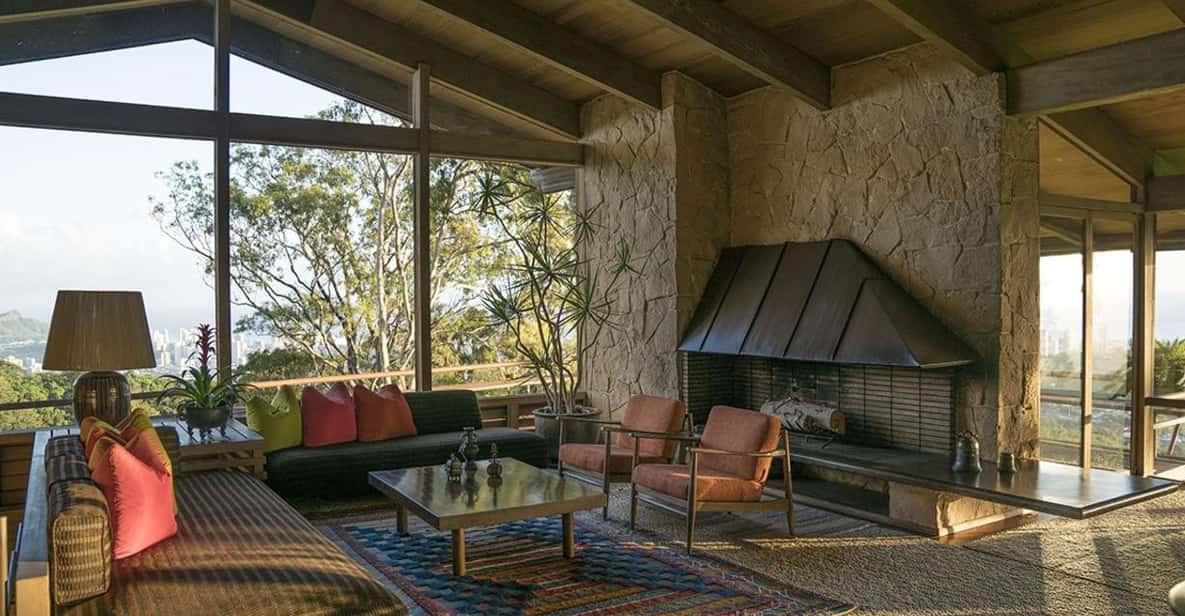
- A preserved mid-century house that’s kept for education and cultural sharing, not just for photos
- Design lessons in real rooms, with explanations tied to daily living and sightlines
- View management you can actually see, not just read about on a brochure
- Docent Perry’s firsthand perspective, including his connection to Ossipoff from his own life on the mountain
- Small-group format (up to 10 people) that keeps the guide’s answers on point
- Practical house rules that protect the property, including shoes off and limits on what you can bring
Liljestrand House: 90 minutes of Honolulu design you can picture
This is not a rushed “look-and-go” stop. The format is a compact 90 minutes with a small group capped at 10, which matters because architecture is slow thinking—you notice more when you’re not forced to shuffle past everything in silence. You’ll have time to ask questions and to connect the design choices to how the house works.
Even the basic premise is appealing if you like mid-century modern but want it explained with real context. This house is a celebrated example of architect Vladimir Ossipoff’s Hawaiian modern style, and the tour treats it like a study you can walk through. You’re not just seeing a pretty building; you’re learning the thinking behind it.
You can also read our reviews of more tours and experiences in Honolulu.



What you’ll learn from Ossipoff’s Hawaiian modern approach
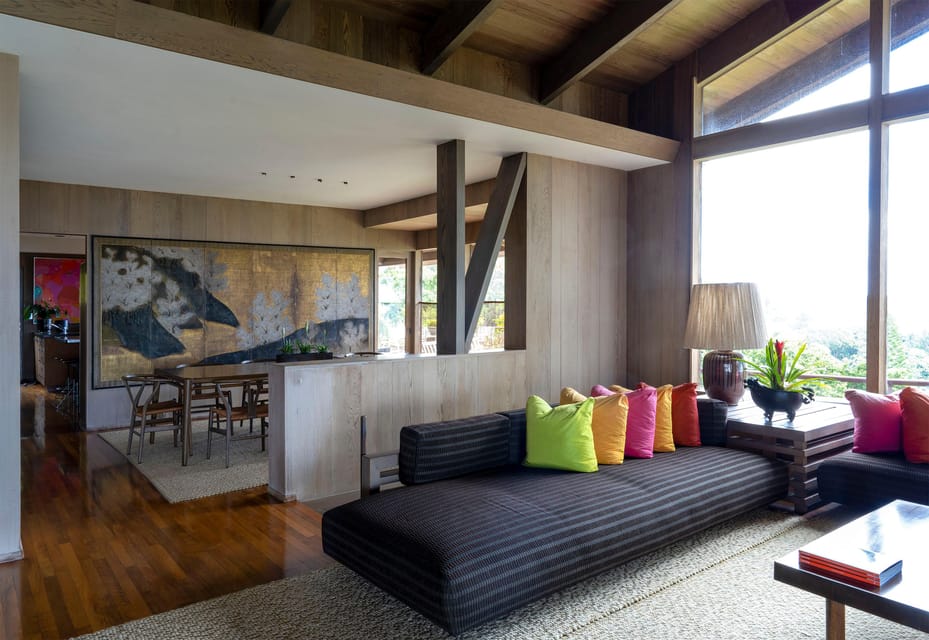
The heart of the tour is Ossipoff’s design principles and how they show up in the house’s everyday feel. The tour focuses on the way he handled view management—the controlled framing of what you see and when—and how he worked with natural materials so the interior doesn’t feel disconnected from the outdoors.
That combination is what makes Hawaiian modern architecture click for a lot of people. Instead of pushing everything inside or making rooms feel sealed off, the design aims for a stronger relationship with the surrounding environment. You’ll hear how the house’s layout supports that idea, and you’ll likely start noticing sightlines and transitions as you move from one area to the next.
How the Liljestrand family and Ossipoff connection shapes the mood
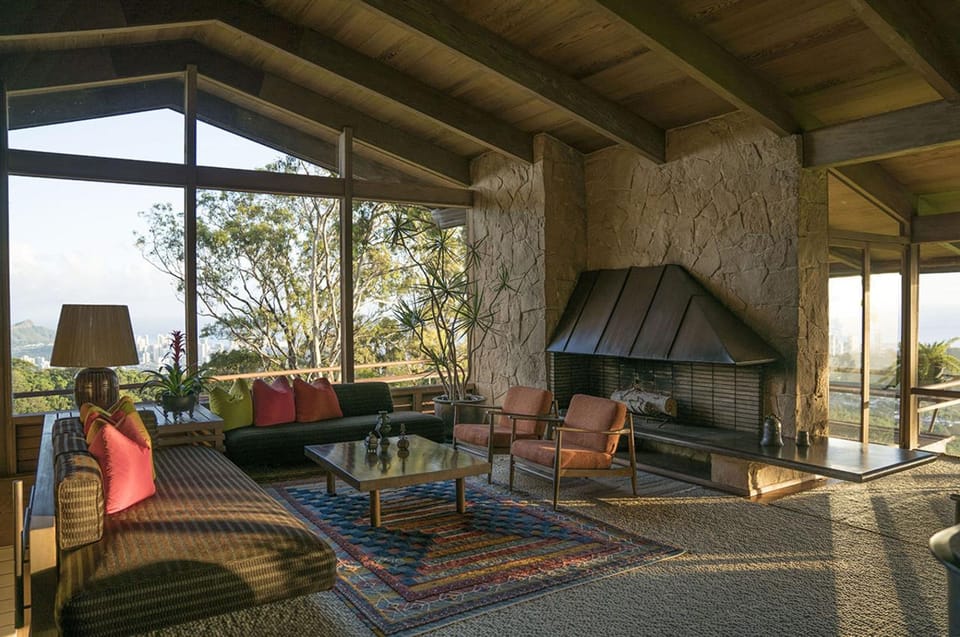
A good tour doesn’t just explain lines on paper. It explains why those lines mattered.
Here, you’ll get an intimate look at the Liljestrand family and their enduring friendship with Ossipoff. That storyline helps you understand the house as a lived-in environment, not a museum piece. When the guide connects design decisions to personal life, the home becomes easier to read—and more fun to walk through.
If you enjoy the human side of architecture, this is a real advantage. You’re basically learning the house the way the people inside it would have experienced it: through daily routines, the feel of materials, and the way spaces guide your attention.
Original furnishings and artworks: the fastest way to understand design
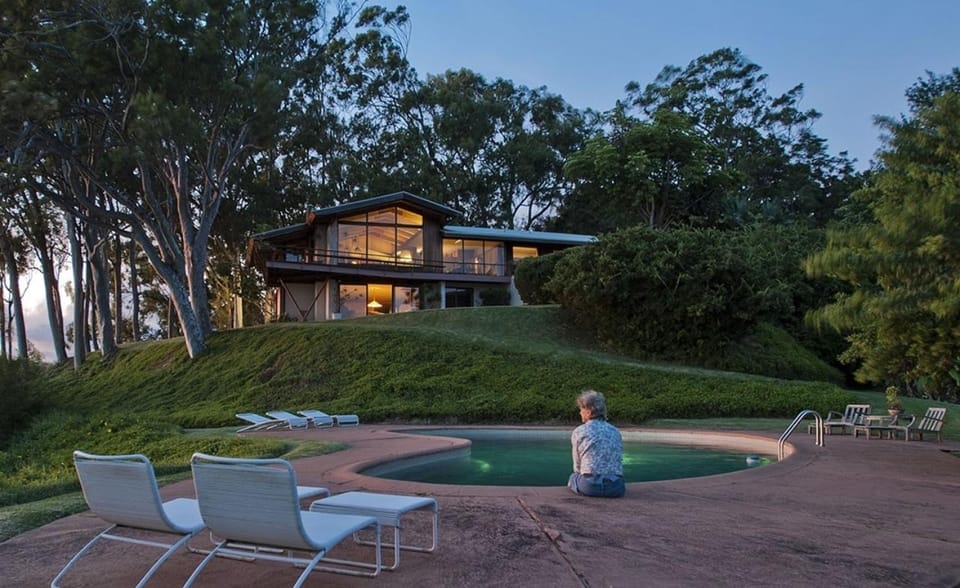
One of the most praised parts of the experience is the attention to original details. You’ll see how original furnishings and artworks are part of the story of meticulous design, not an afterthought.
This matters because mid-century houses can look simple from the sidewalk, but the interior is often where the real craft lives. Seeing how the belongings and art fit the layout helps you grasp why the house was designed the way it was. It’s the difference between looking at a diagram and walking through the living version.
The tour guide also helps you spot the small signals that architecture uses to guide people—how objects and spaces encourage movement, and how the design supports a certain kind of calm. If you like being able to explain what you see afterward, you’ll probably leave with a lot more to talk about than you expected.
View management you can spot once the guide points it out
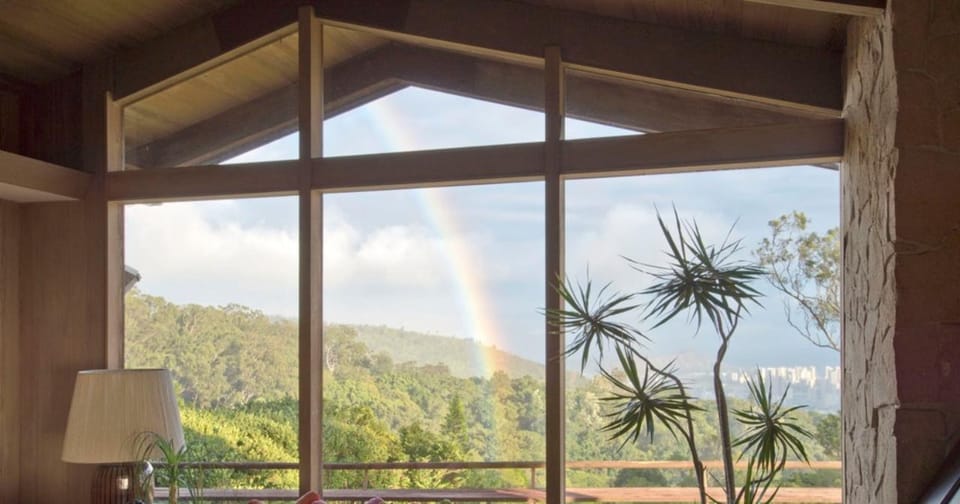
The tour’s focus on view management is a big deal, because it’s one of those concepts that sounds abstract until you experience it. You’ll learn how Ossipoff planned sightlines and how the house directs attention toward the outside world.
The practical value for you is this: once you understand the idea, you’ll start noticing it everywhere. You’ll see framing choices, angles, and how spaces connect to light and air. And because you’re standing inside the actual building, the explanation sticks faster than it would from a book.
This is also where a strong docent makes a difference. One standout comment from a recent verified booking was about Perry, the guide for that group, and his ability to share insight from lived experience—he even discussed having lived on the mountain and actually knowing Ossipoff. Even if you don’t remember every architectural term, you’ll remember that kind of personal connection.






The role of the Liljestrand Foundation in preservation
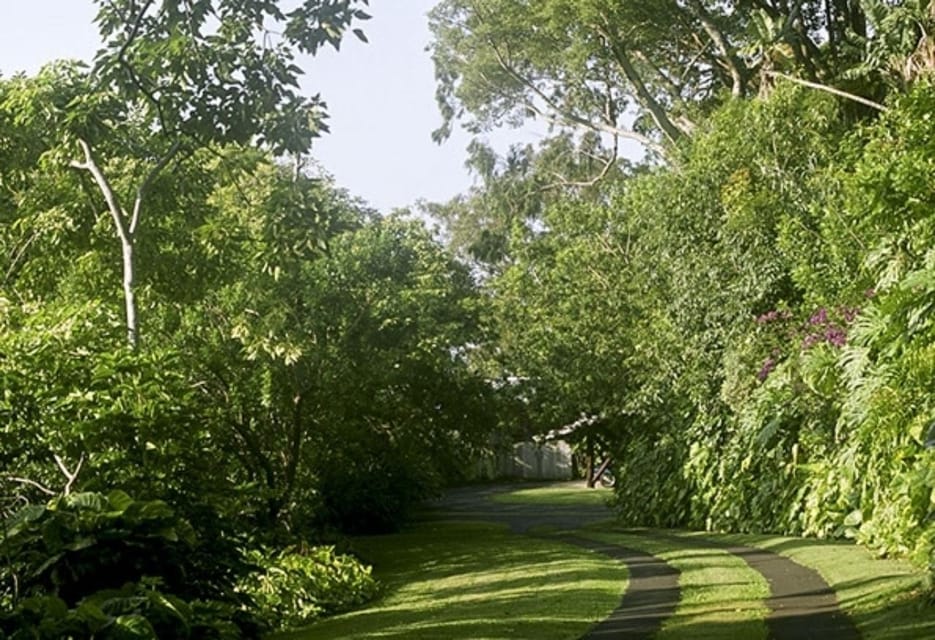
Your ticket doesn’t just buy access to a pretty house. It supports the mission behind opening it for educational and cultural enrichment.
The Liljestrand Foundation preserves the property, and the tour is part of how that preservation stays active. That gives the visit more weight than a standard photo stop. You’re seeing a functioning educational experience, with the house treated as something fragile and valuable—not just a backdrop.
If you care about why certain buildings survive, that angle is worth paying attention to. Mid-century architecture often gets threatened by renovations or redevelopment; a foundation-run preservation effort keeps the design readable for future visitors.
Small group size and a live English guide: why it feels personal
You’ll be with a live tour guide and a small group limited to 10 people. That’s a sweet spot for a house tour: large enough to have energy, small enough for questions to land.
Because the guide is speaking live in English, you also get real-time clarification, especially when you ask about why a certain design choice was made. In a subject like architecture, “because it looks good” isn’t enough—so it’s useful to have someone who can connect aesthetics to function and intent.
It also helps that the tour is 90 minutes. That’s long enough to slow down and notice details, but not so long that you’ll start tuning out. If you’re trying to fit architecture into a busy Honolulu day, this duration is manageable.
Practical rules: shoes off, no big gear, and staying comfortable
This tour has a few house rules, and they’re not there to be annoying. They protect the property and keep things safe.
- Remove your shoes due to fragile wood floors
- No smoking or vaping anywhere on site
- No pets, backpacks, large bags, tripods, extension poles, or selfie-sticks
- The house isn’t air-conditioned, and it can get quite hot in summer and fall
- Children under 10 aren’t suitable
For you, the biggest “plan ahead” items are the shoes and the heat. Wear easy slip-off footwear, and consider what you’ll do with your socks. If you’re visiting in warmer months, dress for heat even if you’re starting the day early.
Also think about what you’re bringing. If you show up with a backpack you want to keep on, you may feel rushed finding a workaround. With the restrictions on big bags and photography gear, it’s smart to travel light.
Price and value: is $78 worth it for your interests?
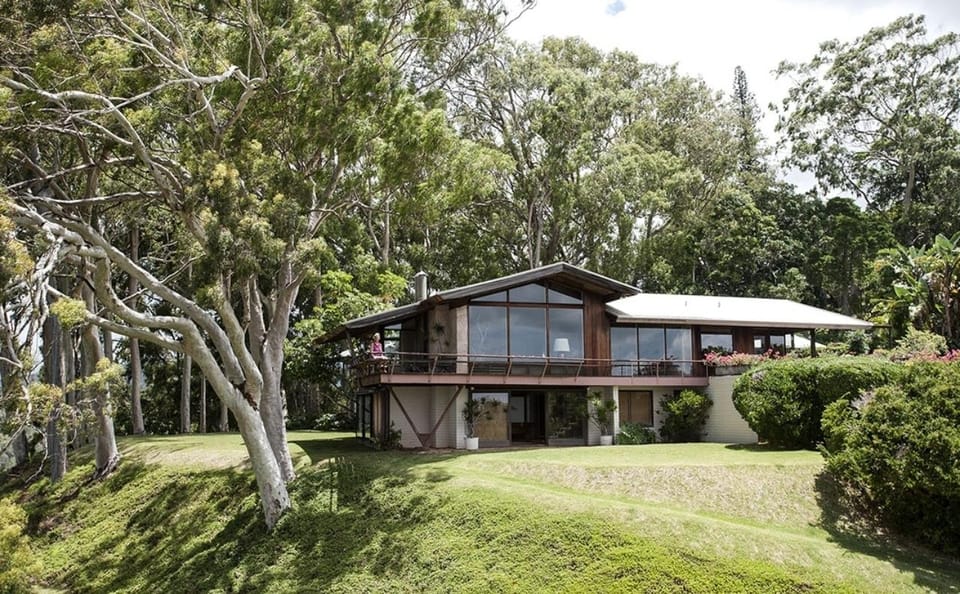
At $78 per person for about 90 minutes, this isn’t the cheapest thing to do in Honolulu. But it can be good value if architecture is your interest, or if you want a meaningful cultural stop that isn’t just shopping or sightseeing.
Here’s why it may feel worth it:
- You’re paying for a live guide plus access to a preserved, design-focused house
- The small group size can make the explanation more tailored
- You’re learning about Ossipoff’s principles like view management and natural materials in the exact place they were applied
- Your visit supports the Liljestrand Foundation’s preservation mission
If you’re the type who likes houses more as vibes than as design objects, you might still enjoy it, but you may get less out of the technical parts. On the other hand, if you’ve ever stared at mid-century design and wondered why it looks the way it does, this price starts to make more sense.
Who this tour fits best (and who should skip it)
This experience is a strong match if you want an honest, educational look at mid-century modern architecture in Honolulu. It’s also great for visitors who like being close to the details—furnishings, artworks, and the lived-in feel of preserved design.
It’s less ideal if any of these apply:
- You need strong climate control; the house isn’t air-conditioned and can run hot
- You don’t want to follow rules like shoe removal
- You’re bringing a child under 10
- You’re counting on bringing tripods or selfie-sticks
What to do before and after the tour
To get the most from the time inside, I’d treat it like a careful museum visit. Take a minute to look slowly before moving into the guide’s explanations, and then return to those same spots once the guide points out view management and material choices.
After the tour, you’ll probably see Ossipoff’s influence in your memory when you notice other architecture around town. Even if you don’t “spot” it perfectly, you’ll start understanding what designers were trying to do: control sightlines, connect inside and outside, and use materials in a way that feels appropriate for the place.
Should you book the Liljestrand House Architectural Tour?
I think you should book if you’re curious about how Hawaiian modern architecture works in real life, and if you enjoy learning from a guide who brings more than a script. The standout element here is the combination of a preserved house, focused design explanations, and small-group time with a live docent like Perry, who offered personal insight about Ossipoff.
Skip it if heat, shoe rules, or strict restrictions on gear will stress you out. This tour isn’t built for comfort-maxing; it’s built for preservation and education. If that trade sounds fair to you, it’s a memorable way to spend 90 minutes in Honolulu.
FAQ
How long is the Liljestrand House Architectural Tour?
The tour lasts 90 minutes.
How many people are in a group?
The group is limited to 10 participants.
What’s included with the ticket?
Your ticket includes entrance to the Liljestrand House and a tour guide.
Is the house air-conditioned?
No. The house isn’t air-conditioned and can get quite hot during summer and fall months.
Do I need to remove my shoes?
Yes. Because the wood floors are fragile, you’re asked to remove your shoes.
Is smoking or vaping allowed?
No. Smoking and vaping aren’t allowed.
Can I cancel and get a full refund?
Yes. You can cancel up to 3 days in advance for a full refund.