REVIEW · HONOLULU
First-Time Scuba Diving in Honolulu + Free Videos
Book on Viator →Operated by Try Scuba Diving-Honolulu · Bookable on Viator
A calm lagoon makes scuba feel doable. You get a real safety tutorial and gear fitting on the beach, then you practice underwater while your instructor stays close and captures your session on GoPro. I love the small-group feel, and I love that you leave with a take-home video instead of just memories. The main thing to consider: water clarity and the amount of marine life you see can vary with conditions, and one person even noted it felt more like a sheltered pool than open sea.
This is a low-stress way to try scuba with no certification needed. You start in waist-deep water to build confidence, then go to about 15 feet max, so it stays beginner-friendly. If you’re comfortable in the water and can walk with gear, you’re in the right place.
In This Review
- Key things I’d bookmark before you go
- Magic Island Lagoon to Ala Moana Beach Park: the practical start
- What the safety lesson feels like (and why it matters)
- The “try it” underwater part: from shallow confidence to marine life
- GoPro take-home videos and how you should think about them
- Price and value: why $89 can make sense
- What to wear and bring so you don’t waste your lesson
- Glasses and contacts: the key rule
- Tip money
- How “conditions” can change your day in Honolulu
- Who this scuba lesson fits best (and who should think twice)
- Quick “day of” checklist (so you stay relaxed)
- Should you book this Honolulu first-time scuba lesson?
- FAQ
- Do I need scuba certification to do this?
- How deep do we go?
- Do I need to know how to swim?
- What gear do you provide?
- Can I wear prescription glasses or contacts?
- Is there video included?
Key things I’d bookmark before you go
- Small group (max 16) means more attention and easier learning for first-timers
- Waist-deep practice first helps you get your breathing and buoyancy under control
- About 15 feet max depth keeps the experience approachable and controlled
- GoPro video included so you don’t have to manage a camera underwater
- Protected lagoon setting often keeps the experience calmer than open-water options
- Video is complimentary, but camera issues have no tour refund so be mentally set on “shared moments,” not guaranteed footage perfection
Magic Island Lagoon to Ala Moana Beach Park: the practical start
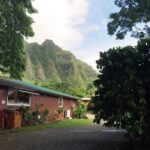
The whole experience is built around being simple from the moment you arrive. You meet at Magic Island Lagoon in Honolulu, then your activity is centered around Ala Moana Beach Park. Plan on being ready at the meeting point, because there’s no hotel pickup or drop-off listed.
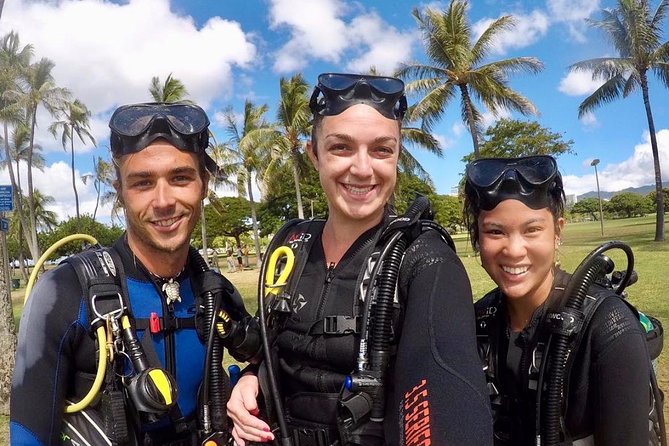
Once you’re there, the first step is gear fitting. You’ll get a wetsuit and the proper scuba equipment so you can focus on learning, not shopping or figuring out hardware. Then comes the part that really sets the tone: the instructor runs you through what to expect and how to use your gear safely.
The setting is a big reason this works for first-timers. Reviews and the route both point to a sheltered, calm-water vibe where you can get your bearings fast. You’re not thrown into cold, deep open water. You’re learning where you can control your pace.
You can also read our reviews of more scuba diving tours in Honolulu
What the safety lesson feels like (and why it matters)
The best part of this kind of first scuba session is not the “underwater part” yet. It’s the coaching you get right before you go in.
You’ll get a safety briefing that covers the basics of staying comfortable and breathing properly. Then you practice in waist-deep water, so you can stand, adjust, and build confidence while still learning the key movements. That matters because the biggest challenge for beginners is usually not the ocean. It’s the gear, the sound of your breathing, and staying calm while you float.
Your instructor also accompanies you into the water the whole time. That’s huge for peace of mind, especially if you’re anxious about your first attempt. Multiple instructors are repeatedly described as patient and supportive, including Danny, Alex, Nick, Dan, Rida, and Aleksander. The pattern is consistent: clear instructions, frequent check-ins, and a focus on safety first.
If you want a simple rule for comfort: ask questions early, before you feel rushed. In this kind of setup, clarity early makes the rest of the session feel smooth.
The “try it” underwater part: from shallow confidence to marine life
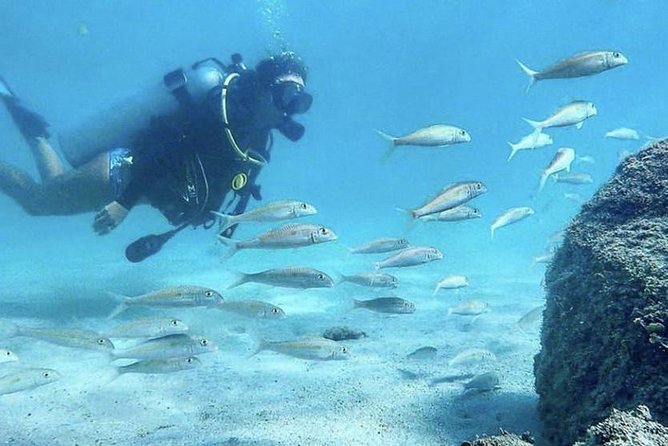
After you’re comfortable in the waist-deep stage, the group goes a bit deeper. The max depth is around 15 feet, so you’re not doing any deep-water chasing. This is about controlled experience—learning how you move, how your buoyancy feels, and how to enjoy the ocean without fighting it.
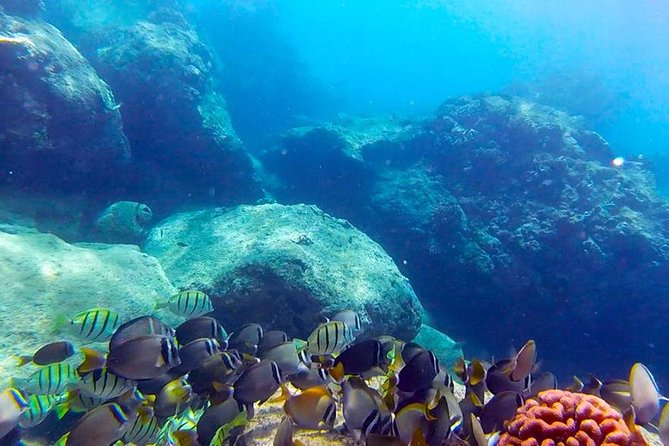
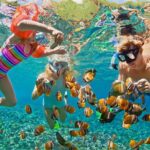
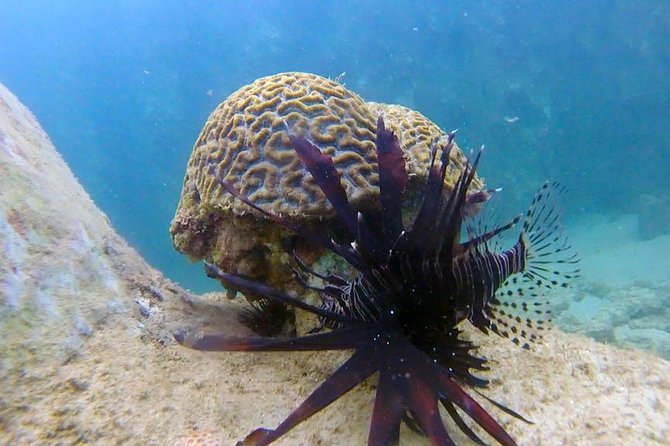
Then you look for marine life. The experience is designed around the Pacific’s colorful residents, including:
- green sea turtles
- octopuses
- sea stars
- bright tropical fish
In practice, what you’ll actually spot depends on the day. Winds and water clarity can change plans, and even the “best” session can feel different if visibility is lower. But the overall goal stays the same: see ocean animals up close while your guide handles the safety side.
One practical tip you’ll hear from the instructors in feedback: if you have a choice, go earlier in the day. People noted that the earliest session can improve your chances of spotting marine life. I’d treat that as a preference, not a guarantee, but it’s a helpful strategy when you can pick times.
GoPro take-home videos and how you should think about them
This is one of the most beginner-friendly parts of the whole plan: your guide takes videos and pictures during the session, and you get complimentary footage.
You’re specifically promised a GoPro video of your underwater adventure at the end of the session. And several people mention that videos and photos are sent via air drop after the dive/lesson is done (so you’re not waiting days for downloads).
Here’s the one caution that’s worth knowing up front: if there’s a camera malfunction, there’s no refund for the tour. That doesn’t mean footage won’t work. It just means you should think of the video as a nice extra that comes with the experience—not something you should rely on as the sole “value” of the day.
If you care about photos, show up with a calm mindset. Let the guide do the camera work while you do the learning. You’ll get better underwater moments because you’ll be less focused on holding your own gear and trying to film.
Price and value: why $89 can make sense
At $89 per person, this can be a strong deal if you’re weighing it against other “first try” options that charge more for gear and instruction. Here, the big value points are bundled:
- guided instruction with no certification needed
- all scuba gear included
- safety seminar included
- complimentary videos
The duration is about 1 hour 30 minutes. That’s also part of the value equation. You’re not signing up for a whole half-day operation. You’re getting a concentrated session that fits into a typical Honolulu day.
The small-group size matters for the price, too. You’ll have a max of 16 people per booking. In real terms, that usually means you’re not stuck in a giant crowd where you wait your turn to get adjusted. Beginners do better when they can ask a question and get immediate corrections.
Also, the experience is low key: shallow depth, guided support, and a structured progression. You’re paying mostly for coaching and supervision, not for “adventure props.”
What to wear and bring so you don’t waste your lesson
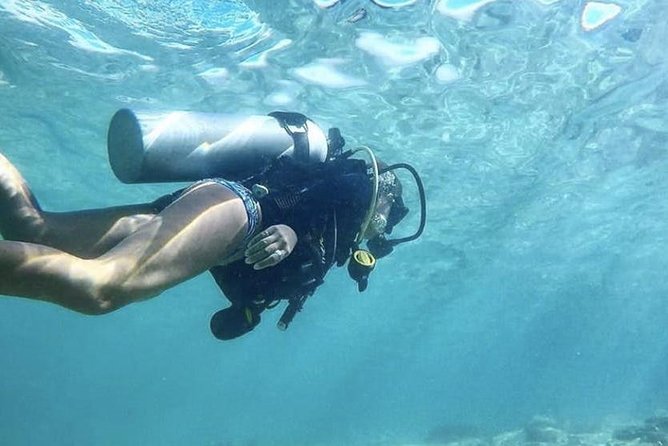
You don’t need to bring your own scuba equipment. All gear/equipment is included. But you should show up physically prepared to get fitted, walk with the equipment, and be comfortable in the water.
Your comfort requirements are spelled out:
- moderate physical fitness level
- must be physically able to walk with equipment
- no swimming experience required, but you must be comfortable in the water
If you’re nervous, that’s normal. The whole setup is designed to get you comfortable step by step. Many first-timers described feeling safe and supported once they were in the structure with the instructor.
Glasses and contacts: the key rule
If you wear eyewear, note this: prescription glasses cannot be worn under snorkel or scuba masks. Contact lenses are allowed, or you may go without. Also, objects appear about 25% closer and larger underwater, which can help you interpret what you’re seeing even if you’re not wearing glasses.
Tip money
A few people specifically recommended bringing extra cash to tip the instructor. It’s not required in the listing data you provided, but it’s a practical move if you want to reward great teaching and calm confidence under water.
How “conditions” can change your day in Honolulu
Honolulu ocean time is never 100% predictable. This experience is weather dependent and requires good conditions. If it’s canceled due to poor weather, you’ll be offered another date or a full refund.
Even when it runs, your underwater visibility might vary. One person mentioned plans can change due to winds and water clarity. That’s a normal reality for ocean activities, and it’s why this lesson stays shallow and structured. The goal is learning and safe experience, not “must-see movie-level clarity.”
If you’re the type who hates surprises, treat this like a flexible beach plan. Bring a positive attitude. You can still have an awesome first time even when the water looks a little different than the photos.
Who this scuba lesson fits best (and who should think twice)
This is ideal if you:
- want your first real scuba experience without certification
- feel nervous but want a guided, step-by-step structure
- prefer a shallow, controlled session around a protected water area
- want a guide who stays close and checks on you often
You’ll likely enjoy it if your idea of fun is seeing sea life up close while learning how your body and gear work together underwater.
You should think twice if:
- you’re not comfortable in the water (the requirement is comfort, not skill)
- you can’t walk with equipment or can’t manage the moderate physical fitness demand
- you’re planning to fly soon after (flying within 12 hours after scuba is not recommended)
That last point matters for recovery and pressure sensitivity. If flying is on your agenda, consider building your schedule so you’re not forced into a fast turnaround.
Quick “day of” checklist (so you stay relaxed)
Here’s what I’d do to make the session easy:
- Arrive at Magic Island Lagoon ready to meet and be fitted
- Wear something comfortable for the beach and water transition
- Bring contacts if you use them; skip prescription glasses under masks
- Expect the main practice time to start in waist-deep water
- Keep your phone secure, and let the guide handle the GoPro filming
- If you have time choices, pick a morning slot when possible
Also remember: the experience ends back at the meeting point. So you’re not dealing with complicated transfers to a different location after you finish.
Should you book this Honolulu first-time scuba lesson?
I think you should book it if you want a beginner-first experience with real coaching, shallow-water confidence building, and an instructor who takes safety seriously. The value at $89 is strongest when you care about the full package: gear provided, instruction included, and GoPro video sent to you afterward.
You might skip or choose another option if your top priority is guaranteed perfect visibility or big open-ocean conditions. This is built for a controlled, approachable introduction. That’s also why it works for so many people.
If you go, go with a learning mindset. Ask questions on land. Keep your breathing steady once you’re underwater. And trust that the point is progress, not performance.
FAQ
Do I need scuba certification to do this?
No. Prior certification is not needed. It’s set up as a learn-to-scuba or refresh-your-skills small-group lesson.
How deep do we go?
The max depth of the experience is around 15 feet.
Do I need to know how to swim?
You don’t need swimming experience, but you must be comfortable in the water. You should also be able to walk with the equipment.
What gear do you provide?
All scuba gear/equipment is included, and you’ll get fitted with a wetsuit and the necessary scuba equipment. No personal gear is listed as required.
Can I wear prescription glasses or contacts?
Prescription glasses cannot be worn under the snorkel or scuba masks. Contact lenses are allowed, or you may go without. Underwater magnification makes objects appear about 25% closer and larger.
Is there video included?
Yes. Your instructor takes videos during your session and you’ll receive complimentary footage. The listing notes that if the camera malfunctions, there is no refund for the tour.