REVIEW · HALEIWA
Oahu: Shark Cage Diving Experience
Book on GetYourGuide →Operated by Hawaii Shark Encounters · Bookable on GetYourGuide
Sharks come close when you stay calm. This North Shore Oahu shark cage encounter turns open-ocean curiosity into an up-close, eye-level moment, with your safety handled by the crew and your questions handled by the guide. I especially like the eye-to-eye viewing through plexiglass and the way the guide connects shark behavior to Hawaiian culture. One consideration: if you’re prone to seasickness, the boat ride can feel like a test.
What makes it practical is that you don’t need scuba. You stay on the surface with a mask and snorkel, watching sharks glide below the cage windows while the guide explains what you’re seeing and why it matters.
After the water time, you’re near Haleiwa, so you can keep the day going with shops and easy walking. Just plan your expectations around weather too, since conditions can change plans on the North Shore.
In This Review
- Key highlights worth planning around
- Getting to the water: Haleiwa harbor, then 3 miles offshore
- Inside the floating cage: surface snorkeling with plexiglass windows
- The sharks you may spot: Galapagos and sandbar
- What the guide teaches: behavior, biology, and local meaning
- Conservation in plain terms: how you become an ambassador
- Timing, gear, and what to bring (so you enjoy the full 2 hours)
- Getting the most out of Haleiwa afterward
- Who should book this shark cage encounter, and who should skip it
- Price and value: is $97 per person worth it?
- Should you book Hawaii Shark Encounters?
- FAQ
- Where does the shark cage experience happen on Oahu?
- How long is the tour?
- Is scuba required?
- What kinds of sharks might you see?
- What is included in the price?
- What should I bring?
- What is not included?
- When do I check in?
- What safety or activity rules should I know?
Key highlights worth planning around
- Eye-to-eye viewing through large plexiglass windows with sharks staying curious at close range
- No scuba required: mask-and-snorkel from the floating cage while you remain on the surface
- Galapagos and sandbar sharks are part of the viewing, depending on where animals are moving
- Shark education + Hawaiian cultural context tied to biology and local mythology
- Conservation angle: you learn about ongoing shark research and how you can support it
- Haleiwa town nearby makes it easy to add a meal or a browse after your 2 hours
Getting to the water: Haleiwa harbor, then 3 miles offshore
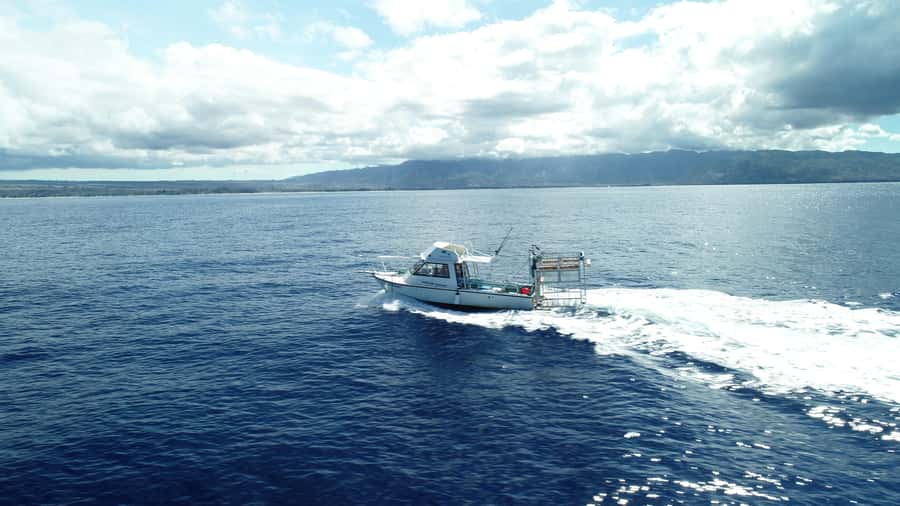
Most of your time starts at the harbor, where you meet your crew and get checked in. They’ll go over safety first, plus a shark education talk before you head out. That matters more than you’d think, because you’ll be spending time in and around open ocean with a simple goal: stay comfortable, watch what’s moving, and listen for the meaning behind it.
Once you’re aboard, you head about 3 miles offshore. It’s not a long trip in minutes, but it’s enough to put you in the right kind of habitat for serious shark-viewing. The North Shore can be a little moody, so I’d come in ready for changing conditions. In the better moments, the water feels clear and open. In harder moments, you’ll feel the boat movement more.
One thing I liked in the way people describe the day is that the crew keeps the vibe calm and attentive. If you’re new to ocean tours, that tone helps. If you’re experienced and just want action, you still get the structure you need so you can focus on the window time.
You can also read our reviews of more tours and experiences in Haleiwa.

Inside the floating cage: surface snorkeling with plexiglass windows
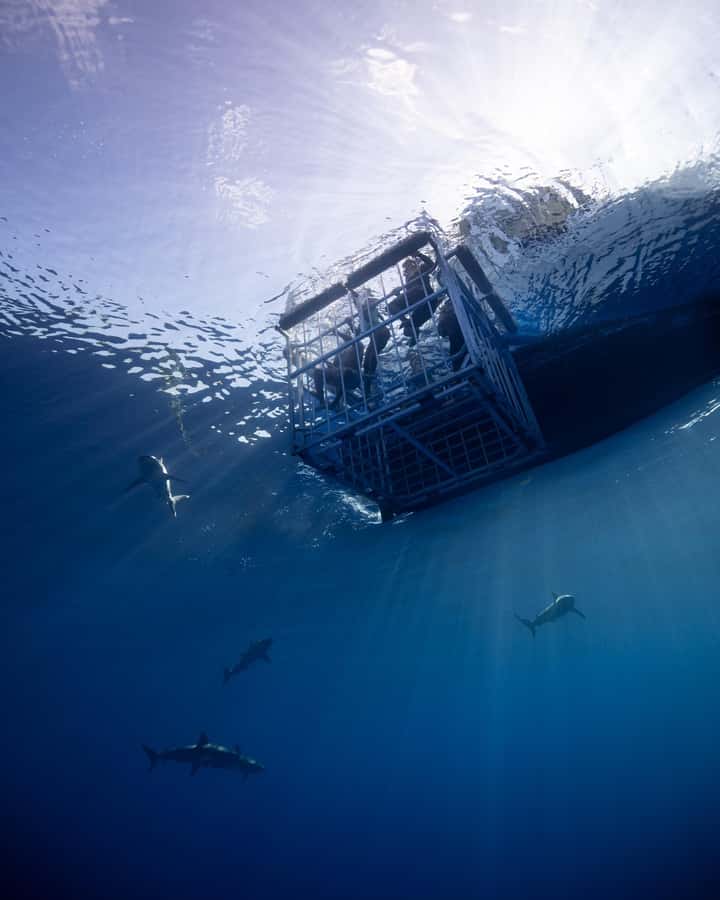
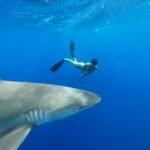
This is the heart of the experience. You’re in a floating cage with large plexiglass windows, and you watch sharks glide through the blue water like they’re cruising a hallway. The best part is the way they often come close to the glass. It turns the whole thing from distant wildlife watching into a real, almost personal encounter.
You don’t go underwater. Instead, you stay on the surface with a mask and snorkel. That’s a big deal for value. You’re paying for a true shark sighting, but you’re not paying the mental and physical cost of scuba training. The gear provided includes snorkel equipment, so you’re not hunting for fittings or bringing your own system.
What you’ll see is the moving behavior: smooth passes, slow turns, and moments where curiosity makes a shark linger. The guide helps you connect those movements to shark biology. That turns “cool animal” into “I get what it’s doing.”
Practical comfort note: you’ll be in swimwear and exposed to sun and salt. Bring a towel and sunscreen. A hat helps too. Small comfort stuff makes the difference between great viewing and just trying to endure.
Also, you’ll want to follow the rules closely. Touching marine life is not allowed, and flash photography isn’t allowed. Keep your camera ready but be respectful of the environment and the crew’s guidance.
The sharks you may spot: Galapagos and sandbar
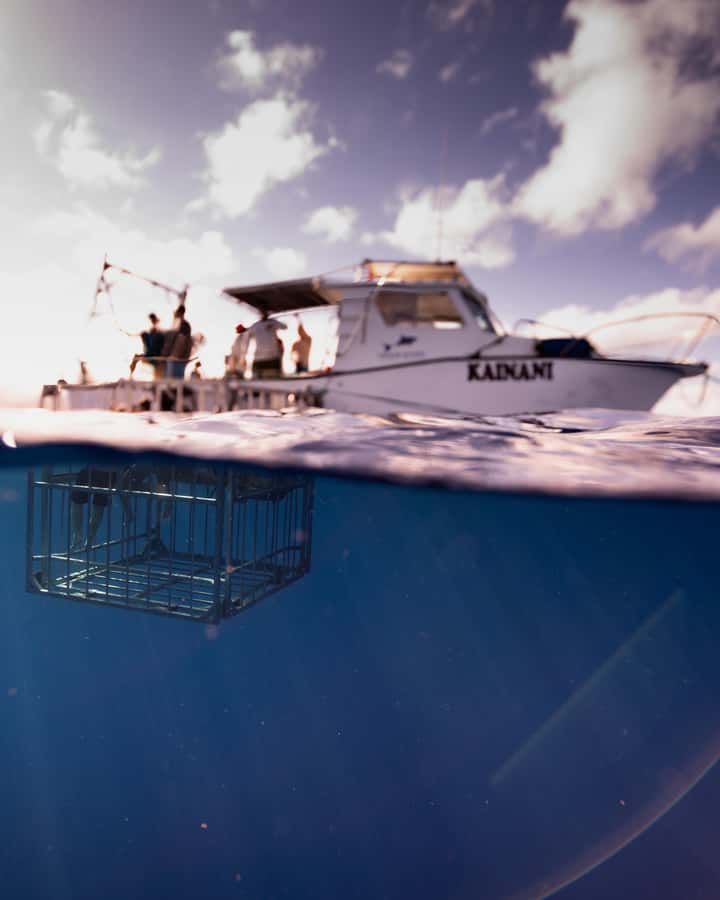
The experience is designed for specific shark types: Galapagos sharks and sandbar sharks. You might not see both in every session, because marine life moves. But the whole point is that the cage setup and location give you a strong chance of seeing sharks in a natural pattern—gliding by, then returning.
I like that it’s not presented as a guarantee of a single animal at a single moment. Instead, it’s about consistent exposure to the right species in a realistic setting. Sharks aren’t entertainment props; they’re living animals, and your best viewing comes from letting them choose their proximity.
When sharks come near the plexiglass windows, it can feel unusually close—eye-level and calm. That’s also where the guide’s explanation lands. When you know what you’re looking at and why their behavior looks the way it does, the encounter sticks with you long after the boat ride ends.
What the guide teaches: behavior, biology, and local meaning
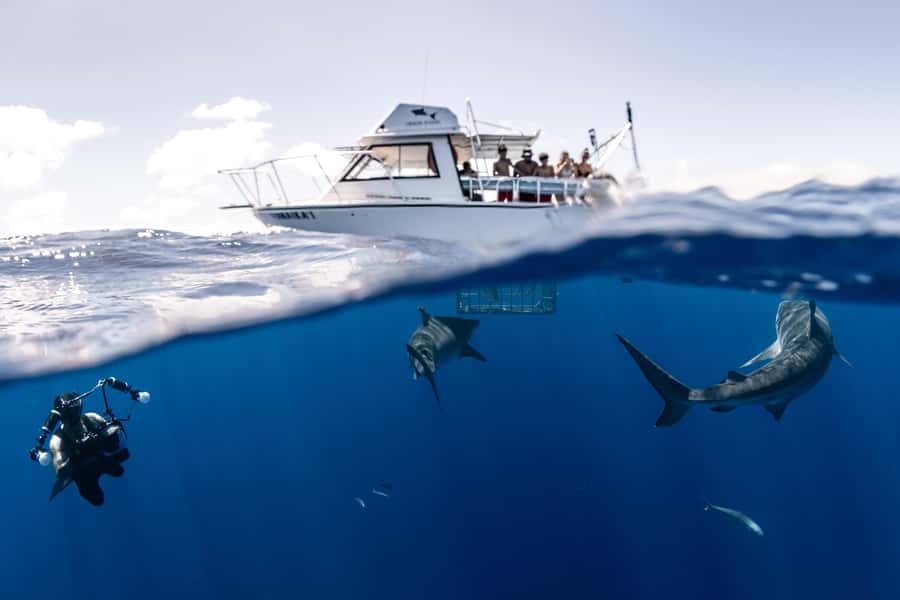
The guide’s job isn’t just to point at fins. You get a talk on shark biology and behavior, tied to what you’re actually seeing from inside the cage. That connection makes the experience more useful. You’re not learning generic shark facts. You’re learning in the moment, while the animal is performing the behavior you just asked about.
A second layer is Hawaiian culture and mythology. Sharks are part of Hawaiian stories and local meaning, and the experience connects that to the science you’re hearing. For many people, that’s what changes the mental picture. Instead of seeing sharks as scary villains, you start seeing them as a role-filled part of the ocean system.
There’s also a research component. You get information about ongoing shark research projects, and there’s an opportunity to participate in shark research as part of the experience. Even if you’re not collecting data yourself, you’re being brought into a conservation mindset that goes beyond photo ops.
From a value standpoint, this education is what separates a simple thrill from a meaningful encounter. At $97 per person for about 2 hours, you’re paying for the boat time, the cage setup, the crew, the snorkel gear, and the interpretive guide. If you care about understanding wildlife instead of just staring at it, that portion of the day is the best part.
Conservation in plain terms: how you become an ambassador
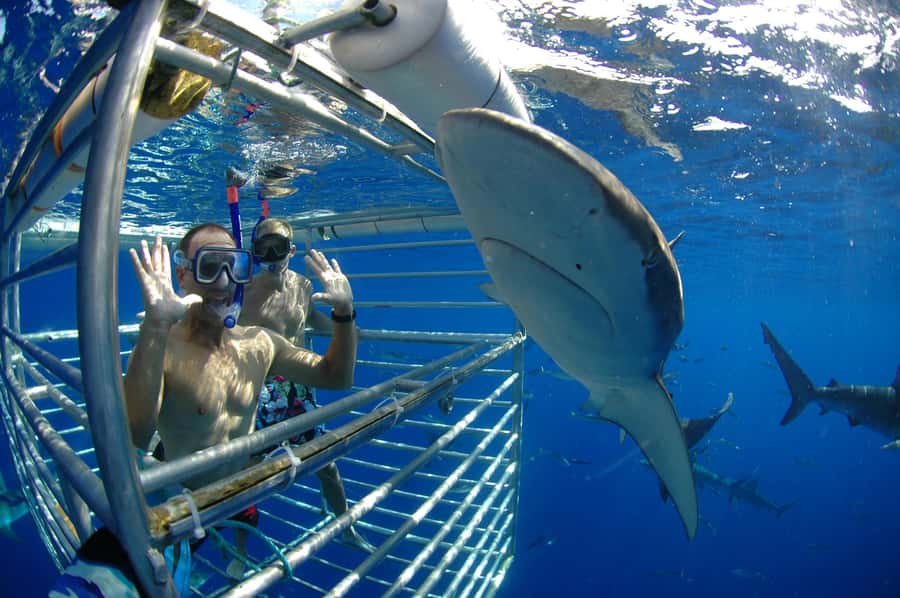
The tour doesn’t just say conservation matters. It frames your role as an ambassador for shark protection. You learn why sharks are important, both ecologically and in cultural context, and you hear about the work being done to understand and protect them.
This matters because conservation is usually harder than people expect. Sharks have a reputation problem, and that often leads to fear-based decisions. When you leave with a better view of shark behavior and the reason they matter, your support becomes more informed.
I also like the honesty in the setup. This is not a “touch and pose” interaction. It’s observational, rule-based, and focused on protecting animals and safety. That’s a good fit if you want an experience that feels thrilling without feeling exploitative.

Timing, gear, and what to bring (so you enjoy the full 2 hours)
The experience runs for 2 hours total. Check-in is 30 minutes before your tour start time, and the activity depends on conditions. If the ocean is not cooperating, your trip may be rescheduled. That’s worth building into your schedule on the North Shore.
Here’s what you should bring:
- Hat
- Swimwear
- Towel
- Camera
- Sunscreen
- Water
Snorkel equipment is included, so you don’t need to pack your own. Since you’ll be in and around seawater, I’d also plan for salt-stung eyes and spray. Sunglasses can help, but keep them secure.
On the rules side, a few things are especially relevant:
- No flash photography
- No feeding animals
- No touching marine life
- Follow instructions about staying within the safe areas of the cage
If you have red flags for ocean conditions—like strong seasickness history—take them seriously. One comment I kept in mind from real experiences is that wave action can feel hard, even though people still feel it’s worth it. Worth it is personal. Your body is the final judge.
Getting the most out of Haleiwa afterward
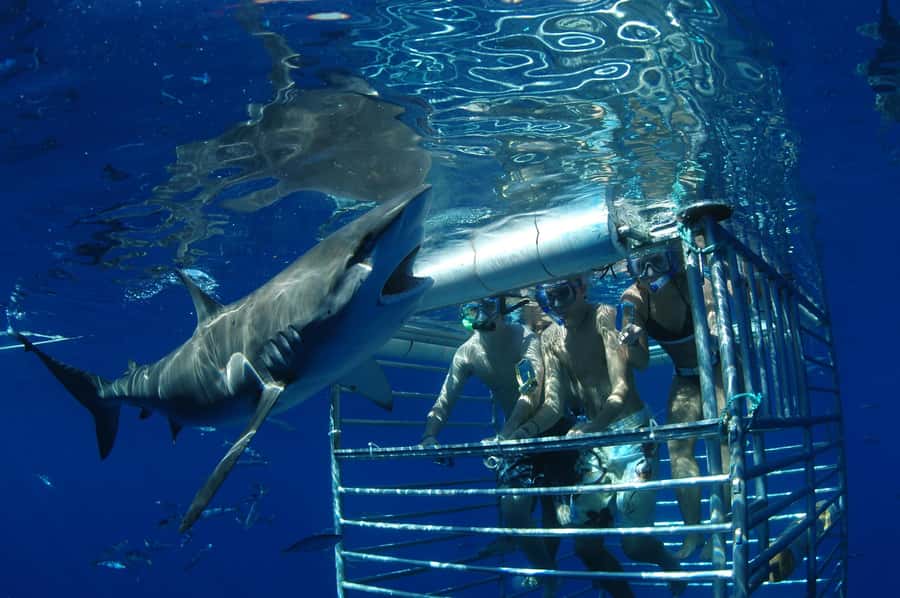
Once your water time is done, you’re close to Haleiwa town. That’s a practical win. You’re not stuck on the edge of nowhere. You can walk around, browse shops, and grab food after you’ve worked up an appetite (and maybe some good salt-and-sun thirst).
A nice strategy: schedule a casual plan right after. You’ll likely want time to dry off, check photos, and cool down before you head out again. Haleiwa is the kind of place where you can keep it simple—coffee, a snack, and a wander.
If you’ve got kids or a group plan, this also helps. Not everyone needs to love the ocean part to enjoy the rest of the day.
Who should book this shark cage encounter, and who should skip it
This tour fits best if you:
- Are comfortable in the water
- Want a shark experience that does not require scuba
- Like education alongside thrilling wildlife viewing
- Want a conservation-minded activity connected to Hawaiian meaning
It’s not suitable for certain situations. Based on the tour info, avoid it if you have:
- Back problems
- Wheelchair use
- People over about 350 lbs (159 kg) or 331 lbs (150 kg) depending on the specific restriction noted
- A strong tendency toward seasickness
- Young children below the minimum age levels (for this activity, it lists children under 2, 3, 4, 5, plus babies under 1)
If you’re older or have mobility limitations, you should also know this is a water-and-cage experience, not a shallow beach activity. Comfort matters.
If you’re a first-time snorkeler, good news: you don’t need a scuba background. Still, you should be ready to wear the gear and stay calm when you’re floating with saltwater and open ocean around you.
Price and value: is $97 per person worth it?
At $97 per person for 2 hours, this lands in the mid-range for ocean experiences that include a boat ride, specialized safety setup, snorkel gear, and an expert guide. The real value isn’t only the cage. It’s the mix of viewing + interpretation + conservation focus.
Here’s how I’d judge it:
- If you only want photos and don’t care about learning, you might feel underwhelmed by the rules-based, observational format.
- If you want to understand sharks and come away with a stronger view, the education talk and the Hawaiian cultural context give you more than entertainment.
- If you’re seasickness-prone, the risk reduces value fast, because even a “must do” moment won’t matter if you feel terrible.
The cancellation and weather factors can also affect value. If ocean conditions are rough, your tour might be rescheduled. If you’re on a tight schedule, consider having backup time.
Should you book Hawaii Shark Encounters?
I think you should book this if you want an up-close shark encounter without scuba, and you’re the type who likes learning while things are happening. The cage setup, the plexiglass viewing, and the focus on Galapagos and sandbar sharks make it a strong match for people who want more than a quick look.
Pass or rethink if you:
- Get seasick easily
- Aren’t comfortable in the water
- Need a fully accessible or low-movement setting
If you’re on the fence, here’s the practical call: bring your sun protection, hydrate, and plan your Haleiwa afternoon. If the ocean cooperates, this is the kind of experience that changes how you see sharks—from myth and fear to behavior and meaning.
FAQ
Where does the shark cage experience happen on Oahu?
It takes place on the North Shore of Oahu, departing from the harbor near Haleiwa. The meeting point can vary depending on the option you book.
How long is the tour?
The duration is 2 hours.
Is scuba required?
No scuba experience is required. You stay on the surface using a mask and snorkel.
What kinds of sharks might you see?
The experience is set up for Galapagos sharks and sandbar sharks.
What is included in the price?
You get the 2-hour shark cage experience, a safety briefing and shark education talk, local crew guidance, snorkel equipment, and an opportunity to participate in shark research with a contribution to shark conservation.
What should I bring?
Bring a hat, swimwear, a towel, a camera, sunscreen, and water.
What is not included?
Hotel pickup and drop-off, plus food and drinks, are not included.
When do I check in?
Check-in is 30 minutes before the tour start time.
What safety or activity rules should I know?
You cannot touch marine life or feed animals, flash photography isn’t allowed, and weapons or sharp objects are not allowed. The activity also requires participants to be comfortable in the water.