REVIEW · OAHU
PADI Open Water Certification Course Shared Experience
Book on Viator →Operated by Aloha Scuba Diving Company · Bookable on Viator
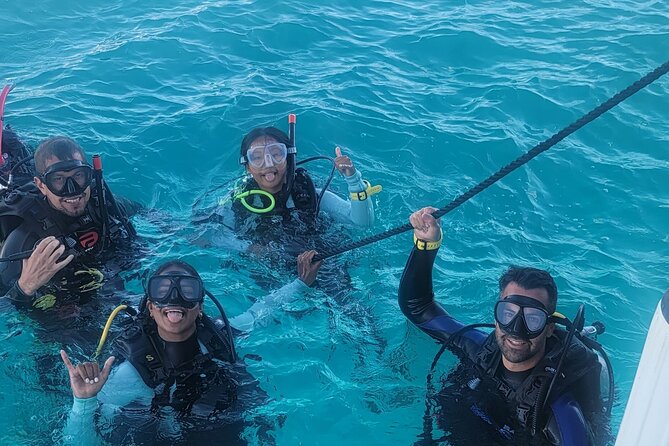
Scuba basics, then ocean wildlife, fast. This PADI Open Water certification runs in the warm, clear waters off Honolulu, with a max of six so your instructor can actually stay on top of every skill. It’s a one-day course designed to turn first-timers into confident new scuba students.
My favorite part is the patient, hands-on instruction. Names like Hussein, Erin, Sam, and Savannah show up again and again, and the common thread is calm guidance that keeps you safe while you learn. I also like that the equipment is included, so you’re not scrambling to rent stuff at the last minute.
One consideration: it starts at 6:00 am and the experience needs good weather, so you’ll want to be ready for an early start and possible schedule changes.
In This Review
- Key highlights at a glance
- First stop: Honolulu meeting point and why 6:00 am helps
- Small-group scuba training: what max six really means
- What you get for $85: value beyond the sticker price
- The flow of the day: from fitting gear to real confidence
- Marine life off Honolulu: turtles and ocean scenery you can actually learn in
- Crew professionalism: when safety feels normal
- A quick balanced note: one negative experience worth considering
- Who should book this Open Water course?
- Value check: what makes this course feel worth it
- Should you book? My practical take
- FAQ
- What time does the course start?
- How long is the PADI Open Water certification course?
- Where do I meet for the experience?
- What’s included in the price?
- How large is the group?
- Is the course dependent on weather?
- What’s the cancellation/refund timeline?
Key highlights at a glance
- Max 6 students: more attention during skill practice
- 6:00 am Honolulu start: plan your day around an early check-in
- Scuba equipment included: gear is part of the price
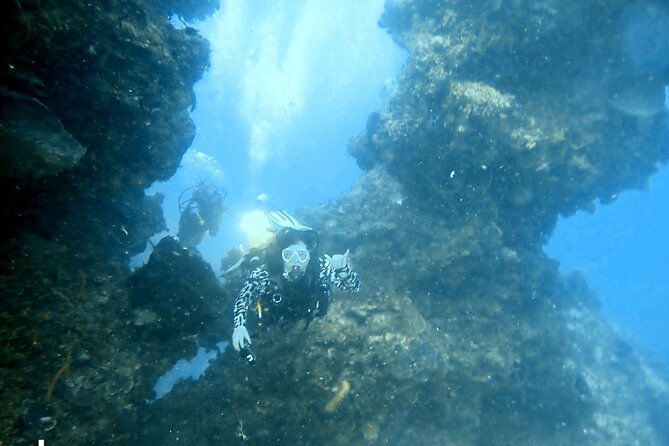
- Clear-water marine life: turtles show up, plus coral and more
- Instructors get praised by name: Hussein, Erin, Sam, and others are often mentioned
- Good fit for nervous first-timers: support is part of how the day runs
First stop: Honolulu meeting point and why 6:00 am helps
This course begins at 410 Atkinson Dr, Honolulu, HI 96814, with a 6:00 am start. That early time might feel aggressive, but it’s usually how you get the best water conditions and the day stays on track without rushing your training.
If you’re coming from Waikiki, the address being near public transportation can make mornings easier. Still, build in buffer time. Scuba days have enough moving parts already: check-in, paperwork, gear fitting, and getting comfortable before you go in the water.
Also note the mobile ticket format. If you rely on data for everything, make sure your ticket is available offline before you leave your hotel.
You can also read our reviews of more tours and experiences in Oahu.
Small-group scuba training: what max six really means
On paper, max six travelers sounds like a neat perk. In practice, it’s the difference between being watched closely and being “one of many.”
When your group is that small, your instructor can:
- correct hand and breath control faster
- repeat instructions without making you feel behind
- adjust support based on how nervous or confident you feel that day
You’ll see this reflected in how people talk about the staff. Many mentions highlight that the course feels organized and safe, with a lot of one-on-one help during the skill work.
And if you’re learning as a family member or as a first-time pair, this group size helps too. You’re not stuck waiting while someone else takes forever to get settled.
What you get for $85: value beyond the sticker price
The price listed is $85, which is eye-catching. What makes it feel more reasonable is that the course includes the use of scuba equipment in the price.
That matters because gear rentals can add up fast, especially on vacation when you don’t want to waste time hunting down rentals. With equipment already built into the day, you can focus on the learning part.
What you should still confirm (just to protect your expectations): ask what’s covered beyond gear. The details provided here clearly include equipment use, but they don’t spell out things like manuals or every certification-related fee. A quick question to the operator can save you from surprises later.
The flow of the day: from fitting gear to real confidence
This is a 1-day experience (about 6 hours). While the exact minute-by-minute plan isn’t listed here, the overall structure is clear: you learn the skills needed for Open Water certification, then you apply them in the ocean under instructor supervision.
Here’s what that typically looks like in a well-run setup like this:
1) Arrive, check in, and get matched up with your instructor
2) Get fitted with the included gear and do quick safety setup
3) Practice core skills so you understand how the system works
4) Move to open water training where you use what you practiced
5) Wrap up and get you ready for next steps toward certification
The key point for you: this course is designed for confidence, not just “getting through it.” In the way instructors are described—Hussein being patient, Erin being friendly and step-by-step, and Sam walking students through things—safety and clarity seem to be treated as part of the curriculum.
One extra practical tip you should take from the experience: get your eligibility paperwork and pre-qualifications squared away ahead of time. People mention this as smart prep, and it usually means fewer delays on the morning of your course.
Marine life off Honolulu: turtles and ocean scenery you can actually learn in
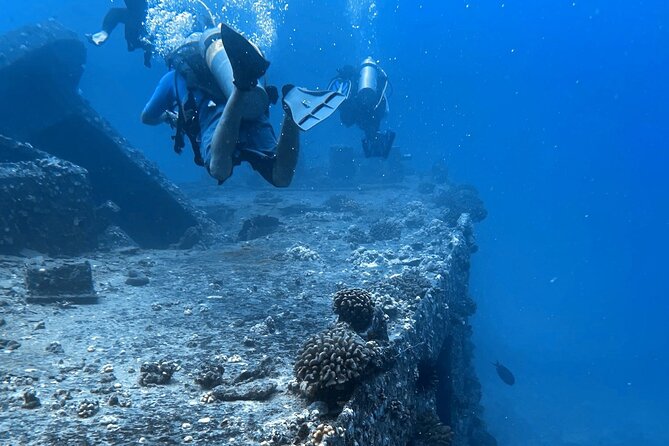
This course happens in Hawaii’s ocean waters near Honolulu, in warm, clear conditions (when the weather cooperates). That’s not just a nice background—it helps a first-time scuba student because visibility makes learning easier.
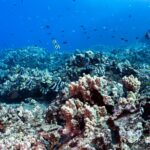
You can also expect real wildlife moments. Turtles come up as a highlight, and people also mention seeing coral and fish, along with creatures like octopus, eels, sharks, and more. Even if every creature doesn’t show up every day, the instruction-to-underwater-life combo is a huge part of why people love doing this course in Oahu rather than elsewhere.
If you’re the type who worries about freezing, stress, or feeling overwhelmed: clear water and warm conditions can reduce those mental barriers. You’ll spend more energy learning, less time fighting discomfort.


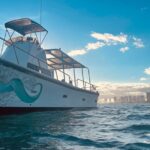
Crew professionalism: when safety feels normal
Beyond the instructor, the boat crew matters a lot. People consistently describe the staff as professional, welcoming, and focused on doing things on time—less chaos, more structure.
Some names you may hear connected to operations include:
- Erin, frequently cited for being patient and friendly
- Sam, praised for guidance that keeps you safe and supported
- Hussein, highlighted as kind and very careful with new students
- Derek/Derick, mentioned as a strong captain presence
- Henry, cited in booking and coordination stories
- Boat crew references include the Diamond T2 in some experiences
Why this matters for you: on a long training day, good crew support reduces stress. When people describe the day as organized and safe, that’s usually not luck. It’s the basics: clear check-in, solid equipment handling, and consistent safety expectations.
A quick balanced note: one negative experience worth considering
Most feedback is strongly positive, but one detailed note criticized an approach from a specific person named Saul Flores. That doesn’t mean you’ll have the same experience, but it does suggest you should prioritize comfort.
If you’re nervous (totally normal), ask early about your instructor assignment and training style. If you have any concerns—pace, communication style, fear of water—tell them at check-in. A good instructor should adapt quickly.
Who should book this Open Water course?
This course is a strong fit if:
- you want first-time scuba certification in Oahu
- you prefer small-group attention rather than a big class
- you’re nervous but willing to learn, and you want patient support
It also seems to work across ages and comfort levels. One person getting certified at around retirement age described the company as excellent, which suggests the day isn’t built only for young bodies or fearless personalities.
If you hate early mornings, you’ll still survive it—you just need a real plan. This one starts at 6:00 am, so treat that as the main “hard part.”
Value check: what makes this course feel worth it
For $85, the biggest “value signal” in the provided details is that equipment use is included. On vacation, cutting out rental chores is a real win.
Add in the small group size (max six), and you’re paying for attention as much as you’re paying for instruction. People mention clear explanations and lots of support, including one-on-one time, which is exactly what you want when you’re learning buoyancy, breathing control, and basic safety routines.
If you’re choosing between doing this in Honolulu versus elsewhere, consider what you get here: warm water, clear conditions when weather cooperates, and frequent chances to see Hawaii marine life like turtles.
Should you book? My practical take
Book this course if you want a well-structured Open Water start in Oahu with small-group support and included gear. If you’re excited by the idea of learning near Honolulu and then actually seeing turtles and reef life, the payoff is real.
Don’t book it on autopilot if:
- you’re not comfortable with a 6:00 am start
- you’re unsure about meeting the moderate physical fitness level
- you dislike weather-dependent plans (good weather is required)
My best advice: message ahead and confirm what’s included besides gear, and make sure your forms/pre-qualifications are ready. Then show up early, listen closely, and let the instructor lead the day—this type of course works best when you treat it like training, not a sightseeing sprint.
FAQ
What time does the course start?
The meeting start time is 6:00 am.
How long is the PADI Open Water certification course?
It runs for about 1 day (approximately 6 hours).
Where do I meet for the experience?
You meet at 410 Atkinson Dr, Honolulu, HI 96814, USA.
What’s included in the price?
The experience includes the use of scuba equipment.
How large is the group?
This activity has a maximum of 6 travelers.
Is the course dependent on weather?
Yes. The experience requires good weather. If it’s canceled due to poor weather, you’ll be offered a different date or a full refund.
What’s the cancellation/refund timeline?
You can cancel for a full refund up to 24 hours before the experience’s start time. If you cancel less than 24 hours before, the amount paid is not refunded.