REVIEW · HONOLULU
Hawaii Volcanoes National Park Experience From the Big Island
Book on Viator →Operated by Aloha Sunshine Tours · Bookable on Viator
Molten earth, sweet bread, and sea turtles.
This Big Island day trip strings together Kona-area coffee history, a short nature walk, and a guided tour of Hawaiʻi Volcanoes National Park with stops designed to show you multiple sides of island geology.
I like that you get Hawaiʻi Volcanoes National Park admission included and round-trip pickup and drop-off so the day runs on rails instead of on guesswork.
I also like the smallish group setup, plus snacks provided and ongoing narration from a local guide.
One thing to consider: it’s a long day, and the pacing can feel tight if you’re hoping for lots of slow walking or lingering in one spot.
In This Review
- Key Things to Know Before You Go
- A Full Big Island Day That Starts Calm and Ends in the Heat
- Greenwell Farms and Manuka: Kona Coffee Plus a Quiet 2-Mile Nature Walk
- Punaluʻu Bake Shop Lunch and Black Sand Beach Turtles
- Entering Hawaiʻi Volcanoes National Park: Halemaʻumaʻu, Kīlauea Iki, Lava Tube, and Steam Vents
- Mauna Kea Access Road, Kohala Coast Views, and a Hilo Culture Finish
- Van Time, Walking Time, and How to Avoid Feeling Rushed
- Value Check: Why $139 Can Actually Make Sense
- Who Should Book This Tour, and Who Should Rethink It
- Guides Matter: From Mel to Henry to Brandon to Jim
- Should You Book This Hawaiʻi Volcanoes National Park Day Tour?
- FAQ
- FAQ
- How long is the tour?
- What does it cost?
- What’s included in the price?
- Is Hawaiʻi Volcanoes National Park admission included?
- Where do I meet the guide if I’m flying into Kona International Airport?
- Are meals included?
- What should I bring for the park?
- How big is the group?
- Does cell phone service work in the park?
- Is the tour okay if I have asthma or other respiratory issues?
Key Things to Know Before You Go
- Admission and transfers included: fewer bills and less scrambling for transport.
- Smallish group size (max 22): easier listening and more personal guiding.
- A mix of stops beyond Volcanoes: coffee farm, Manuka trail, Punaluʻu bake shop, black sand beach.
- Park highlights are varied: Halemaʻumaʻu Crater, Kīlauea Iki area, Thurston Lava Tube, and steam vents.
- Come prepared for volcanic conditions: weather changes fast and volcanic gases can matter for some health issues.
A Full Big Island Day That Starts Calm and Ends in the Heat
This tour is built for people who want more than one postcard moment. You’ll move through Kona coffee country, quiet forest scenery, and classic Big Island food stops before you get to Hawaiʻi Volcanoes National Park—the part most people are really chasing.
The day is structured around short, focused visits. That works well if you like efficient sightseeing and guided context. It’s less ideal if you want deep, slow hiking time where you can wander off the main route and really let a place breathe.
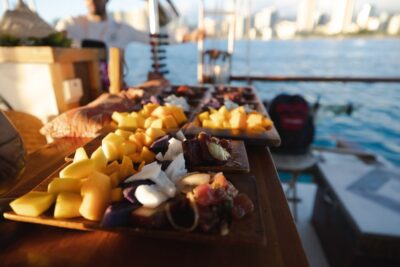
Transport is handled for you with an air-conditioned vehicle, plus pickup and drop-off. You also get snacks during the day and narration from a local guide, which matters because the park can feel overwhelming without explanation.
You can also read our reviews of more tours and experiences in Honolulu.


Greenwell Farms and Manuka: Kona Coffee Plus a Quiet 2-Mile Nature Walk
Stop 1 is Greenwell Farms, one of the best-known Kona coffee farms, founded in 1850 by Henry Nicholas Greenwell. You’re on Mauna Loa’s slopes, where volcanic soil and local weather help coffee stay consistent—sunny mornings, cloudier afternoons, and enough rain to keep things growing.
Even if you’re not a coffee nerd, this is a good stop because you learn how the landscape and farming choices connect. You also get admission handled, and the visit is short (about 30 minutes), so it’s realistic to fit into a full-day schedule.
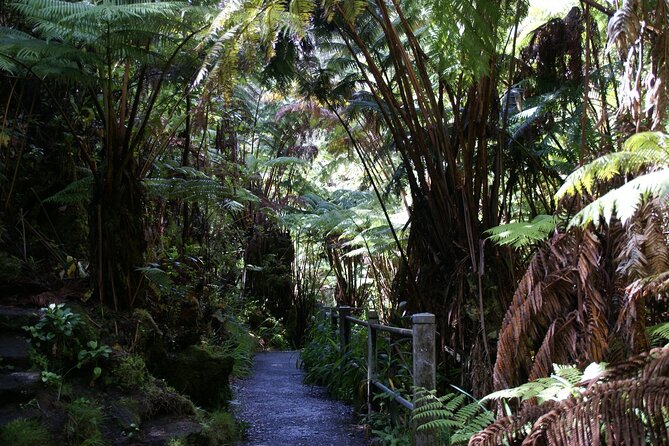
Stop 2 is Manuka State Wayside Park, a peaceful 13-acre area along the Hawaii Belt Road (Highway 11). The highlight here is the 2-mile Manuka Nature Trail, which takes you through a mix of wet and dry forest ecosystems. You’ll see native plants and wildlife, and you may spot birds like the Hawaiian hawk or honeycreepers, depending on conditions.
This is one of those stops that makes the rest of the day feel more grounded. It’s a chance to get out of the van, stretch your legs, and feel the island ecology before you jump into active volcanic scenery.
Practical note: since the trail is part walk-and-stand sightseeing, wear closed-toe shoes and expect uneven ground.
Punaluʻu Bake Shop Lunch and Black Sand Beach Turtles
Next up is Punaluʻu Bake Shop in Naʻālehu, often treated as a must-do for anyone doing the southern Big Island route. It’s known as the southernmost bakery in the U.S., and it’s famous for Hawaiian sweet breads in flavors like taro, guava, and mango.
You’ll have time here to snack, browse, and eat lunch on your own. The lunch stop is specifically framed at Punaluʻu Bake Shop, with choices like sourdough sandwiches, kalbi beef, and Hawaiian plate lunches—plus their baked goods and local treats. If you want to stay on schedule, this is a solid place to do it because food options are right there and you don’t have to hunt around for a restaurant.
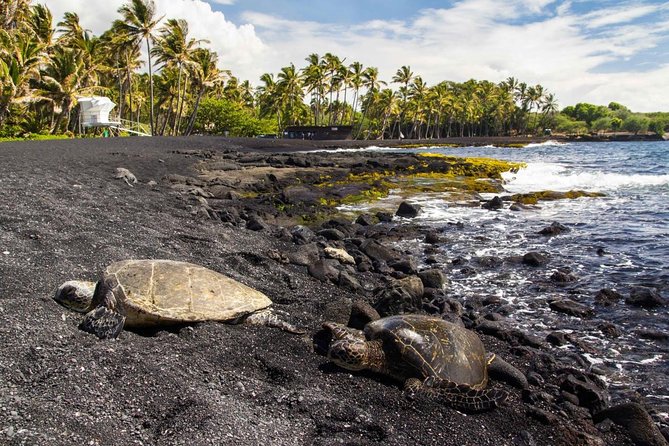
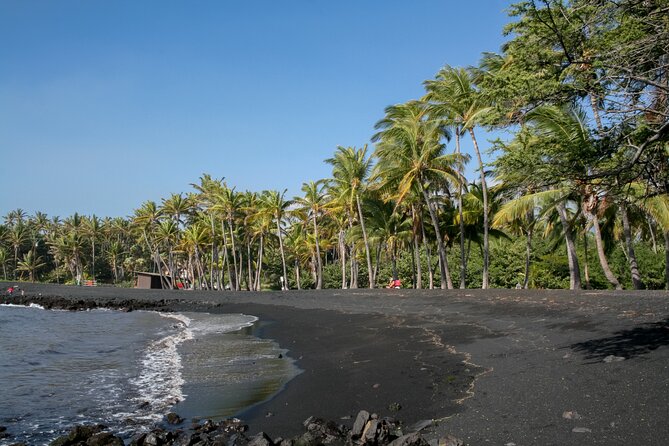
After that comes Punaluʻu Black Sand Beach. The main draw is the black volcanic sand and the chance to see native Hawaiian green sea turtles. Again, it’s a chance, not a promise—but this is the kind of stop where the setting does half the work for you.
Tip for comfort: this is an outdoors stop. Bring water, and don’t wear anything that you’ll regret if your shoes get sandy or wet.
Entering Hawaiʻi Volcanoes National Park: Halemaʻumaʻu, Kīlauea Iki, Lava Tube, and Steam Vents
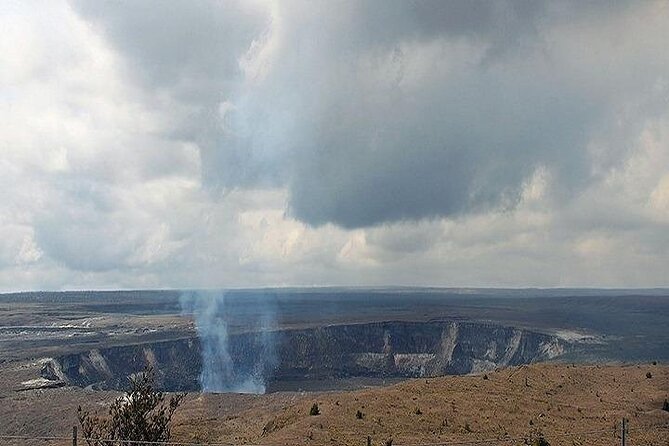
This is the core of the day, with about 2 hours inside Hawaiʻi Volcanoes National Park and admission included. You’ll start at the visitor center, where you get the basic geology and history so the later stops make more sense.
Then the guide will take you to several high-impact areas:
- Halemaʻumaʻu Crater: This is where you can see the glow of molten lava. When conditions allow, it’s the kind of sight that compresses your brain into one thought: this is real.
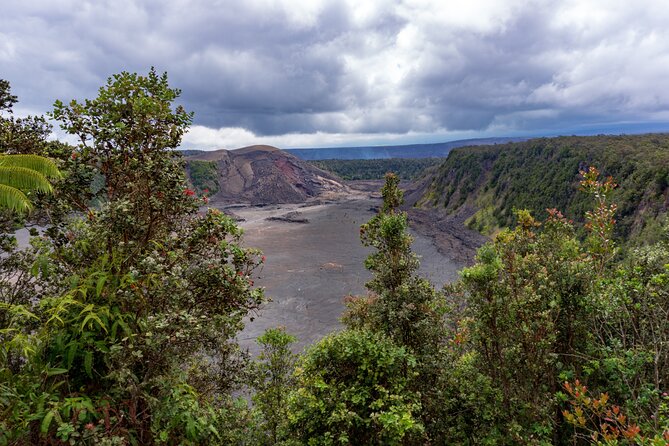
- Kīlauea Iki Rainforest Lookout: A visual contrast from crater activity—lush-looking rainforest around a massive crater area, with a trail that leads through remnants of a past eruption.
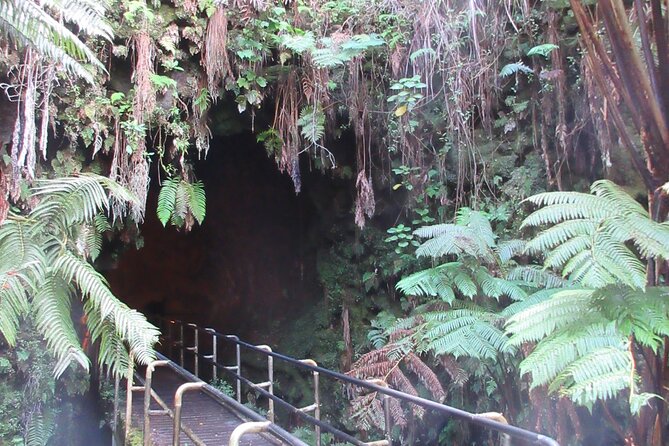
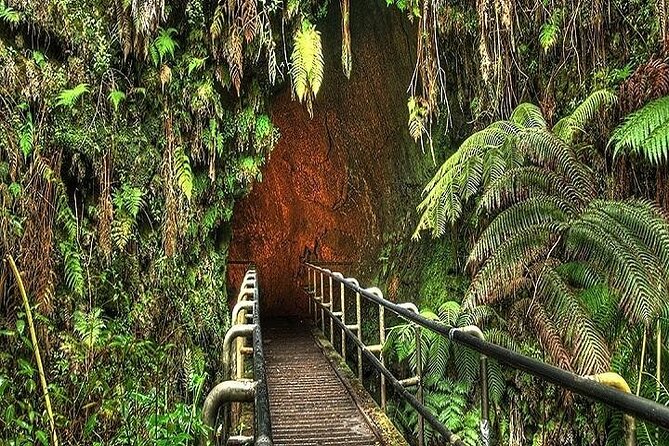
- Thurston Lava Tube: You’ll walk through a natural tunnel formed by flowing lava. Even if you don’t love geology, a lava tube feels like a different world.
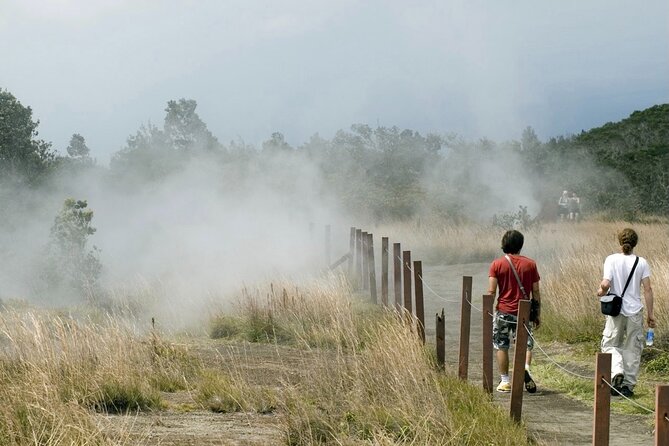
- Active steam vents: You can feel the heat rising from the earth. It’s not just a sight stop; it’s a sensory one.
A key thing to understand: this is an active volcanic area. That means volcanic gases can be present. If you have asthma or other respiratory issues, this is the part to think about seriously. The tour information specifically flags that gases like sulfur dioxide can worsen conditions, so follow safety guidance and pace yourself.
Also: expect limited or nonexistent cell service in many parts of the park. That’s why it’s smart to download anything you might need before you go, and take cues from your guide rather than relying on your phone.
Mauna Kea Access Road, Kohala Coast Views, and a Hilo Culture Finish
After Volcanoes, the day keeps moving around the island’s big highlights.
You’ll travel on Mauna Kea Access Road, a steep, winding route that climbs into different climates. As you go higher, air becomes thinner and temperatures drop. The tour description frames the experience as a contrast in scenery as you climb—grassy plains up to barren volcanic terrain. Whether you stop for viewpoints along the way or simply see it from the road, the point is the same: Mauna Kea’s elevation changes are dramatic, and the drive helps you understand why conditions feel so different up there.
Then comes the Kohala Coast, known for beaches, luxury resorts, and scenic views. The coast has a drier feel compared to other parts of the island, so it can be a nice break after the park’s heat and geothermal activity.
Finally, you end with Hilo. You’ll have context for why Hilo matters, with mentions like the Lyman Museum (natural and cultural history), the Hilo Historic District (preserved early 20th-century buildings), the Pacific Tsunami Museum (tsunami history), and Liliuokalani Gardens (honoring Queen Liliuokalani). There’s also time tied to the Hilo Farmers Market as a lively snapshot of local goods and produce.
If you like mixing nature and culture, this ending is a good way to keep the day from turning into only sightseeing from the windows. If you’re tired, it can feel like one more stop—but it gives the Big Island a human side before you go.





Van Time, Walking Time, and How to Avoid Feeling Rushed

Let’s talk pacing. This is a full day, and it uses short visits to cover a lot of ground. That’s the tradeoff for getting Volcanoes plus multiple extra stops in one trip.
The good news: the schedule includes regular bathroom/snack opportunities (so you’re not stuck starving in the van for long stretches), and the guide narration helps the shorter stops feel less random.
The tougher news: there are two risks.
First, if you’re the type who wants to wander a national park at your own pace, you’ll probably feel you want more time inside the park than the roughly 2 hours allotted.
Second, group comfort can matter. The tour runs with a max of 22, but reviews mention that seating can feel cramped depending on the van layout and where you sit. If comfort is your top priority, sit toward the front and ask the driver about best seat positioning at pickup.
If you care about hearing the guide clearly, positioning helps. On a moving vehicle, audio can vary by where you sit. Try to be in a spot where you can hear without craning your neck.
Value Check: Why $139 Can Actually Make Sense
At $139 per person, the value comes from the pile-up of included items:
- Hawaiʻi Volcanoes National Park admission is included
- Round-trip transfers from your hotel (and pickup is offered)
- Air-conditioned vehicle
- Snacks provided
- Local guide narration
On paper, that doesn’t just sound convenient. It can save you real money and real time, especially if you’d otherwise need to coordinate separate entrance fees and transportation.
Is it worth it if you only care about Volcanoes? Probably, because admission is covered and you get the guide context at multiple stops. If you’re also curious about Kona coffee, Manuka trail, and Punaluʻu food and beach scenery, the included side stops add real variety without making you plan four separate outings.
The best way to think of it: this is a structured day that tries to reduce your friction. You pay for that structure.
Who Should Book This Tour, and Who Should Rethink It
I’d steer you toward this tour if you:
- want Hawaiʻi Volcanoes National Park plus several other classic Big Island stops in one day
- like guided narration that explains geology, ecology, and Hawaiian cultural context
- don’t want to drive yourself between scattered places
I’d take extra care—or maybe choose something different—if you:
- have asthma or respiratory issues and are sensitive to volcanic gases
- want lots of long walking time in the park (this one is more “highlights with guidance” than “slow hike day”)
- struggle with long days and lots of time on the road
Families can do well here because the tour notes that service animals are allowed and car seats are available for children ages 4 and under, and the group is kept to a maximum of 22. That said, it’s still a long day, so bring snacks and plan for breaks.
Guides Matter: From Mel to Henry to Brandon to Jim
One thing you can count on is the guide narration. In past trips, guides have included Mel, Henry, Brandon, and Jim (often called Uncle Jim). The common thread is that the day is easier to enjoy when the guide connects the dots between coffee farming, volcanic geology, and the meaning behind sacred and culturally significant sites.
If you want the cultural storytelling to land, keep your attention on the moments when the guide points out significance and safety rules—especially in the park, where you’re asked to respect sacred sites and stay on marked trails.
Should You Book This Hawaiʻi Volcanoes National Park Day Tour?
If your goal is a first-rate Big Island overview—coffee, sweet bread, black sand turtles, and Hawaiʻi Volcanoes National Park—this tour is a strong choice. The biggest practical win is included admission plus pickup and drop-off, which makes the day feel effortless compared to building it yourself.
If you’re chasing one thing only—like seeing molten lava or taking long hikes—then manage expectations. The park time is limited, and timing depends on conditions. Plan for the day as a highlights tour with stops that are short but purposeful.
FAQ
FAQ
How long is the tour?
The tour runs about 8 to 10 hours total.
What does it cost?
It’s $139.00 per person.
What’s included in the price?
You get an air-conditioned vehicle, pickup and drop-off service, park admission included for Hawaiʻi Volcanoes National Park, snacks, and narration from a local guide.
Is Hawaiʻi Volcanoes National Park admission included?
Yes. Park admission fees are included.
Where do I meet the guide if I’m flying into Kona International Airport?
Meet in the lot behind Alaska Baggage claim B-2.
Are meals included?
Meals are not included. Lunch is stopped at Punaluʻu Bake Shop, but you pay for what you choose there.
What should I bring for the park?
Bring layers (including a rain jacket), sturdy closed-toe shoes, water, sunscreen, and a hat. Cell service can be limited, so plan ahead.
How big is the group?
The tour has a maximum of 22 travelers.
Does cell phone service work in the park?
Cell service can be limited or nonexistent in many parts of Hawaiʻi Volcanoes National Park, so don’t rely on your phone for directions.
Is the tour okay if I have asthma or other respiratory issues?
The tour information warns that volcanic gases like sulfur dioxide can affect respiratory conditions. If you’re sensitive, it’s worth discussing your situation with your doctor and paying close attention to safety guidance during the park portion.