REVIEW · HONOLULU
Hawaii Volcanoes National Park Experience Departing from Oahu
Book on Viator →Operated by Hawaii Island Experiences, LLC · Bookable on Viator
Volcano time in one long, well-run day. This trip strings together Hawaii Volcanoes National Park with Kona-area stops, so you get geology, culture, and that oh-wow heat from the Earth’s vents. I also love the small-group setup (max 22) and the guides like Henry and Mel who keep the day lively with real stories. One consideration: it’s a long day with a lot of road time, so pack for comfort and expect limited phone service in the park.
If you’re based on Oahu and want more than a single-sunset photo from the Big Island, this is one of the cleanest ways to do it. The tour builds in breaks (and lunch), and it’s timed around the flights between islands. The big payoff is getting more than just the visitor center—you’ll get the lava tube walk, rainforest overlook, and active steam vents all in one go.
In This Review
- Key Highlights You’ll Feel in Your Day Trip
- Flights To Kona From Oahu: The Big Island Without the Hassle
- How the 12 Hours Play Out: Road Time, Stops, and Being Realistic
- Greenwell Farms: Kona Coffee History Meets Volcanic Soil
- Manuka State Wayside Park: A Quiet 2-Mile Trail for Geology Lovers
- Punaluʻu Bake Shop Lunch: Sweet Bread and Real-World Timing
- Punaluʻu Black Sand Beach: Sea Turtles, Basalt, and a Word on Water
- Hawaii Volcanoes National Park: Halemaʻumaʻu, Kīlauea Iki, Lava Tube, and Steam Vents
- Mauna Kea Access Road and Kohala Coast: Altitude Meets Sweeping Views
- Hilo Stops: Museums, Tsunami Memory, and Local Culture
- Price and Value: Why $589.99 Can Still Feel Worth It
- Tips That Make This Volcano Day Trip Feel Smooth
- Should You Book This Volcano Day Trip From Oahu?
- FAQ
- How long is the tour?
- Are flights from Oahu included?
- Where do I meet the group on the Big Island?
- Is Hawaii Volcanoes National Park admission included?
- How much time do I spend at Hawaii Volcanoes National Park?
- What should I wear and bring?
- Is lunch included?
- Is cell service reliable during the day?
- What’s the cancellation window?
Key Highlights You’ll Feel in Your Day Trip
- Inter-island flights included so you can focus on the Big Island, not logistics
- Guide narration that keeps moving from coffee history to crater science
- Hawaii Volcanoes National Park stops you can’t DIY efficiently in a single day
- Punaluʻu black sand + sea turtles for an iconic Big Island moment
- Plan for altitude and weather with layers, even if you start in sunshine
Flights To Kona From Oahu: The Big Island Without the Hassle
This is built for people who are staying put on Oahu and don’t want to spend days repositioning hotels and renting cars. You fly roundtrip from Honolulu to Kona International Airport, and once you’re on the Big Island side, your day runs as a guided loop with an air-conditioned vehicle.
That matters because the Big Island is not “drive across town and be there.” Distances add up fast. A full-day volcano plan works best when transport is handled and you’re not trying to coordinate rental cars, parking, and timing around park entrances.
If you like a set schedule (with some flexibility), this tour fits. If you want total freedom to linger everywhere, you’ll feel the pace. Most people end up liking the structure because it keeps the day from turning into a blur of missed stops.
You can also read our reviews of more tours and experiences in Honolulu.


How the 12 Hours Play Out: Road Time, Stops, and Being Realistic
Even though Hawaii Volcanoes National Park is the star, the day is intentionally packed with multiple regions of the island. Each non-volcano stop is about 30 minutes, which means quick in-and-out moments rather than long wandering.
So here’s the trade: you’ll see more different places in one day, but you’ll also spend time in the vehicle. One review summed it up as a lot of time on the road, and that checks out with the routing. It’s not a problem if you go in prepared—bring water, a light snack if you’re the type who gets snacky, and something to keep your mood good during transit (a book, downloaded podcasts, anything).
Weather also changes the feel of the day. Higher elevations can get cool and wet even if lower areas are warm. Bring layers and a rain jacket, not just a light sweater. And expect that cell service can be limited once you’re off the main corridors.
Greenwell Farms: Kona Coffee History Meets Volcanic Soil
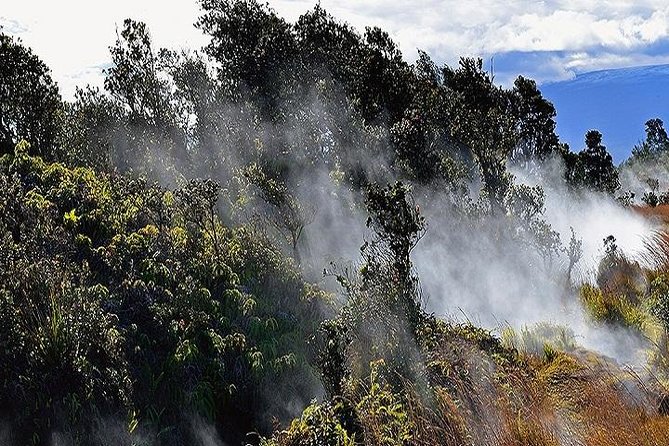
Greenwell Farms is one of the oldest coffee operations tied to Kona coffee’s reputation for quality. Founded in 1850 by Henry Nicholas Greenwell, it sits in the Kona district on the slopes of Mauna Loa, where the soil and weather patterns are part of the story.
What I like about this stop is that it’s not just a quick photo-op. The farm context helps you understand why coffee here tastes different. Volcanic soil affects growth, and the region’s pattern—sunny mornings, cloud-covered afternoons, and consistent rainfall—supports steady plant health.
It’s also a low-pressure stop. You get about 30 minutes, and admission is free during the tour. If you’re not a coffee superfan, you can still enjoy it as a cultural lens into how people worked with the island’s volcanic conditions for generations.
Practical note: if you buy anything at the farm shop, plan around cash and small purchases. This day is already heavy on quick stops.
Manuka State Wayside Park: A Quiet 2-Mile Trail for Geology Lovers
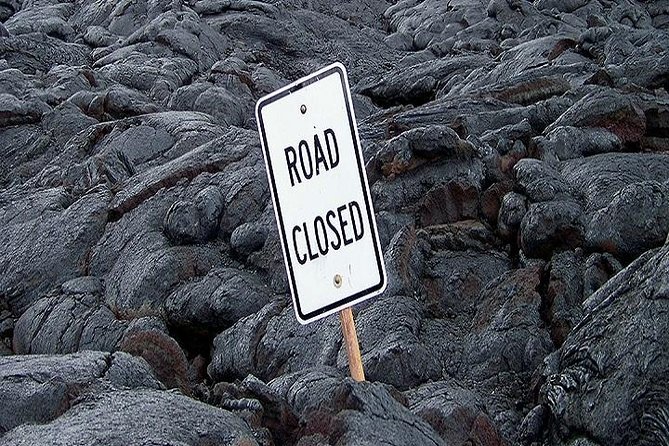
Manuka State Wayside Park is a small, peaceful 13-acre pocket along the Hawaii Belt Road (Highway 11). The setting works well as a palate cleanser between the more iconic stops—less crowds, more walking on a trail, and plenty of nature-focused interpretation.
The highlight is the Manuka Nature Trail: about 2 miles through native wet-and-dry forest ecosystems. You’ll see plant variety, interpretive signs, and volcanic features that explain how the land and ecology interact. This is also where the tour can make nature feel local—endemic Hawaiian species may include birds like the Hawaiian hawk and honeycreeper.
The drawback? It’s quick. If you love slow, long hikes, this portion won’t feel like enough. But for most visitors, it’s a smart hit of real forest rather than another parking-lot view.
Wear sturdy, closed-toe shoes. Volcanic terrain can be uneven, and you don’t want to be dealing with aching feet halfway through a 12-hour day.
Punaluʻu Bake Shop Lunch: Sweet Bread and Real-World Timing
Punaluʻu Bake Shop is the southern stop that turns into your lunch break. It’s known for traditional Hawaiian sweet bread in flavors like taro, guava, and mango. There’s also a gift shop area and a garden.
Why it’s worth doing as part of the tour: you’re not just grabbing a sandwich at random. This is a local stop with a reputation, and it’s timed so you can eat before you head into more driving and beach viewing.
You’ll have roughly 30 minutes at the bake shop, so think like a pro:
- Decide your lunch first, then grab pastries.
- If there are lines, stay flexible. In at least one experience, it felt busy at peak times and time pressure meant choosing between ordering lunch and browsing desserts.
The tour also mentions lunch options like sourdough sandwiches, Kalbi beef, and Hawaiian plate lunches. That’s helpful because not everyone wants sweet bread as a main meal. You pay for meals at your own expense, but the shop is convenient—so you don’t need a separate plan.
Bring a little cash. Roadside stands and some local spots can be cash-only.





Punaluʻu Black Sand Beach: Sea Turtles, Basalt, and a Word on Water
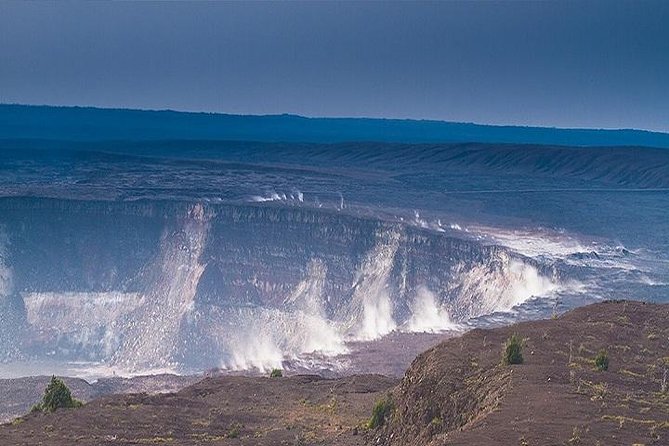
Punaluʻu Black Sand Beach is one of those Big Island stops that looks unreal until you see the basalt sand in person. The black color comes from volcanic basalt, and the beach is backed by coconut palms, which gives it that classic Hawaii contrast of black and green.
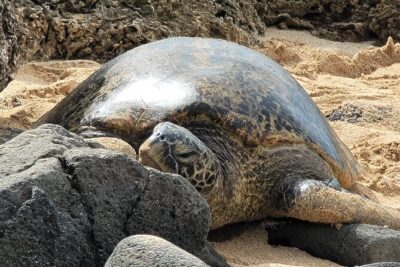
The other reason it’s famous: Hawaiian green sea turtles. They often rest along the shore, and this is one of the more reliable turtle-viewing locations on the island.
The practical reality: swimming is usually not the move here. The waters can be rough. Plan on viewing and photos, not taking a dip.
Time is short—around 30 minutes—so be ready. If you want the best turtle viewing, give yourself a few minutes to walk slightly along the sand line and scan patiently. Also, keep distance and respect wildlife space.
Hawaii Volcanoes National Park: Halemaʻumaʻu, Kīlauea Iki, Lava Tube, and Steam Vents
This is the whole reason you’re doing the trip.
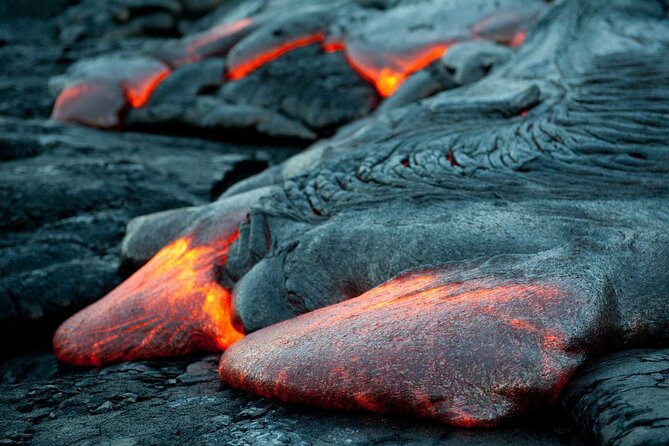
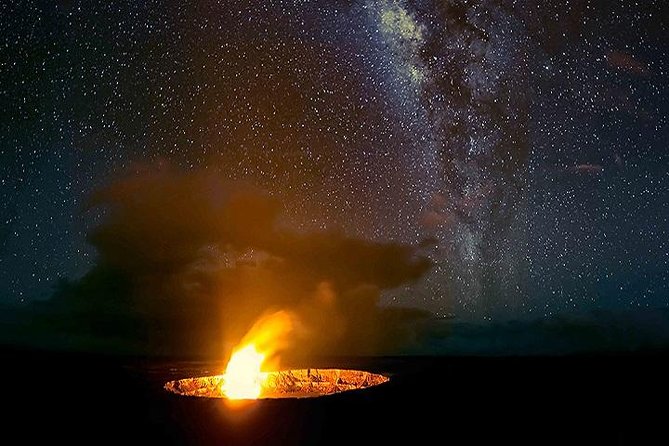
You start at the visitor center area to get park geology and history context before heading out. Then the day goes after the big hits: Halemaʻumaʻu Crater, Kīlauea Iki Rainforest Lookout, Thurston Lava Tube, and steam vents.
Here’s what makes this set of stops work together. You don’t just see one type of volcano feature.
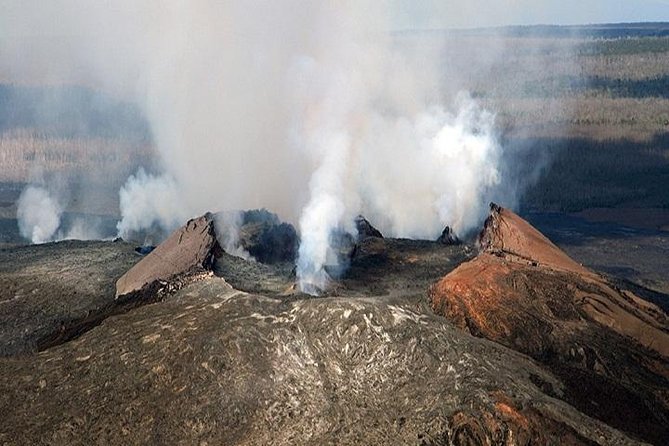
- Halemaʻumaʻu Crater helps you grasp active volcanic energy. Even when the visuals are subtle, the idea of an Earth system working in real time sticks with you.
- Kīlauea Iki Rainforest Lookout shifts the mood. Instead of feeling all barren and hot, you get lush growth around a crater area, which makes the volcanic story more than just rocks and smoke.
- Thurston Lava Tube is the walking part that feels otherworldly. A lava tube is a natural tunnel formed by flowing lava, and stepping through it turns geology into something you can feel with your own steps.
- Steam vents add the sensory element. Heat rising from vents isn’t just a sight—it changes how the area feels. For anyone with respiratory issues, keep in mind that volcanic gases can be present, so follow safety guidance closely.
One important planning tip: cell service can be limited or nonexistent in parts of the park. Download any maps you want beforehand, or at least screenshot key info. Also, bring water and sunscreen. Services inside the park can be limited.
Comfort matters here. Even if the walk is not long, surfaces can be rocky and uneven.
Mauna Kea Access Road and Kohala Coast: Altitude Meets Sweeping Views
The day continues beyond the volcano park with a route that climbs toward the Mauna Kea area. The Mauna Kea Access Road is steep and winding, and as you go up, conditions change fast—grassier zones to barren volcanic terrain, thinner air, and noticeably cooler temperatures.
This is not a “wear shorts and call it a day” situation. Bring warm layers and expect it to feel cold, especially if it’s wet. The air gets thinner, too, so take breaks and don’t rush.
Then there’s the Kohala Coast, known for dry conditions compared to other parts of the island. You’ll get scenic viewpoints plus the general feel of the west side—more resort and beach country energy than wet and foresty vibes farther east.
If you’re sensitive to altitude or have health limits, don’t try to “push through” just to prove something. The tour route is designed for sightseeing, not endurance.
Hilo Stops: Museums, Tsunami Memory, and Local Culture
Hilo adds a different side of Big Island life—history, culture, and community stories. The tour mentions stops like the Lyman Museum, the Hilo Historic District, and the Pacific Tsunami Museum, plus Liliuokalani Gardens honoring Queen Liliuokalani.
If you only think of Hawaii as volcanoes and beaches, Hilo changes the picture. It reminds you that the island has long-term human stories tied to nature’s power. The tsunami museum is especially worth your attention if you want context on how communities live with real environmental risk.
There’s also a mention of the Hilo Farmers Market as a lively hub for local goods. That’s not a “sit and learn” stop in the same way as a museum, but it can help you feel the everyday rhythm of the town.
Time is not unlimited, so treat Hilo as a snapshot rather than a full day. If you love museums, consider adding extra time on a separate trip later.
Price and Value: Why $589.99 Can Still Feel Worth It
At $589.99 per person, you’re paying for a rare combination:
- Roundtrip flights between Honolulu and Kona
- Guided ground transport in an air-conditioned vehicle
- Park admission for Hawaii Volcanoes National Park
- A local guide with continuous narration
The value here isn’t just the headline cost. It’s what you avoid: booking flights yourself, figuring out pickup timing, arranging park logistics, and trying to cover Kona + volcano + black sand + additional regions without burning your day in traffic and planning.
This tour also includes guided explanation throughout the day. In reviews, guides like Henry and Mel are praised for keeping people engaged, sharing stories, and helping the day feel organized rather than chaotic. That kind of guidance matters in a place like Volcanoes National Park, where getting the story straight improves what you’re seeing.
Will it feel like a bargain if you love free-form travel? Maybe not. You’ll be trading flexibility for structure. But if you want a high-visibility itinerary that’s hard to assemble on your own, the math can work in your favor.
Tips That Make This Volcano Day Trip Feel Smooth
These small things can save you from the most common pain points on a day like this.
Bring:
- A light rain jacket or poncho. Weather can change fast, especially higher up.
- Sturdy closed-toe shoes for uneven volcanic terrain.
- Water and sunscreen. Limited services mean you shouldn’t rely on convenience stores.
- A hat and snacks if you tend to get hungry between quick stops.
- Cash for local foods and any roadside purchases.
Plan for:
- Limited cell service in parts of the park.
- Volcanic gases. If you have asthma or respiratory sensitivity, follow safety guidelines and consider asking about precautions before you go.
Etiquette:
- Tipping your guide in cash is appreciated if you feel inclined.
- Respect sacred sites in the park. Don’t touch, remove, or disturb anything that looks culturally significant.
Also: do a quick mental reset about photos. With short stops, you’ll get better results by moving with purpose rather than stopping to examine every detail at once.
Should You Book This Volcano Day Trip From Oahu?
I’d book it if:
- You want a full day that covers major Big Island highlights without renting a car or changing hotels.
- You like learning from a guide while you’re seeing the landmarks.
- You’re okay with a long day and vehicle time in exchange for big coverage.
I’d think twice if:
- You hate tight stop times and want to linger.
- You’re very altitude-sensitive or uncomfortable with quick changes in weather.
- You need lots of cell connectivity or full-day free time.
One more decision helper: if Hawaii Volcanoes National Park is at the top of your list, this is one of the more efficient ways to make it happen while based on Oahu.
FAQ
How long is the tour?
It runs about 12 hours (approximately), starting at 8:00 am.
Are flights from Oahu included?
Yes. Roundtrip airfare is included between Honolulu International Airport and Kona International Airport.
Where do I meet the group on the Big Island?
You meet at Kona International Airport, at the lot behind Alaska Baggage claim B-2.
Is Hawaii Volcanoes National Park admission included?
Yes, Hawaii Volcanoes National Park admission is included.
How much time do I spend at Hawaii Volcanoes National Park?
The park portion is listed as about 2 hours.
What should I wear and bring?
Bring layers and a rain jacket, wear sturdy closed-toe shoes, and bring essentials like water, sunscreen, and a hat.
Is lunch included?
Lunch is not included in the price. The tour stops at Punaluʻu Bake Shop where you can purchase food.
Is cell service reliable during the day?
No. Cell phone service can be limited or nonexistent in parts of the park, so plan accordingly.
What’s the cancellation window?
Free cancellation is available up to 24 hours before the experience start time for a full refund.