REVIEW · OAHU
From Oahu: Big Island Volcano Adventure
Book on GetYourGuide →Operated by Polynesian Adventure · Bookable on GetYourGuide
Volcano country in a single, fast day. You get a full circuit of Hawai‘i Volcanoes National Park plus classic Hilo sights, all powered by an inter-island flight so you don’t waste your daylight. I like that this route hits both active volcanic terrain and easy-to-love rainforest stops like Nāhuku Lava Tube. One thing to keep in mind: the pace is full-day, and the included park picnic can feel a bit light if you’re a big eater.
If you want the Big Island story in one shot, this tour is built for that. You’ll move from steam vents and crater edges to waterfalls, gardens, and a black sand shoreline, with a driver/guide connecting the dots for you as you go. My only caution is simple: wear shoes for uneven paths and don’t plan on relaxing between stops.
In This Review
- Key things that make this tour worth your time
- Kīlauea at Halema‘uma‘u: crater edges and steam vents
- Nāhuku (Thurston) Lava Tube walk: cool air in an old channel
- Chain of Craters Road drive: seeing lava fields move toward the ocean
- Picnic time inside the park: fuel for a long circuit
- ʻAkaka Falls and the Hāmākua Coast: rainforest drama in the middle of the trip
- Hilo’s signature sights: Rainbow Falls, Banyan Drive, and Lili‘uokalani Gardens
- Black sand beach finale: where lava meets waves
- Price and value: what $575 buys you on this route
- Who this tour fits best (and who should think twice)
- Should you book the Oahu to Big Island Volcano Adventure?
- FAQ
- Where is the meeting point for this tour?
- How long is the experience?
- What’s included in the tour price?
- Is the helicopter tour included?
- Do I need a passport?
- Is the tour wheelchair accessible?
Key things that make this tour worth your time
- Kīlauea at Halema‘uma‘u: crater-edge views plus heat from steam vents
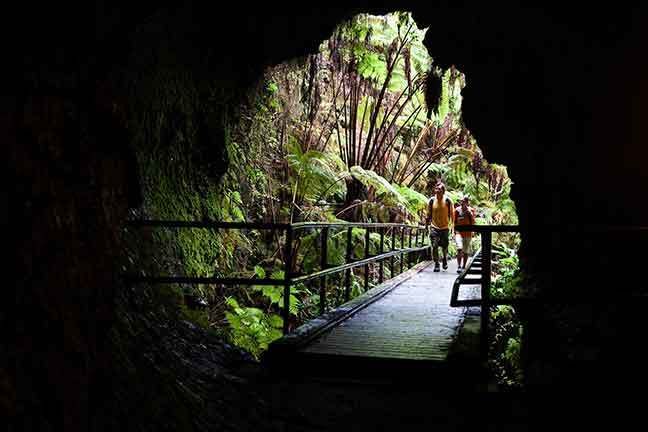
- Nāhuku (Thurston) Lava Tube: a rainforest walk through an old lava tunnel
- Chain of Craters Road drive: wide lava fields and sea-cliff viewpoints
- ʻAkaka Falls (442 feet): one of Hawai‘i’s most photographed waterfall scenes
- Hilo sampler hour: Rainbow Falls, Banyan Drive, and Lili‘uokalani Gardens
- Black sand beach finish: you end where lava created the shoreline
Kīlauea at Halema‘uma‘u: crater edges and steam vents
Your day starts with an inter-island flight from Honolulu to Hilo, which matters more than it sounds. Instead of spending hours just getting to the right side of the island, you trade that time for real sightseeing. When you land, the tour connects you to local transport and gets you into Hawai‘i Volcanoes National Park quickly.
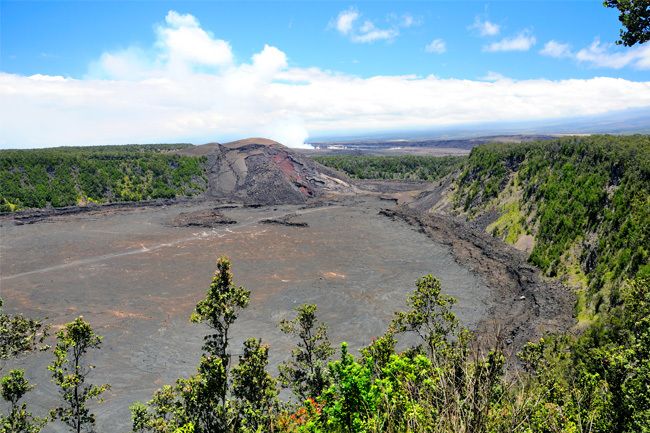
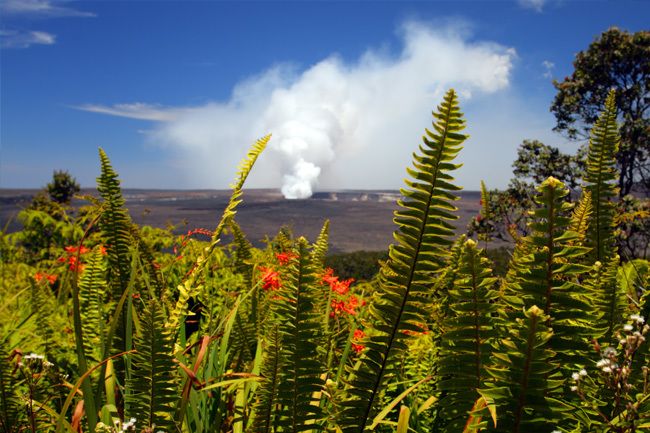
Once you’re in the park, the emotional centerpiece is Kīlauea and the massive caldera area of Halema‘uma‘u. You get the chance to stand near the crater edge and see how this landscape keeps changing after major eruptions, including the 2018 reshaping. You’re not just looking at a mountain—you’re watching (or at least standing at the boundary of) a system that’s actively rewriting the ground.
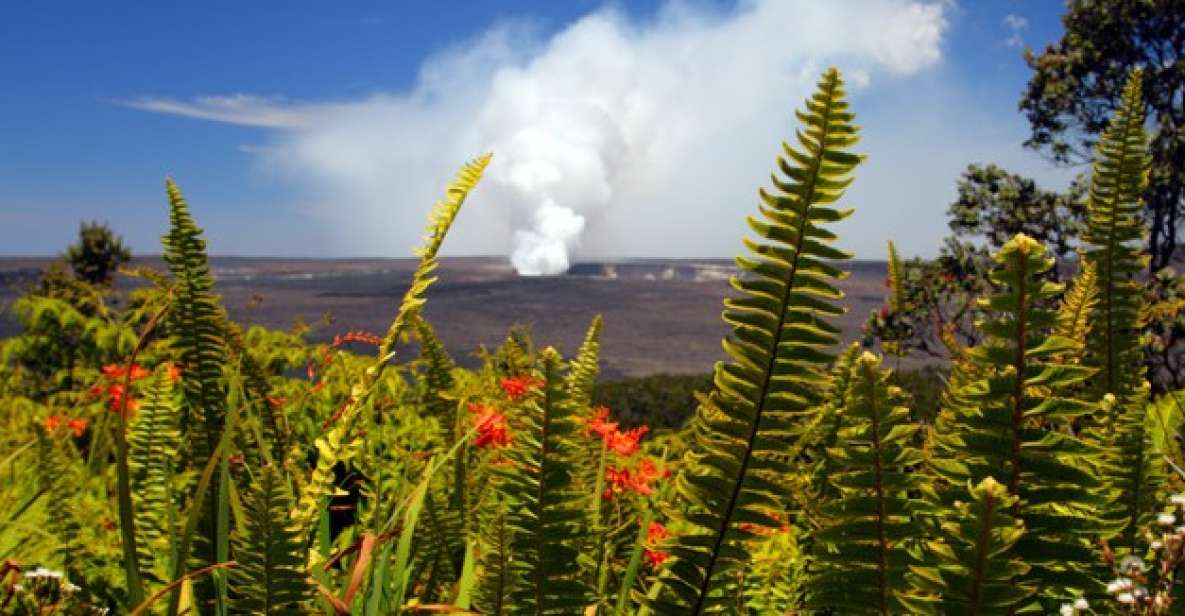
Heat is part of the sensory experience here. You’ll encounter steam vents where groundwater meets underground lava flows, and that detail helps you understand the chemistry behind what you see. It’s the kind of place where a guide’s explanations make the scenery click.
Practical tip: this is a long day, and volcanic areas can be changeable. Wear comfortable clothes and shoes you trust for walking near uneven, natural terrain.
You can also read our reviews of more tours and experiences in Oahu.



Nāhuku (Thurston) Lava Tube walk: cool air in an old channel
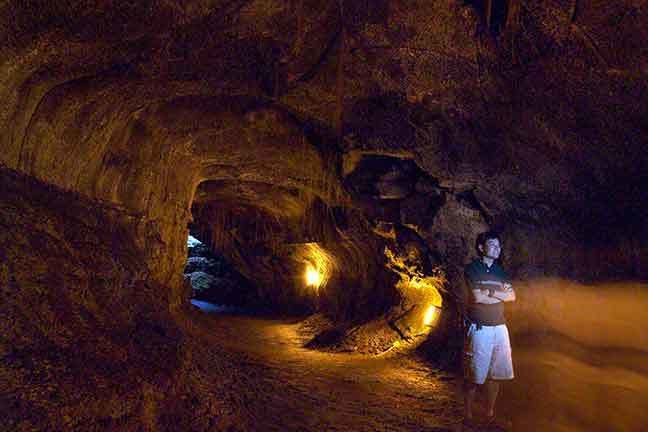
Next, you step into history you can walk through. Nāhuku, also known as the Thurston Lava Tube, is an ancient underground tunnel once filled with flowing lava. You’ll walk through it under a rainforest canopy, which creates a nice contrast: the outside is bright and hot in places, while the tunnel area feels cooler and darker.
This stop is valuable because it turns “volcano” from an abstract concept into a physical place. You’re inside a former pathway that lava used long ago. Seeing the tunnel structure, then coming back out to the light, gives your brain an easy map of how liquid rock becomes solid ground.
The guide also helps you connect the dots between what you saw at Halema‘uma‘u and what you’re walking through now. Volcanoes National Park can feel like a bunch of dramatic spots. But when you understand how vents, lava flows, and tunnels connect, the whole day starts telling one story.
What to know before you go: this is still an outdoor walk. Give yourself time, move steadily, and expect your shoes to be doing real work on natural surfaces.
Chain of Craters Road drive: seeing lava fields move toward the ocean
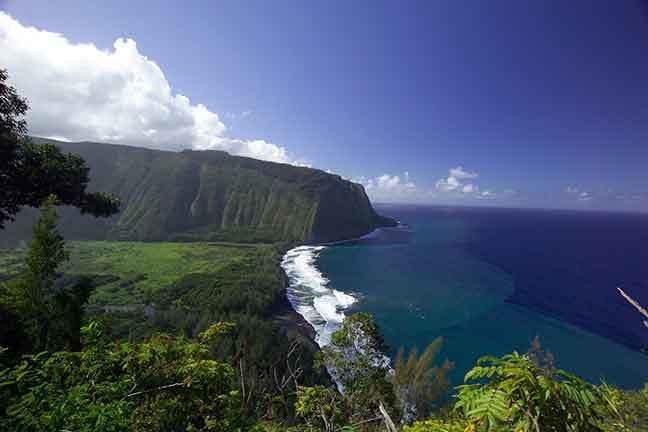
After the tunnel, you head along Chain of Craters Road, a stretch where the volcanic story keeps getting more visible. This drive is where you really start to see how lava fields reach outward and how the island’s shape is influenced by flows over time.
You’ll pass dramatic sea cliffs, older lava flows, and coastal viewpoints that make it clear this island has had to keep rebuilding itself. Even if you’re not a geology person, the road does the teaching. You watch the terrain change as you travel, and you end up with a better sense of scale—how wide lava can be and how close it can come to the sea.
This is also one of those moments where the guide’s timing matters. You’re not just driving from point A to point B; you’re stopping for views when the scenery is at its best and when you can actually take it in.
If you love photography, you’ll probably want a few extra minutes at the coastal overlooks. The ocean backdrop makes the contrast—black rock and blue distance—feel instantly dramatic.
Picnic time inside the park: fuel for a long circuit
Midday, you’ll have a picnic lunch in Hawai‘i Volcanoes National Park. This is a practical break in a day that stays active, and it’s one of the reasons the tour works well for people who don’t want to plan meals between remote sights.
That said, plan your hunger honestly. The picnic can be fairly light, and if you burn through energy walking in hot conditions, you might want a snack backup. A small extra bite from your own bag can save you from feeling “fine” but still underfed.
The bigger takeaway: use this pause to reset. Hydrate, take care of your phone battery, and don’t treat lunch as your only chance to eat. Your schedule later includes several waterfall and Hilo stops.
ʻAkaka Falls and the Hāmākua Coast: rainforest drama in the middle of the trip
After you leave the volcano area, the day shifts into lush rainforest and waterfall country along the Hāmākua Coast. This is where the Big Island stops being only volcanic rock and becomes water, mist, and dense plant growth.
At ʻAkaka Falls State Park, you’ll walk into one of the island’s most famous waterfall scenes. The waterfall drops 442 feet into a misty gorge, and the setting is part of the reason it’s so photogenic. You’ll feel the spray when you get close, and the rainforest canopy makes the whole area feel cooler.
This stop is worth it because it balances the morning’s volcanic visuals. The guide’s geology talk still matters here—because on Hawai‘i, water and volcanic land form together. Rainfall patterns feed streams and waterfalls, and the valleys carved by water shape how you experience the coast.
Comfort note: expect wet mist near the falls. Wear shoes that handle damp conditions.



Hilo’s signature sights: Rainbow Falls, Banyan Drive, and Lili‘uokalani Gardens
Once you’re in Hilo Town, you transition into classic sightseeing that’s easy to enjoy even if you’re not chasing every trail in the world.
You’ll see Rainbow Falls, named for the colorful mist that appears in the morning sunlight. That detail matters because it explains why timing can affect what you experience. Even when you don’t catch the rainbow effect perfectly, the falls are still a strong visual stop, especially surrounded by the tropical feel of downtown Hilo.
Next is Banyan Drive, lined with tall trees that were planted by celebrities. It’s a fun, slightly quirky local landmark that keeps the pace from turning into “just more nature.” You get a break from major walking and still come away with a sense of place.
Then you’ll visit Lili‘uokalani Gardens, a Japanese-style garden with views of Hilo Bay. This is one of those stops that works as a breather. The structure and calm feel different from the park and coast sections of the day, and it gives you a chance to slow down without losing momentum.
If your schedule usually feels like a sprint on vacation, this garden stop is a helpful reset between taller, louder scenery.
Black sand beach finale: where lava meets waves
To end the day, you head to a black sand beach where Hawai‘i’s volcanic origins show up literally in the shoreline. Waves crashing against jet-black sand is one of those visuals that stays in your head because it looks so different from what you expect from a beach.
This final stop is also a good way to process everything you saw earlier. You started with heat rising from steam vents and a crater edge. You walked through an old lava tunnel. You drove past lava fields extending toward the sea. And now you finish at the seashore where that volcanic material becomes sand.
By the time you’re here, you’ve seen multiple chapters of the same story in different forms—rock, air, mist, and shoreline.
Price and value: what $575 buys you on this route
At $575 per person, you’re paying for one big convenience and several hard-to-plan pieces.
Here’s what you’re getting that often costs extra when you try to DIY:
- Round-trip inter-island flights from Honolulu to Hilo
- Entry fee into Hawai‘i Volcanoes National Park
- Roundtrip ground transport to and from Hilo Airport
- A driver/guide plus bottled water and local treats
When you compare that to renting a car and trying to coordinate park access, remote stops, and meal breaks, the value starts to make sense—especially if you only have one day and you want it to be structured.
What’s not included is also important:
- Hotel pickup and drop-off (so you’ll need your own arrangement for getting to and from Honolulu’s airport)
- Helicopter tour (listed as an option on similar experiences)
If you’re the type who wants maximum Big Island highlights without spending your day navigating, this price can feel fair.
Who this tour fits best (and who should think twice)
This tour fits best if you:
- Want one full day that covers volcano views, lava tube walking, waterfall stops, and Hilo highlights
- Prefer having a driver/guide stitch together viewpoints for you
- Don’t want to rent a car or coordinate multiple tickets on the same day
It may feel less ideal if you:
- Are sensitive to long days with lots of driving and walking
- Expect lots of downtime between stops
- Need heavier meals at lunch (the park picnic can be on the light side)
The good news: you’ll have bottled water and the tour is supported by a real guide. And the experience is listed as wheelchair accessible, which helps if you want a guided structure rather than figuring everything out yourself.
Also, check your travel documents early. You’ll need passport or valid ID for TSA at Honolulu International Airport, and it’s smart to keep bags light since large or heavy luggage isn’t ideal for the flight.
Should you book the Oahu to Big Island Volcano Adventure?
If your goal is to get a real taste of the Big Island—volcano first, then waterfalls and Hilo sights—this is a strong one-day option. The combination of a crater-edge volcano experience, the Nāhuku Lava Tube walk, and the waterfall-and-gardens contrast gives you variety without forcing you to manage logistics.
I’d book it if you’re excited by the science-meets-scenery vibe and you like guided pacing. I’d think twice only if you hate long days, need a big lunch, or you’re looking for something with a slower rhythm.
FAQ
Where is the meeting point for this tour?
You’re responsible for meeting at Honolulu Airport for your flight to Hilo. After the tour, you’ll also need to arrange transportation from Honolulu Airport.
How long is the experience?
The total duration is listed as 16 hours.
What’s included in the tour price?
Included are the round-trip inter-island flight from Honolulu to Hilo, Hawai‘i Volcanoes National Park entry fee, roundtrip transportation to and from Hilo Airport, a driver/guide, bottled water, and local treats.
Is the helicopter tour included?
No. The helicopter tour is listed as not included for this option.
Do I need a passport?
You’ll need a passport or valid ID to clear TSA at Honolulu International Airport.
Is the tour wheelchair accessible?
Yes, the tour is listed as wheelchair accessible.