REVIEW · KEWALO BASIN HARBOR
Oahu: Waikiki Parasailing
Book on GetYourGuide →Operated by Waikiki Parasail Hawaii · Bookable on GetYourGuide
That view hits fast. Waikiki parasailing puts you above Oahu’s coast with Waikiki Beach below and Diamond Head off to the side. It’s part sightseeing, part adrenaline, and mostly wind-in-your-face fun.
I love the way this trip feels run-by-professionals, from the equipment to the calm instruction before you fly. I also like that the experience is friendly for people who are nervous about heights, because the crew keeps talking you through what’s happening.
One thing to consider: it’s weather dependent, and you also need to be there on time for boarding. Miss the boat and you’re out, so set a buffer and don’t cut it close.
In This Review
- Key highlights you’ll feel right away
- Waikiki Parasailing at a Glance: What You Get for $75
- From Slip F06 to Open Water: The pre-flight flow that matters
- Takeoff to harness: what the flight feels like (even if you hate heights)
- Diamond Head from above: the view that changes your whole Oahu map
- Boat ride timing and sea life: what you might spot on the way out
- Dips and water-drop style moments: how to handle getting a little wet
- Rules you can’t ignore: weight, kids, pregnancy, and behavior
- Timing, weather, and why your “1 hour” might not mean 60 minutes in the air
- Who should book this Waikiki Parasailing trip?
- Quick practical tips before you go
- Should you book Waikiki Parasail Hawaii?
- FAQ
- Where is the check-in meeting point for Waikiki Parasailing?
- How early do I need to arrive before my reservation time?
- What’s included in the price, and what costs extra?
- How long does the experience take?
- Who is eligible to fly?
- What rules should I follow during the activity?
Key highlights you’ll feel right away
- Waikiki takeoff from the beach area with classic shoreline-and-city views as your first impression
- Diamond Head from above gives you a new sense of scale, not just a postcard angle
- Professional crew energy that helps first-timers relax (people mention encouragement and smooth handling)
- Possible sea life on the boat ride like turtles, dolphins, or whales, though nothing is guaranteed
- Different flight heights in the vibe spectrum (many riders mention 600 ft and even 1000 ft experiences)
- Photo and dip moments can happen depending on how your run goes and what you choose
Waikiki Parasailing at a Glance: What You Get for $75
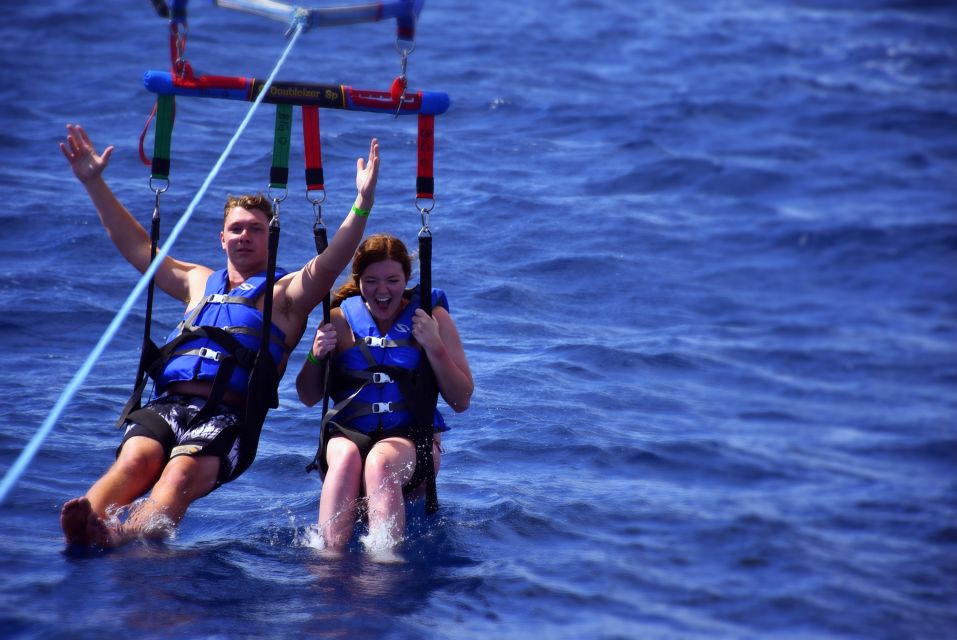
At $75 per person, this is a straightforward Oahu activity: you pay for the actual parasailing ride, plus the gear and a life vest. You’re not stuck paying for extras just to feel safe or properly outfitted.
The main “gotcha” cost is the fuel charge, listed as $7 per person and paid at the time of the activity. Still, even with that, you’re buying a high-impact view for about an hour total from check-in to return, not a half-day time sink.
This is also one of those activities where value comes from perspective. From the beach, Waikiki can feel like a busy strip. Up in the harness, you get a clean, wide look at the shoreline shape, the water color shifts, and the way buildings hug the coast. That “oh, this is how big Oahu really is” moment is the point.
From Slip F06 to Open Water: The pre-flight flow that matters
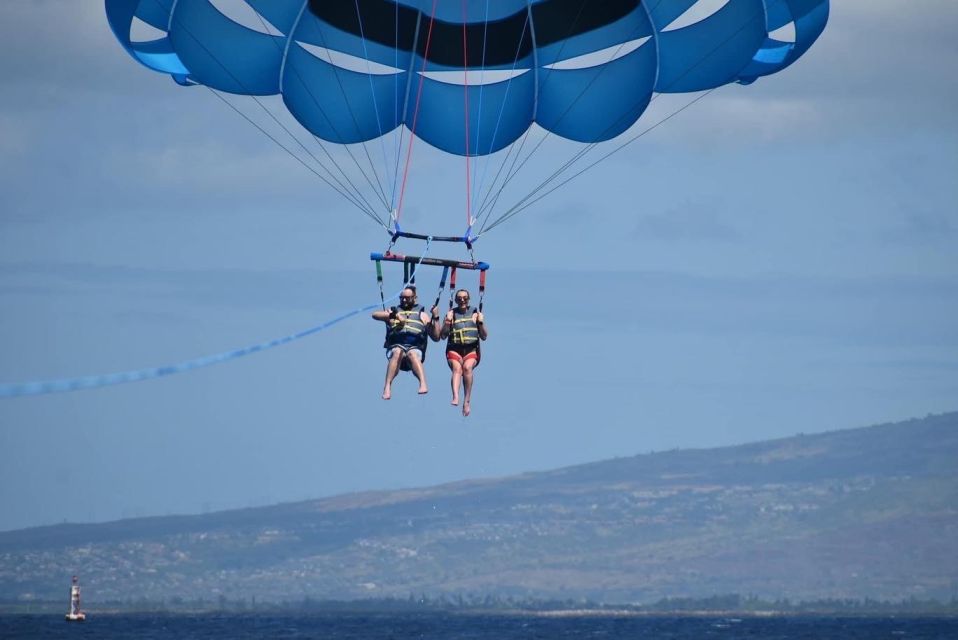
The experience starts at a very specific spot. You check in at the bright yellow Waikiki Parasail Hawaii / Go Hawaii Watersports booth near Slip F06. Look for the sign with the pink dolphin and have your voucher ready.
Timing matters more here than with many tours. Check-in is 30 minutes before your reservation time, and the boat boards about 5 minutes before that start time. One rider described the check-in as a bit chaotic, so my practical advice is simple: arrive early, breathe, and don’t assume the line will move fast.
What happens next is the part you shouldn’t rush: a short ride out to where parasailing runs are conducted. This boat time is where you settle in, get safety guidance, and start scanning the water and shoreline for those birds-eye glimpses you came for.
Then comes the key moment: harness time and the lift-off. The whole point is that takeoff and landing are handled by the crew, not you trying to “figure it out.” That’s a big deal if you’re nervous. People often mention feeling safe because the crew explains what you’re doing and why.
Takeoff to harness: what the flight feels like (even if you hate heights)
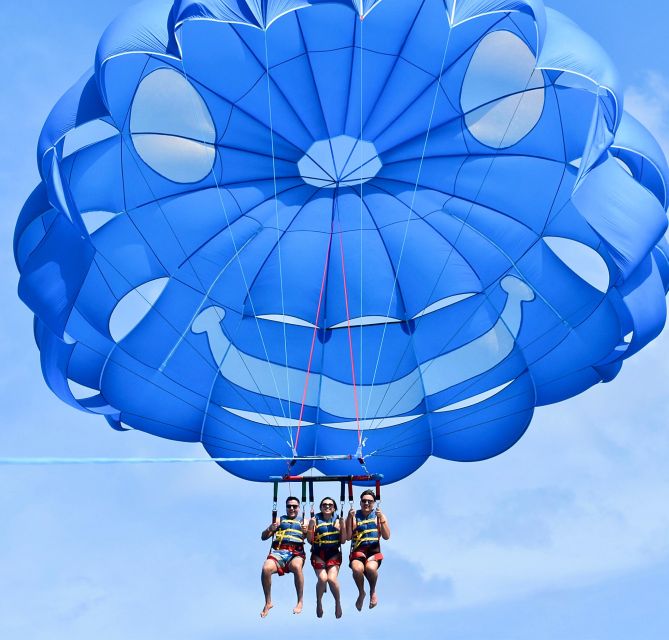
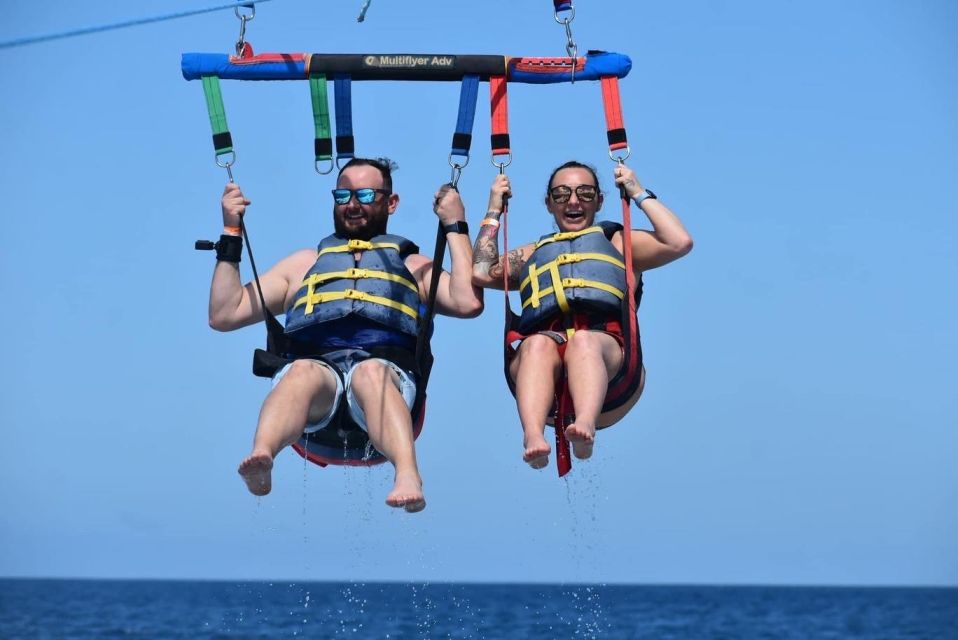
Once you’re up there, the whole experience shifts from busy beach energy to something calmer than you expect. The wind on your face becomes the main sensation, and the motion feels smooth and controlled. Many first-timers are surprised by how quickly fear turns into focus on the view.
If you’re considering height levels, you’ll see the range reflected in rider stories. People mention first-timer-friendly flights around 600 ft, plus higher options like 1000 ft upgrades. Higher is more intense, sure, but the real thrill is the way you sail through the air while the water and shoreline drift beneath you.
Safety comes from routine:
- The professional team handles the setup and ride operations.
- You’re given a life vest and use the provided equipment.
- You get instruction before you fly, and the crew stays engaged throughout.
If you’re anxious, it helps to watch and listen during the process instead of trying to “math” the height in your head. Also, pick calm breathing over dramatic self-talk. One rider specifically mentioned how encouragement from guides made the height manageable, and that matches the overall vibe of how this is run.
Diamond Head from above: the view that changes your whole Oahu map
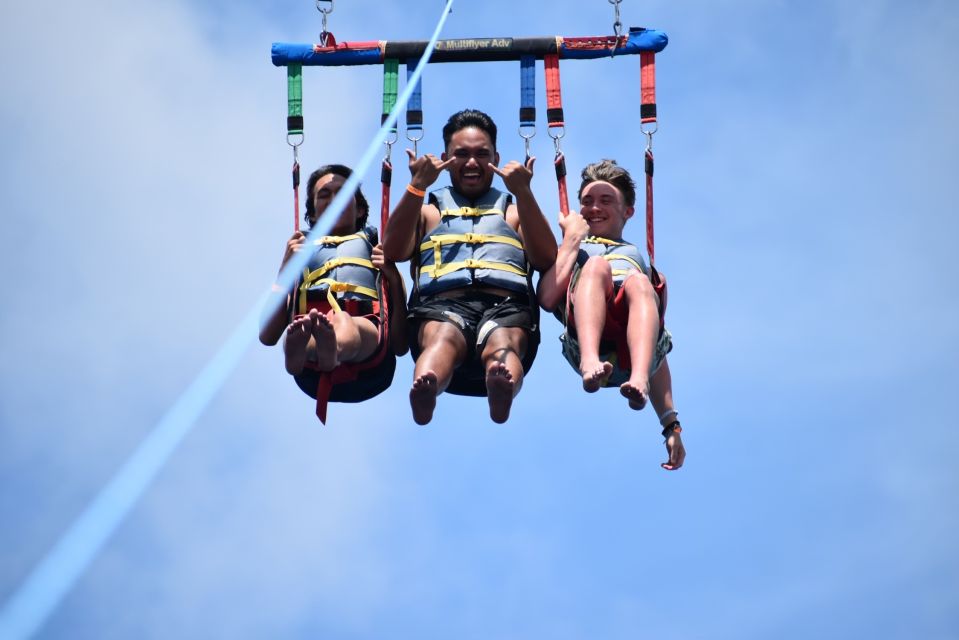
Diamond Head is the headliner, and from the waterline it’s often just a landmark you point at. Up in the air, it becomes a shape with real edges, slopes, and distance. You see how it sits against the ocean and how Waikiki’s built-up coast wraps around the island.
The best part is that you’re not staring at one spot the whole time. You’re moving. That means your angle keeps changing:
- Waikiki’s shoreline and beach breaks sweep past
- the turquoise water color shifts with depth
- surrounding buildings and streets fall into a new, patterned view
It’s the kind of sightseeing that sticks because it gives you orientation. After you’re back on the ground, Waikiki and Diamond Head make more sense as places, not just photos.
Boat ride timing and sea life: what you might spot on the way out
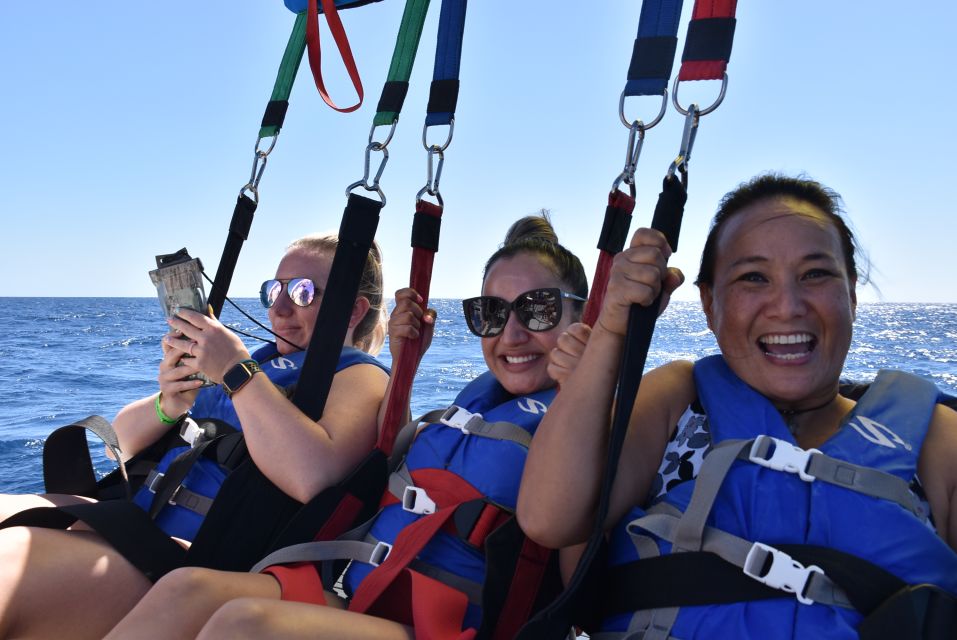
This isn’t just an “up and done” ride. You’re also on a boat, and during that portion you may see sea life. The activity description specifically mentions the possibility of spotting sea turtles, dolphins, and whales while you’re out.
The honest take: nature doesn’t do guarantees. But the chance is real enough that it changes how you look at the water as you head out. You’ll be watching for movement, and even if you don’t see whales, you’ll still get the ocean perspective that makes Waikiki feel wider than it does from the beach walkway.
If you’re into wildlife, this boat segment is where your attention is rewarded. If you’re not, you can still relax—many people describe the overall trip as fun and not stressful once you’re underway.
Dips and water-drop style moments: how to handle getting a little wet
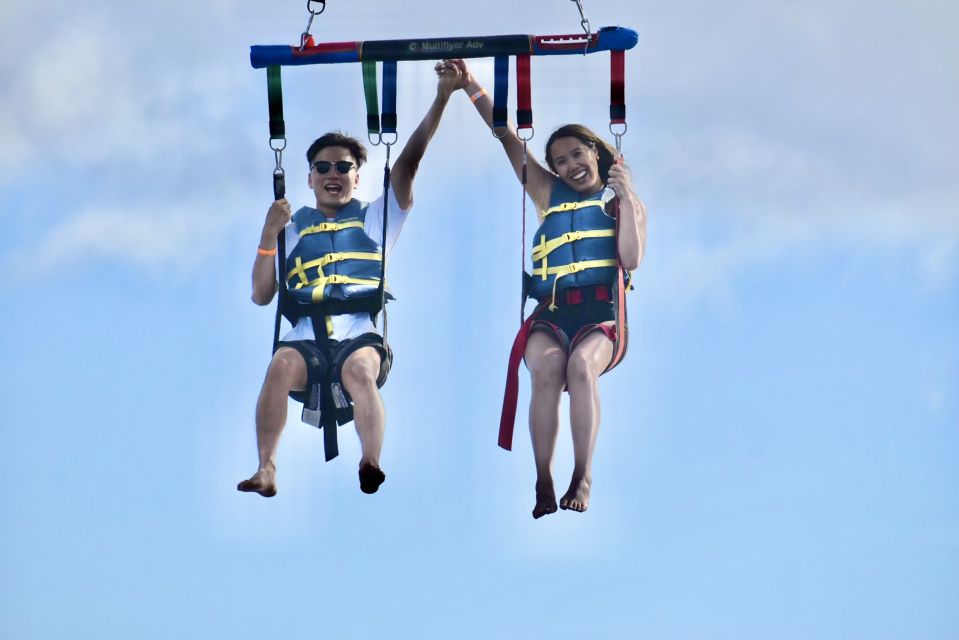
Parasailing can be thrilling, but it’s also often playful. Some riders mention a quick dunk in the ocean. One person said the crew asked if they were okay with a dip before doing it, which is exactly the kind of considerate pacing you want on an activity like this.
There are also higher-energy versions described by riders, like water-drop moments on higher flights. That’s not something you should expect every time, but it’s part of the “this might get fun in a physical way” side of the experience.
If you want to be comfortable, plan for the reality that you could get splashed. The rules say swimming isn’t allowed, so think of it as a controlled dip, not a free-for-all in the water. Follow crew directions quickly and you’ll stay relaxed instead of surprised.
Wind can also affect how smooth things feel. That’s normal with any open-water activity. If you feel the wind pulling a bit, remember that the system is designed for it and the crew is managing the ride.
Rules you can’t ignore: weight, kids, pregnancy, and behavior
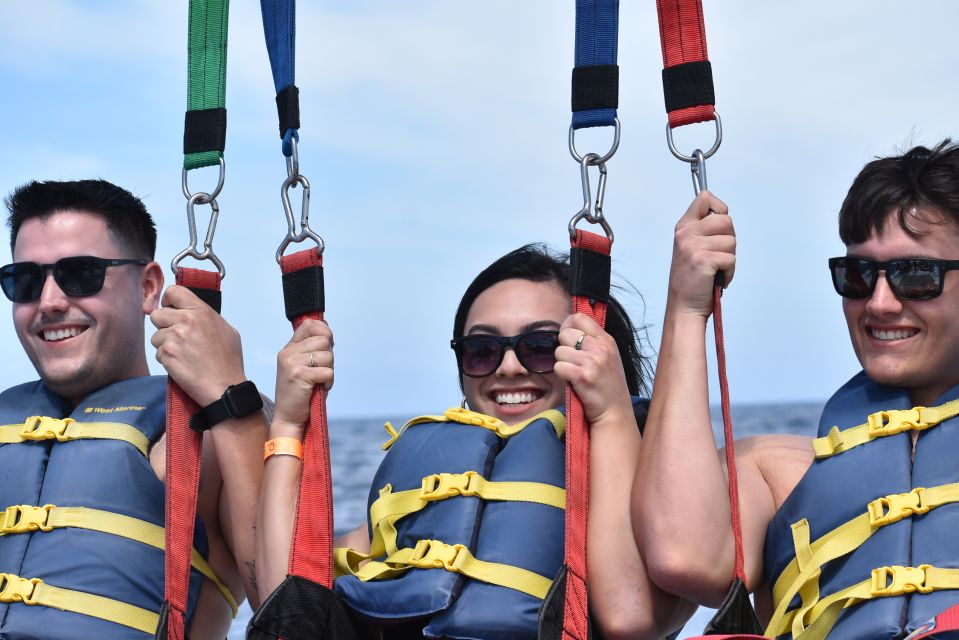
This isn’t a casual activity for everyone, and that’s actually part of why it feels safe. The operation enforces clear rules:
Weight limits
- Minimum passenger weight: 50 lbs
- Maximum weight in the parachute: 450 lbs
Age and pregnancy
- Pregnant women are unable to fly
- Children must be at least 5 years old and weigh at least 50 lbs
No-go behaviors and items
- Pets and baby strollers aren’t allowed
- No smoking
- No food or drinks
- No alcohol or drugs
- No jumping
- No swimming
One more important point: intoxicated or under-the-influence guests won’t be served, and the captain can deny service at their discretion. That’s not about being strict for the sake of strictness—it’s about safety when you’re up in the harness.
Timing, weather, and why your “1 hour” might not mean 60 minutes in the air
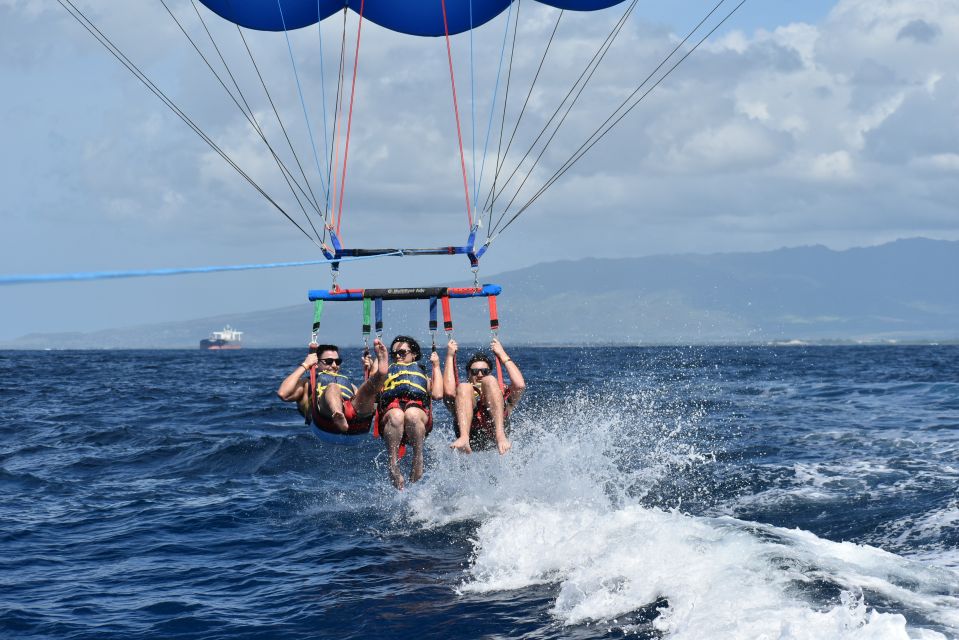
The listing says the total trip can take up to 1 hour from check-in to return. The actual flight time can vary based on weather and group size.
Here’s what that means in real life. Even with the same ticket, your experience might feel slightly different day to day:
- if winds are stronger or conditions change, the crew may adjust the ride
- if timing shifts with the group, your time in the air could be shorter than the headline duration
I’d treat “about an hour” as the overall rhythm, not a guarantee that you’ll spend the full hour flying above Waikiki.
Weather dependence is normal for ocean activities, and the key is how the crew responds. When the operation is professional, changes happen in a controlled way rather than chaos.
Who should book this Waikiki Parasailing trip?
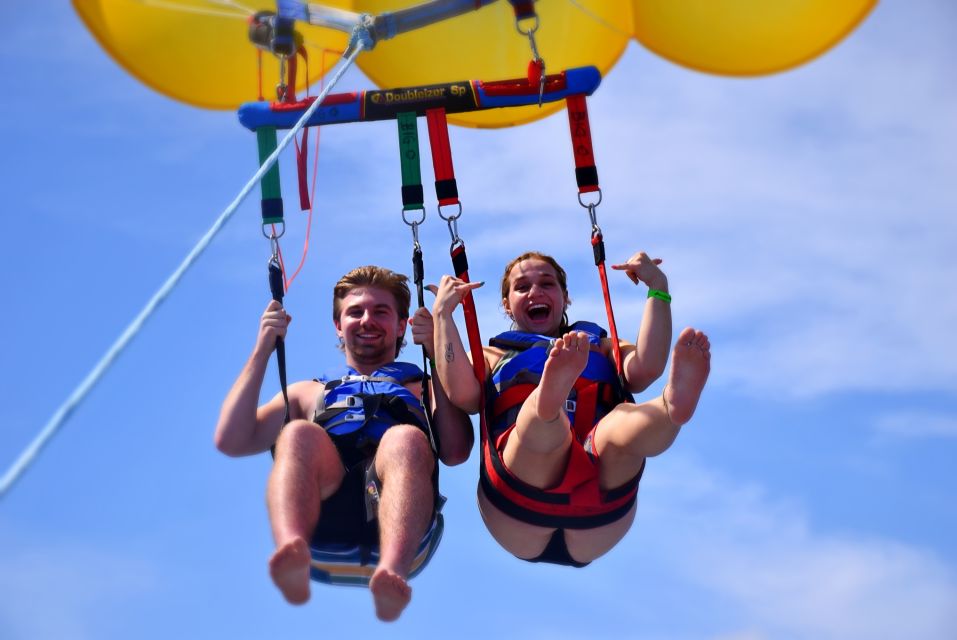
This fits best if you want:
- a short, high-impact Oahu experience
- big views without hiking or a long day out
- an activity with safety structure and a friendly, guiding crew
It’s especially good for people who are curious but nervous. Multiple riders describe feeling reassured, including folks with fear of heights who ended up enjoying the air once they were actually up there.
It’s not for:
- pregnant women
- kids under 5
- anyone outside the weight limits
- people planning to drink alcohol on the beach before boarding
Also, if you hate getting splashed and dips would ruin your mood, you can still go—but you should mentally prepare for the possibility of water touches during some runs.
Quick practical tips before you go
- Arrive at the check-in booth near Slip F06 with your voucher ready. Early reduces stress fast.
- Plan to stay flexible because weather can change timing.
- Wear your day like you mean it: follow the no smoking rule and avoid food/drink on the boat.
- If you’re worried about heights, lean into the instruction instead of fighting the nerves alone.
- Ask about photo options if you want pictures. Some riders say the team can take photos for an extra cost.
Should you book Waikiki Parasail Hawaii?
I think you should book if you want a “wow” view with a safety-first operation, and you like the idea of seeing Waikiki and Diamond Head from the air instead of from a crowded sidewalk.
Skip it (or choose something else) if you’re outside the weight/age limits, pregnant, or you can’t handle the idea that weather may affect ride timing. And if you’re the type who’s always running late, this isn’t the activity to gamble on. Being early is part of making it fun.
If you do go, pick a calm mindset. The whole point is that the air feels surprisingly peaceful once the harness is set and the crew has you moving. That’s when Waikiki stops being a beach scene and turns into your own aerial postcard.
FAQ
Where is the check-in meeting point for Waikiki Parasailing?
Check in at the bright yellow Waikiki Parasail Hawaii / Go Hawaii Watersports booth near Slip F06. Look for the Check-In sign with a pink dolphin and show your voucher there.
How early do I need to arrive before my reservation time?
Check-in is 30 minutes before your reservation time. The boat boards about 5 minutes before your reservation time, and there is no refund if you miss the boat.
What’s included in the price, and what costs extra?
Your ticket includes the parasailing trip, equipment, and a life vest. A fuel charge of $7 per person is not included.
How long does the experience take?
The total time can be up to 1 hour from check-in to return. Actual duration can vary based on weather and group size.
Who is eligible to fly?
Children must be at least 5 years old and weigh at least 50 pounds. Minimum passenger weight is 50 pounds, and the maximum weight in the parachute is 450 pounds. Pregnant women are not allowed to fly.
What rules should I follow during the activity?
Pets and baby strollers are not allowed. Smoking, food and drinks, and alcohol or drugs are not allowed. You also can’t jump or swim, and the crew can deny service to intoxicated or under-the-influence participants.